You don't need a sprawling backyard to enjoy the beauty of a tree. A balcony, patio, or even a sunny doorstep can be home to a thriving potted tree. But here's the catch most guides don't tell you: throwing any tree in a pot is a recipe for a slow, sad death. I've seen it too many times—a beautiful Japanese maple bought on impulse, stuck in a decorative pot with no drainage, dead within a year. The secret isn't just picking a "dwarf" label; it's understanding the marriage between the right tree, the right container, and the right care. This guide cuts through the fluff and gives you the actionable steps to succeed.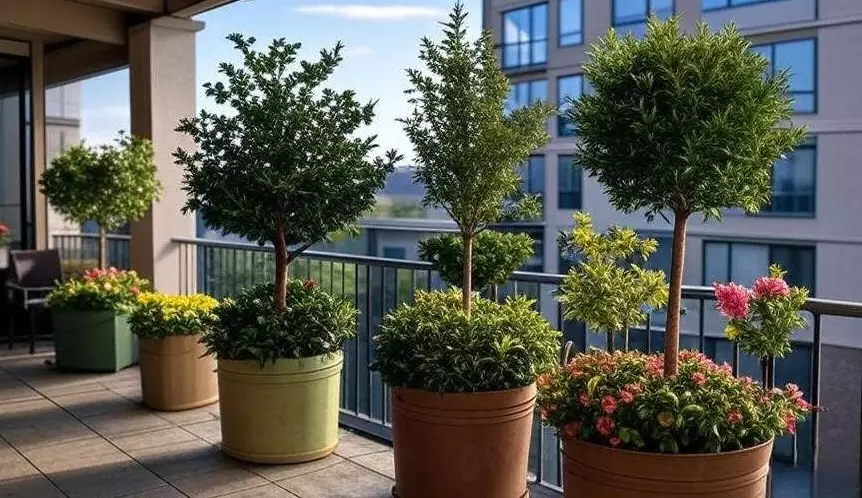
What's Inside: Your Container Tree Roadmap
Why Most Container Trees Fail (And How to Avoid It)
Let's get the ugly truth out first. The number one killer of container trees is poor root environment. In the ground, roots can stretch out for water and nutrients. In a pot, they're trapped. People make two big mistakes:
They choose a tree that grows too large, too fast. That cute little sapling from the garden center might be genetically programmed to become a 40-foot giant. Its roots will quickly become "pot-bound," circling endlessly, choking itself.
They use the wrong soil and pot. Garden soil compacts in containers, suffocating roots. A pot without proper drainage holes is a swimming pool waiting to drown your tree.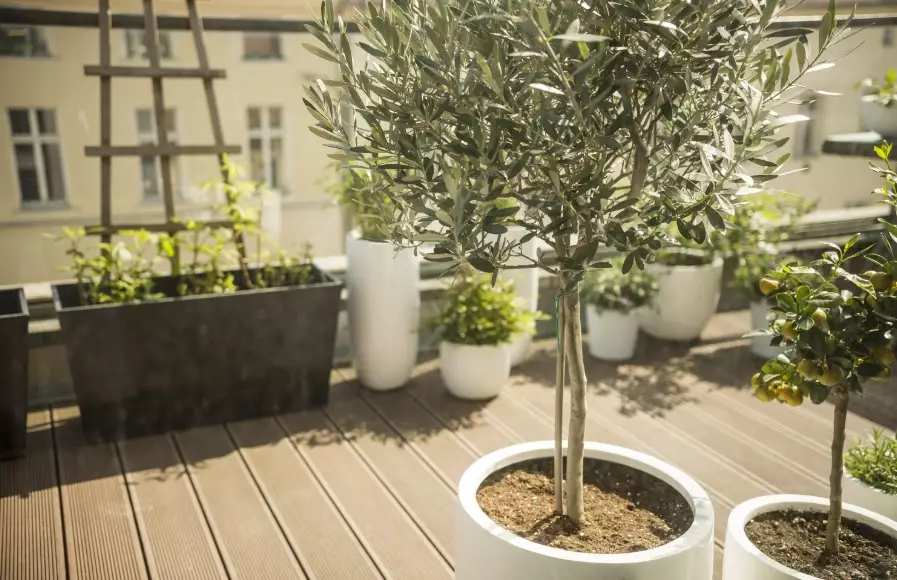
The Best Trees for Pots: A Curated Selection
Forget vague categories. Here are specific trees that have proven themselves in containers over years. I've divided them by what you might be looking for: color, fruit, or evergreen structure.
| Tree Name (Common & Botanical) | Key Features for Containers | Sunlight Needs | Hardiness Zone* | One Thing to Watch |
|---|---|---|---|---|
| Japanese Maple (Acer palmatum) | Stunning foliage color (red, orange, green), slow growth, many dwarf cultivars like 'Bloodgood' or 'Crimson Queen'. | Partial sun (morning sun, afternoon shade is ideal) | 5-8 | Leaf scorch in hot, direct afternoon sun. Needs wind protection. |
| Olive Tree (Olea europaea) | Silver-grey foliage, gnarled trunk, drought-tolerant once established. Cultivars like 'Arbequina' are prolific. | Full sun (6+ hours) | 8-11 (needs winter protection in cooler zones) | Overwatering. Let soil dry out between waterings. |
| Dwarf Citrus (Lemon, Lime, Calamondin) | Year-round interest with fragrant flowers and edible fruit. Improved Meyer Lemon is a superstar. | Full sun | 9-11 (must be moved indoors in winter in cold climates) | Spider mites when indoors. Needs consistent feeding. |
| Crepe Myrtle (Dwarf) (Lagerstroemia indica cultivars like 'Pocomoke' or 'Chickasaw') | Long summer bloom, exfoliating bark, brilliant fall color. True dwarf varieties stay under 5 ft. | Full sun | 6-9 | Powdery mildew if air circulation is poor. Don't crowd it. |
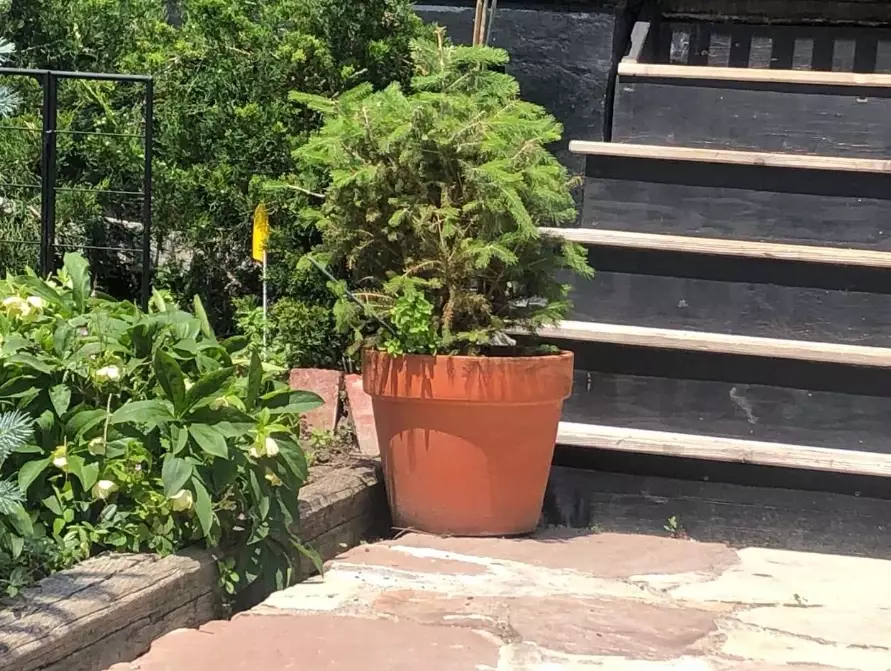
| Dwarf Alberta Spruce (Picea glauca 'Conica') | Classic conical evergreen shape, very slow-growing (2-4 inches per year). Provides winter structure. | Full sun to partial shade | 3-6 | Spider mite magnet in hot, dry conditions. Needs good humidity. |
| Harry Lauder's Walking Stick (Corylus avellana 'Contorta') | Uniquely twisted, corkscrew branches for winter interest. Deciduous, with catkins in spring. | Full sun to partial shade | 4-8 | Can sucker from the base. Prune suckers to maintain form. |
*Refer to the USDA Plant Hardiness Zone Map to find your zone. This is crucial for overwintering decisions.
My personal favorite for a beginner? A dwarf citrus like a Meyer lemon. It gives you multiple rewards—flowers, fruit, shiny leaves—and clearly tells you when it's unhappy (dropping leaves). It's a communicative plant.
How to Plant a Tree in a Container: The Non-Negotiable Steps
This is where you set the stage for years of health. Rushing this part undoes all your careful tree selection.
1. Choosing the Container: It's Not Just About Looks
Size matters, but bigger isn't always better. A pot too large holds soggy soil that young roots can't use. A good rule: start with a container 2-4 inches wider in diameter than the tree's root ball. Ensure it has multiple drainage holes. Material choice:
Terracotta/Clay: Porous, allows soil to breathe, prevents overwatering. Heavy, which is good for stability but a pain to move. Can crack in freeze-thaw cycles.
Glazed Ceramic/Fiberglass/Resin: Less porous, retains moisture longer. Lighter weight. Often more decorative. Just check those drainage holes—sometimes you need to drill extra ones.
I avoid metal containers in full sun; they can cook the roots.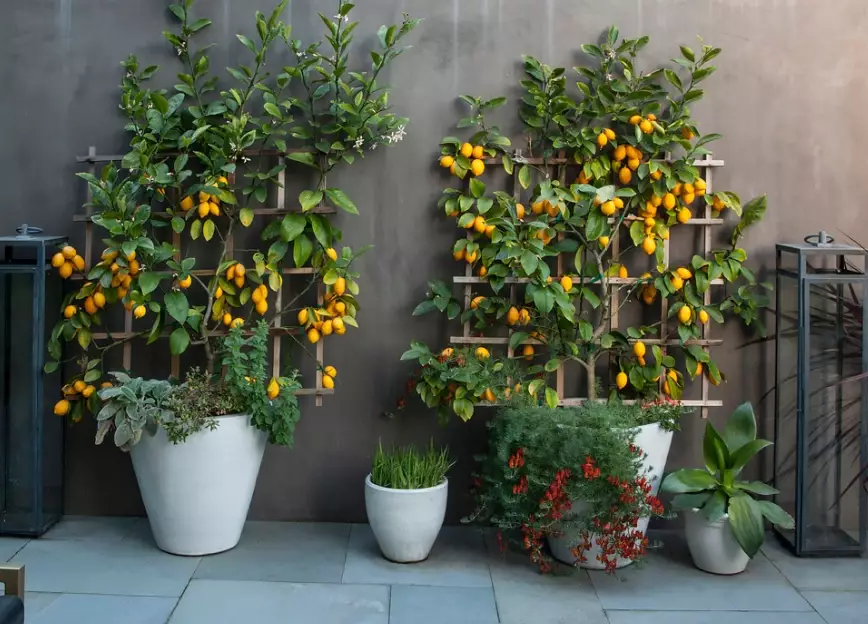
2. The Soil Mix: Do Not Use Garden Soil
This is non-negotiable. Garden soil compacts. You need a well-draining, soilless potting mix. For trees, I make a simple blend: 3 parts high-quality commercial potting mix, 1 part perlite or pumice for drainage, and 1 part compost or worm castings for slow-release nutrients. For acid-loving trees like Japanese Maples, I might add a handful of peat moss or use a mix labeled for azaleas.
3. The Planting Process
Place a piece of broken pottery or a mesh screen over the drainage holes to keep soil in. Add a 2-inch layer of your potting mix. Gently remove the tree from its nursery pot, teasing out any circling roots. If they're a tight mass, make a few vertical slices with a clean knife to encourage outward growth. Position the tree so the top of its root ball is about an inch below the pot's rim. Backfill with your mix, firming gently as you go. Water thoroughly until it runs freely out the bottom.
Long-Term Care Secrets: Watering, Feeding, and Winter
Container trees are dependent on you. They can't send roots deeper during a drought.
Watering: This is the most frequent task. The goal is consistent moisture, not constant sogginess. In summer, you might water daily. In spring and fall, maybe every 2-3 days. Check with your finger—if the top 1-2 inches of soil are dry, it's time. A slow, deep soak is better than a quick sprinkle.
Feeding: Nutrients get washed out with frequent watering. Use a balanced, slow-release fertilizer formulated for trees or shrubs in early spring. For citrus and fruiting trees, use a fertilizer with micronutrients like iron and zinc. I'm cautious with chemical fertilizers in pots; it's easy to overdo it and burn roots. Organic options like fish emulsion or compost tea are gentler.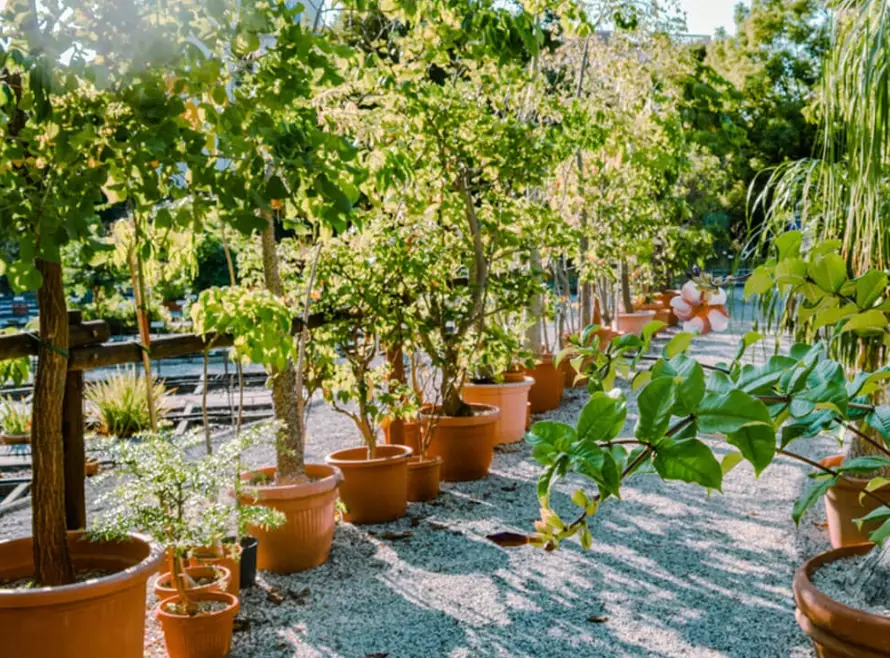
The Big One: Overwintering. This is where many container trees in cold climates die. The roots are above ground and exposed to freezing temperatures. You have three options:
1. Move it: If it's a cold-tender tree (citrus, olive in zone 7), bring it into a cool, bright garage, shed, or sunroom before the first hard frost.
2. Protect it: For hardy trees in a pot (like a maple in zone 5), group pots together against a sheltered wall. Wrap the pot in bubble wrap, burlap, or insulating blankets. Mulch heavily over the soil surface.
3. Bury it: The best method for marginal climates. Sink the entire pot into a hole in a garden bed for the winter, then dig it up in spring.
Repotting is needed every 2-4 years. You'll see roots coming out the drainage holes, or growth will slow drastically. When repotting, you can either move up one pot size or root-prune and refresh the soil in the same pot.
Your Container Tree Questions, Answered
Can I grow an oak or maple from an acorn/seed in a container?
You can start it, but it's a long-term project with a near-certain failure point. Most full-sized forest trees have a deep taproot and genetic programming to become enormous. They'll be stunted and stressed in a container. It's far more practical and kinder to the tree to choose a species and cultivar bred for small spaces from the start.
My potted lemon tree's leaves are turning yellow and falling off. What did I do wrong?
Yellowing leaves on citrus are a classic distress signal, usually pointing to one of three things: overwatering (check if the soil is soggy), a nutrient deficiency (especially nitrogen or iron—try a citrus-specific fertilizer), or insufficient light. Indoors during winter, low light combined with dry air from heating is the usual culprit. Increase humidity with a pebble tray and ensure it gets the brightest light possible.
 How do I prevent my tall, slender potted tree from blowing over in the wind?
Stability is a real issue. First, use a heavy pot material like concrete or clay. Second, ensure the pot is appropriately wide for the tree's height—a tall, skinny pot is tippy. You can also place the pot inside a larger, heavier decorative planter and fill the gap with gravel. For a permanent solution, secure a few guy wires from the trunk to stakes in the ground or anchor points on your patio.
Is it possible to keep a container tree alive if I travel frequently for work?
It's challenging but not impossible. Your best bets are drought-tolerant species like Olive or certain types of Juniper. Invest in a self-watering pot with a large reservoir, or set up a simple drip irrigation system on a timer. Grouping pots together in a shaded area can also reduce water evaporation. For anything thirstier like a Hydrangea or Birch, you'll need a reliable plant-sitter or a commercial watering service.
What's the biggest mistake you see even experienced gardeners make with container trees?
Neglecting to repot. People see a tree that looks fine on top and forget the roots are silently filling the pot. After a few years, the soil is exhausted, roots are choked, and the tree essentially starves while sitting in a tiny, dense block of old roots. It enters a permanent decline. Scheduling a repot every 3 years, whether it seems to need it or not, is a habit that saves trees.
Reader Comments