If you've ever hiked along the Pacific Coast from British Columbia down to California, you've seen it. A tree that looks like it's shedding its skin, with smooth, sinuous bark the color of cinnamon or burnt orange peeling away in thin papery curls. That's the Arbutus menziesii, commonly called the Pacific Madrone or simply Madrone. It's a tree that inspires strong feelings. Gardeners either dream of having one or pull their hair out trying to keep one alive. Its beauty is undeniable, but its reputation for being finicky is equally famous. Having spent over a decade observing and working with native Pacific Northwest flora, I can tell you that most of the problems people have with madrones stem from treating them like any other tree. They're not. This guide will cut through the myths and give you the straight facts on identifying, planting, and caring for this iconic native.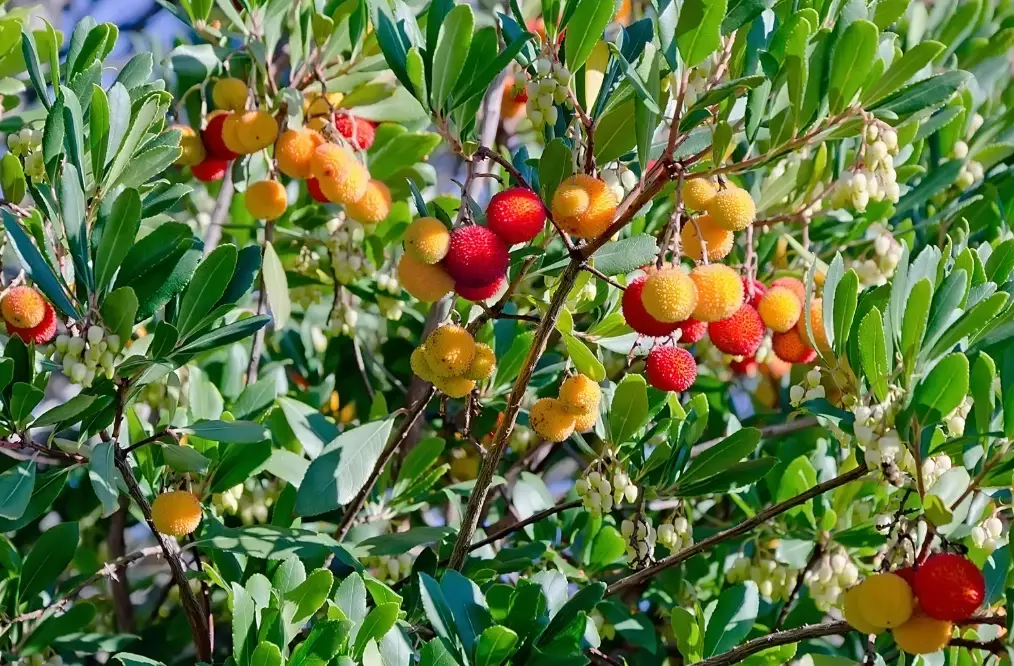
In This Guide: What You'll Learn
What Exactly is an Arbutus Madrone Tree?
Let's clear up the name first. Arbutus menziesii is the scientific name. On the west coast of North America, it's most often called Pacific Madrone or Madrona. In some gardening circles, you might hear Arbutus tree. It's all the same spectacular plant. It's a broadleaf evergreen, meaning it keeps its leaves year-round but they're not needles like a pine. It's part of the heather family (Ericaceae), which explains a lot about its preferences—think rhododendrons and blueberries, not maples and oaks.
Its native range is a narrow strip hugging the Pacific coast, thriving in the specific microclimate created by the ocean. This is the first clue to its care: it's a specialist, not a generalist. The tree can live for centuries, with some old-growth specimens reaching over 100 feet tall, though 30-50 feet is more common in gardens.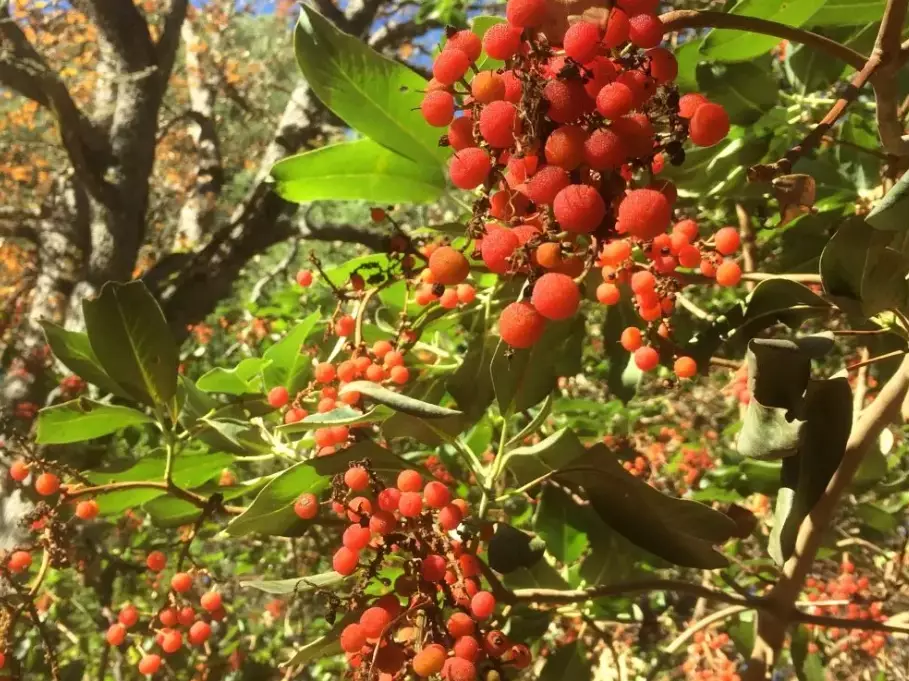
My Take: The biggest misconception is that madrones are "difficult." They're not difficult; they're specific. Plant one in a lawn that gets regular watering and fertilizer, and it will likely die from root rot or fungal issues. Understand what it wants—sharp drainage, lean soil, and plenty of light—and it can be surprisingly resilient.
How to Identify a Madrone Tree: A Step-by-Step Guide
You can't miss a mature madrone if you know what to look for. Here’s your field guide.
The Bark: Its Most Famous Feature
This is the giveaway. On young trees and branches, the bark is a smooth, glossy greenish-red. As it matures, it turns a stunning reddish-brown or orange and begins to peel and shed in large, thin strips throughout the summer. This isn't a sign of disease; it's completely normal. The new bark underneath is a cool, smooth chartreuse or light tan. The peeling helps the tree shed lichens and mosses and may have some role in pest resistance. The wood underneath is hard and heavy.
The Leaves and Flowers
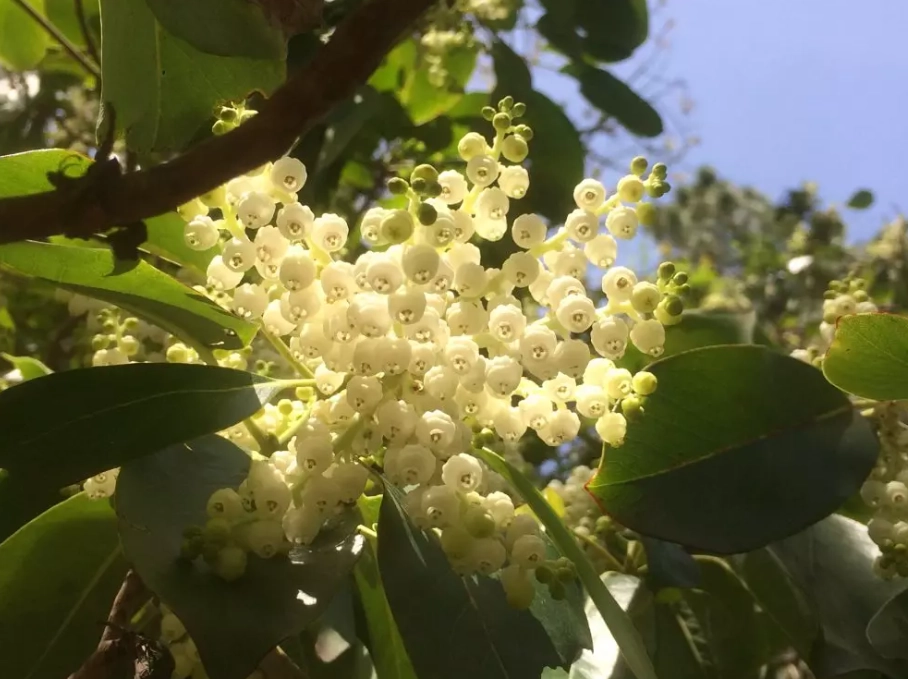
The leaves are another key identifier. They're thick, leathery, and evergreen, about 3 to 6 inches long. The top is a glossy, dark green, while the underside is a distinct whitish-green, almost felt-like. In spring (typically April-June), the tree produces clusters of tiny, urn-shaped white flowers that look like little lily-of-the-valley bells. These are incredibly fragrant and hum with bees.
The Fruit: Not Just for the Birds
By late fall, those flowers transform into bumpy, round berries. They start green, turn yellow, and finally ripen to a brilliant red-orange. They're edible, with a mealy, sweet-but-bland texture. Birds, especially band-tailed pigeons and robins, go crazy for them. You can make a tart, tannic jelly from them, though it's an acquired taste. The fruit often persists on the tree into winter, providing crucial food for wildlife.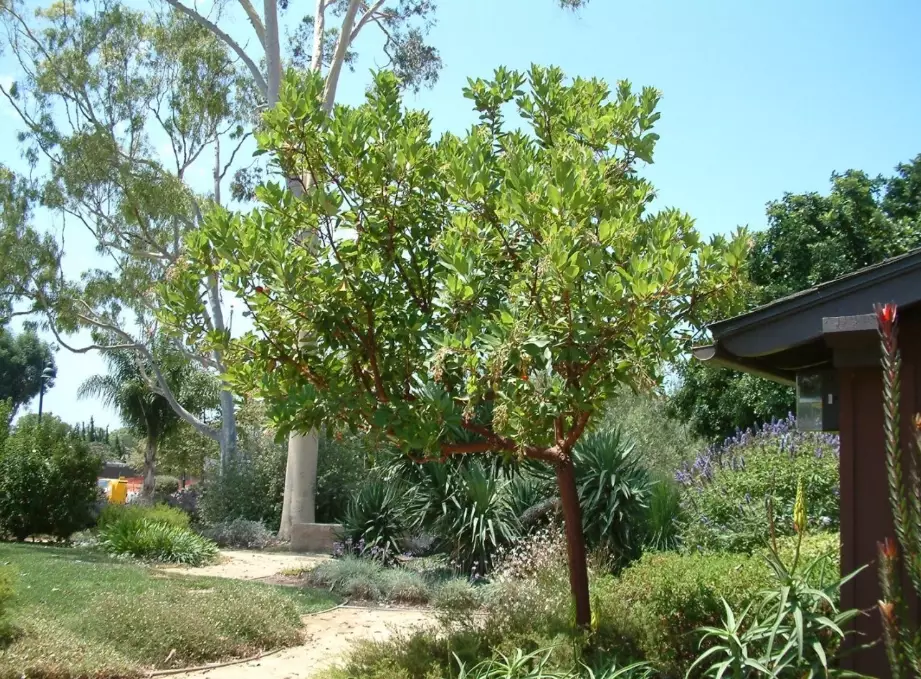
| Identification Feature | Description | Key Look-For |
|---|---|---|
| Bark | Peeling, papery sheets. Colors range from glossy red-green (young) to cinnamon-orange (mature), revealing pale green new bark. | Looks like the tree is shedding its skin. Smooth to the touch. |
| Leaves | Evergreen, leathery, oval. 3-6" long. Dark glossy green above, distinct pale whitish-green below. | Check the underside – the two-tone effect is unique. |
| Flowers | Drooping clusters of small, white, urn-shaped bells. Appear in spring. | Strong, sweet honey fragrance that attracts pollinators. |
| Fruit | Round, bumpy berries. Ripen from green to yellow to bright red in fall. | Often covered in birds in winter. Edible but gritty. |
| Growth Habit | Often multi-trunked. Branches can be twisted and picturesque. Crown is broad and rounded. | Frequently found on sunny, rocky slopes or bluffs near the coast. |
The Real Truth About Growing a Madrone Tree
This is where most articles get it wrong. They list the ideal conditions but don't explain the why or the consequences of deviation. Let's fix that.
Location is Everything: Madrones are adapted to specific, often harsh, sites. Think rocky, well-drained slopes, bluffs, and forest edges. They love full sun. Planting one in a low-lying, shady part of your garden is the fastest way to kill it. They need those breezes and sunlight to keep fungal issues at bay.
The Soil Secret: Forget rich, amended garden soil. Madrones thrive in poor, lean, fast-draining soil. Sandy or gravelly soils are perfect. They have a symbiotic relationship with mycorrhizal fungi in the soil that helps them extract nutrients. If you dump fertilizer, you can disrupt this relationship and chemically burn their roots. The soil pH should be slightly acidic to neutral.
The Watering Paradox: Here's a critical nuance everyone misses. While established madrones are famously drought-tolerant, young seedlings and saplings are not. They need consistent, deep but infrequent watering to establish their deep taproot for the first 2-4 summers. The key is excellent drainage. Water must never pool around the crown. After establishment, stop watering altogether unless there's an extreme multi-year drought. Summer irrigation of an established tree is a leading cause of death from root rot or fungal cankers.
To Plant or Not to Plant (From a Nursery): This is controversial. Many native plant experts, including myself, advise against planting container-grown madrones from standard nurseries. Why? The tree forms a sensitive, deep taproot early on. In a pot, this root becomes coiled and root-bound. When planted, it often fails to establish properly, leading to a stunted, stressed tree that dies in 5-10 years. If you must plant one, seek out a specialty native plant nursery that sells very young, small seedlings in deep pots, and transplant with extreme care to avoid disturbing the roots. A better bet? Propagate from seed collected locally.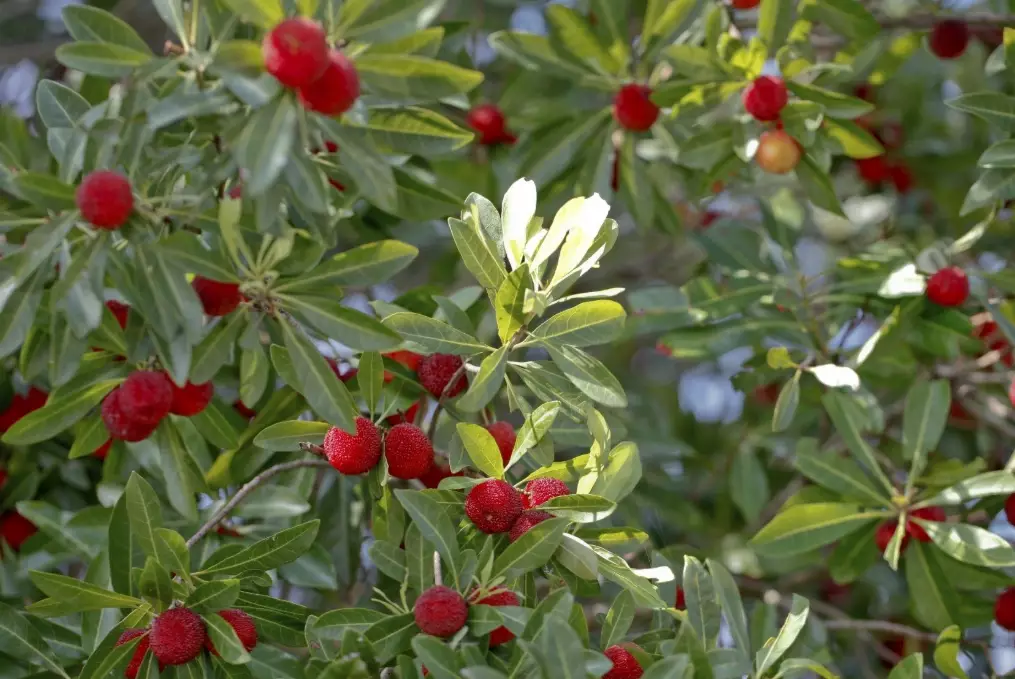
Solving Common Madrone Tree Problems
Madrones get a bad rap for being diseased. Usually, the disease is a symptom of a cultural problem.
- Leaf Spots and Blight (Fabraea leaf spot): You'll see black or brown spots on leaves, causing them to drop. This fungal disease is rampant in areas with summer rainfall or overhead irrigation. Solution: Improve air circulation, ensure the soil drains perfectly, and never water the foliage. Rake up and dispose of fallen leaves. Fungicides are rarely effective or necessary if the tree is in the right site.
- Cankers (Nattrassia mangiferae): These are sunken, dead areas on branches or the trunk, often oozing. They're a sign of severe stress, usually from waterlogged soil, root damage, or physical injury. Solution: Prune out affected branches well below the canker, sterilizing tools between cuts. The real fix is correcting the underlying stress—stop watering, improve drainage.
- Sudden Leaf Drop: Madrones naturally shed some older leaves in late summer/fall. A sudden, massive drop is a distress signal. Check for overwatering first, then for soil compaction or root damage.
Pruning is another pain point. Only prune in late fall or winter during dry weather to minimize disease entry. Remove dead, diseased, or crossing branches. Avoid heavy pruning or "topping"—it looks awful and stresses the tree.
Beyond the Garden: The Madrone's Ecological Role
Appreciating the madrone means looking past your own garden. It's a keystone species in its coastal forest habitat. Its flowers are a vital early spring nectar source for hummingbirds, bees, and other pollinators when little else is blooming. Its berries feed over 20 species of birds and mammals through the lean winter months. The peeling bark provides habitat for insects, which in turn feed birds. The tree is a pioneer on disturbed, rocky sites, helping to stabilize soil and create conditions for other plants to follow.
Its conservation status is currently stable, but it faces threats from habitat loss, sudden oak death (which can infect it), and climate change altering its coastal fog belt. Supporting local land trusts that preserve coastal bluffs and forests is one of the best ways to ensure madrones thrive for centuries.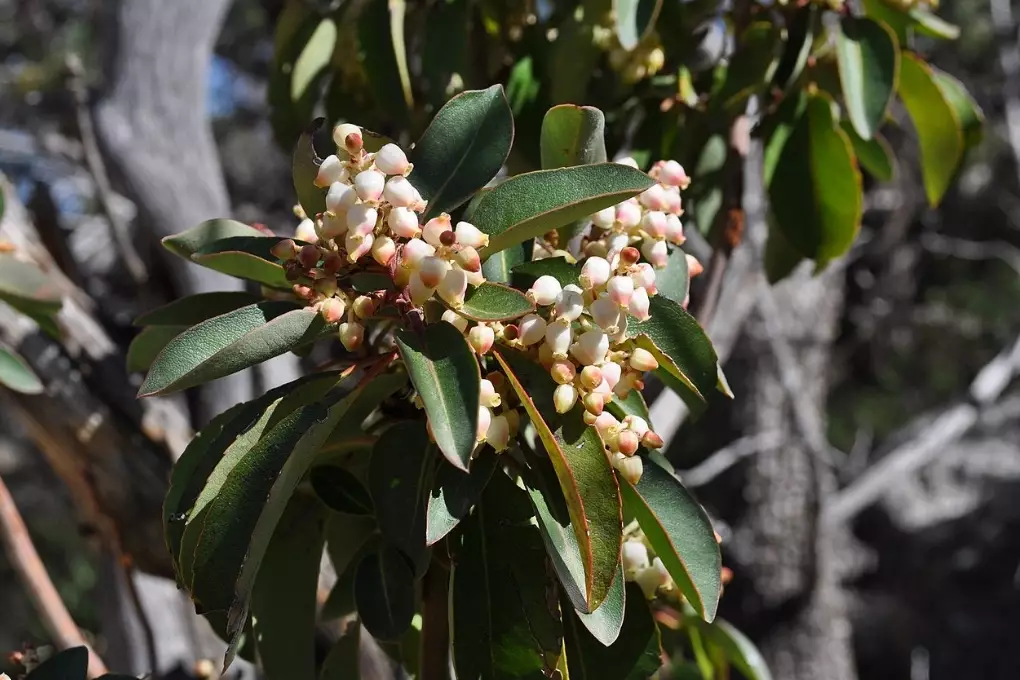
Your Madrone Tree Questions Answered
Why are the leaves on my madrone tree turning yellow and falling off in summer?
First, don't panic. Madrones naturally shed a portion of their older leaves in late summer and fall—it's their version of autumn color, just with leaves instead of needles. However, if the leaf drop is sudden, widespread, and accompanied by black spots, you're likely looking at Fabraea leaf blight, triggered by excess moisture on the leaves or poor air circulation. The fix isn't a spray; it's changing the environment. Ensure the tree isn't being hit by sprinklers and that there's good airflow around it.
Can I grow a madrone tree from the red berries I collected?
You can, but it requires patience and mimicking nature. The seeds inside the berry have a hard coat and need stratification. Here's a method that works: Mash the ripe berries, wash the seeds clean, and mix them with barely damp sand. Put the mix in a sealed plastic bag and place it in your refrigerator (not freezer) for 60-90 days. Then, sow them in a pot of very fast-draining, sandy mix. Don't bury them deep; just press them into the surface. Keep them in a bright spot and be prepared to wait several weeks for germination. Growing from seed is the most reliable way to get a tree adapted to your local conditions.
Is it true madrone trees are impossible to transplant successfully?
It's not impossible, but the success rate for transplanting any but the tiniest, youngest seedlings is very low. That deep, sensitive taproot is the issue. If you find a volunteer seedling on your property that you want to move, the best time is in late fall or early winter when the tree is dormant. Dig a deep hole, trying to get as much of the long root as possible without breaking it. Move it quickly, keep the rootball intact and moist, and replant it at the same depth in a similarly sunny, well-drained spot. Water it in well and then cross your fingers. Manage your expectations.
 My madrone is planted in my lawn. How can I save it?
This is the most common crisis scenario. Lawns are death zones for madrones due to frequent watering, fertilization, and soil compaction. To give it a fighting chance, you need to sever its relationship with the lawn immediately. Create a large mulch ring around the tree, at least out to the drip line. Remove the grass and apply 3-4 inches of coarse wood chips or arborist chips (keep mulch away from the trunk itself). This will stop lawn watering from soaking the root zone and improve soil structure. You must also instruct your lawn service to never fertilize near the tree. The tree may go through shock, but this gives it its only real chance.
Are there any companion plants that do well with madrone trees?
Yes, think of its native plant community. Underplant with other drought-tolerant, sun-loving natives that enjoy sharp drainage. Good choices include low-growing manzanitas (Arctostaphylos), California lilac (Ceanothus), Oregon sunshine (Eriophyllum lanatum), and native grasses like Idaho fescue. Avoid thirsty groundcovers like ivy or periwinkle. The goal is to create a plant community that thrives on neglect once established.
Reader Comments