In This Guide
- More Than Just Tobacco: What Exactly is Nicotiana?
- A Tour of the Best Nicotiana Varieties for Your Garden
- How to Grow Nicotiana Successfully: No Green Thumb Required
- Starting Nicotiana from Seed: It's Easier Than You Think
- Common Problems (and Simple Solutions)
- Designing with Nicotiana: Beyond the Basic Border
- Frequently Asked Questions (The Stuff You Actually Want to Know)
- Final Thoughts: Is Nicotiana Right for Your Garden?
You've probably seen them. Tall, elegant spires dotted with star-shaped flowers that seem to glow as the sun goes down. That's the magic of nicotiana. Often called flowering tobacco, these plants are a world away from their commercial cousin. I remember the first time I caught the scent of Nicotiana sylvestris on a summer evening – it was like someone had spilled a bottle of expensive perfume mixed with honey right there in the flower bed. I was hooked.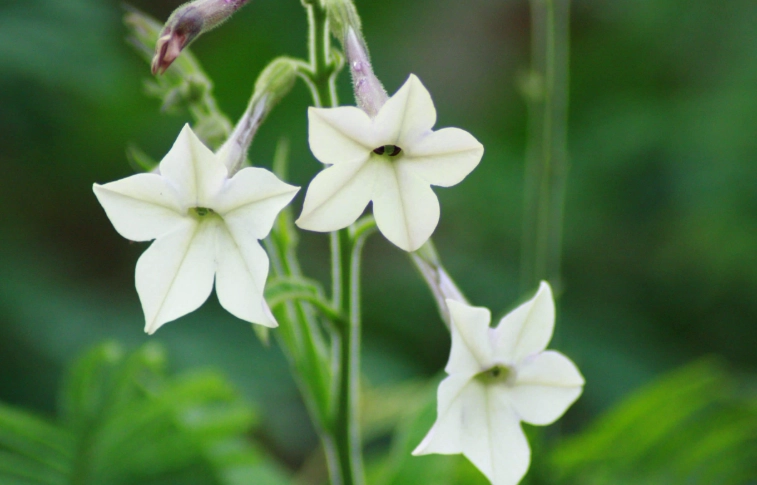
But here's the thing. A lot of gardeners see "tobacco" in the name and get nervous. Or they plant the wrong type in the wrong spot and wonder why it's all leggy and sad. I've made those mistakes myself. This guide is what I wish I'd had when I started. We're going to strip away the confusion and just talk about growing a beautiful, fragrant plant that might just become the highlight of your summer garden.
More Than Just Tobacco: What Exactly is Nicotiana?
Let's clear this up right away. When you hear "tobacco," you think of the stuff in cigarettes. That's Nicotiana tabacum. The plants we're talking about for gardens – Nicotiana alata, sylvestris, langsdorffii – are ornamental cousins. They're grown purely for their looks and their incredible scent. The nicotine content is still there (it's a natural insecticide for the plant), but we're not farming it. We're just enjoying the show.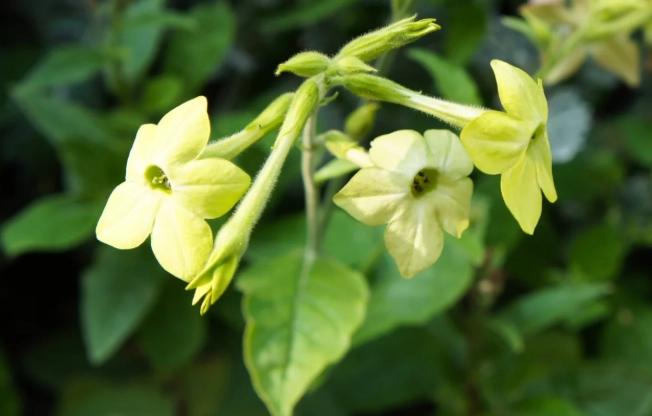
The real draw? Their evening performance. Most nicotiana varieties are what we call "night bloomers" or "vespertine." Their flowers open wide in the late afternoon and evening, releasing an intense, sweet fragrance designed to attract their prime pollinators: moths. Sphinx moths, to be precise. If you've ever sat in your garden at dusk and seen what looks like a small hummingbird darting from flower to flower, that's likely a sphinx moth visiting your nicotiana. It's a pretty cool thing to witness.
Honestly, some varieties can be a bit weedy if you don't keep an eye on them. They self-seed like crazy. But that's not always a bad thing – it means free plants next year. You just have to be the editor, pulling out the ones that pop up in awkward places.
A Tour of the Best Nicotiana Varieties for Your Garden
Not all nicotiana are created equal. Some are towering giants, perfect for the back of a border. Others are compact and neat, ideal for pots. Picking the right one makes all the difference. I've killed a few by putting a sun-lover in too much shade, or expecting a tender perennial to survive a hard freeze. Learn from my errors.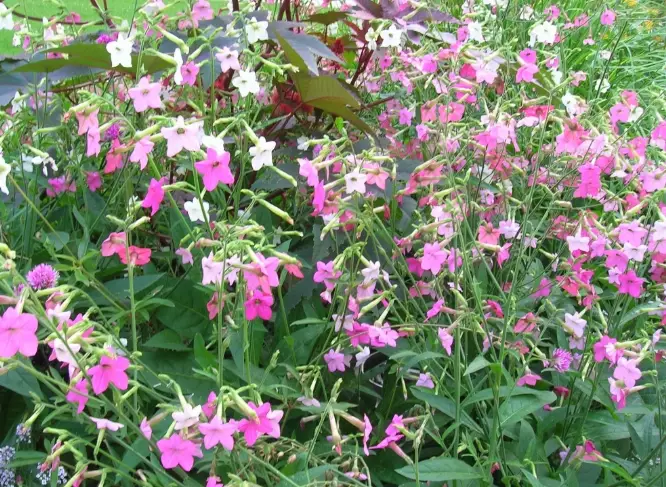
Here’s a breakdown of the stars of the nicotiana world. This table should help you pick the perfect candidate.
| Variety | Common Name | Height | Key Features & Color | Best For | My Personal Take |
|---|---|---|---|---|---|
| Nicotiana sylvestris | Woodland Tobacco, Flowering Tobacco | 4-5 ft | Massive, drooping leaves. Clusters of long, white, tubular flowers. Potent evening scent. | Back of borders, statement plant, moon gardens. | The queen of fragrance. Unbeatable for drama, but needs space and can look ragged by season's end. |
| Nicotiana alata (e.g., 'Perfume' series) | Jasmine Tobacco, Winged Tobacco | 18-30 in | Compact, bushy. Flowers in white, lime green, pink, crimson. Stays open longer during day. | Containers, front/mid border, cutting gardens. | Super reliable and floriferous. The 'Lime Green' variety is a designer favorite for arrangements. |
| Nicotiana langsdorffii | - | 4-5 ft | Airy, branching habit. Small, bell-shaped, luminous lime-green flowers. Minimal scent. | Adding light texture, cottage gardens, wildflower meadows. | Ethereal and beautiful, but the lack of scent is a letdown if that's what you're after. |
| Nicotiana mutabilis | Changing Tobacco | 3-4 ft | Flowers change color! Start white, fade to pink, then deep rose. All colors on plant at once. | Conversation piece, mid-border. | Incredibly cool visually. The color change is real and fascinating to watch over days. |
| Nicotiana x sanderae (e.g., 'Avalon' series) | - | 12-15 in | Dwarf, very early flowering. Large blooms in bright colors (pink, purple, white). | Edging, window boxes, mass planting. | Great for a big color punch in a small space. Not the strongest scent, but makes up for it in cheerfulness. |
See what I mean? There's a huge range. If you want a giant focal point, go for sylvestris. For pots on a patio where you sit in the evenings, the compact alata types are perfect. If you're more about visual texture than scent, langsdorffii is your plant.
How to Grow Nicotiana Successfully: No Green Thumb Required
Here's the good news: nicotiana is not fussy. It's actually quite forgiving. But hitting a few key points will turn an okay plant into a spectacular one.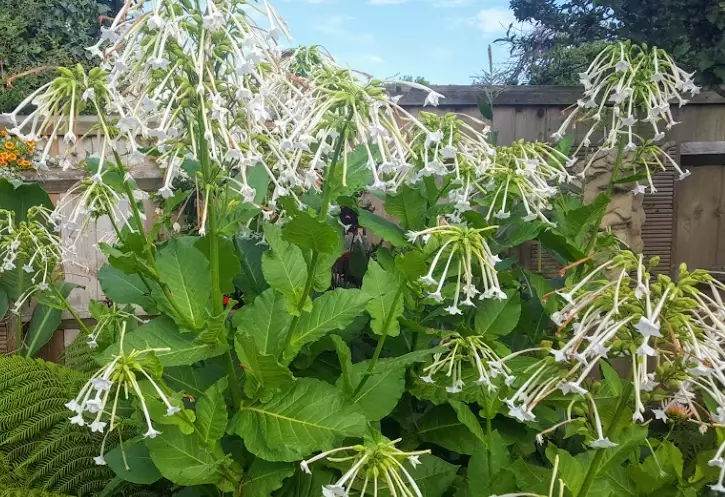
Sun, Soil, and the All-Important Location
Most nicotiana varieties want full sun to partial shade. In hotter climates (USDA zone 8 and above), a bit of afternoon shade can prevent them from wilting and looking miserable. They're not cactus. They like their roots to be in soil that's consistently moist but never, ever soggy. Think "well-drained" but not dry as a bone.
The soil itself doesn't need to be super rich. Average garden soil is fine. If you have heavy clay, amend it with some compost or leaf mold to improve drainage. If your soil is sandy and drains too fast, adding compost will help it hold a bit more moisture. The Royal Horticultural Society, a gold standard for gardening advice, notes that nicotiana plants generally thrive in any moderately fertile, moist but well-drained soil in sun or partial shade. You can't get much more straightforward than that.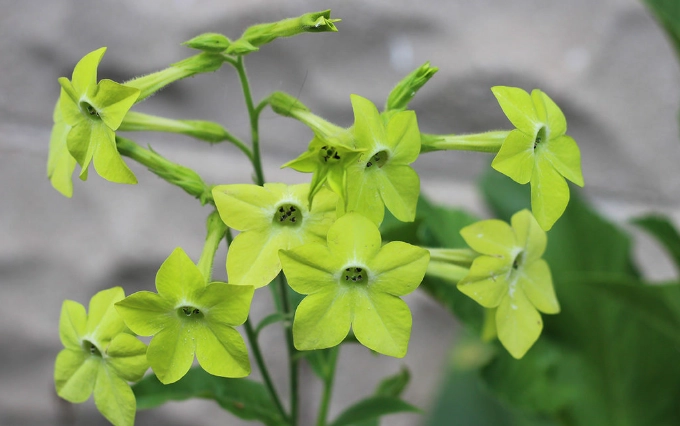
Where to plant them is crucial. This isn't a plant you hide away. Plant it where you'll enjoy it – near a patio, under a window you open at night, along a garden path you walk in the evening. Its value is in its evening scent and moth-attracting show, so place it accordingly.
The Watering and Feeding Balance
Don't let them dry out completely. A deep watering once or twice a week is better than a daily sprinkle. That encourages deeper roots. I stick my finger in the soil – if the top inch is dry, it's time to water.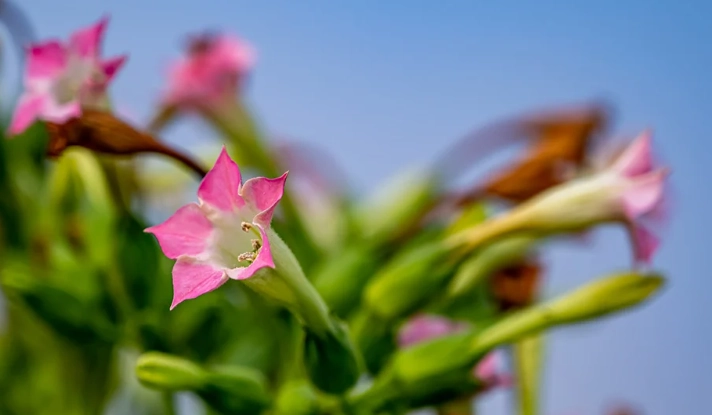
Feeding? They're not heavy feeders. A single application of a balanced, slow-release fertilizer when you plant them in the spring is usually enough for the whole season. If you're growing them in containers, you might give them a liquid feed every 3-4 weeks because nutrients leach out faster in pots. Over-fertilizing, especially with high-nitrogen formulas, will give you lots of lush leaves at the expense of flowers. And we're here for the flowers.
Deadheading and Pruning: The Secret to More Blooms
This is non-negotiable if you want a long season of flowers. As the individual trumpet-shaped flowers fade, snip them off. When a whole flower spike is done, cut the entire stem back to a set of leaves. This tells the plant, "Hey, you're not done yet," and it will send up new flowering shoots from the base.
For the really tall varieties like N. sylvestris, you might need to stake them if you're in a windy area. A single bamboo cane discreetly tied does the trick. I learned this the hard way after a summer storm flattened a gorgeous clump.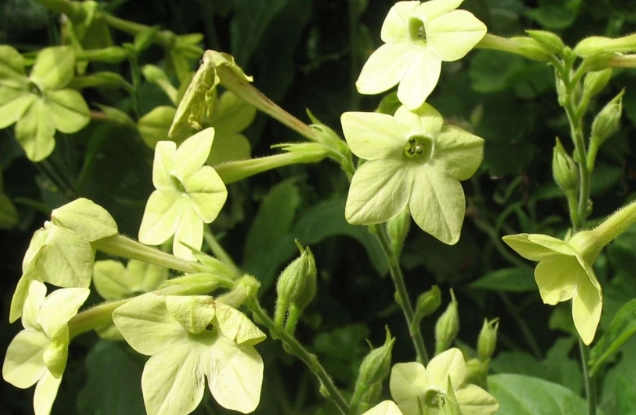
Starting Nicotiana from Seed: It's Easier Than You Think
You can buy plants at a nursery, but starting nicotiana from seed is incredibly easy and gives you access to many more varieties. The seeds are tiny – like dust. Don't bury them.
- When: Start seeds indoors 6-8 weeks before your last expected frost date. For most places, that's late winter to early spring.
- How: Sprinkle the seeds on top of moist, pre-watered seed starting mix. Do not cover them with soil – they need light to germinate. Just press them gently into the surface.
- Environment: Cover the tray with a clear plastic dome or plastic wrap to keep humidity high. Place it in a warm spot (70-75°F is ideal). A sunny windowsill works, but the top of the refrigerator is often perfectly warm.
- Germination: Seeds typically sprout in 10-20 days. As soon as you see green, remove the cover and get them under a grow light or in your brightest window.
- Growing On: When seedlings have their first set of true leaves, carefully prick them out and transplant into small individual pots. Keep them moist and grow them on in good light.
- Hardening Off: This is critical. About 7-10 days before you want to plant them outside, start taking the seedlings out for a few hours each day, gradually increasing their time outdoors and exposure to sun and wind. This toughens them up.
- Planting Out: After all danger of frost has passed, plant them in their final spots. Space them according to the variety's mature size.
And then? They often self-seed. You'll find little nicotiana seedlings popping up around the mother plant next spring. You can transplant these volunteers or just thin them out. It's free gardening.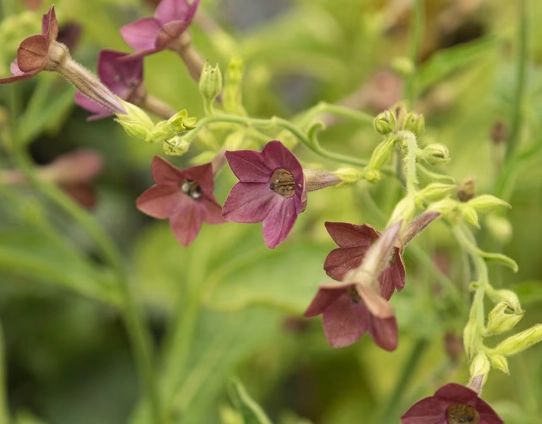
Common Problems (and Simple Solutions)
Nicotiana is pretty trouble-free, which is another reason to love it. But here are a few things to watch for.
- Aphids: Sometimes they find the succulent new growth. A strong blast of water from the hose usually knocks them off. If it's bad, insecticidal soap works.
- Slugs and Snails: The young seedlings are a delicacy. Use your preferred method – beer traps, iron phosphate pellets, nightly patrols with a flashlight.
- Leggy Growth/Not Flowering: This almost always means not enough sun. Move it if you can, or remember for next year.
- Yellowing Leaves: Could be overwatering (soggy soil) or under-watering (dry soil). Check the soil moisture first. It could also be a nutrient deficiency if the plant is in a pot and hasn't been fed all season.
The University of Florida IFAS Extension, a trusted resource for plant science, points out that while ornamental tobacco can be susceptible to some viral diseases and pests like aphids, they are generally considered low-maintenance and robust plants in the garden setting. Good air circulation (don't cram plants together) and avoiding overhead watering in the evening go a long way in preventing issues.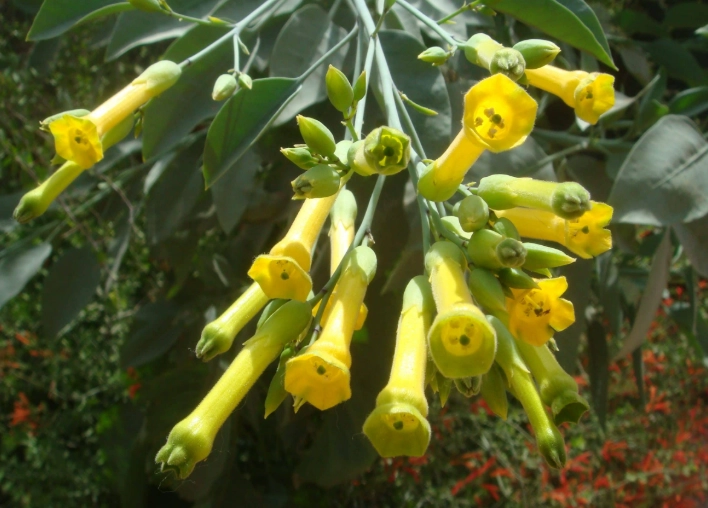
Honestly, the biggest "problem" I've had is the self-seeding. It's only a problem if you're a super-tidy gardener. I just pull out the ones I don't want and move the ones I do.
Designing with Nicotiana: Beyond the Basic Border
This is where it gets fun. Nicotiana isn't just a plant you stick in the ground. It's a design element.
The Moon Garden: This is a classic use. Combine white-flowered nicotiana (sylvestris, white alata) with other white or silver plants that reflect moonlight: white cosmos, dusty miller, lamb's ear, white phlox. Add night-scented stock (Matthiola longipetala) for an even more intense fragrance cocktail. It creates a magical, glowing space after dark.
Container Combos: The shorter varieties are fantastic in pots. Try a "thriller, filler, spiller" combo: a tall, lime-green Nicotiana alata 'Lime Green' as the thriller, some dark purple trailing verbena as the spiller, and silver dichondra as the filler. The color contrast is stunning.
Cottage Garden Chaos: Let tall nicotiana mingle with roses, foxgloves, and campanulas. Its informal, slightly wild habit fits right in. The flowers poking through other plants add vertical interest.
Wildlife Garden Star: If you want to support pollinators, nicotiana is a must. While it specializes in moths, I've also seen bumblebees visiting the flowers during the day, especially the more open varieties. It's a nectar source when many other flowers have closed up for the night.
One of my favorite combinations is Nicotiana sylvestris paired with the deep, velvety purple flowers of Salvia 'Amistad'. The height is similar, and the white and purple look regal together day and night.
Frequently Asked Questions (The Stuff You Actually Want to Know)
Final Thoughts: Is Nicotiana Right for Your Garden?
Look, it's not a plant for everyone. If you're a daytime-only gardener, you might miss its main event. If you need immaculate, tidy plants that never drop a seed, the self-seeding will drive you nuts.
But if you love spending time in your garden as the heat of the day fades, if you appreciate fragrance that stops you in your tracks, and if you enjoy watching the night shift of pollinators go about their work, then yes. Nicotiana is absolutely right for you. It's easy, it's generous with its flowers and its offspring, and it brings a layer of magic to the garden that few other plants can match.
Start with one of the easier ones. Grab a pack of Nicotiana alata 'Perfume White' seeds or a couple of plants from the nursery. Stick them in a sunny spot, keep them watered, and just wait for the first warm evening when the scent washes over you. You'll understand the obsession then. I certainly did.
And remember, gardening is about experimenting. Try a different variety next year. Move it to a new spot. Let it self-seed and see where it chooses to grow. Sometimes the best gardens are the ones where the plants have a little say in the matter, and nicotiana is a plant with plenty to say – especially after dark.
Reader Comments