Quick Guide
You know the feeling. You bring home a lovely green friend from the store, or maybe you inherit one from a friend moving away. It sits there on your shelf, beautiful but... anonymous. You want to care for it properly, but how can you when you don't even know its name? Is it a succulent that needs desert-like neglect, or a tropical diva that craves humidity? The struggle of names identifying house plants is real, and it's the first step to not becoming a serial plant killer. I've been there, trust me. I once watered a cactus like it was a peace lily. It was a sad, mushy end.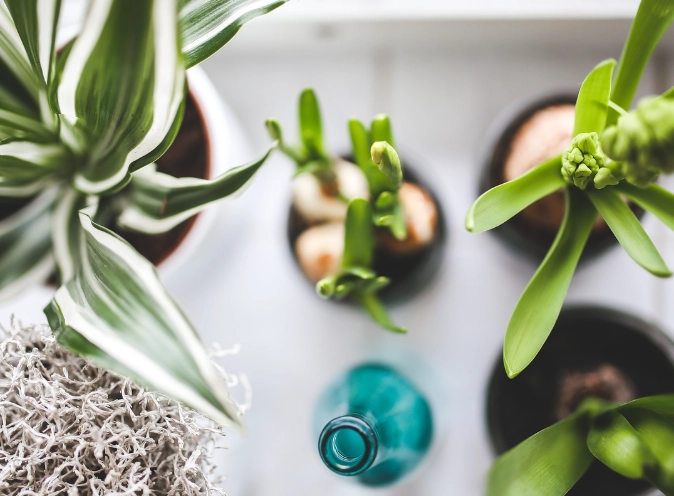
This guide is here to turn that mystery into mastery. We're going to move from "that pretty leafy one" to confidently calling your plants by their proper botanical or common names. We'll cover everything from simple, old-school visual detective work to using the latest smartphone wizardry. It's less about memorizing a textbook and more about learning how to look and where to look.
Why Bother Knowing Your Plant's Name Anyway?
It might seem like just a label, but putting a name to a face (or a leaf) is a game-changer. Think of it as the foundation of your entire plant-parenting relationship.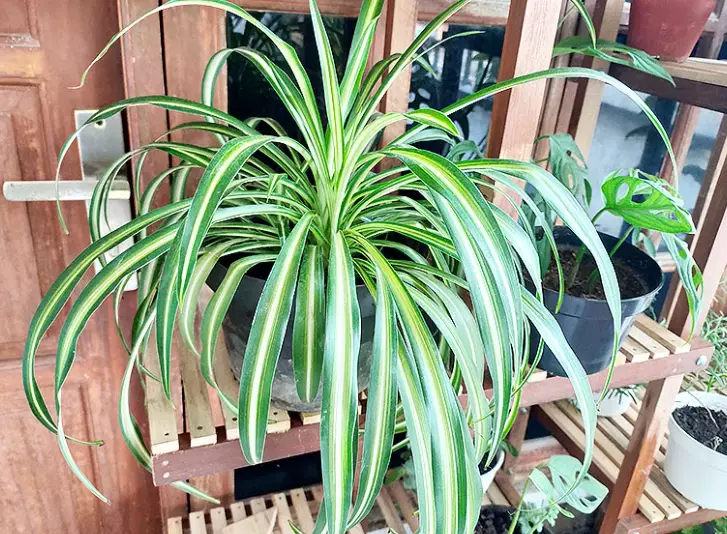
First off, it's all about health. The right name leads you directly to the right care instructions. Light, water, humidity, soil type, feeding schedule – all of it is tied to the plant's identity. Watering needs alone can vary wildly; a Snake Plant (Dracaena trifasciata, formerly Sansevieria) can forgive weeks of drought, while a Maidenhair Fern (Adiantum) will throw a dramatic fit if its soil dries out for a day.
Then there's safety. This is a big one, especially if you have curious pets or small children. Some stunningly beautiful houseplants, like certain lilies, Dieffenbachia (Dumb Cane), or Philodendron, are toxic. Knowing the name allows you to quickly check its safety profile on a reliable database like the ASPCA's Toxic and Non-Toxic Plants list. It's a crucial step for a safe home.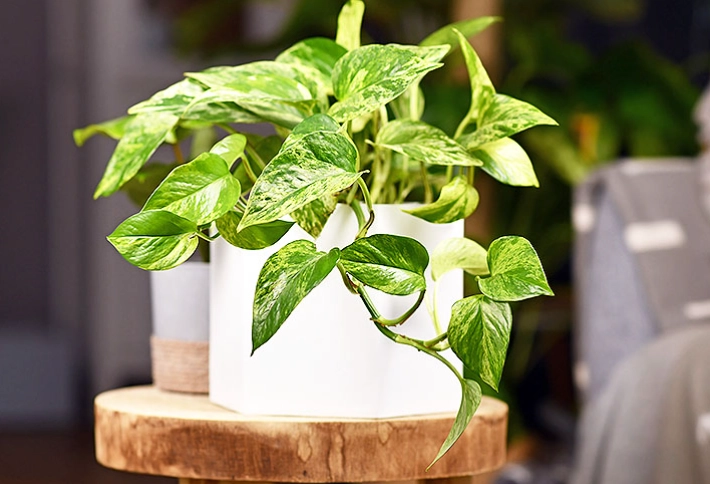
Finally, it connects you to a community. When you know you have a Monstera deliciosa and not just "a plant with holes," you can join specific care groups, troubleshoot problems accurately, and even swap cuttings with fellow enthusiasts. It transforms a hobby from solitary to social.
Becoming a Plant Detective: The Visual Identification Method
Before you reach for your phone, try using your eyes. This is the classic way of identifying house plants, and it sharpens your observation skills. Grab a notepad and start playing detective. Look at these key features:
Leaves: The Biggest Clue
Leaves are like plant fingerprints. Their shape is the first giveaway. Are they heart-shaped (like a Philodendron), long and strap-like (like a Spider Plant), or plump and rounded (like a Jade Plant)? Note the edges too – smooth, serrated, or even lobed like an Oak Leaf Fig.
Texture and pattern matter just as much. Is the leaf slick and waxy (Hoya), fuzzy and velvety (Purple Passion Plant), or does it have a distinctive pattern? Stripes, spots, and variegation (patches of white, yellow, or cream) are huge identifiers. The iconic stripes of a Snake Plant or the silvery patches on a Satin Pothos are dead giveaways.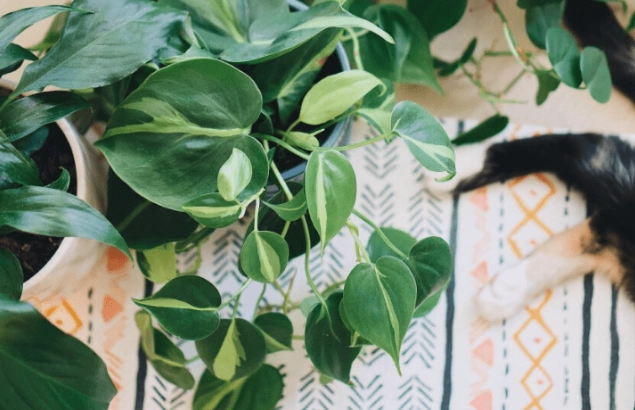
Color is obvious but important. Beyond standard green, look for deep purples (like an Oyster Plant), silvery blues (like some Echeveria succulents), or vibrant pinks (like a Pink Princess Philodendron).
Flowers, Growth Habit, and Stems
If your plant is flowering, you've hit the jackpot. Flower shape, color, and cluster formation are massive clues. A spathe and spadix (that hood-like structure) scream Araceae family (Peace Lily, Anthurium). Star-shaped clusters often point to Hoya or certain succulents.
How does the plant grow? Does it trail beautifully from a hanging basket (String of Pearls, Pothos), stand upright in a rosette (many succulents, Snake Plant), or climb using aerial roots (Monstera, Philodendron hederaceum)?
Don't ignore the stems. Are they thick and woody (Ficus), thin and vining (Tradescantia), or does the plant have a distinct central trunk (Ponytail Palm)?
Your Pocket Botanist: Using Plant Identification Apps
Let's be honest, we're not all walking encyclopedias. This is where technology becomes your best friend for house plant identification. You take a photo, and the app scours its database for matches. It's incredibly useful, but not all apps are created equal.
I've tested a bunch, and here’s the real-world lowdown on the most popular ones. They each have their own strengths and quirks.
| App Name | How It Works & Best For | My Personal Take & Limitations |
|---|---|---|
| PictureThis | Snap a photo, get an instant ID with high accuracy. Great for detailed care guides and problem diagnosis (pest/disease ID). | Probably the most accurate I've used for common houseplants. The free version gives you the ID, but it nags you to subscribe constantly. The care guides are top-notch though. |
| Pl@ntNet | Focuses on botanical/wild plants, but has a decent houseplant database. You often select the plant "organ" you photographed (leaf, flower, fruit). | It's a fantastic, free, non-profit project. I find it better for outdoor/garden plants than the full range of trendy houseplants. The interface is a bit more technical. |
| Google Lens | Built into Android cameras and the Google app on iOS. Just point and search. It uses Google's general image search database. | Surprisingly good and completely free. It's my first quick-check tool. However, it can sometimes pull up stock photos or similar-looking plants instead of the exact species. Great for a fast, free guess. |
| iNaturalist | Take a photo, and the app suggests IDs which are then confirmed by a community of naturalists and scientists. | This is more for the citizen scientist. The IDs can be very accurate once confirmed, but it's not instant. It's less about care and more about contributing to biodiversity data. Cool, but not the most practical for quick care advice. |
My usual strategy? I start with Google Lens for a quick, free idea. If I need more confidence or detailed care info, I'll cross-check with PictureThis.
Remember, apps are tools, not oracles. Always check the suggested ID against multiple photos online from trusted sources like the Missouri Botanical Garden's Plant Finder or the RHS Plant Finder. Look for a match on all those leaf and growth habit details we talked about.
A Handy Guide to Common House Plant Names and Faces
To get you started, here’s a rundown of some of the most common houseplants you're likely to encounter. Think of this as a visual cheat sheet for names identifying house plants.
The "I Can Survive Your Desk" Crew (Low-Light Tolerant)
Snake Plant (Dracaena trifasciata): The ultimate indestructible icon. Stiff, upright, sword-like leaves with green banding and yellow edges. Thrives on neglect, low light, and irregular watering. A perfect beginner plant.
ZZ Plant (Zamioculcas zamiifolia): Glossy, dark green, oval leaflets on arching stems. It looks tropical but is incredibly tough. Stores water in its potato-like rhizomes. Low light? No problem. Forget to water it for a month? It probably won't notice.
Pothos/Devil's Ivy (Epipremnum aureum): A fast-growing trailing vine with heart-shaped leaves. Comes in many varieties: golden yellow variegation (Golden Pothos), white variegation (Marble Queen), neon green (Neon Pothos). Forgiving and easy to propagate.
The Succulent & Crew (Sun-Lovers, Easy Waterers)
Jade Plant (Crassula ovata): Thick, woody stems with plump, oval, jade-green leaves. It looks like a miniature tree. Loves bright light and likes to dry out completely between waterings. A classic succulent.
Aloe Vera (Aloe barbadensis miller): A rosette of thick, fleshy, serrated leaves that contain the famous soothing gel. Needs bright, indirect light and very well-draining soil. Water deeply but infrequently.
Echeveria: The quintessential rosette-shaped succulent. They look like fleshy, colorful flowers (in shades of green, blue, pink, purple). They demand tons of direct sun to keep their compact shape and vibrant color, or they'll stretch out and become leggy.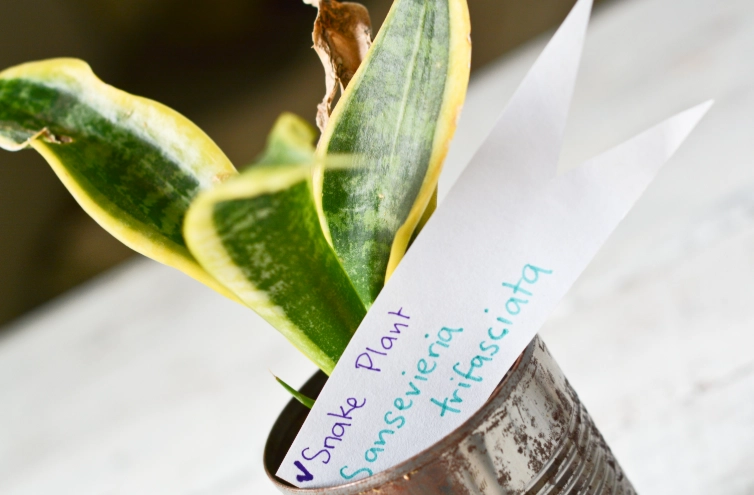
The Statement Makers (Large & Leafy)
Monstera Deliciosa: The "Swiss Cheese Plant." Huge, glossy, heart-shaped leaves that develop deep splits and holes (fenestrations) as they mature. A fast-growing climber that loves bright, indirect light. The poster child of the houseplant craze.
Fiddle Leaf Fig (Ficus lyrata): Tall, with large, violin-shaped leaves that are dark green and heavily veined. It's famous for being a bit fussy—it hates drafts, sudden moves, and inconsistent watering. Loves very bright, filtered light.
Rubber Plant (Ficus elastica): Large, thick, oval leaves with a shiny, almost rubbery texture. Comes in dark green or dramatic burgundy (Burgundy Rubber Tree). More forgiving than the Fiddle Leaf Fig, it enjoys bright, indirect light.
"The key to using a guide like this is to match the overall 'gestalt' of the plant—its size, leaf shape, and vibe—before getting lost in the minute details. Start broad, then narrow it down."
You've Got a Name! Now What?
Congratulations! You've successfully navigated the challenge of names identifying house plants. But the journey doesn't end there. Now you need to translate that name into action.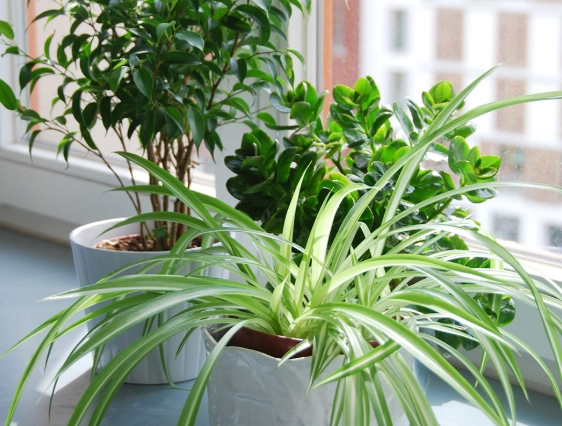
Your first stop should be a deep dive into its specific care needs. Don't just settle for "moderate light." What does that *mean*? East-facing window? A few feet back from a south window? Use your plant's name to search for detailed guides. I always recommend cross-referencing a few sources—a dedicated plant blog, a university extension website (like University of Minnesota Extension), and a care app. You'll start to see a consensus on its true needs.
Consider its origin story. Is it an understory plant from a tropical rainforest (like a Calathea)? That tells you it wants humidity, consistent moisture, and no direct sun. Is it from a arid, sunny region (like a cactus)? That tells you the complete opposite. Context is everything.
Finally, think about repotting. Was your plant labeled with a generic name like "assorted foliage"? Now that you know its true identity, you can get it into the right soil mix. A cactus needs gritty, fast-draining mix; an African Violet needs a light, airy one; an orchid needs a chunky bark mix. This is where proper identification pays off in long-term health.
Frequently Asked Questions on Plant Identification
The process of identifying house plants is a skill that gets better with practice. The more you look, the more you'll start to recognize plant families and patterns. You'll begin to see that most Philodendrons have a certain leaf sheath, or that many succulents have similar rosette shapes. It stops being a frustrating mystery and starts being a fun puzzle.
So grab that mystery plant on your windowsill and give these methods a try. Start with the leaves, snap a photo with an app, and cross-reference with this guide. You might be surprised how quickly you can go from clueless to confident. Happy identifying!
Reader Comments