Quick Navigation
- More Than Just a Pretty Face: What Helleborus Leaves Actually Do
- Getting It Right From the Start: Planting for Perfect Leaves
- When Things Go Wrong: Decoding Problems with Helleborus Leaves
- Beyond the Problems: Creative Uses for Helleborus Leaves
- The Safety Talk: A Necessary Word of Caution
- Your Helleborus Leaves Questions, Answered
Let's talk about helleborus leaves. If you're like me, you probably fell for the flowers first—those stunning, rose-like blooms that brave the winter cold. But spend a little time with these plants, and you'll realize the foliage is the real workhorse. It's there all year, setting the stage, soaking up the sun, and sometimes giving you a real headache when things go wrong. I've killed a few hellebores in my time, mostly by not paying enough attention to what their leaves were trying to tell me.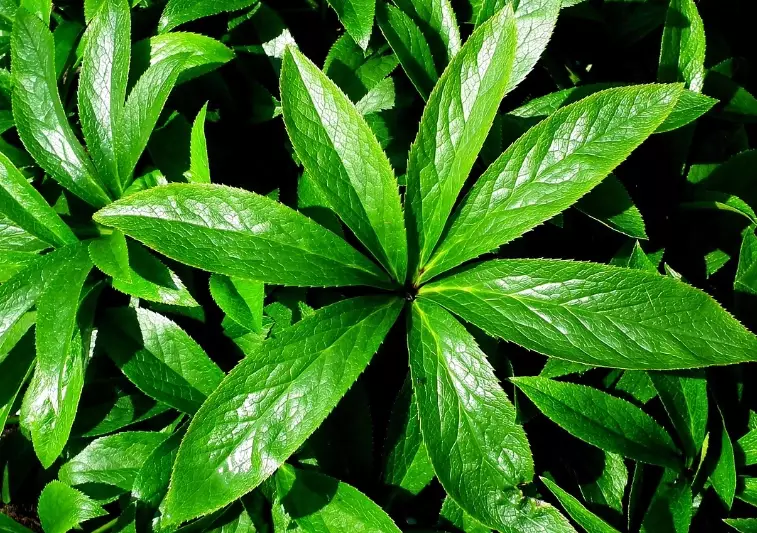
This guide is what I wish I'd had back then. We're going to move past the pretty pictures and dive deep into the practical, sometimes messy, world of helleborus leaves. From why they're the plant's powerhouse to why they suddenly look like they've been through a battle, we'll cover it all. Whether you're a seasoned gardener or just planted your first Helleborus niger (Christmas Rose), understanding the leaves is your key to success.
More Than Just a Pretty Face: What Helleborus Leaves Actually Do
You might think the flowers are the main event. In winter, they absolutely are. But for the plant's survival, the leaves are the undisputed champions. Most hellebores are evergreen or semi-evergreen in milder climates. That means while other plants are bare, the hellebore's leathery, deep-green leaves are busy photosynthesizing. They're building up energy reserves during the cooler, wetter months—energy that gets stored in the roots and used to produce those incredible flowers later.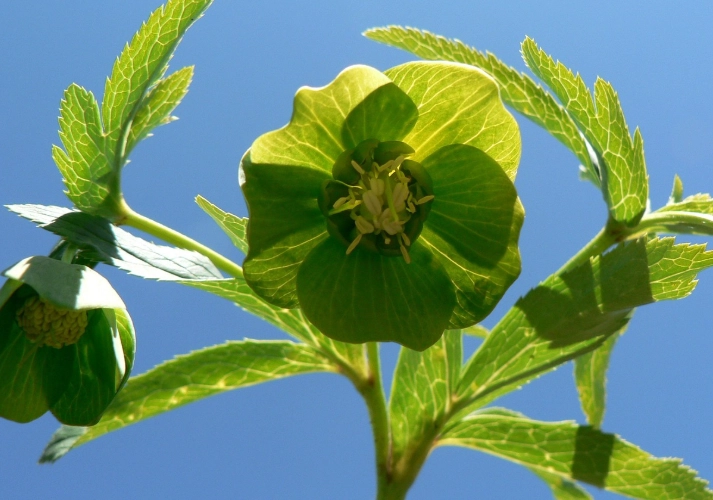
The structure of helleborus leaves is a marvel of adaptation. They're typically palmate, meaning the leaflets radiate out from a central point like fingers on a hand (think of a maple leaf, but tougher). This isn't just for looks. This shape allows water to shed easily, preventing fungal spores from settling in. The texture is key, too. That leathery, almost waxy feel isn't just pleasant to touch; it's a barrier. It helps reduce water loss and makes the leaf less appetizing to many common pests. It's a tough leaf for a tough plant.
The Lifecycle of a Hellebore Leaf: A Year in Review
Understanding the rhythm of helleborus leaves helps you care for them better. It's not a static green blob; it has seasons.
- Spring (Post-Bloom): This is a big growth period. After flowering, the plant often pushes out a new flush of foliage. These new helleborus leaves are usually brighter green and more tender. They'll harden off as summer approaches.
- Summer: The leaves are in maintenance mode. Their job is to endure the heat (hopefully from a shady spot) and continue feeding the plant. Older leaves from previous years might start to look tired, spotted, or ragged.
- Autumn: This is prime time for many hellebores. As temperatures cool, the plant revs up again. You might see more new growth, and the existing foliage often looks its best—lush and deep green.
- Winter: The leaves become the plant's winter coat. They protect the crown and emerging flower buds from frost. In very cold winters, foliage may wilt or lie flat but often recovers as it thaws.
So when is the right time to cut back helleborus leaves? This is a hot topic. The old advice was to cut all foliage to the ground in late winter to make the flowers more visible and prevent disease. Many modern gardeners, myself included, think this is overly harsh and stressful for the plant. It removes its primary energy source just as it's trying to bloom.
Getting It Right From the Start: Planting for Perfect Leaves
Most problems with helleborus leaves can be traced back to a poor start. Get the planting conditions right, and you'll avoid 80% of the headaches.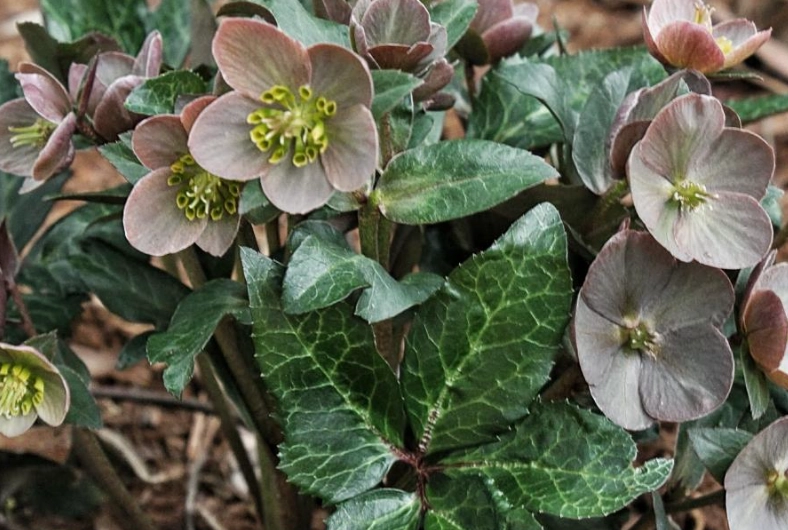
The Non-Negotiables: Soil and Shade
If I had to pick the two most critical factors for healthy helleborus leaves, it would be these.
Soil: Hellebores despise sitting in wet, soggy soil, especially in winter. Their roots will rot. But they also don't want to bake dry in summer. The sweet spot is moist but well-drained, humus-rich soil. Think of the forest floor. If you have heavy clay, you must improve drainage. Dig a much wider hole than you need, mix in plenty of well-rotted leaf mold or compost, and consider planting on a slight mound. Sandy soil needs the opposite treatment—load it up with organic matter to help it retain moisture.
Shade: This is where many gardeners, including my past self, get it wrong. "Partial shade" on a plant tag is vague. For hellebores, especially the fancy Oriental hybrids (Helleborus x hybridus), ideal conditions are dappled shade under deciduous trees or a spot that gets morning sun only. The intense afternoon sun in summer will scorch the leaves, leaving them with bleached, brown patches. The leaves literally cook. A north or east-facing aspect is often perfect.
A Quick-Reference Planting Table
| Condition | What Helleborus Leaves Love | What Makes Them Suffer |
|---|---|---|
| Light | Dappled shade, morning sun, bright open shade. | Hot afternoon sun, deep dense shade. |
| Soil Type | Moist, well-drained, rich in organic matter (leaf mold is gold). | Heavy, waterlogged clay; dry, impoverished sand. |
| Soil pH | Neutral to slightly alkaline. They tolerate a range but thrive with a bit of lime. | Extremely acidic soil (add garden lime if needed). |
| Watering | Deep, occasional watering in dry spells. Consistent moisture in spring/autumn. | Frequent light sprinkling (encourages shallow roots), drought in summer. |
| Feeding | A top-dressing of compost in autumn. A light, balanced feed in spring. | Heavy doses of high-nitrogen fertilizer (leads to soft, pest-prone growth). |
When Things Go Wrong: Decoding Problems with Helleborus Leaves
Okay, let's get into the nitty-gritty. Your helleborus leaves are sending you a signal. Here’s how to translate it.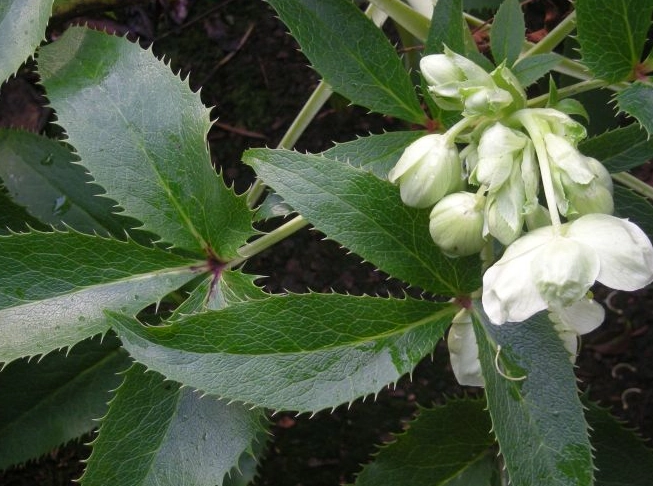
The Dreaded Black Spots (Hellebore Leaf Spot)
This is the number one complaint. You see small, blackish-brown spots that sometimes have a concentric ring pattern. They can spread, merge, and make the leaves look awful. It's usually caused by the fungus Microsphaeropsis hellebori.
First, don't panic. A few spots are cosmetic and won't kill the plant. It's often worse in wet, humid springs or in crowded gardens with poor air circulation.
What to do:
- Sanitation is key. In autumn and again in late winter, carefully remove and destroy (don't compost) any badly affected leaves. This removes the spores that would otherwise overwinter.
- Improve air flow. Thin out surrounding plants if your hellebore is crammed in.
- Water the soil, not the leaves. Use a soaker hose or water at the base to keep the foliage dry.
- Consider fungicide as a last resort. For a severe, recurring case, you might use a fungicide labeled for ornamental plants in early spring as new growth emerges. But honestly, good hygiene often solves it.
I find some varieties are more prone to it than others. My older, unnamed pink hybrid gets it every year, while my 'Anna's Red' nearby stays almost clean. Go figure.
Yellowing Leaves: It's Not Always One Thing
Yellow helleborus leaves can mean several things, and you need to play detective.
- Natural Aging: The oldest leaves, typically the big ones from last year, will yellow and die back as new leaves emerge. This is normal. Just snip them off.
- Overwatering / Poor Drainage: If many leaves are yellowing, especially newer ones, and the soil feels soggy, you have a drainage issue. This is serious and can lead to root rot.
- Nutrient Deficiency: Pale yellow leaves all over might indicate a lack of nitrogen or an iron deficiency (especially in alkaline soils). A top-dressing of compost or a light feed with a balanced fertilizer can help.
- Too Much Sun: Scorched leaves often turn yellow or bleached before developing brown, crispy edges.
Other Leafy Issues: Aphids, Snails, and That Weird Floppy Look
Aphids: They love the succulent new growth and flower buds in spring. They cluster on the undersides of leaves and stems, sucking sap and excreting sticky honeydew. A strong blast of water from the hose is often enough to dislodge them. Encourage ladybugs and lacewings—they're aphid assassins.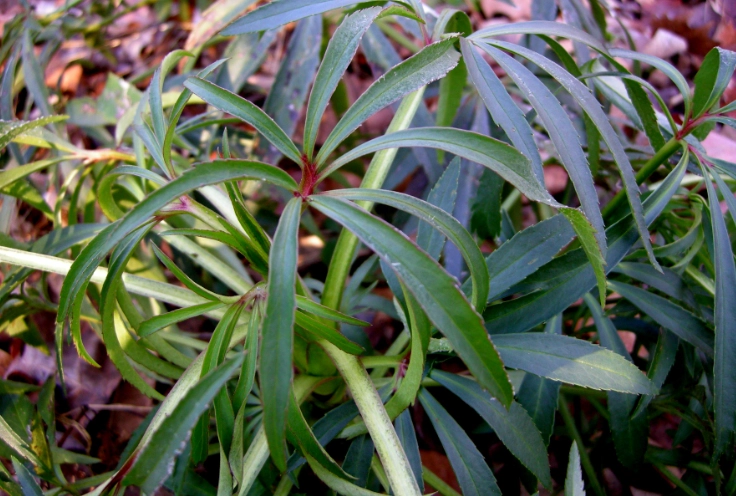
Snails and Slugs: They'll chew ragged holes in the leaves, especially in damp weather. I'm not a fan of most pellets, as they can harm other wildlife. Beer traps, copper tape, or going out with a flashlight after rain are more eco-friendly options. The tough, mature helleborus leaves are usually less appealing to them.
Floppy, Limp Leaves in Winter: Don't worry! This is a classic hellebore trick. In a hard freeze, the leaves and even flower stems may collapse dramatically. It looks dead. But it's just a protective mechanism to reduce exposed surface area. Once temperatures rise above freezing, they often perk right back up. It's incredible to watch.
Beyond the Problems: Creative Uses for Helleborus Leaves
Once you have a healthy plant, those beautiful leaves can be more than just background greenery.
Winter Garden Structure: In the bleak winter garden, a clump of hellebores provides essential evergreen structure and texture. The leaves hold up surprisingly well against frost and light snow, adding a touch of elegance when everything else is dormant.
Compost Gold: When you do cut back old, healthy (but disease-free) helleborus leaves, don't just throw them away. Chop them up a bit and add them to your compost pile. They are a great source of carbon ("browns") and break down over time, enriching your garden's cycle.
The Safety Talk: A Necessary Word of Caution
I'd be remiss not to mention this. All parts of the hellebore plant, including the leaves, are toxic if ingested. They contain compounds that can cause serious gastrointestinal and cardiac issues. The American Society for the Prevention of Cruelty to Animals (ASPCA) lists hellebores as toxic to dogs, cats, and horses.
This doesn't mean you shouldn't grow them. It means be sensible.
- Wear gloves when handling or cutting back large amounts to avoid skin irritation from the sap.
- Wash your hands afterwards.
- Don't plant them where curious pets or small children who might put leaves in their mouths have easy access.
- Never use helleborus leaves as a garnish or in any culinary context.
It's a beautiful plant with a defensive side. Respect it, and you'll have no problems.
Your Helleborus Leaves Questions, Answered
I get asked these all the time, so let's tackle them head-on.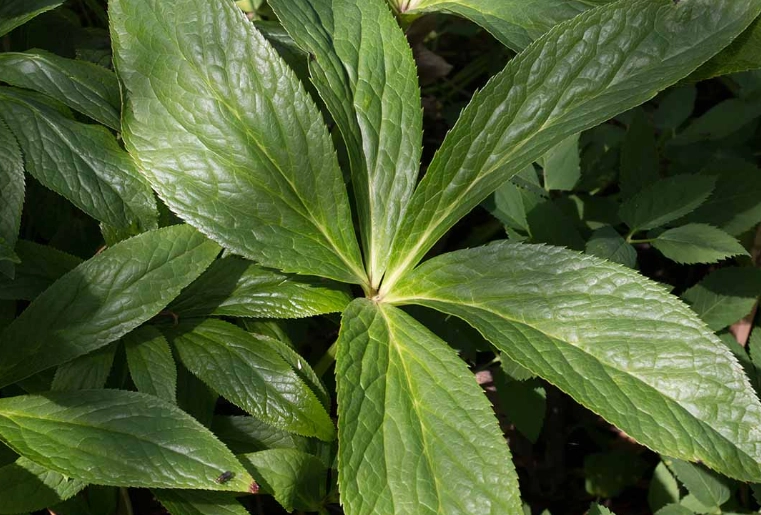
Should I cut off all the old leaves in winter?
As I mentioned earlier, I don't recommend a wholesale chop. It stresses the plant and removes its winter protection. Be selective. Remove the worst, keep the best. The Missouri Botanical Garden's extensive plant database is a fantastic resource for understanding the natural lifecycle of plants like hellebores, which supports this less-invasive approach.
Why are my new helleborus leaves so small?
This usually points to a lack of resources. The plant might be struggling with poor soil, insufficient water during dry periods, or it might need dividing if it's a very old, congested clump. Feed it with compost and ensure consistent moisture during growth periods.
Can I grow hellebores for their leaves alone?
Absolutely! Some species, like Helleborus foetidus (the stinking hellebore), are grown almost primarily for their fabulous, finely-divided, dark green foliage that looks almost like a fern. The flowers are interesting but subtle. The leaves are the star.
Is it okay if the leaves get snowed on?
Yes! Snow often acts as an insulating blanket, protecting the crown and buds from colder air temperatures. The leaves may flatten but will usually recover. It's prolonged freezing rain or heavy ice that can cause more physical damage.
What's the best mulch for hellebores?
Shredded leaf mold is the absolute winner. It mimics their natural forest floor habitat, retains moisture, suppresses weeds, and breaks down to feed the soil exactly how they like it. Apply a 2-3 inch layer in autumn, keeping it away from the crown of the plant.
So there you have it. Helleborus leaves are not just a backdrop. They're the resilient, hard-working heart of the plant. Pay attention to them, learn their language—the spots, the colors, the textures—and you'll unlock the secret to growing not just a hellebore that survives, but one that thrives for years, becoming a cherished part of your winter garden. It's a relationship worth building, one leaf at a time.