Quick Guide
Let's be honest. Gardening in the shade can feel like a constant compromise. You want color, you want life, but the sun just isn't cooperating. That's where two absolute champions of the shadowy realms come in: impatiens and begonias.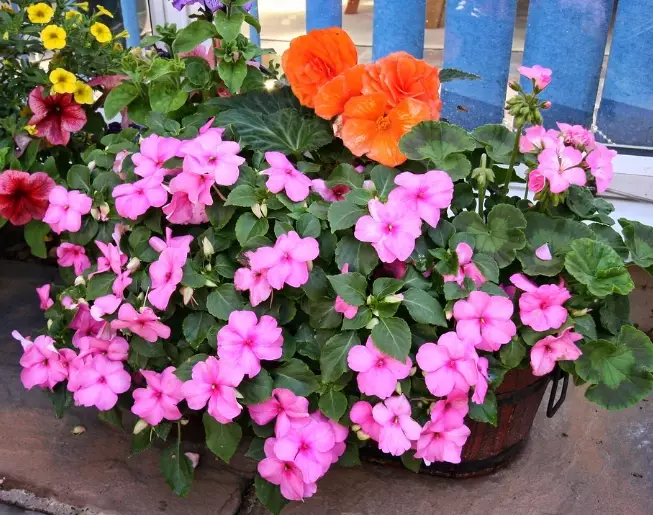
I've lost count of the times I've stood in the garden center, a flat of impatiens in one hand and a flat of begonias in the other, utterly paralyzed. They both promise to solve my dark corner dilemmas. But they're so different! It's like choosing between a reliable sedan and a quirky, stylish hatchback. Both get you where you need to go, but the experience is worlds apart.
This guide is the result of my own trial and error, a lot of reading, and more than a few conversations with fellow shade-garden strugglers. We're going to dig deep, beyond the basic plant tags, and figure out which one truly deserves a spot in your garden. Is it the classic, prolific impatiens, or the tough, textural begonia?
Getting to Know the Contenders
Before we pit them against each other, let's meet our stars properly. Knowing their background helps explain why they act the way they do in your garden.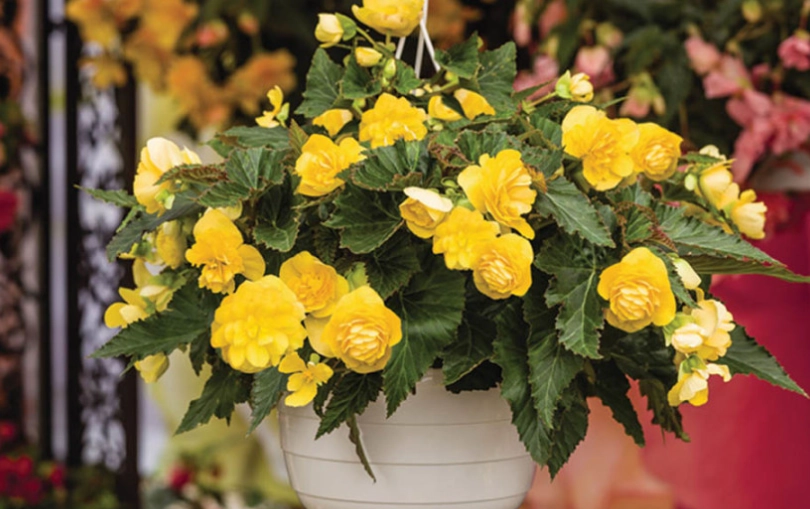
Impatiens: The People-Pleaser
Impatiens walleriana, often called busy Lizzies, are the quintessential shade annual. For decades, they were the go-to. Why? Because they're ridiculously easy to please. Pop them in some decent soil, keep them watered, and they'll reward you with a non-stop fireworks display of blooms from late spring straight through to frost. They have a soft, succulent stem and simple, bright green leaves that form a perfect mound, completely smothered in flowers.
Their charm is in their abundance. There's no subtlety here. It's pure, joyful color. You can find them in just about every shade except true blue and yellow. Coral, salmon, violet, pink, white, red, and even bicolors. The New Guinea impatiens are a tougher, sun-tolerant cousin with more striking, variegated foliage, but they lack the sheer flower power of the classic types.
The big, modern twist? The rise of downy mildew-resistant varieties like the Beacon or Imara XDR series. This was a game-changer after the disease nearly wiped out standard impatiens in the early 2010s. It's a major point to consider.
Begonias: The Tough Beauties
Begonias are a massive family, but when we talk about bedding begonias to rival impatiens, we're usually focusing on two types: wax begonias (Begonia semperflorens) and tuberous begonias.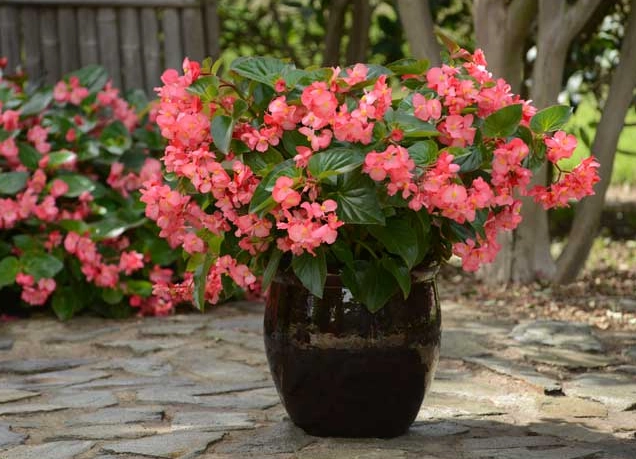
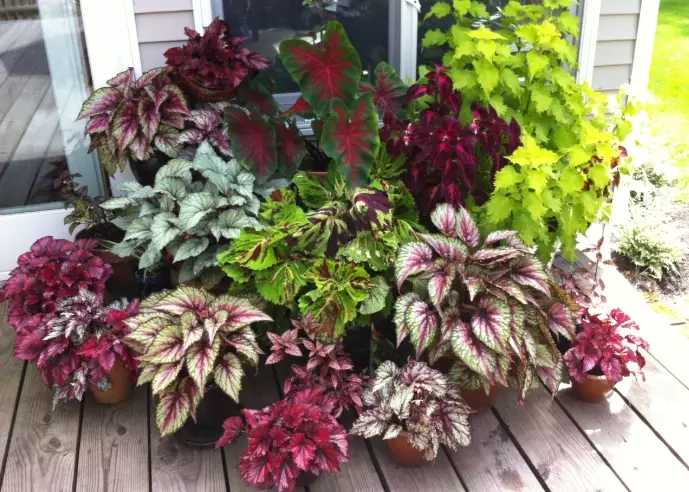
Wax begonias are the workhorses. They have glossy, rounded leaves that can be lush green or a stunning bronze-red, and their flowers, while smaller than impatiens, are constant and waxy-looking (hence the name). They feel sturdier. Less delicate. The foliage is a huge part of their appeal, offering visual interest even when between blooms.
Tuberous begonias are the divas. They produce enormous, rose-like blooms in breathtaking colors. They're typically grown in hanging baskets or containers because they demand perfect drainage and a bit more babying. But my goodness, the payoff.
Begonias have a secret weapon: drought tolerance. Those fleshy leaves and stems store water, so if you forget a watering or two, they'll forgive you. Impatiens? They'll wilt dramatically to let you know you've failed them.
Side-by-Side: The Nitty-Gritty Comparison
Okay, let's break this down into a format that's easy to digest. Here’s where the rubber meets the road for your garden planning.
| Feature | Impatiens (Standard) | Wax Begonias |
|---|---|---|
| Light Needs | Full to Part Shade. Burns in hot afternoon sun. | Part Shade to Full Sun. Bronze-leaf types handle sun better. |
| Water Needs | High. Consistent moisture is key. Wilts easily. | Moderate. Tolerates some dryness. Overwatering is a bigger risk. |
| Flower Power | Exceptional. Massive, continuous bloom cover. | Constant but more modest. Foliage is a major feature. |
| Foliage Interest | Low. Simple green leaves, mostly hidden by blooms. | High. Glossy green or beautiful bronze/red leaves. |
| Disease Issues | High risk for Impatiens Downy Mildew (choose resistant varieties!). | Generally very disease-resistant. Few common major issues. |
| Heat Tolerance | Can struggle in extreme, humid heat. | Excellent. Thrives in summer heat. |
| Overall Look | Lush, soft, overflowing mound of color. | Neat, tidy, structured mound with colorful accents. |
See what I mean? Different tools for different jobs.
If your main goal is a shock of pure, unadulterated color in a reliably moist, shady bed, modern downy-mildew-resistant impatiens are still a fantastic choice. They create that classic, cottage-garden feel instantly.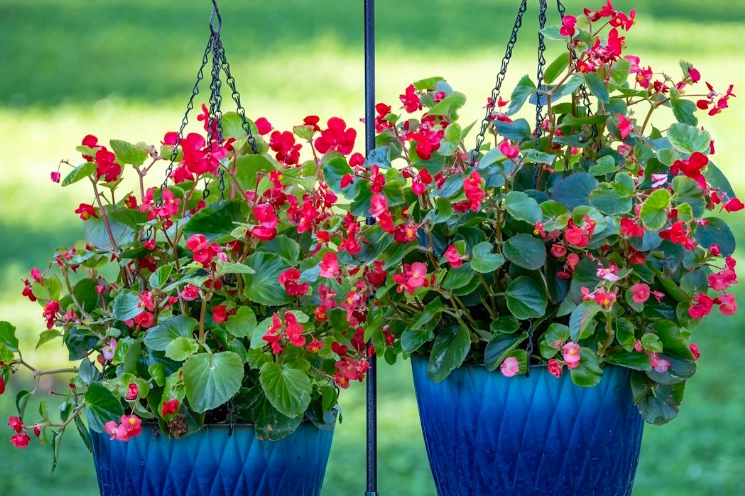
But if your shade is dry under a tree, or you get blistering hot summers, or you just hate the anxiety of a disease wiping out your planting, begonias start looking really, really good. Their toughness is a major selling point.
Planting and Care: Setting Them Up for Success
You've made your choice. Now, how do you make sure your impatiens and begonias don't just survive, but thrive? The basics are similar, but the devil's in the details.
Soil and Planting
Both appreciate good, well-draining soil rich in organic matter. I always mix in a few handfuls of compost into the planting hole. That's non-negotiable for me.
Spacing is crucial. Crowding plants is asking for trouble—poor air circulation encourages disease. For impatiens, I give them a good 8-10 inches apart. They fill in fast. Wax begonias can be planted a tad closer, say 6-8 inches, as they grow more upright and compact.
The Watering Balancing Act
This is where their personalities really diverge.
Impatiens are thirsty. Their shallow roots need consistent moisture. The goal is damp, not soggy. Water at the base in the morning so leaves dry quickly, preventing fungal issues. A soaker hose or drip irrigation on a timer is their best friend. If they wilt, water them immediately—they usually bounce back.
Begonias prefer to dry out slightly between waterings. Stick your finger in the soil. If the top inch is dry, it's time. Overwatering is the fastest way to kill a begonia (root rot). Their succulent nature means they're built for occasional neglect. In hanging baskets, they dry out faster, so check them more often.
To Feed or Not to Feed?
Both benefit from feeding, but they're not heavy feeders. A balanced, water-soluble fertilizer (like a 10-10-10) every 3-4 weeks is plenty. Or, use a slow-release granular fertilizer mixed into the soil at planting time. That's what I do—one less chore to remember.
Over-fertilizing, especially with high-nitrogen formulas, will give you lots of lush green leaves on your impatiens and begonias at the expense of flowers. We want blooms!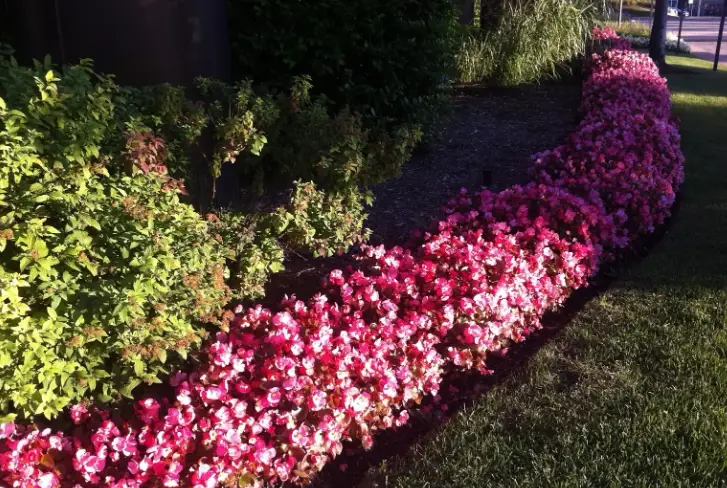
Design Ideas: Using Them in Your Garden
This is the fun part. How do you make these plants sing?
For a monochromatic carpet, nothing beats a mass planting of a single impatiens color. A swath of pure white impatiens in deep shade is luminous. It's simple, powerful, and low-effort.
Begonias, with their structured form, are perfect for edging a pathway or defining a garden bed. The bronze-leaf varieties look incredible paired with silver foliage plants like dusty miller or artemisia.
Why choose? Combine them! I love using white wax begonias as a "spacer" or filler between clumps of vibrant pink or coral impatiens. The begonia's glossy leaves make the impatiens colors pop even more, and if the impatiens have a bad year, the begonias still hold the design together.
For containers, it's a playground. A large pot with a central, bold tuberous begonia, surrounded by a skirt of trailing white impatiens? Stunning. Or mix wax begonias and New Guinea impatiens for a sun-tolerant, textured thriller-filler-spiller combo.
Solving Common Problems (Before They Start)
Even with the best care, things can go sideways. Here's what to watch for.
Impatiens Downy Mildew: We've covered it. Yellow stippled leaves, white fuzz underneath, defoliation. Prevention is key: resistant varieties, morning watering, good air flow. If you see it, pull the plants immediately, bag them, and throw them away. Don't compost.
Botrytis Blight (Gray Mold): Affects both, especially in cool, wet weather. Looks like gray, fuzzy mold on flowers and leaves. Improve air circulation, avoid overhead watering, remove dead flowers and leaves promptly.
Slugs and Snails: They adore the tender leaves of young impatiens and begonias. Beer traps, iron phosphate-based baits (pet-safe), or late-night patrols with a flashlight are your defenses.
Leggy Growth: Usually means not enough light. Both will stretch toward the light. Pinch back impatiens regularly to encourage bushiness. For begonias, you might need to relocate them to a brighter spot.
Most problems stem from three things: too much water, too little air, or the wrong plant for the spot.
Your Questions, Answered
I get asked these all the time. Let's clear them up.
The Final Verdict
So, after all this, which is the "best" flower, impatiens or begonias?
The unsatisfying but true answer is: it depends entirely on your garden's personality and your own gardening style.
Choose Impatiens if: Your primary goal is maximum flower color in shade, you have reliably moist soil or don't mind frequent watering, you commit to buying downy-mildew-resistant varieties, and you want a soft, abundant, traditional look.
Choose Begonias if: You need a tough, drought-tolerant plant for tricky spots (like dry shade), you want foliage interest as well as flowers, you have hot summers, you're a forgetful waterer, or you've been burned by downy mildew before.
For me, the modern garden has room for both. I use the rugged, dependable beauty of wax begonias to frame my beds and handle the tough spots. And I reserve pockets of prime, moist, shaded real estate for the glorious, flower-bomb spectacle of disease-resistant impatiens.
They're not really rivals. They're partners, each covering the other's weaknesses. Understanding the core differences between impatiens and begonias—their needs, their flaws, their strengths—is what turns a guessing game at the garden center into a confident, strategic choice. And that's what leads to a garden that doesn't just grow, but truly thrives.
Now, go get your hands dirty.