Explore This Guide
- What's Actually in Epimedium? The Science of Icariin
- What Can You Realistically Expect? Potential Benefits Broken Down
- Navigating the Side Effects and Safety Maze
- Choosing a Quality Epimedium Supplement: A Practical Guide
- Common Questions About Epimedium (The Ones You're Actually Searching For)
- Final Thoughts: Is Epimedium Worth Trying?
Let's be honest. When you hear "Horny Goat Weed," you probably think of one thing. It's a name that's equal parts memorable and cringe-worthy, a marketing stunt that overshadows what's actually a fascinating and complex herb. I used to dismiss it as just another overhyped supplement in the back of a shady health store. But then I started digging, talking to herbalists, and looking at the research. Turns out, there's a lot more to Epimedium than the silly name suggests.
For over a thousand years, traditional Chinese medicine practitioners haven't been calling it Horny Goat Weed. They know it as Yin Yang Huo, which loosely translates to "licentious goat plant." The legend, of course, involves a herder noticing his goats becoming unusually frisky after munching on a certain leafy plant. While that story is fun, it reduces the herb to a single, simplistic function. In reality, its traditional uses are much broader, targeting what's called "Kidney Yang" deficiency—a pattern that can show up as low energy, cold limbs, achy knees, and yes, a diminished libido. It was seen as a tonic for vitality, not just a bedroom booster.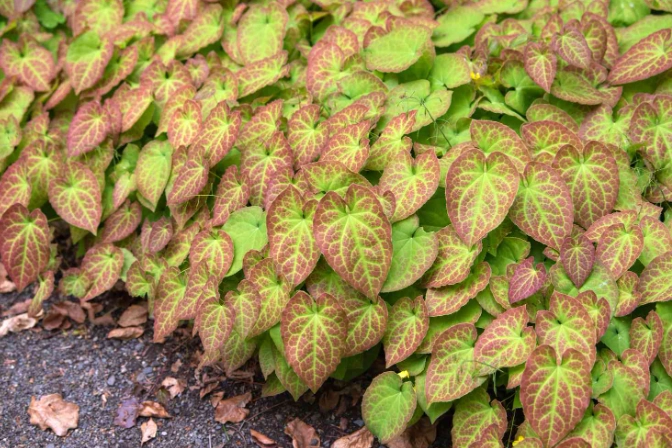
What's Actually in Epimedium? The Science of Icariin
If you want to understand why this plant does anything at all, you need to know about icariin. This is the main active flavonoid that researchers focus on when they study Epimedium. Think of icariin as the lead actor in the play, though the whole plant extract contains other supporting compounds that might matter too.
Icariin is interesting because it appears to work on a few different pathways in the body. The most talked-about mechanism is its effect on an enzyme called PDE5. If that sounds familiar, it's because drugs like sildenafil (Viagra) are PDE5 inhibitors. By relaxing blood vessels, particularly in certain areas, it can improve blood flow. But here's the thing—icariin's action is milder and broader. It also seems to influence nitric oxide production, which is another key player in vascular health. Beyond that, some studies (mostly in animals and cells, it must be said) suggest it might have anti-inflammatory properties and could even support bone health by influencing osteoblast activity. The National Institutes of Health's PubMed database lists numerous studies on icariin, ranging from cardiovascular to neurological applications, which hints at its complex potential.
But—and this is a big but—the concentration of icariin in Epimedium supplements can vary wildly. I've seen products claiming to be standardized to anywhere from 10% to 60% icariin. This inconsistency is one of the biggest headaches for anyone trying to use this herb reliably. A low-quality leaf might have very little, while a concentrated extract packs a punch. This isn't just academic; it directly affects what you might feel and, more importantly, the safety profile.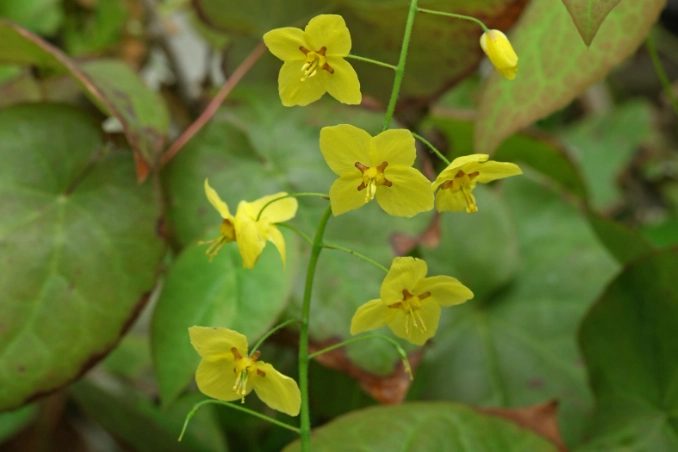
What Can You Realistically Expect? Potential Benefits Broken Down
Let's cut through the marketing and look at what the evidence, both traditional and modern, suggests. I've ranked these based on the strength of traditional use and the amount of preliminary scientific attention they get.
| Potential Benefit Area | What the Tradition Says | What Modern Research Suggests | My Realistic Take |
|---|---|---|---|
| Libido & Sexual Function | Classic use for "warming the Kidneys" and reviving sexual desire, especially with fatigue or coldness. | Several human studies, like a 2010 pilot study published in Andrologia, report positive effects on libido and satisfaction. Animal studies consistently show pro-sexual effects. | This is the strongest claim. Effects are not instant like a drug but may build over weeks. It seems most helpful for libido issues linked to low energy or stress, not necessarily physical problems. |
| Energy & Vitality | A core tonic for "Yang deficiency"—fatigue, lethargy, feeling cold. | Less direct human research here, but mechanisms (improved blood flow, possible hormonal modulation) support the concept of reduced fatigue. | Many users report a mild, sustained energy boost without jitters. I felt this more than any dramatic libido shift—just a bit more "get-up-and-go" on stressful weeks. |
| Bone Health | Used for weak knees, lower back pain, and stiffness—symptoms linked to "Kidney" weakness affecting bones. | Surprisingly robust cell and animal data. A review in Molecular Medicine Reports (2017) highlighted icariin's potential to promote bone formation and inhibit bone loss. | A promising but still emerging area. Don't use it instead of doctor-approved bone meds, but it might be a supportive player for overall skeletal wellness. |
| Mood & Stress | Indirectly, by addressing the root "deficiency" thought to cause low mood and lack of motivation. | Some animal studies suggest antidepressant-like effects, possibly through neurochemical pathways. Human data is very limited. | Highly speculative. Any mood benefit is likely secondary to better energy and vitality, not a direct antidepressant effect. |
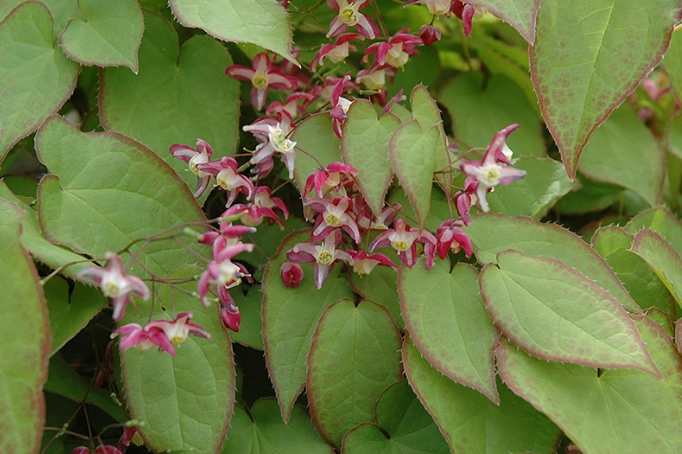 The bottom line? It's primarily a vitality herb. The sexual benefits are often a side effect of feeling more energized and balanced overall.
Navigating the Side Effects and Safety Maze
Here's where you need to pay close attention. Because Epimedium is "natural," people often assume it's harmless. That's not smart. Its biological activity means it can have side effects and interactions.
The Big One: Overstimulation. The most common complaint I've heard from people (and experienced once myself with a high-dose extract) is feeling irritable, anxious, or having heart palpitations. It's like drinking too much coffee but with a weird, agitated edge. This usually means the dose is too high for you, or the product is too concentrated. Start low.
Other potential issues include dry mouth, dizziness, nosebleeds (again, related to its vascular effects), and for some, nausea. The long-term safety profile isn't fully mapped out, so cycling the herb—taking it for 5 days a week, or for 8-12 weeks followed by a break—is a common-sense approach many herbalists recommend.
Who Should Avoid Epimedium?
- Anyone on blood thinners (warfarin, etc.) or with bleeding disorders: Icariin can theoretically increase bleeding risk.
- People with hormone-sensitive conditions: While its hormonal effects are complex and not fully estrogenic, there's enough uncertainty that those with a history of breast, ovarian, or prostate cancer should avoid it unless under direct supervision by a very knowledgeable professional.
- Individuals with heart conditions or high blood pressure: Due to its effects on blood vessels, it could interfere with medications or worsen certain conditions.
- Pregnant or breastfeeding women: Just don't. There's no safety data.
This isn't meant to scare you, but to emphasize that this is a real herb with real actions. Consulting a healthcare provider familiar with herbal medicine is crucial, especially if you have health conditions or take medications. Resources like the National Center for Complementary and Integrative Health (NCCIH) provide a good starting point for understanding herb-drug interaction risks.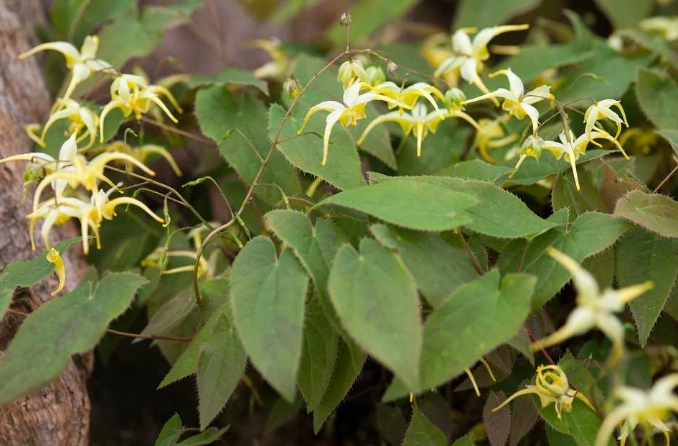
Choosing a Quality Epimedium Supplement: A Practical Guide
The supplement aisle is a jungle. Here’s how to not get lost when looking for a decent Epimedium product.
1. Look for Standardization: This is non-negotiable in my book. A label that says "standardized to X% icariin" means they've tried to guarantee a consistent amount of the key compound. It's not perfect, but it's way better than a product that just says "Epimedium leaf powder." I'd aim for products standardized to between 10% and 60% icariin. Higher isn't always better—it increases the risk of side effects.
2. Know the Species: Not all Epimedium is created equal. Epimedium grandiflorum and Epimedium brevicornum are among the most commonly used and studied species. Reputable brands will often specify the species on the label. The Royal Botanic Gardens, Kew's Plants of the World Online database can give you a sense of the vast number of species in this genus, most of which haven't been studied for human use.
3. Consider the Form:
- Capsules of Extract: Most common and convenient. Easy to dose.
- Powdered Leaf: More "whole food" but potency is unpredictable. The taste is bitter and earthy—not pleasant.
- Tinctures (Liquid Extracts): Fast absorption, but alcohol-based ones might not be for everyone. Dosing can be trickier.
4. Start with a Low Dose: The classic beginner mistake is taking too much too soon. If a bottle suggests 500mg, start with 250mg. See how you feel for a few days. The effects of Epimedium are often cumulative and subtle.
Common Questions About Epimedium (The Ones You're Actually Searching For)
How long does it take for Horny Goat Weed to work?
This depends entirely on what "work" means. For a subtle energy boost, some people feel something within a few days. For libido or vitality effects tied to underlying imbalance, it might take 2 to 4 weeks of consistent use to notice a change. It's not an "on-demand" herb.
Can women use Epimedium?
Absolutely. While much of the Western marketing is aimed at men, in traditional Chinese medicine, it's used for both men and women exhibiting the same "Kidney Yang" deficiency pattern—low libido, fatigue, coldness. The mechanisms aren't gender-specific. Women should be particularly mindful of the hormone-sensitive condition warning mentioned earlier.
What's the difference between Epimedium and other libido herbs like Maca or Tribulus?
Great question. Maca is more of a nutritional adaptogen from Peru, thought to support hormone balance and energy via its nutrient profile. Tribulus is often marketed for testosterone (though evidence is weak), and its primary traditional use in Ayurveda is as a diuretic and heart tonic. Epimedium's niche is its specific flavonoid (icariin) action on blood flow and its strong historical use as a warming vitality tonic. They work in different ways.
Can I take it with coffee?
I wouldn't recommend it, especially at first. Both are stimulatory in their own ways. Combining them significantly increases the chance of those jittery, overstimulated side effects. If you want to try, space them out by a few hours.
Final Thoughts: Is Epimedium Worth Trying?
After all this reading and even some personal experimentation, my view on Epimedium is more nuanced. It's not a magic bullet. It won't solve deep-seated health issues on its own. And the quality of what you buy makes all the difference in the world.
But for someone who feels chronically drained, run down, and notices their libido has taken a nosedive along with their energy—and who has cleared it with their doctor—it might be a helpful piece of the puzzle. Its value lies in that traditional concept of being a tonic. It's something you use for a period to help nudge your system back towards balance, not something you rely on forever.
The silliness of the name "Horny Goat Weed" does it a disservice. It makes it seem trivial. In reality, Epimedium is a serious herb with a long history and some intriguing science behind it. Approach it with respect, start low and slow, and manage your expectations. The goal isn't a dramatic reaction, but a gentle return of your own natural vitality.
Reader Comments