Quick Navigation
- Not All Wild Lilacs Are Created Equal: Picking Your Perfect Match
- How to Not Kill Your California Wild Lilac: The Unwritten Rules
- Beyond the Basics: Pruning, Problems, and Making It Look Great
- Why Bother? The Magic Beyond the Blue Flowers
- Designing With California Wild Lilac: Making It Work With Everything Else
- Answers to the Questions You're Probably Asking (Or Should Be)
- The Final Word (From Someone Who's Made the Mistakes)
Let's be honest. The first time you see a California wild lilac in full bloom, it's kind of a show-off. I mean, those clouds of intense blue flowers look almost unreal, like someone turned the saturation up on nature. But here's the thing most people don't tell you right away – this plant, which botanists call Ceanothus, is one of the toughest, most low-maintenance characters you can invite into your garden. It's not some delicate diva that needs constant coddling. In fact, fuss over it too much, and it'll probably give you the silent treatment (or worse, just up and die).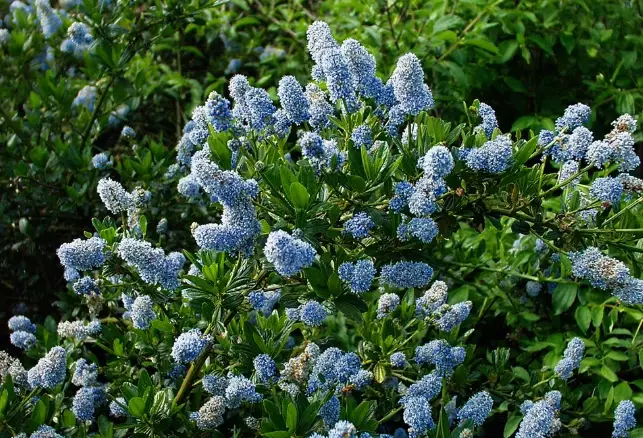
I learned that the hard way, by the way. My first attempt with a 'Ray Hartman' years ago ended in a soggy, root-rot mess because I treated it like my thirsty roses. Big mistake. California wild lilac plays by its own rules, shaped by the dry summers and mild winters of its home turf.
So, if you're tired of watering constantly or just want a garden that buzzes with life (we're talking bees, butterflies, the whole crew), this might be your plant. But you've got to know what you're doing. This guide is basically everything I wish I'd known back then, plus a ton I've picked up from other gardeners and some solid resources since.
Not All Wild Lilacs Are Created Equal: Picking Your Perfect Match
This is where a lot of folks get tripped up. Saying "I want a California lilac" is like saying "I want a dog." Great! But are we talking about a towering Great Dane or a little Chihuahua? The Ceanothus genus has over 50 species and countless cultivars, and they range from low, spreading groundcovers that hug the earth to massive, tree-like shrubs that can hit 15 feet or more.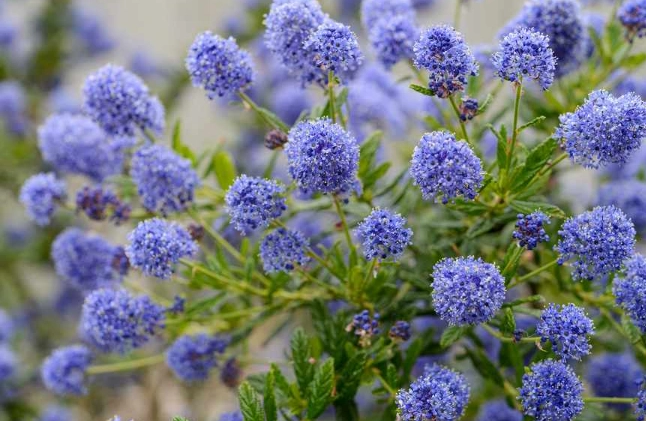
The key to success? Matching the plant's natural size and shape to the spot you have in mind. Trying to cram a 'Joyce Coulter' (a known spreader) into a tiny foundation planting is a recipe for weekly pruning battles. Trust me, the plant always wins those.
Top Ceanothus Varieties for Your Garden (A No-Nonsense Breakdown)
Here's a look at some of the most reliable and widely available California wild lilac varieties. I've focused on ones you're likely to find at good native plant nurseries or online.
| Variety Name | Type & Size | Flower Color & Time | Best For... | My Personal Take |
|---|---|---|---|---|
| 'Concha' | Mounding shrub, 4-6 ft tall & wide | Deep cobalt blue, early to mid-spring | A stunning focal point, medium hedges, slopes. | A classic for a reason. Tough as nails once established. The color is incredible. |
| 'Yankee Point' | Low, spreading groundcover, 2-3 ft tall, 6-10 ft wide | Light blue, spring | Erosion control on banks, sprawling over walls, replacing lawn. | It's a workhorse. Not the showiest flowers, but it makes a fantastic, dense green carpet. |
| 'Ray Hartman' | Large shrub/small tree, 12-18 ft tall | Sky blue clusters, spring | Background screening, a small native tree, wildlife habitat. | My nemesis-turned-favorite. Give it space and perfect drainage. Worth it for the scale. |
| 'Julia Phelps' | Compact, dense shrub, 4-5 ft round | Rich indigo blue, spring | Low hedges, formal gardens, containers (with care). | Great structure. The foliage is tiny and neat, almost like a boxwood but way more exciting in spring. |
| 'Centennial' | Very low groundcover, under 1 ft tall, spreads widely | Bright blue, spring | Between stepping stones, cascading from pots, tight spaces. | Walks all over itself happily. Can handle a bit more water than others, which is unusual. |
See what I mean? Your choice completely changes the game. A good resource to dig deeper into the botanical specifics is the University of California's Urban Horticulture site. They've got plant databases that are gold for double-checking facts.
How to Not Kill Your California Wild Lilac: The Unwritten Rules
Okay, you've picked your plant. Now comes the critical part: getting it into the ground and helping it settle in. This is the make-or-break phase, especially for a California native that's adapted to very specific conditions.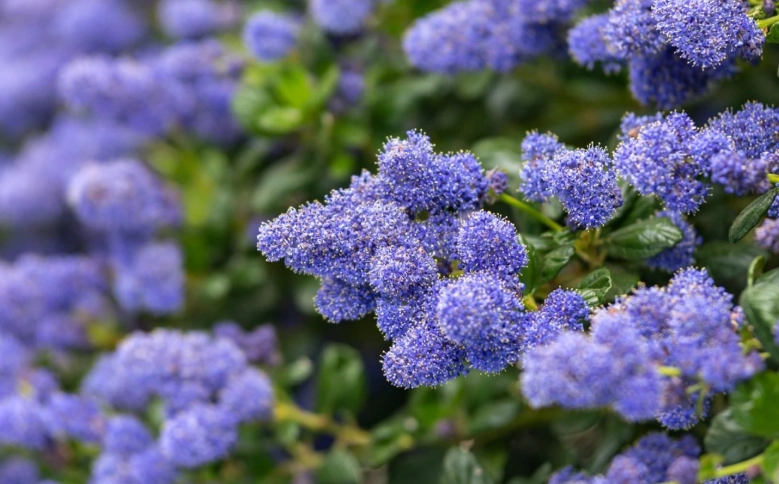
Location, Location, Drainage
This is the single most important factor. More California wild lilacs are murdered with kindness (via overwatering and poor drainage) than ever die of neglect. They need full sun. I'm talking at least 6-8 hours of direct, blazing sun. Less than that, and you'll get a leggy, sad-looking plant that flowers poorly and is more prone to disease.
And the soil? It has to drain. Like, really drain. Think hillside, not clay bowl. If you have heavy soil, you have two options: 1) Pick a different plant (seriously, it's okay), or 2) Build a mound or raised bed. I usually go with option 2 for my clay-heavy area. I mix in a huge amount of coarse sand, fine gravel (like pea gravel), and some compost to create a berm. It looks natural and gives the roots the fast-draining environment they crave.
The Planting Ritual (It's Simpler Than You Think)
- Dig a wide, shallow hole. Make it about twice as wide as the root ball, but only just as deep. You want the top of the root ball to be level with or slightly above the surrounding soil to prevent water pooling at the crown.
- Tease the roots. If the roots are circling, gently loosen them with your fingers or a knife. This encourages them to grow outward into the native soil instead of staying in a pot-shaped tangle.
- Backfill with the native soil. Don't create a rich "bathtub" of potting mix in the hole. Just use what you dug out, maybe with a handful of compost mixed in. You want the roots to get used to their permanent home, not a luxury suite they'll never want to leave.
- Water deeply to settle. Give it a really good, long soak to eliminate air pockets.
- Mulch, but don't smother. Use a coarse, inorganic mulch like gravel or decomposed granite. It keeps weeds down and reflects heat, but it doesn't hold moisture against the stem like bark mulch can. Keep the mulch a few inches away from the main stem.
After that initial soak, your watering schedule depends on the weather. For the first summer, you might need to give it a deep drink every 2-4 weeks if it's brutally hot and dry. The goal is to encourage deep root growth. Stick your finger in the soil – if it's damp a few inches down, wait. By the second summer, a well-established California wild lilac should need little to no supplemental water.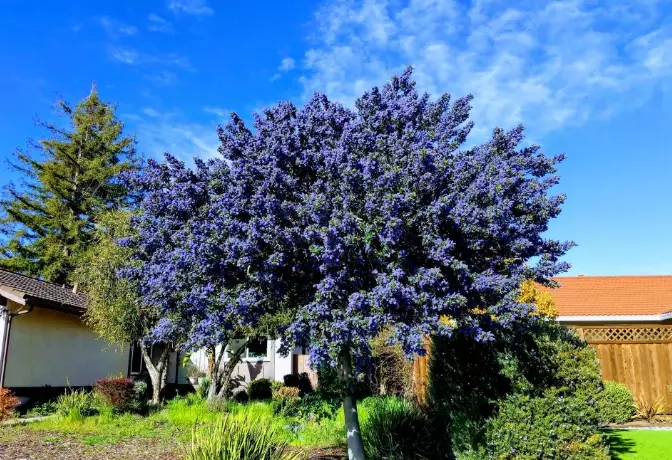
Beyond the Basics: Pruning, Problems, and Making It Look Great
So your plant is alive and growing. Now what? How do you keep it from becoming a messy, woody blob?
To Prune or Not to Prune?
Most Ceanothus varieties don't need much pruning if you've placed them correctly. But a little strategic snipping can keep them dense and shapely. The golden rule: Prune right after the flowers fade, and never cut back into old, bare wood.
These plants generally don't sprout new growth from hard, leafless stems. If you hack it back too far, you'll be left with a dead stump. Instead, just tip-prune the new, green growth by a few inches. This encourages branching and a bushier form. If you have a groundcover type, you can give it a light shearing with hedge trimmers after blooming to keep it tidy.
What's Wrong With My Plant? A Quick Troubleshooter
- Yellowing leaves, general decline: This is almost always a sign of too much water or poor drainage. Check your soil. Is it soggy? Stop watering immediately and see if it recovers. It might not.
- Sudden wilting or branch dieback: Could be a fungal disease like root rot or botrytis, again often water-related. Prune out the dead material, ensure good air circulation, and avoid overhead watering.
- Not flowering much: Not enough sun. It's that simple. They might survive in partial shade, but they won't thrive and put on their signature show.
- Pests? Honestly, they're pretty pest-resistant. You might see some scale insects or aphids, but these are usually kept in check by the birds and beneficial insects the plant attracts. A strong blast of water from the hose usually does the trick.
For authoritative, science-backed information on pest and disease management, the UC Integrated Pest Management Program is the absolute best place to go. It's what the pros use.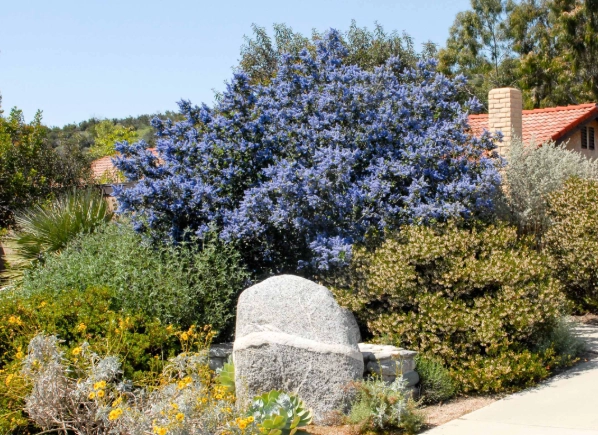
Why Bother? The Magic Beyond the Blue Flowers
Sure, the flowers are stunning. But planting a California wild lilac does more than just please your eyes. It's a small act of ecological restoration. These plants are a cornerstone species for local wildlife. When my 'Concha' is in bloom, the sound is unbelievable – a constant, happy buzz from dozens of native bees, honeybees, and butterflies. It's a feeding station.
Birds like bushtits and wrentits use the dense foliage for shelter and nesting. According to the National Wildlife Federation, native plants like Ceanothus support vastly more caterpillar species (baby bird food!) than non-natives. You're not just gardening; you're building habitat.
And let's talk water. In an era of droughts and water restrictions, a garden full of thirsty exotics starts to feel...irresponsible. A California wild lilac, once established, asks for almost nothing from the tap. It's already adapted to our climate's rhythm. The California Native Plant Society has been championing this idea for decades – that beauty and resilience aren't mutually exclusive.
Designing With California Wild Lilac: Making It Work With Everything Else
Some people think native gardens look "wild" or "unkept." That's a choice, not a requirement. You can use California wild lilac in super sophisticated ways.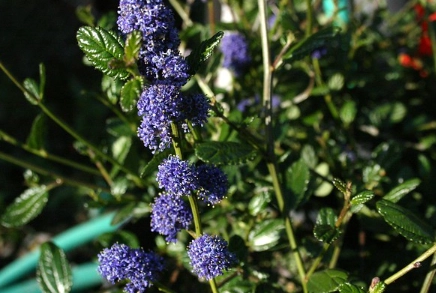
Pair that intense blue spring bloom with plants that flower in other seasons for year-round interest. Think about the silvery foliage of Artemisia or lavender for contrast. Ornamental grasses like Festuca or Nassella add movement and a soft texture that plays beautifully against the often glossy, small leaves of the Ceanothus.
For a killer color combo, plant a dark blue-flowered variety like 'Dark Star' behind a cluster of California poppies (Eschscholzia californica) or yellow-flowered Mahonia. The blue-and-gold pairing is classic for a reason.
Here’s a quick idea list for companion plants that share the same "tough love" philosophy:
| Companion Plant | Why It Works | Design Effect |
|---|---|---|
| Manzanita (Arctostaphylos) | Same sun/water needs. Beautiful red bark and urn-shaped flowers. | Great structural contrast. Evergreen backbone of the garden. |
| Cleveland Sage (Salvia clevelandii) | Drought-tolerant, aromatic gray foliage, purple flower spikes in summer. | Extends the bloom season. Fantastic fragrance combo. |
| Deer Grass (Muhlenbergia rigens) | Native grass, requires little water, provides graceful form. | Softens the shrub's edges. Adds winter interest when seed heads catch the light. |
| California Fuchsia (Epilobium canum) | Spreads easily, fiery red-orange flowers in late summer/fall. | Brings vibrant color when the lilac's bloom is long gone. Hummingbird magnet. |
Answers to the Questions You're Probably Asking (Or Should Be)
The Final Word (From Someone Who's Made the Mistakes)
Growing California wild lilac isn't complicated, but it does require a mindset shift. You have to stop being a constant caretaker and start being a thoughtful facilitator. Provide the right conditions – brutal sun, gritty soil, a good drink to start, then mostly hands-off – and it will reward you with a spectacle of color and a hub of wildlife activity that few other plants can match.
It teaches you to pay attention to the natural rhythms of your place. When the first flower buds swell in late winter, you know spring is really coming. When the bees swarm it in April, you feel like you're contributing something real. And when it sits there, green and content through the bone-dry heat of August without a drop from you, you feel a sense of relief and rightness.
It's more than a shrub. It's a statement. A statement that says your garden can be breathtakingly beautiful, alive, and part of the solution all at once. Just give it the right spot, forget the hose, and let it do its thing.