Quick Guide
- Where to Find Bonsai in Portland: Nurseries & Shops
- Keeping Your Bonsai Alive in Portland's Climate
- Beyond Buying: Learning and Community in Portland
- Portland's Bonsai Art: Places to See Inspiring Collections
- Common Questions (The Stuff You're Actually Searching For)
- Final Thoughts: Embracing the Slow Art
So you're in Portland and you've got this itch to get into bonsai. Maybe you saw a stunning miniature maple in a shop window downtown, or a friend has one that just seems… more alive than other houseplants. You start searching for "bonsai Portland Oregon" and suddenly you're down a rabbit hole. Where do you even begin? What works here with our weird, wonderful weather? Is there a community, or are you on your own?
Let me tell you, Portland is a secretly fantastic city for this hobby. We've got the rain, the mild climate, and a gardening culture that embraces the quirky and patient. But it's not always obvious where to look. I've killed my share of trees figuring it out (RIP, a juniper I overwatered in 2019), and spent weekends driving to places that were just… okay. This guide is what I wish I'd had when I started.
We're going to walk through the real, practical stuff. Where to buy a good tree without getting ripped off. How to keep it alive through a Portland winter and a dry summer. The hidden spots to see world-class bonsai without leaving the city. And how to find people who actually know what they're talking about.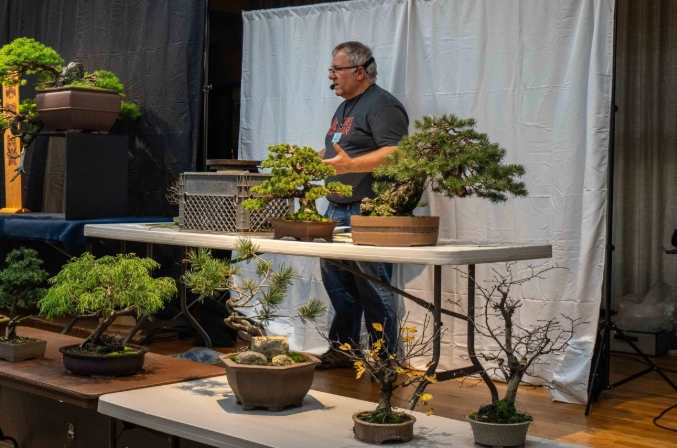
Where to Find Bonsai in Portland: Nurseries & Shops
This is usually the first question. You don't want to buy a bonsai from a generic big-box store—those are often mass-produced, poorly cared for, and set up to fail. You need a specialist, or at least a place that treats them as more than decor.
Portland has a few gems, each with a different vibe and specialty. It's worth visiting a couple to see what clicks for you.
Top-Tier Specialist Nurseries
If you're serious, start here. These folks live and breathe bonsai.
- Bonsai Mirai (formerly located in Portland, now in St. Helens but deeply connected): Okay, this is a bit of a cheat because it's not technically in Portland proper anymore, but you cannot talk about bonsai in Portland Oregon without mentioning Ryan Neil and Bonsai Mirai. It's arguably the most famous modern bonsai school in the US. While their intensive workshops and world-class collection are now at their campus west of the city, their influence here is massive. Many local enthusiasts have trained there. They also have a fantastic, free video library on their website (bonsaimirai.com) that is an incredible educational resource. It's the gold standard for technical knowledge.
- Portland Nursery (on Stark): Their bonsai section isn't huge, but it's surprisingly good and well-curated. They often have a mix of imported trees from California and locally developed material. The staff in that section usually know their stuff, which is rare for a general nursery. I've found healthy Chinese elms and junipers here for fair prices, especially in spring. It's a great, low-pressure place for a beginner to look at a few options and ask questions.
Unexpected Local Finds
These might not have "bonsai" in their name, but they're worth your time.
- Yamaguchi Bonsai Nursery: Tucked away in Lake Oswego, this is a family-run, appointment-only nursery. It's old-school. Mr. Yamaguchi has decades of experience and a stunning collection of pines and maples he's been developing for years. This isn't a place to grab a $50 starter tree; it's where you go when you want to see master-level work and potentially invest in a serious piece of living art. The knowledge he shares is priceless.
- Farmington Gardens (in Beaverton): Another general nursery with a consistently decent bonsai selection. They get shipments from quality growers and seem to care for the trees properly on-site. I've seen nice flowering varieties like azaleas and serissas here that do well indoors in Portland's darker months.
Here’s a quick comparison to help you decide where to go first:
| Place | Best For | Price Range | Knowledge Level | My Take |
|---|---|---|---|---|
| Portland Nursery (Stark) | Beginners, first tree, accessible variety | $$ ($40 - $150) | Good | Reliable & convenient. You won't get a masterpiece, but you'll get a viable tree. |
| Bonsai Mirai Resources | Education, inspiration, learning correct technique | Free (videos) to $$$$ (workshops) | World-Class | Not a store, but the single best learning tool. Use it. |
| Yamaguchi Bonsai (by appt) | Connoisseurs, seeing mature trees, deep knowledge | $$$ - $$$$$ | Master | A humbling and inspiring experience. Go to learn, even if you don't buy. |
| Farmington Gardens | West-siders, finding flowering bonsai | $$ ($50 - $200) | Fair to Good | A solid backup option with a pleasant selection. |
What about online? Sure, you can order a bonsai from Portland Oregon sellers on Etsy or eBay. Some local growers sell that way. My advice? See the tree in person first if you can. You can check the soil, the back of the leaves for pests, and the overall health in a way a photo hides.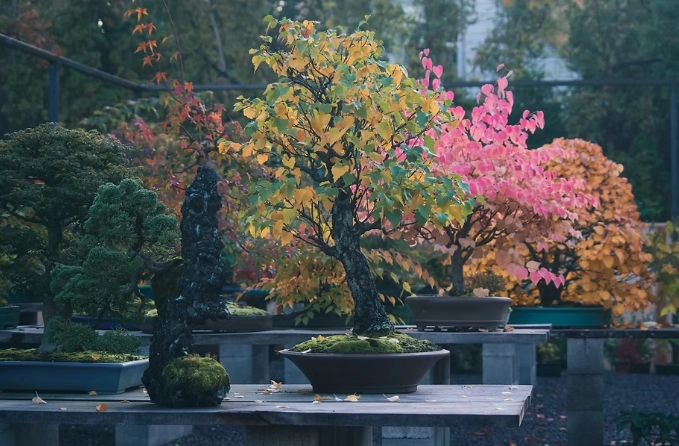
Keeping Your Bonsai Alive in Portland's Climate
This is where the rubber meets the road. Portland's weather is a blessing and a curse for bonsai. Mild winters mean many temperate trees (maples, pines, junipers) can stay outside year-round with a little protection. But our long, wet, gray falls and winters can lead to root rot if you're not careful with watering and soil.
Seasonal Care Checklist
Let's break it down by what actually matters here.
- Spring (March-May): This is party time. Growth explodes. You'll be pinching back new shoots constantly on deciduous trees. It's also the best and safest time for repotting, root pruning, and major structural pruning. Fertilize regularly as growth begins. Watch out for late frosts—if a tender tree like a tropical ficus has been indoors, don't put it out full-time until after Mother's Day, traditionally.
- Summer (June-August): Water, water, water. Morning is best. Some trees (like Japanese maples) might need afternoon shade to prevent leaf scorch in a rare heatwave. Continue fertilizing. It's a good time for wiring, as the branches are flexible.
- Fall (September-November): The most beautiful season for maples. Reduce fertilizing. Start preparing outdoor trees for winter. Let trees experience the first few light frosts to harden off, but be ready to protect sensitive trees if a hard freeze is forecast. This is a great time to enjoy the colors and plan next year's design.
- Winter (December-February): Mostly a period of rest. Protect potted trees from being waterlogged. For hardy trees left outside, you can place them on the ground, maybe against a south-facing wall, or in an unheated garage if a nasty ice storm is coming. This is your time to study the tree's structure, clean it up, and maybe do some winter pruning on deciduous trees. Order supplies. Read books.
Indoor vs. Outdoor: Picking the Right Tree
This decision is crucial. Do you want a tree for your sunny apartment window or your covered patio?
For Portland bonsai enthusiasts with a balcony or yard, you have amazing options. Our climate is perfect for Japanese maples (Acer palmatum). They love our cool, moist air and put on a breathtaking show in fall. Ponderosa pines, native to our region, make incredible, rugged bonsai. You can even collect material (with permission on private land!) and style it. The American Bonsai Association has ethical collection guidelines worth reading.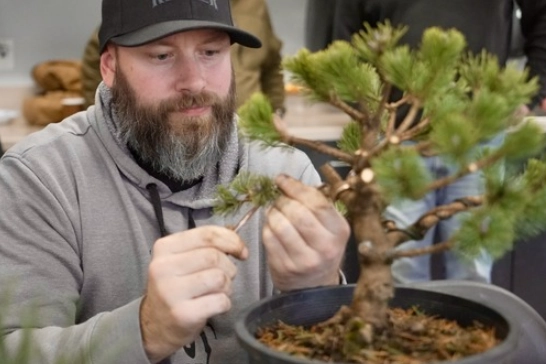
I made the mistake early on of buying a beautiful Japanese white pine and trying to keep it in a bright sunroom over winter. It survived, but barely. The next year I left it outside in a sheltered spot, and it thrived. Lesson learned the hard way.
Beyond Buying: Learning and Community in Portland
Bonsai can feel lonely if you're just staring at a tree on your shelf, wondering if you're doing it right. The good news? Portland has a community, though you have to know where to look.
Clubs and Workshops
This is how you learn faster and avoid costly mistakes.
- The Bonsai Society of Portland: The main local club. They meet monthly (often at the Leach Botanical Garden), have guest speakers, workshops, and an annual show. Dues are cheap. Showing up to a meeting is the single best way to meet other hobbyists, from beginners to experts with 50-year-old trees. You can bring your tree for critique—it's nerve-wracking but incredibly helpful.
- Portland Community College (PCC): Their Community Education program occasionally offers bonsai classes. They're usually one-day workshops focused on basics like repotting or styling a nursery stock plant. A fantastic, low-commitment way to get hands-on guidance.
- Portland Japanese Garden: While not a teaching institution per se, their commitment to the art form is deep. Visiting their landscapes teaches you about natural tree form, balance, and beauty—principles directly applicable to bonsai. They sometimes host related lectures or demonstrations.
Why join a club? You see trees in all stages. You learn that your tree losing leaves might be normal. You get access to club potting sessions where soil components are bought in bulk, saving you money. You might even get a free seedling to practice on.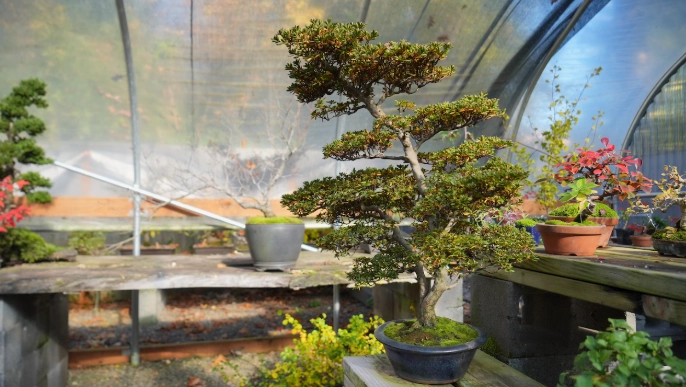
Portland's Bonsai Art: Places to See Inspiring Collections
Sometimes you need to see greatness to understand what's possible. We have access to some world-class collections within a short drive.
- The Portland Japanese Garden: As mentioned, it's a masterclass in miniature landscape aesthetics. While they don't have a dedicated bonsai display year-round, the principles are everywhere. The pruning of their full-sized pines and maples is bonsai philosophy on a grand scale.
- The Pacific Bonsai Museum (in Federal Way, WA): Okay, it's a two-hour drive north, but it's a non-negotiable pilgrimage. This is one of the finest public bonsai collections in North America. Their rotating exhibits are thoughtfully curated, blending art, history, and horticulture. Seeing trees that are older than the United States puts your own little juniper in perspective. Check their website (pacificbonsaimuseum.org) for current exhibits. It's worth a weekend trip.
- Local Shows: The Bonsai Society of Portland's annual show (usually in spring or summer) is the best chance to see a concentrated display of local talent. You'll see what species thrive here and talk to the artists themselves.
Common Questions (The Stuff You're Actually Searching For)
Final Thoughts: Embracing the Slow Art
The search for bonsai Portland Oregon resources is really a search for connection—to nature, to art, to a community, and to patience in a fast world. Portland, with its DIY spirit and love for all things green, is an ideal place to practice this.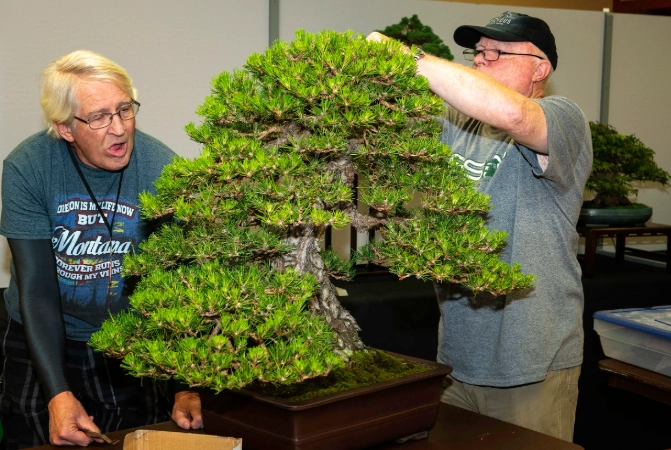
Start simple. Go to Portland Nursery and look at the trees. Feel the soil. Join the Bonsai Society of Portland for a meeting and just listen. Pick one tree that speaks to you and focus on keeping it healthy. Don't get overwhelmed by the techniques you see online.
Remember, every expert was once a beginner who didn't kill their first tree. Well, maybe they did. I did. But the second one lived. And that's the one that starts to teach you what this is all about. It's not about perfection; it's about the quiet, slow conversation you have with a living thing over years. And in Portland, you've got a great place to have that conversation.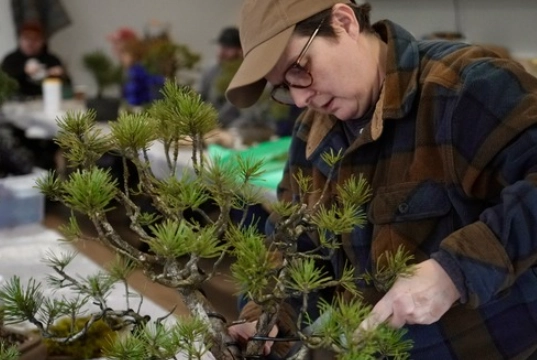
Got a specific question I didn't cover? Your best bet is to take a picture and bring it to a club meeting. Real people, with real dirt under their nails, are the ultimate resource for your Portland Oregon bonsai journey.
Reader Comments