Quick Guide to Growing Delphiniums
Let's talk about delphinium flowers. You know, those incredible spires of blue, purple, and white that look like they've been plucked straight from a storybook garden. If you've ever scrolled through gardening Instagram or Pinterest and felt a pang of envy, you're not alone. I did too. For years, I thought growing delphiniums was a skill reserved for expert gardeners with perfect soil and a magic touch. Turns out, I was wrong. They're more forgiving than their elegant appearance lets on, but you do need to know a few key things.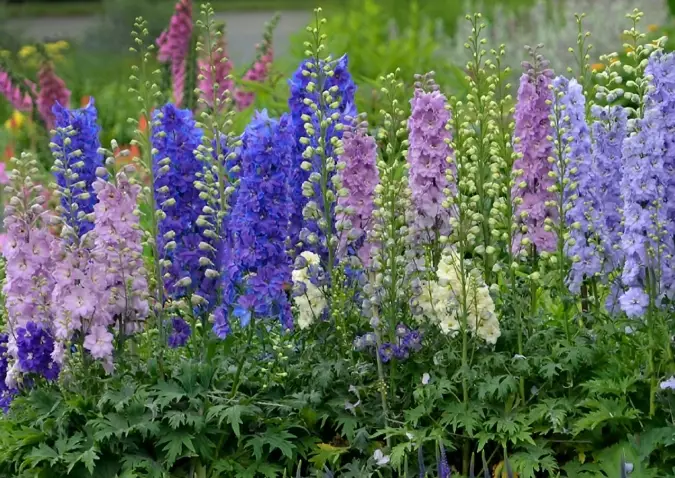
My first attempt was, frankly, a disaster. I planted them in a spot that got afternoon shade (wrong), in heavy clay soil I didn't amend (also wrong), and then wondered why the stems flopped over after the first rain. It was a learning experience, and it taught me that success with these plants isn't about having a green thumb—it's about understanding what they want. And what they want is pretty straightforward once you break it down.
What Exactly Are Delphinium Flowers?
First, a bit of botany to clear up any confusion. Delphiniums are part of the Ranunculaceae family. You might also hear them called larkspur, although that common name can sometimes refer to annual species in the Consolida genus. For our purposes, we're talking about the perennial delphinium, the ones that come back year after year with those jaw-dropping flower spikes.
The name "delphinium" comes from the Greek word for dolphin, "delphis," because the shape of the flower bud was thought to resemble a dolphin's nose. I've stared at a lot of buds, and I can sort of see it if I squint. They're native to the Northern Hemisphere, found in meadows and mountainous regions from North America across to parts of Asia. This origin story gives us our first major clue about their needs: they like cool nights, good air circulation, and well-drained soil. They're not fans of hot, sticky, humid summers, which is why they thrive in places like the Pacific Northwest and the UK.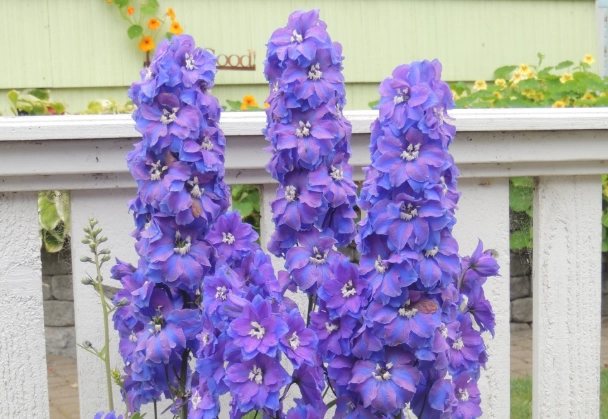
Now, here's a critical piece of information that doesn't get talked about enough: all parts of the delphinium plant are poisonous. This isn't just a mild "might upset your stomach" situation. They contain diterpenoid alkaloids which can be seriously toxic if ingested by humans, pets, or livestock. The Royal Horticultural Society (RHS) lists them as potentially harmful. It means you need to plant them with awareness, especially if you have curious kids or pets who like to nibble on garden greenery. Wear gloves when handling them, and wash your hands afterwards. It's a small precaution for such a big reward.
Picking Your Perfect Delphinium Variety
This is where the fun begins. Walking into a nursery and just grabbing any delphinium is a recipe for mismatch. Some are giants, some are more modest. Some are bred for specific climates. Knowing the main groups helps you choose one that won't outgrow your space or struggle in your weather.
The classic, towering spires you picture are usually from the Elatum Group. These are the divas of the delphinium world—stunning, high-maintenance, and worth every bit of effort. They can shoot up to 6 or even 8 feet tall. Popular series like 'Pacific Giants' or 'New Millennium' fall here. They produce dense, packed flower spikes in incredible colors. The downside? They often need staking from the moment they start growing, and in very hot climates, they might act as short-lived perennials.
For most home gardeners, especially beginners, the Belladonna Group is a more forgiving choice. These delphiniums have a looser, more branching habit with flower-covered stems that are a bit shorter, typically 3 to 4 feet. They look less formal and more natural weaving through a border. They're generally hardier and better at tolerating a wider range of conditions than the Elatum types.
Then you have specific cultivars that have become superstars. 'Guardian Lavender' is a more compact variety, great for containers or the front of a border. 'Black Knight' has those deep, velvety purple flowers that are almost unreal. 'Summer Skies' offers a beautiful mix of soft blues and whites. My personal favorite is 'Pagan Purples'. It's not the tallest, but the color is so rich and it seems to stand up to wind better than some of the others I've tried.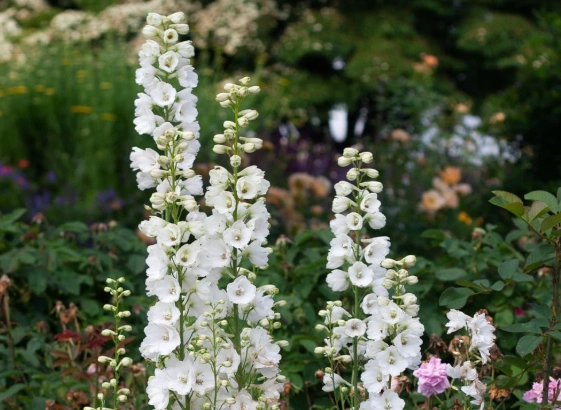
| Variety Group | Typical Height | Best For | Key Consideration |
|---|---|---|---|
| Elatum Group (e.g., Pacific Giants) | 5-8 ft | Back of borders, dramatic focal points | Requires strong staking; may be short-lived in hot climates |
| Belladonna Group (e.g., 'Bellamosum') | 3-4 ft | Middle of borders, cottage garden style | More relaxed habit, generally hardier and lower maintenance |
| Dwarf Varieties (e.g., 'Blue Mirror') | 1-2 ft | Containers, front of borders, small gardens | Great for windy sites; often don't need staking |
| New Millennium Series | 4-6 ft | Superior flower form & stem strength | Bred for stronger stems and richer colors; excellent for cutting |
So, how do you choose? Ask yourself: How tall do I want my flowers? How much time do I want to spend staking and babying them? What's the overall style of my garden—formal or informal? Answer those, and the right group usually becomes clear.
The Non-Negotiables: Planting Your Delphiniums Right
Getting the planting part wrong is the most common reason people fail with delphiniums. It's not that they're fussy, it's that they have very specific, non-negotiable requirements. Meet those, and you're 80% of the way to success.
Location, Location, Location
Sunlight is king. Delphinium flowers need full sun. That means at least 6 to 8 hours of direct sunlight per day. Morning sun is particularly good because it dries the dew off the leaves quickly, helping to prevent fungal diseases. A spot with some protection from strong afternoon winds is a huge bonus, as those tall flower spikes can act like sails. I learned this the hard way when a summer storm flattened a whole row I hadn't staked securely enough.
Soil: The Make-or-Break Factor
This is arguably the most important step. Delphiniums despise "wet feet." Their roots will rot in heavy, waterlogged clay. But they also need consistent moisture. The sweet spot is rich, fertile, and exceptionally well-drained soil.
Here's what I do when preparing a new bed for delphiniums:
- Dig deep. Go down at least 18 inches. They develop a substantial root system.
- Amend heavily. Mix in a huge amount of organic matter. I'm talking compost, well-rotted manure, or leaf mold. For clay soil, also add some coarse sand or grit to improve drainage. The goal is to create a fluffy, moisture-retentive yet free-draining environment.
- Check the pH. They prefer neutral to slightly alkaline soil (pH 6.5 to 7.5). If your soil is very acidic, you might need to add some garden lime. A simple soil test kit can tell you where you stand.
You can also grow delphiniums in large, deep containers. Use a high-quality potting mix with some extra compost mixed in, and ensure the pot has excellent drainage holes. This is actually a great way to control the soil conditions perfectly.
The Actual Planting Process
Plant in spring after the danger of hard frost has passed, or in early fall so they can establish roots before winter. Space plants about 18 to 24 inches apart—good air circulation is crucial for preventing mildew.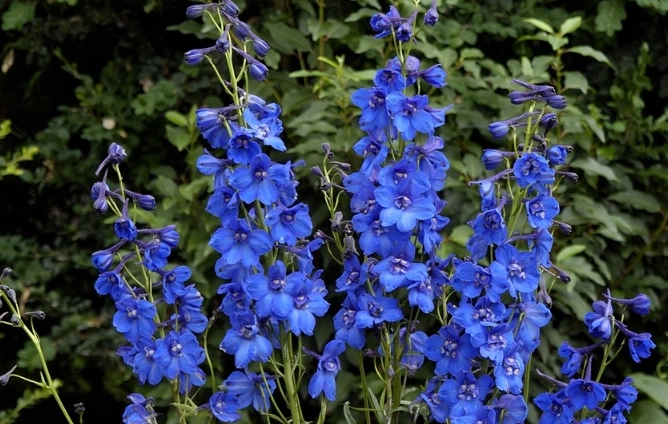
Dig a hole as deep as the root ball and twice as wide. Place the plant in the hole, making sure the crown (where the stems meet the roots) is level with the soil surface. Planting too deep is a death sentence. Backfill with your prepared soil, firm it gently, and water thoroughly. I like to add a thin layer of mulch (like compost or shredded bark) around, but not touching, the crown to conserve moisture and keep roots cool.
Keeping Them Happy: The Year-Round Care Guide
Okay, they're in the ground. Now what? Delphinium care isn't a constant chore, but it does have key seasonal moments you can't ignore.
Watering & Feeding: The Regular Routine
Think "consistent moisture." They need about 1 inch of water per week, either from rain or your hose. Water at the base of the plant to keep the leaves dry. A soaker hose or drip irrigation is ideal. During hot, dry spells, they'll need more. Letting them dry out stresses the plant and makes it more susceptible to pests and disease.
They are heavy feeders. A balanced, slow-release fertilizer applied in early spring as growth starts is a good foundation. Then, I give them a boost with a liquid fertilizer (one higher in phosphorus to promote blooms) just as the flower spikes are beginning to form. Some gardeners swear by a side dressing of compost or well-rotted manure in spring and again after the first bloom cycle.
Staking: Don't Even Think About Skipping This
Unless you're growing a dwarf variety, you must stake your delphiniums. Those flower heads are heavy, and a summer rain or gust of wind will snap the stems. It's heartbreaking. The best time to do it is early, when the plant is about 12 inches tall.
You have options: single stakes for individual spikes (use soft plant ties in a figure-eight pattern), grow-through grid supports placed over the whole clump, or a system of stakes and string around a group. I find the grid supports the easiest for multiple plants. It looks tidy and provides support all around.
The Magic of Deadheading & Cutting Back
This is the trick to potentially getting a second, smaller flush of delphinium flowers later in the season. Once the main flower spike has finished blooming, cut it back to just above a set of healthy leaves lower down on the stem. Often, you'll see smaller side shoots developing that will bloom.
In late fall, after the foliage has been killed by frost, cut the entire plant down to about 2 inches above the ground. Clear away all the debris from around the crown to discourage pests and diseases from overwintering. A fresh layer of mulch after the ground freezes can help protect the crown in very cold winters.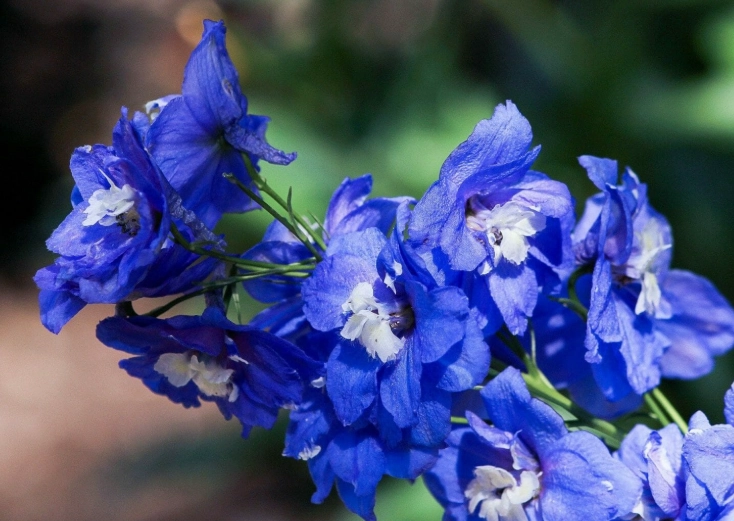
Solving the Inevitable Problems (Pests & Diseases)
Let's be real. You will likely face some issues. The key is to catch them early. Here are the big ones:
- Powdery Mildew: That white, powdery coating on leaves. It's ugly and weakens the plant. Prevention is everything. Ensure good air circulation (proper spacing), water at the base, and plant in full sun. If it appears, remove affected leaves and treat with an organic fungicide like a sulfur spray or a baking soda solution (1 tsp baking soda, 1/2 tsp liquid soap in 1 gallon of water).
- Slugs & Snails: They adore the tender new shoots in spring. They'll mow down a seedling overnight. Use your preferred method: beer traps, copper tape, iron phosphate bait, or nightly patrols with a flashlight.
- Cyclamen Mite: These microscopic pests cause distorted, blackened growth at the crown. It's nasty. Infected plants usually need to be dug up and destroyed to prevent spread. Buying healthy plants from reputable sources is your best defense.
- Stem Rot (Crown Rot): Usually caused by planting too deep or in poorly drained soil. The crown turns mushy and black. There's no cure. You must improve drainage for any future plants.
Honestly, mildew is my biggest battle in a wet year. Some varieties are more resistant than others, so if it's a recurring problem, seek out mildew-resistant cultivars.
Designing With Delphiniums
Beyond just growing them, how do you make them look amazing in your garden? They're vertical accent plants. Use them to draw the eye upward. Plant them in groups of three or five (odd numbers look more natural) at the back of a mixed border.
They look spectacular paired with plants that have contrasting forms. Think about underplanting them with low, mounding plants like hardy geraniums, catmint (Nepeta), or lady's mantle (Alchemilla mollis). The soft shapes hide the sometimes-bare lower stems of the delphiniums. For color companions, roses (especially soft pinks and whites), peonies, and phlox create a classic cottage garden feel. Ornamental grasses provide a beautiful, airy contrast.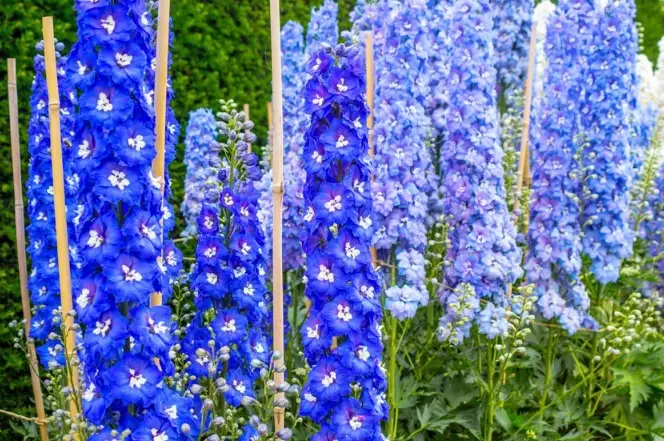
And don't forget, delphiniums are exceptional cut flowers. To cut them for a vase, choose spikes where about a third of the flowers are open. Cut in the morning, immediately place the stems in a bucket of deep, lukewarm water, and let them hydrate for a few hours before arranging. They can last over a week in a vase. Sear the hollow stem ends with a flame for a few seconds; some people swear this helps them last longer by sealing the sap.
Answers to Your Burning Delphinium Questions
Growing delphiniums is a commitment. They ask for more attention than a daylily or a coneflower. But what they give back in sheer, dramatic beauty is unmatched. That moment in early summer when the first spikes begin to color up, holding that promise of sky-blue or deep violet towers, makes every bit of effort fade away. Start with good soil, give them sun, stake them well, and keep an eye out for slugs and mildew. Do that, and you'll be well on your way to having the garden showpiece you've always wanted.
It's not about having a perfect garden. It's about the joy of growing something truly spectacular. And if I can do it after my early failures, so can you. Just give those delphinium flowers what they're asking for, and they'll repay you tenfold.