Your Quick Guide to Hens and Chicks
Let's be honest. Sometimes we want a gorgeous garden, but life gets in the way. The watering can sits empty, the summer sun beats down, and those fancy plants we bought on a whim start looking... well, sad. If this sounds familiar, then you need to meet the perennial flowers hens and chicks. Their botanical name is Sempervivum, which literally means "always alive" in Latin. And let me tell you, that name isn't just for show.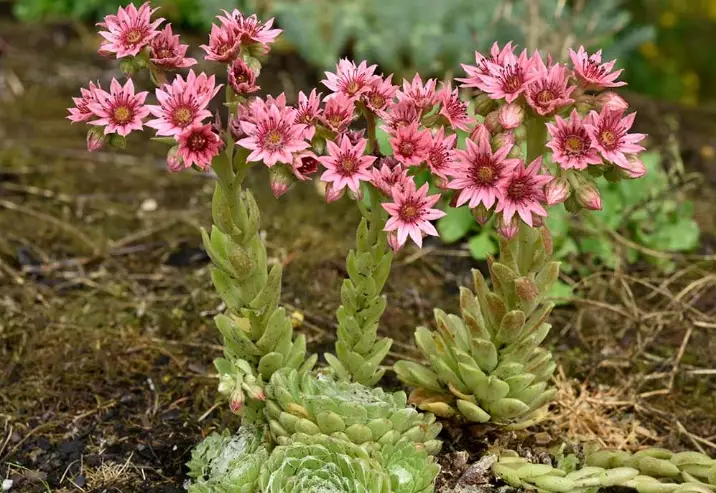
I remember the first time I really noticed them. They were crammed into a crack in an old stone wall, with barely a speck of soil in sight. It hadn't rained in weeks, but there they were, a tight rosette (the "hen") surrounded by a bunch of tiny offsets (the "chicks"), looking perfectly plump and content. That's the moment I became a believer. These aren't just plants; they're survivors.
So, what exactly are these quirky plants? Hens and chicks are cold-hardy, drought-tolerant succulent perennials. They form low-growing mats of rosettes, and they're one of the few succulents that can handle freezing winters and bounce right back. They're the ultimate set-it-and-forget-it plant for busy people, new gardeners, or anyone cursed with a "brown thumb."
Why Choose Hens and Chicks for Your Garden?
You might be wondering, with all the perennial flowers out there, why pick hens and chicks? Good question. It's not just about their tough-as-nails attitude, though that's a huge part of it.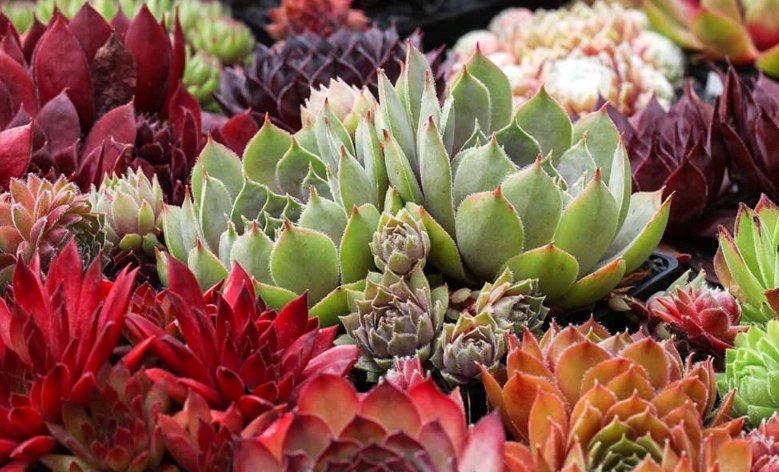
First, they offer insane textural interest. Those geometric rosettes look almost otherworldly, especially when they get a blush of color from the sun. They're perfect for adding structure to a garden bed, softening the edges of a path, or filling in gaps between stepping stones. Their versatility is through the roof.
Second, they're a plant that keeps on giving. The "hen" will slowly produce those adorable "chicks" on little stems called stolons. You can let them cluster into a dense mat, or you can easily snap the chicks off and replant them elsewhere. It's the gift that keeps on giving. Before you know it, you'll have more hens and chicks perennial flowers than you know what to do with (a great problem to have).
And finally, they're practically pest-free. Slugs? Deer? Rabbits? They usually take one look and move on to something tastier. The thick, waxy leaves are just not on the menu. This alone saves you a ton of hassle and heartache.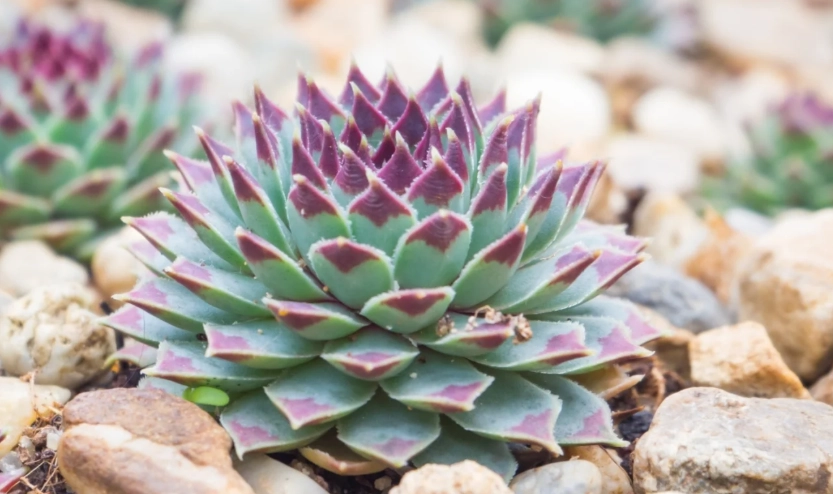
Getting Started: Planting and Core Care
Okay, you're sold. Now, how do you not kill them? The good news is, the rules for Sempervivum care are simple, but they're different from your average petunia.
The Non-Negotiables: Soil and Sun
This is the most important part. Drainage, drainage, drainage. I can't stress this enough. If your soil holds water like a sponge, your hens and chicks will rot. They need soil that lets water run through it quickly.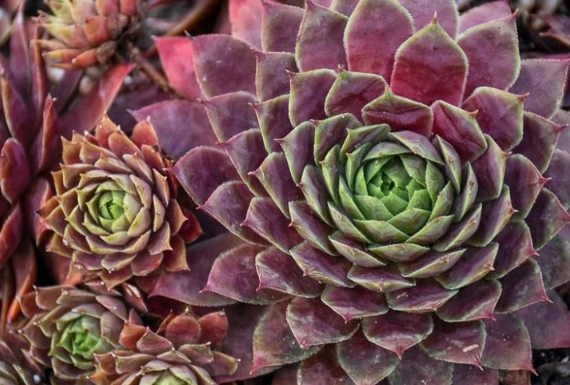
For in-ground planting, amend heavy clay soil with a generous amount of coarse sand, perlite, or fine gravel. For containers, use a commercial cactus or succulent mix, or make your own with half potting soil and half perlite/pumice.
Sun is their best friend. Aim for at least 6 hours of direct sunlight a day. More sun means tighter, more colorful rosettes. In very hot climates (think Arizona), a bit of afternoon shade can prevent scorching, but generally, the more sun, the better.
Watering: The Art of Benign Neglect
This is where most people go wrong. You don't water these on a schedule. You water them when the soil is completely dry. Stick your finger in the soil. Is it dry an inch down? Then maybe it's time.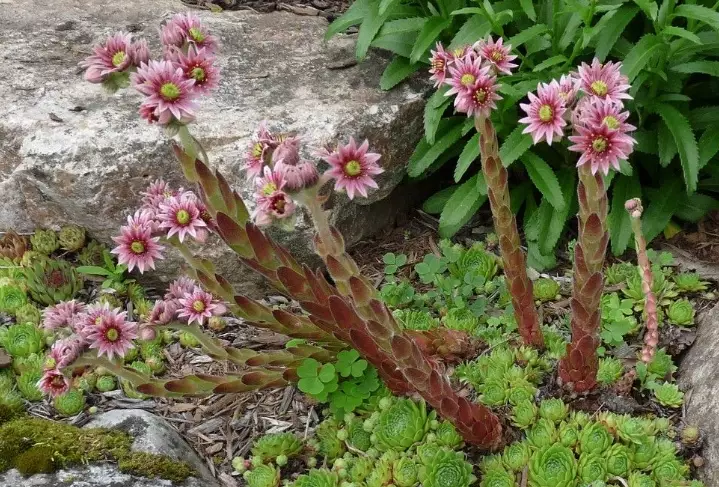
When you do water, give them a good, deep soak until water runs out the drainage holes. Then, walk away. Don't water again until the soil is bone dry. In the winter, if they're under snow or in dormant cold, you can pretty much stop watering altogether. Overwatering is the #1 killer of these otherwise indestructible plants.
Feeding and Winter Care
They're light feeders. A single, diluted dose of a balanced, water-soluble fertilizer in early spring is plenty. More than that, and you'll get soft, weak growth that's prone to problems. Honestly, I often skip fertilizer altogether, especially if they're in the ground.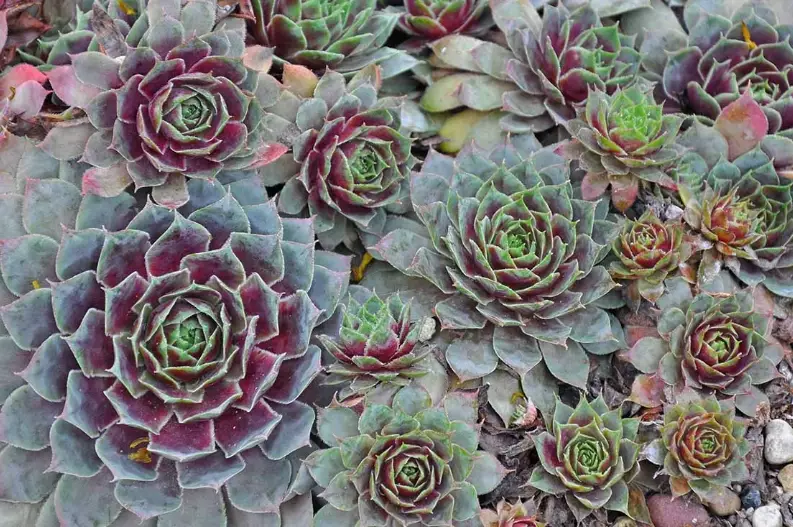
Winter is no problem. Hens and chicks perennials are incredibly cold-hardy, with many varieties surviving down to USDA zone 3 or 4 (that's -30 to -40°F!). The secret is the dry conditions. Wet soil in freezing temperatures is deadly. Ensure their planting site has perfect drainage, and they'll often turn beautiful shades of purple, red, or bronze in the cold before greening up again in spring.
Our Top Picks: Must-Grow Sempervivum Varieties
Not all hens and chicks are created equal. The variety in color, form, and texture is astounding. Here are a few standout cultivars that are reliable and stunning.
| Variety Name | Color & Appearance | Special Characteristics | Best For |
|---|---|---|---|
| Sempervivum 'Pacific Blue Ice' | Powdery blue-green leaves with deep red tips. | Extremely cold-hardy, forms large, striking rosettes. | Making a bold color statement in rock gardens. |
| Sempervivum arachnoideum (Cobweb Houseleek) | Small green rosettes covered in fine, white, cobweb-like hairs. | The classic "cobweb" look is unforgettable. Loves sharp drainage. | Fairy gardens, containers, and sparking conversation. |
| Sempervivum 'Red Rubin' | Deep wine-red leaves that hold their color well in sun. | Vigorous grower, produces lots of chicks. Color intensifies with stress. | Adding dark contrast to green plantings or silver foliage. |
| Sempervivum tectorum (Common Houseleek) | Green with burgundy tips. The classic, old-world variety. | Historically planted on thatched roofs in Europe to ward off fire and lightning (hence the name!). | Traditional cottage gardens and green roofs. |
| Sempervivum 'Gold Nugget' | Bright golden-yellow to lime green foliage. | Provides a shock of bright color. Can be slightly less sun-tolerant. | Brightening up shady corners (with some morning sun). |
Choosing a variety is half the fun. My personal favorite is the cobweb type, though I'll admit they can look a bit creepy if you're not into the spider-web aesthetic. The 'Red Rubin' is a workhorse in my garden, providing constant color.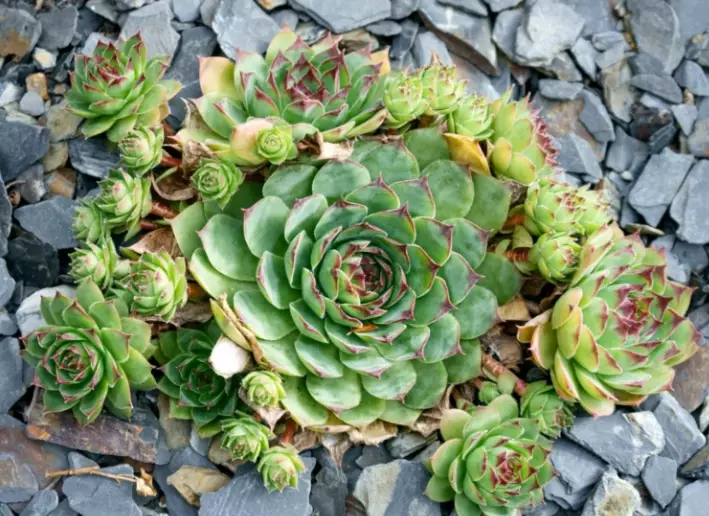
Design Ideas: Using Hens and Chicks Creatively
Don't just stick them in a boring row. These plants beg for creativity. Their architectural form makes them ideal for modern and rustic designs alike.
The Living Mosaic: Plant a patchwork of different colored varieties close together. Over time, as they multiply and interweave, they'll create a stunning, ever-evolving tapestry of color and texture. It's like a living quilt.
Container Magic: They are stars in containers. Use a shallow, wide pot (often called a "succulent dish"). Combine 2-3 varieties of hens and chicks perennial flowers with other small, drought-tolerant companions like sedums, creeping thyme, or small ornamental grasses. The key is to let them fill in and spill over the edges.
The Crack Filler: This is my favorite use. Have a gap in a dry stone wall? A space between patio pavers? Tuck a small chick and a pinch of gritty soil into the crevice. It will root in and look like it's been there for centuries. It instantly adds age and charm to a landscape.
The Green Roof Starter: Because of their shallow roots and drought tolerance, Sempervivums are classic plants for extensive green roofs. If you have a small shed, birdhouse, or even a mailbox with a flat top, consider creating a miniature green roof. The Royal Horticultural Society (RHS) has some excellent general guidance on growing succulents that reinforces these principles.
Propagation and Problem-Solving
So your hen is surrounded by a brood of chicks. Now what? Propagation is laughably easy.
In spring or summer, simply grasp a well-formed chick (it should be about the size of a quarter or larger) and give it a gentle twist. It should snap cleanly off from the mother hen. Sometimes they come off with a bit of stem, sometimes with a few nascent roots already attached. Let the broken end dry and callous over for a day or two (this prevents rot), then place it on top of fresh, gritty soil. Don't even bury it deeply. Just set it on top and maybe wiggle it in slightly. Give it a light water. It will root itself within a few weeks. That's it. You've just created a new plant for free.
Common Issues (They're Few, But Here They Are)
Rotting Center (Mushy Hen): A sure sign of overwatering or poor drainage. Sadly, the main rosette is often a goner. But check the chicks! They might still be healthy. Remove all rotting material, let the soil dry out completely, and salvage any healthy offsets.
Stretched, Leggy Growth (Etiolation): The rosettes are stretching out, reaching for light. They need more sun. Gradually move them to a sunnier location.
Birds or Critters Uprooting Them: Occasionally, birds might peck at them or squirrels might dig them up, mistaking them for a nut cache. If this happens, just replant. They're tough. Using a top dressing of small gravel can deter this.
The "Bloom of Death": This isn't a problem, but it startles new growers. After several years, a hen will decide to flower. It sends up a tall, quirky, often pink or red flower stalk from its center. It's fascinating to watch, but it means that particular rosette has completed its life cycle and will die after blooming. Don't panic! It will have produced many chicks around it by then, which will carry on. Just snap off the spent flower stalk once it's done.
Frequently Asked Questions
Let's tackle some of the specific questions that pop up when people are searching for info on these plants.
Wrapping It Up
If you're looking for perennial flowers that deliver maximum impact with minimum effort, you really can't beat hens and chicks. They're drought-tolerant, cold-hardy, pest-resistant, and endlessly propagatable. They solve landscape problems, add unique texture, and ask for almost nothing in return.
Start with a few different varieties in a sunny, well-drained spot. Resist the urge to water them. Watch them multiply. Before long, you'll have a thriving colony of these fascinating plants, and you'll understand why they've been beloved by gardeners for centuries. They're not just plants; they're a lesson in resilience and simple beauty.
Give them a try. The worst that can happen is you finally have a plant that thrives on your forgetfulness. And honestly, isn't that what we all need sometimes?