Quick Guide
- Meet the Real Periwinkle Plants
- The "Periwinkle Blue" Color Club: Other Flowers That Rock the Hue
- How to Grow and Care for True Periwinkle (Vinca)
- Design Ideas: Using Periwinkle Blue in Your Garden
- Common Problems (And Real Solutions)
- Frequently Asked Questions (The Stuff You Actually Search For)
- Final Thoughts: Is Periwinkle Right for You?
You know that color. The one that shows up in early spring, sometimes poking through the last bit of snow, a cheerful blue that seems to glow from within. People call them periwinkle blue flowers, and if you're like me, you've probably pointed at a garden bed and said, "Look at those lovely periwinkles!" only to have a friend correct you. It turns out, the whole "periwinkle blue" thing is a bit of a garden mystery, and honestly, a little confusing. Is it a specific plant? A color description? A whole family of flowers? Let's untangle it.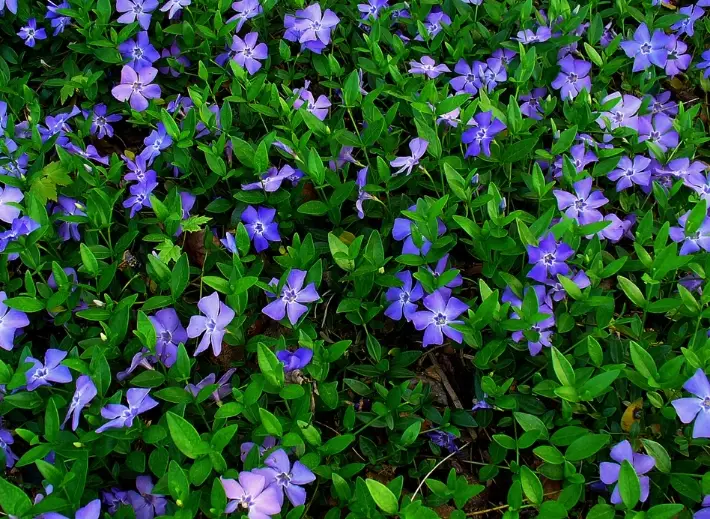
Most of the time, when someone says "periwinkle," they're talking about Vinca minor. It's the classic ground cover with glossy green leaves and those iconic five-petaled, pinwheel-shaped flowers in shades of lavender-blue. It's tough, it spreads, and it blooms like crazy in spring with a few sporadic flowers later on. But here's the kicker – "periwinkle blue" as a color can describe a whole range of plants that aren't Vinca at all. It's that specific soft blue with a hint of lavender, a color that has captivated gardeners for centuries. So this guide is for anyone who loves that color, whether it comes from the true periwinkle plant or from its floral cousins that share the same gorgeous hue.
Meet the Real Periwinkle Plants
Let's start with the namesakes. If you want the authentic, classic periwinkle blue flower experience, these are your go-to plants. They're the reason the color has its name.
Vinca Minor (Lesser Periwinkle)
This is the MVP of the shade garden. I've had a patch of it under a large oak tree for years, in soil that's mostly tree roots and clay, and it has never once complained. It's an evergreen ground cover in milder climates, with trailing stems that root as they go. The flowers are about an inch across, and that blue? It's the quintessential periwinkle blue – not too purple, not too sky-blue, just right.
What I like: It's indestructible. Deer don't touch it. Once established, it's drought-tolerant. It suppresses weeds beautifully. It's perfect for slopes, under trees, or anywhere you need a low-maintenance carpet.
What I don't like: "Vigorous" is a polite term. It can be a thug. I've spent more than one afternoon pulling it out of my hosta bed because it got a little too enthusiastic. You have to manage it, or it will manage your garden. Also, the main bloom is spectacular but brief in mid-spring.
Catharanthus Roseus (Madagascar Periwinkle)
Now this is a different beast altogether. Often sold as "annual vinca," it's not a true Vinca but gets the name because the flowers look similar. This is the sun-worshipper. You'll see it in parking lot planters and summer borders because it thrives on heat and neglect. The flowers come in many colors now (white, pink, purple), but the classic varieties often have that lovely periwinkle blue center with a white eye.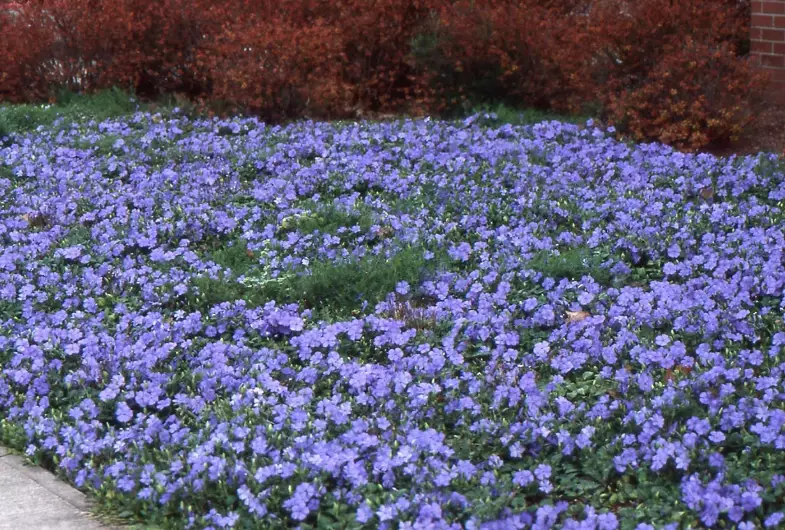
It's a tender perennial grown as an annual in most places. The leaves are narrower and glossier than Vinca minor. The big selling point? It blooms non-stop from planting until frost. No deadheading needed. It just keeps pumping out those cheerful, five-petaled flowers.
Vinca Major (Bigleaf Periwinkle)
Imagine Vinca minor on steroids. Bigger leaves (sometimes variegated with creamy edges), bigger flowers, and even more vigorous growth. It's less cold-hardy than its smaller cousin. The periwinkle blue flowers are larger and appear in spring. It's beautiful but use it with extreme caution. It's listed as an invasive plant in many areas, like parts of California, because it can smother native undergrowth. Check with your local extension service before planting. The National Invasive Species Information Center is a good resource to understand risks in your region.
The "Periwinkle Blue" Color Club: Other Flowers That Rock the Hue
This is where it gets fun. If you're designing a garden around a color theme, you need more than one plant. Here are some stunning alternatives that deliver that same soft blue magic, often with different shapes, textures, and bloom times to extend your season of interest.
| Plant Name | Type | Bloom Time | Light Needs | Why It's a Great Stand-In |
|---|---|---|---|---|
| Brunnera macrophylla 'Jack Frost' | Perennial | Mid to Late Spring | Part Shade to Shade | Heart-shaped, silvery leaves with delicate sprays of tiny, bright blue flowers that look like forget-me-nots. The foliage is stunning all season. |
| Hydrangea macrophylla (Bigleaf Hydrangea) | Shrub | Summer | Part Shade | Certain varieties like 'Nikko Blue' or 'Endless Summer' can produce true periwinkle blue flowers in acidic soil. It's a showstopper. |
| Lobelia erinus (Trailing Lobelia) | Annual | Spring to Frost | Sun to Part Sun | A cascading plant with a profusion of small, intense blue flowers. Perfect for containers, window boxes, and edging. |
| Salvia nemorosa 'Caradonna' | Perennial | Early Summer to Fall | Full Sun | Spikes of deep violet-blue flowers that pollinators adore. A more vertical element with a long bloom time. |
| Myosotis (Forget-Me-Not) | Biennial/Self-seeds | Spring | Part Shade | The quintessential spring blue. It naturalizes easily, creating a dreamy, cottage-garden cloud of periwinkle blue flowers. |
You see? Your palette just expanded massively. A garden with just Vinca minor is lovely, but a garden that layers Brunnera in spring, accents with Lobelia in summer containers, and has a hydrangea as a backdrop? That's a masterclass in blue.
How to Grow and Care for True Periwinkle (Vinca)
So you've decided to plant the classic. Good choice. It's forgiving, but giving it a good start means less work later. Here’s the down-and-dirty on keeping it happy without coddling it.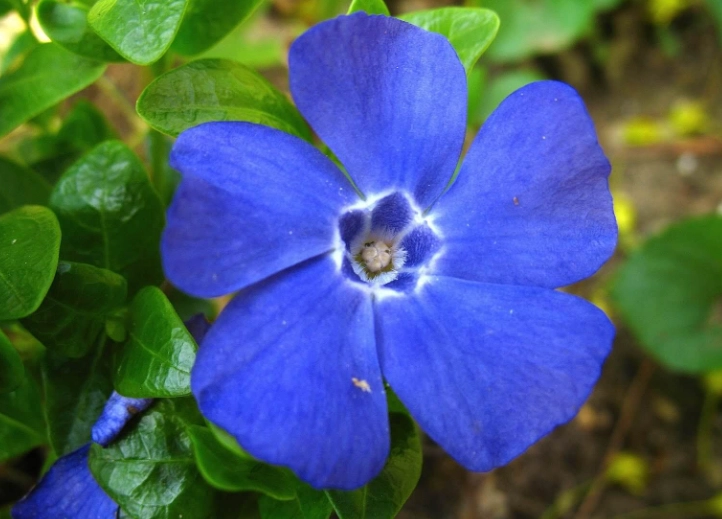
Planting 101: Location is (Almost) Everything
Vinca minor is famously shade-tolerant, but "tolerant" and "thriving" are different. It will grow in deep shade, but you'll get more of those coveted periwinkle blue flowers if you give it some dappled sunlight or morning sun. I've found the sweet spot is under deciduous trees. It gets light in early spring when it's ready to bloom, then the tree canopy leafs out and protects it from the harsh summer sun.
Soil? It's not fussy. Average, well-drained soil is fine. It tolerates poor soil, clay, and competition from tree roots. If you're planting it, just dig a hole, mix in a little compost if you have it (to help with establishment, not because it needs the nutrients), pop the plant in, and water it well for the first few weeks. Space them about a foot apart if you want a quick fill-in. They'll meet in the middle in a season or two.
The Unspoken Truth About Watering and Feeding
Here's a secret: established periwinkle is one of the most drought-tolerant ground covers you can find. Those glossy leaves hold moisture. I barely water my patch, even in dry spells. Overwatering is a bigger risk than underwatering, especially in heavy soil.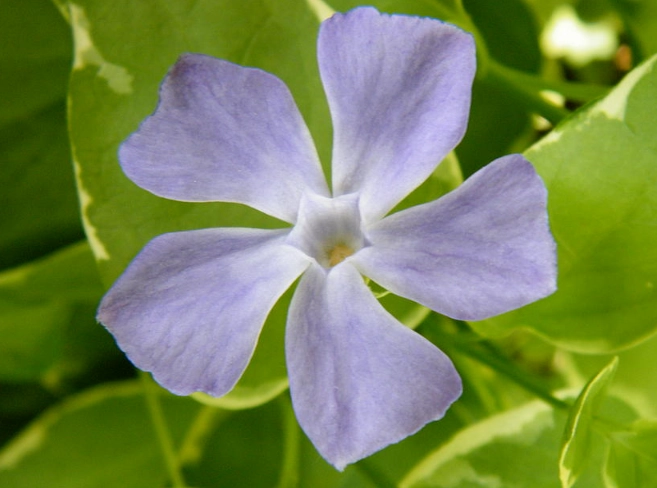
Fertilizer? Honestly, I never fertilize mine. It grows fast enough as it is. If you're planting in pure sand or want to encourage faster coverage, a light application of a balanced, slow-release fertilizer in early spring is plenty. More food just means more trimming for you later.
Pruning and Keeping It in Check
This is the main maintenance task. If you don't want your periwinkle blue flowers taking over the yard, you need a plan.
- The "Mow" Method: For large, established areas, you can literally run a lawnmower (set on the highest setting) over it in late winter. It sounds brutal, but it works. It chops up the old growth, encourages fresh, dense growth, and often leads to a better bloom.
- The "Shear" Method: Using hedge shears or a string trimmer, give it a haircut after the main spring bloom is finished. This neatens it up and can sometimes encourage a few more flowers.
- The "Tear" Method: This is hands-and-knees work. If a runner has ventured into forbidden territory (the lawn, the flower bed), grab it and pull it up, following it back to the main plant. It usually tears out cleanly. Do this a few times a season to maintain crisp edges.
You have to be vigilant. Once a stem touches the soil, it can root. I check the edges of my patch every month during the growing season.
Design Ideas: Using Periwinkle Blue in Your Garden
Color is a powerful design tool. That soft, calming blue can do different jobs in your landscape.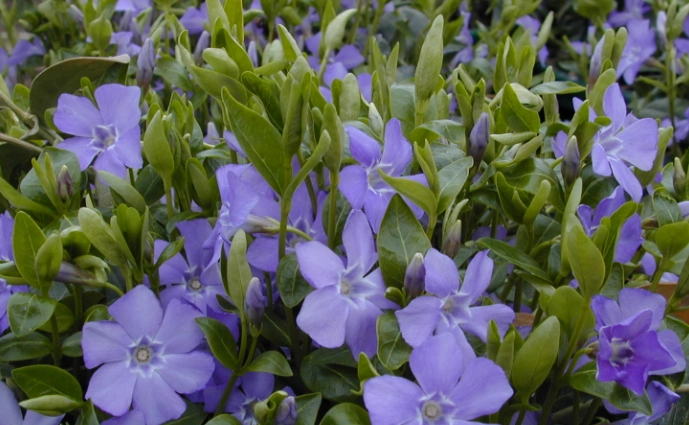
As a Problem-Solving Ground Cover
This is its classic role, and for good reason. Got a steep, shady bank that's hard to mow and erodes? Periwinkle blue flowers to the rescue. It stabilizes the soil with its dense network of roots. Under a dense tree where grass won't grow? Periwinkle creates a lush, green carpet that looks intentional and beautiful. Just remember the containment strategy.
Color Theory in Action
Periwinkle blue is a cool, receding color. It can make a small space feel larger. Plant it in the background of a border to create a sense of depth. Its real magic, though, is in combinations.
- Classic & Calming: Pair it with white (white azaleas, white impatiens) and silver (Lamium, Artemisia) for a serene, moon-garden feel.
- Vibrant & Energetic: Contrast it with warm colors. The blue makes oranges, yellows, and reds pop. Imagine periwinkle spilling at the feet of a bright orange daylily or a cluster of yellow coreopsis. Stunning.
- Monochromatic Sophistication: Go all-in on blue. Combine periwinkle with deeper blue hostas, blue fescue grass, and blue hydrangeas. The variation in texture and shade creates a sophisticated, cohesive look.
In Containers and Hanging Baskets
This is where the annual vinca (Catharanthus) and trailing lobelia shine. Their constant bloom and love for sun make them perfect for pots. Mix them with a spiky, silver-leaved plant like dusty miller and something trailing with white flowers, like bacopa. You've got a low-maintenance, high-impact container that screams summer.
Common Problems (And Real Solutions)
No plant is bulletproof. Here’s what can go wrong with your periwinkle blue flowers, from my experience and from chatting with other gardeners.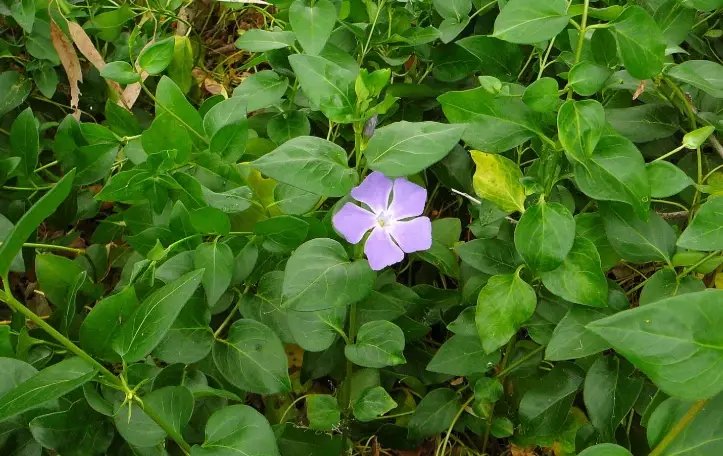
Yellowing Leaves: Usually this is due to one of two things. First, waterlogged soil. Improve drainage or reduce watering. Second, too much sun, especially hot afternoon sun, can scorch the leaves, causing yellow or brown patches. Provide more shade.
Lack of Flowers: If your Vinca minor is all leaves and no blooms, it's probably in too much shade. Try to trim back any overhanging branches to let in more filtered light. Also, an overfed plant will put energy into leaves, not flowers. Stop fertilizing.
Stem Cankers or Dieback: This is a fungal issue, often seen in wet, humid conditions or overcrowded plantings. You'll see brown, sunken lesions on stems, and sections of the plant will die. The solution is to improve air circulation (thin it out by pulling up some runners) and clean up fallen debris. In severe cases, you may need to remove affected sections. Avoid overhead watering.
The Biggest "Problem": Invasiveness. We touched on this, but it bears repeating. Check its status in your area. The USDA Plants Database is an authoritative source for plant distribution and status. If it's a concern, enjoy it in pots or deeply edged beds, or choose a native alternative. Responsibility is part of gardening.
Frequently Asked Questions (The Stuff You Actually Search For)
These are the questions I had when I started, and the ones I see popping up in gardening forums all the time.
Is periwinkle an annual or a perennial?
Ah, the great confusion! It depends on which plant you're talking about and where you live. Vinca minor (lesser periwinkle) is a hardy perennial in USDA zones 4-9. Catharanthus roseus (Madagascar periwinkle) is a tender perennial, meaning it's killed by frost, so it's grown as an annual in most climates. Always check the plant tag!
Do periwinkle blue flowers attract pollinators?
They do, but they're not the top-tier buffet that, say, a salvia is. I see early-flying bees visiting my Vinca minor in spring when not much else is blooming. It provides a valuable early-season nectar source. The simple, open shape of the flower makes it accessible to many insects.
Are periwinkle plants deer resistant?
This is one of their biggest selling points. Yes, both Vinca minor and Catharanthus are typically listed as deer-resistant. The foliage has a slightly bitter taste and a latex-like sap that deer find unpalatable. In my garden, which is a nightly deer highway, they have never once been touched. It's a reliable choice for deer-prone areas.
Can I grow periwinkle from seed?
For Catharanthus roseus (annual vinca), yes, you can start seeds indoors 10-12 weeks before the last frost. They need light to germinate, so don't cover the seeds. For Vinca minor, it's almost never done from seed by home gardeners. It's incredibly easy to propagate by division or simply by digging up a rooted section of a runner and replanting it. That's how most of us get new plants—from friends who are thinning their patch!
What's the difference between periwinkle and creeping myrtle?
They are the same plant! Vinca minor has several common names: periwinkle, creeping myrtle, and sometimes even myrtle. It can be confusing, but if you hear "creeping myrtle," think of the classic periwinkle blue flowers of Vinca minor.
Final Thoughts: Is Periwinkle Right for You?
Look, periwinkle blue flowers are iconic for a reason. That color is a slice of spring sky. The plants are tough, forgiving, and versatile. If you need a solution for a tough spot, want a low-maintenance ground cover, or are just building a blue-themed garden, they are a fantastic option.
But go in with your eyes open. Understand its growth habit. Have a containment plan. Choose the right plant for the right spot—shade-loving Vinca minor for under trees, sun-loving Catharanthus for your pots. And don't be afraid to explore the wider world of "periwinkle blue" colored plants to add depth and longevity to your garden's display.
My original patch of Vinca minor came from my grandmother's garden. Every spring, when those first periwinkle blue flowers open, it's a little hello from her. That's the real magic of gardening—the beauty is more than just color deep. It's memory, it's resilience, and it's a connection to the earth that's simple, direct, and profoundly satisfying. Start with a small plant, give it a good home, and watch it become part of your own garden story.