Quick Guide to Impatiens Light Needs
- Why the "Sun or Shade" Confusion Exists
- Breaking It Down: A Simple Impatiens Sun or Shade Guide
- Beyond the Label: How to Judge Light in YOUR Garden
- The Perfect Planting Recipe (Based on Light)
- Top Varieties for Specific Light Conditions
- Common Questions About Impatiens Sun or Shade
- The Bottom Line: It's About Balance, Not Dogma
Alright, let's get straight to the point. You're probably standing in your garden, looking at a pack of impatiens seeds or a flat of those cheerful little plants, and the big question hits you: do these things need sun or shade? It's not a silly question at all. In fact, it's the single most important thing you need to get right if you want a season full of non-stop color instead of a sad, wilted mess.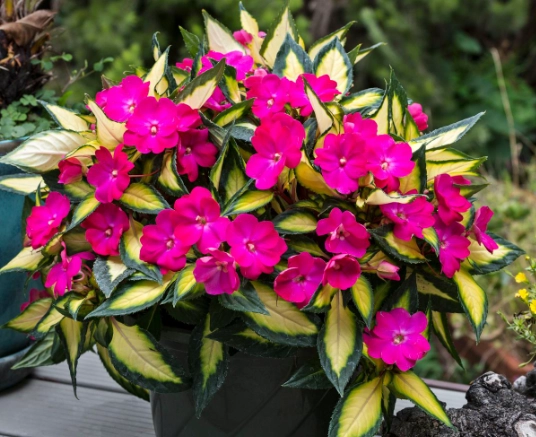
I've been there. I've killed my share of impatiens by putting them in the wrong spot. One year, I planted a whole bed of what I thought were "shade-loving" impatiens in what I considered a "bright" area. It got maybe four hours of morning sun. By July, they were leggy, sparse, and blooming like they were doing me a favor. It was pathetic. The next year, determined to fix it, I planted New Guinea impatiens in full, blazing afternoon sun. That was an even worse disaster. They fried. I'm talking crispy leaves, stunted growth, the whole nine yards. So, I learned the hard way that the answer to "impatiens sun or shade" is never simple. It's a big, frustrating, "it depends."
The Quick Answer (Before We Dive Deep): Most traditional bedding impatiens (Impatiens walleriana) prefer part shade to full shade. Their flashier cousins, New Guinea impatiens, can handle more sun—often part sun to full sun in cooler climates. But that's just the tip of the iceberg. Your specific location, soil, and even the pot you use changes everything.
Why the "Sun or Shade" Confusion Exists
It's not your fault if you're confused. Go to any big garden center, and the plant tag might just say "partial shade" for everything. That term is about as helpful as a chocolate teapot. What does "partial" even mean? Two hours of sun? Four? Morning sun or afternoon sun? There's a world of difference.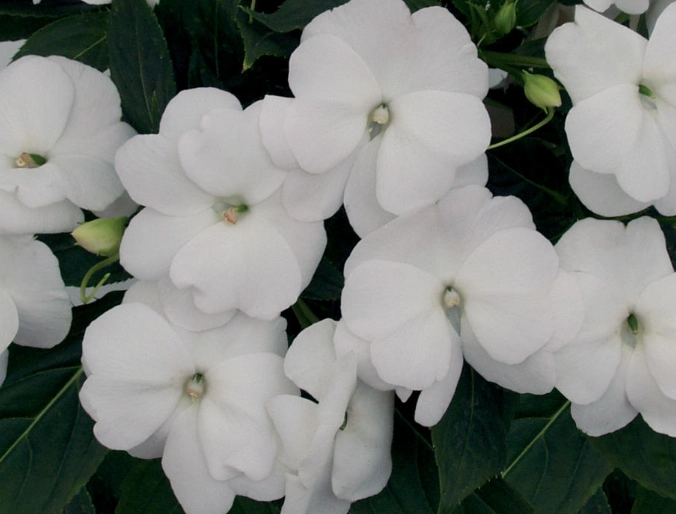
The confusion stems from the fact that there are several major types of impatiens, and they have evolved in different environments. The old-school, classic impatiens hail from forest floors in East Africa. Their natural habitat is dappled light under trees—bright but rarely direct, scorching sun. Then you have New Guinea impatiens, which come from, well, New Guinea. They're used to more open, bright conditions, though often with high humidity and consistent moisture. They're just tougher when it comes to light.
And let's not forget the downy mildew saga. That disease wiped out a lot of traditional impatiens for a few years, which pushed breeders and gardeners toward the more resistant New Guinea types and SunPatiens®. Suddenly, gardeners were told they could plant "impatiens" in sunnier spots, but no one clarified which impatiens. No wonder everyone's scratching their heads.
Breaking It Down: A Simple Impatiens Sun or Shade Guide
Let's make this practical. Here’s a breakdown of the most common impatiens you'll find and their real-world light preferences. Think of this as your cheat sheet.
| Type of Impatiens | Ideal Light Conditions | What "Ideal" Really Means | What Happens if You Get It Wrong? |
|---|---|---|---|
| Traditional Bedding Impatiens (Impatiens walleriana) | Part Shade to Full Shade | Bright, indirect light all day. Or 2-4 hours of gentle morning sun. Absolutely no hot afternoon sun. | Too much sun: Leaves scorch (bleached, brown edges), soil dries too fast, plant wilts constantly, blooms stop. Too much shade: Plant becomes leggy (long stems with few leaves), produces very few flowers, can be more susceptible to fungal issues. |
| New Guinea Impatiens | Part Sun to Full Sun (in cooler areas) | They love 4-6 hours of sun, preferably morning sun. In hot climates (USDA zones 7+), afternoon shade is CRITICAL. | Too much sun (especially hot afternoon): Leaf scorch, faded flower color, compacted growth, constant wilting. Too much shade: Fewer blooms, less vibrant leaf variegation, slower growth. |
| SunPatiens® Series | Full Sun to Part Shade | The most flexible. Can thrive in 6+ hours of direct sun IF watered adequately. Also performs well in part shade. | Very tolerant, but extremes matter. In full sun with drought: Will wilt and suffer like any plant. In deep shade: May grow lush foliage but with significantly reduced flowering. |
| Balsam Impatiens (Impatiens balsamina) | Full Sun to Part Shade | An heirloom type that's surprisingly sun-tolerant. Likes warmth and good light for best flowering. | Too much shade: Weak stems, poor flowering. It's actually more forgiving of sun than deep shade. |
See? It's not one rule. Picking the right plant for your light is 90% of the battle. If you have a sunny patio, grabbing the first flat of cheap "impatiens" without checking the type is a recipe for disappointment.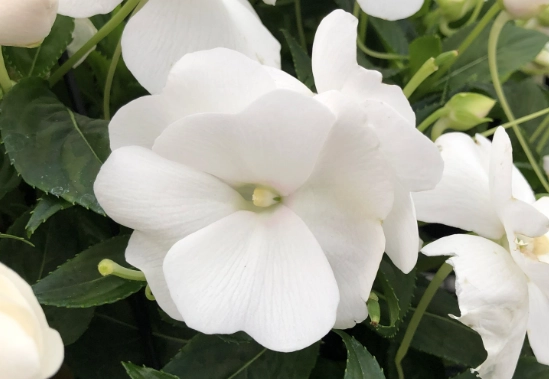
My own rule of thumb now? For the shadiest spots (like the north side of my house or under a dense maple tree), I go with traditional impatiens every time. For my containers on the deck that get a solid 5 hours of morning sun, New Guineas are my heroes. And for that one brutal, sunny flower bed by the driveway? That's where SunPatiens® earn their keep.
Beyond the Label: How to Judge Light in YOUR Garden
Plant tags lie. Well, not lie, but they generalize terribly. "Full sun" in cloudy Seattle is a gentle caress compared to "full sun" in scorching Arizona. You need to become a detective in your own space.
Here’s what I do, and it sounds tedious but takes one day: Pick a sunny day in late spring or summer. Go out in your garden at 9 AM, 12 PM, 3 PM, and 6 PM. Just observe. Where is the sun hitting directly? Where is it dappled? Where is it pure shadow? Take pictures or draw a crude map. That shady spot at 9 AM could be a solar oven by 3 PM. That's the killer—the intense afternoon sun. Morning sun is nearly always better for most plants, impatiens included, because it's less intense and dries dew from leaves, reducing disease risk.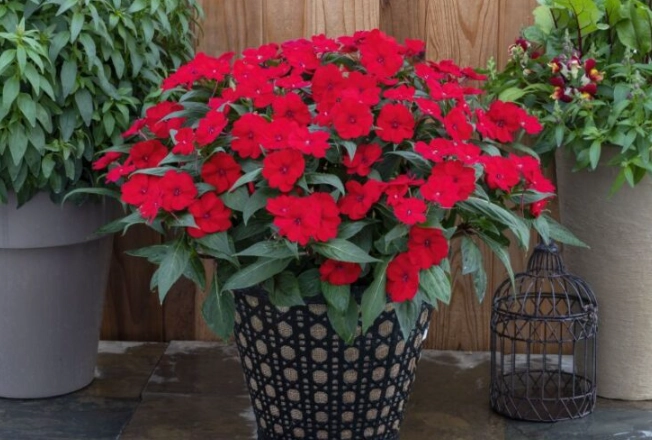
Pro Tip: Observe the shadows. A sharp, well-defined shadow means direct sun. A soft, fuzzy shadow means indirect or filtered light. Impatiens generally prefer the soft-shadow zones.
Signs Your Impatiens Are Getting the Wrong Light
Your plants will tell you if you're messing up the whole impatiens sun or shade balance. You just have to listen.
- Too Much Sun (The "I'm Burning!" Signs):
- Leaf Scorch: The clearest sign. Leaves develop dry, brown, papery edges or patches, often starting on the tips or the side facing the sun. The green parts might look bleached.
- Constant Wilting: Even if you watered them in the morning, they're drooping by midday. The soil feels dry an inch down.
- Flowers Fade Quickly: Blooms lose their vibrant color rapidly, looking washed out.
- Stunted Growth: The plant just seems small, tight, and unhappy, refusing to bush out.
- Too Much Shade (The "I'm Bored!" Signs):
- Legginess: The plant stretches out, with long, weak stems between leaf nodes. It's reaching desperately for more light.
- Sparse Flowering: You get lots of nice green leaves (because they're chasing photosynthesis) but very few flowers. The plant's energy is going into survival, not reproduction.
- Small Leaves: New leaves might be smaller than usual.
- Increased Pest/Disease: Poor air circulation in deep shade and damp leaves can invite slugs, snails, and fungal diseases like powdery mildew.
The Perfect Planting Recipe (Based on Light)
Getting the light right is step one. But step two is supporting your plant in that light with the right soil, water, and food. They all work together.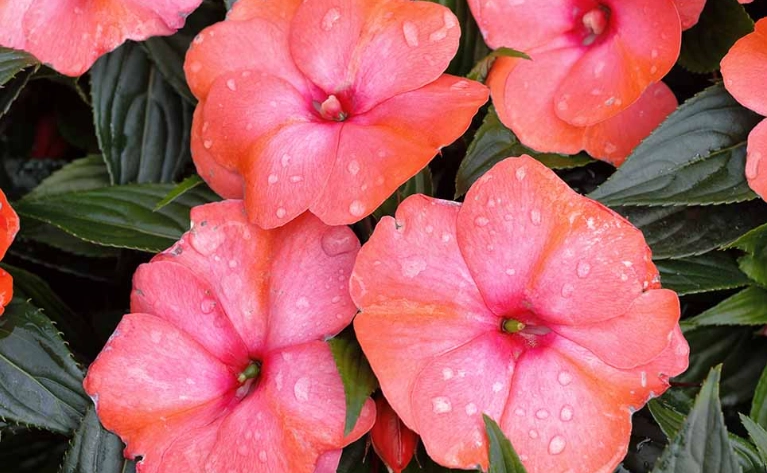
For Impatiens in Shadier Spots:
You'd think shade is easier. It's not. The challenges are different.
- Soil: This is crucial. Shady areas often stay damp. You need excellent drainage to prevent root rot. Amend clay soil heavily with compost or a bagged planting mix. I mix in some perlite or coarse bark for extra aeration. A great resource for understanding soil amendments is the University of Minnesota Extension website—they have fantastic, science-based guides.
- Watering: Check soil moisture with your finger. Water deeply when the top inch feels dry, but don't let them sit in soggy soil. Water in the morning so leaves dry quickly.
- Fertilizer: Use a balanced, slow-release fertilizer at planting time. Since growth might be slower in deep shade, a light liquid feed every 4-6 weeks is plenty. Over-fertilizing in shade leads to soft, weak growth.
- Spacing: Give them a little more room than the tag says. Better air flow fights off fungus in damp, shady conditions.
For Impatiens in Sunnier Spots:
Here, the game is about moisture retention and sun protection.
- Soil: You still need good drainage, but you also need moisture retention. A rich compost-based soil is perfect. Adding peat moss or coco coir can help it hold water longer.
- Watering: This is non-negotiable. Impatiens in sun are thirsty. You will likely need to water every day or every other day in peak summer, especially in containers. Drip irrigation or soaker hoses are lifesavers. Wilting in the sun is a major stressor—try to prevent it.
- Mulch: A 2-3 inch layer of organic mulch (shredded bark, pine straw) is your best friend. It keeps the roots cool and drastically reduces water evaporation from the soil.
- Fertilizer: Plants working hard in the sun need more fuel. A slow-release fertilizer plus a bi-weekly dose of a water-soluble bloom booster (higher phosphorus) will keep flowers coming. But if you see leaf burn at the tips, you might be overdoing it.
Biggest Mistake I See: People think "sun-tolerant" means "drought-tolerant." It absolutely does not. SunPatiens® in full sun will drink more water than a traditional impatiens in shade. If you can't commit to frequent watering, don't put them in full sun.
Top Varieties for Specific Light Conditions
Let's get specific. Here are some champion performers I've personally had success with (and some I haven't).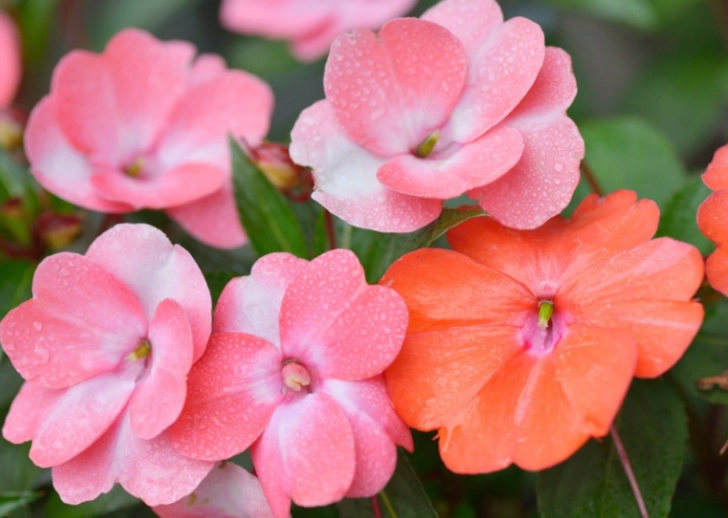
Best for Deep, Gloomy Shade:
- Impatiens walleriana 'Super Elfin Series': Oldie but goodie. Compact, mounds of color, and will actually bloom in places where you think nothing will. Just keep them moist.
- Impatiens walleriana 'Beacon Series': These are bred for resistance to downy mildew, which is a bigger risk in cool, damp, shady spots. A smart choice if you've had disease problems before.
Best for Part Sun (Morning Sun / Afternoon Shade):
- New Guinea Impatiens 'Divine Series': Great foliage color and large, bright flowers. They really shine with a few hours of direct sun but appreciate the afternoon break.
- New Guinea Impatiens 'SunStanding Series': As the name implies, they hold up well. I find their flower power in these conditions is impressive.
Best for Brighter, Hotter Spots:
- SunPatiens® 'Compact Series': For containers or smaller beds. They handle heat and sun like champs but still need water. The 'Vigorous Series' will fill a large space fast if you have it.
Balsam Impatiens: The "touch-me-not" with its cute little snapdragon-like flowers. It's an annual that often self-seeds. It loves warmth and can take more sun than people think.
I tried the 'Infinity Series' New Guineas in what was supposed to be part sun, but it turned into more like full afternoon sun. They struggled. They survived, but they didn't thrive. Lesson reinforced.
Common Questions About Impatiens Sun or Shade
Let's tackle the stuff you're actually typing into Google.
The Bottom Line: It's About Balance, Not Dogma
After all these years and dead plants, here's my final take. Don't get hung up on the exact labels of sun or shade. Think of it as a sliding scale of energy input and moisture output.
More sun = more energy for flowers BUT also more water loss and heat stress.
More shade = less water stress BUT also less energy for flowers.
Your job as a gardener is to pick the right type of impatiens for the energy (light) level of your spot, and then manage the water and soil to support that choice. A New Guinea impatiens in part sun with perfect watering will outperform a traditional impatiens in deep shade every time. But a traditional impatiens in perfect, bright shade will run circles around a New Guinea struggling in afternoon bake.
Start with the table in this guide. Match your garden's light to the plant type. Get the soil and watering right. And then just watch. They'll tell you if they're happy. If not, don't be afraid to move them. I've transplanted mid-season impatiens before. They pout for a week, then often bounce back better than ever in their new, better-suited home.
So, stop worrying about finding the one perfect answer to "impatiens sun or shade." Instead, see it as matching a plant's personality to your garden's room. Get that match right, and you'll have color from spring until frost without the headache.
Reader Comments