Quick Guide
- What Exactly Is an Anemone Flower?
- The Main Anemone Types You Need to Know
- How to Plant Anemones The Right Way (No More Guesswork)
- The Real Deal on Anemone Plant Care
- Common Problems (And Simple Fixes)
- Designing With Anemones in Your Garden
- Frequently Asked Questions (The Stuff You Actually Search For)
- Wrapping It Up: The Simple Truth About Anemones
Let's talk about anemones. You've probably seen them—those delicate, poppy-like blooms dancing on slender stems in a friend's garden or maybe in a stunning floral arrangement. They look fragile, almost too elegant for the rough and tumble of a real garden, right? That's the first thing most people get wrong about the anemone flower.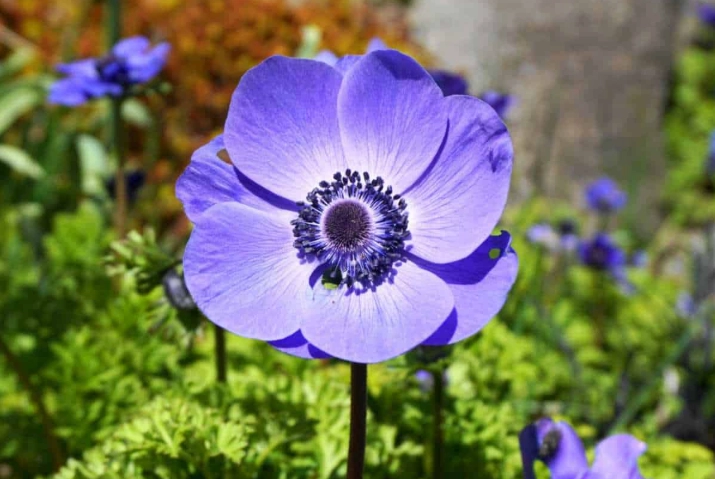
I thought the same thing when I first tried growing them. I treated them like precious china, and let's just say the results were... underwhelming. A few spindly stems, flowers that lasted about a day before looking sorry for themselves. It was frustrating. But then I learned they aren't the divas they appear to be. In fact, once you understand a few simple things about what they really want, anemones are some of the toughest, most reliable performers you can have. They'll come back year after year, spreading quietly and putting on a show that stops people in their tracks.
This guide is everything I wish I'd known back then. We're going to strip away the mystery and get into the real, practical dirt of growing anemones. No fluff, just what works.
What Exactly Is an Anemone Flower?
The name "anemone" comes from the Greek word for "wind" (anemos), which is why you'll often hear them called windflowers. It's a fitting name if you've ever seen a patch of them swaying in a spring breeze. They belong to the Ranunculaceae family, which makes them cousins to buttercups and clematis. But here's the kicker—not all anemones are created equal, or even planted at the same time.
This is the single biggest point of confusion. When someone says "anemone," they could be talking about one of three main groups, and mixing them up is a recipe for disappointment.
They also carry a bunch of symbolism. In the language of flowers, anemones often represent anticipation, fragility against hope, and protection from evil. The ancient Greeks linked them to the myth of Aphrodite and Adonis, where the red anemones sprung from Adonis's blood. A bit morbid, but it adds to their romantic, timeless appeal. For me, though, their meaning is simpler: they're the sign that the garden is waking up, or that it's putting on one last glorious show before the quiet of winter.
The Main Anemone Types You Need to Know
You can't just pick any anemone the flower nursery has in stock. You need to choose the right soldier for the right job in your garden. Let's break down the major players.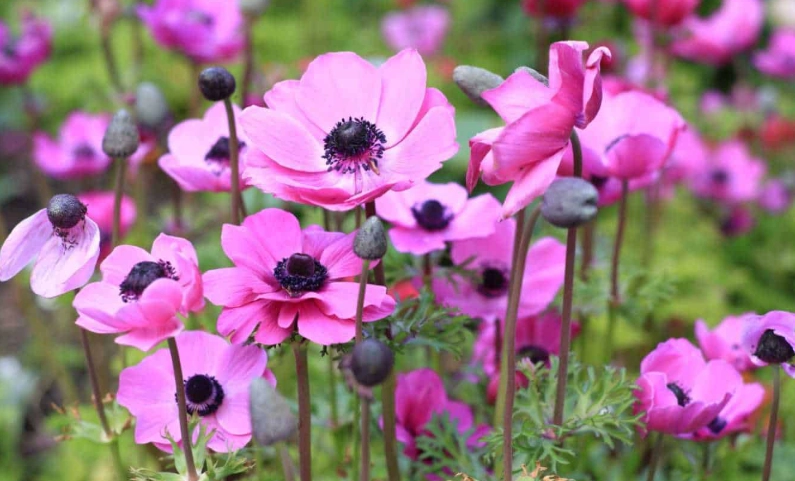
Spring-Blooming Anemones: The Early Show
These are the ones that pop up with tulips and daffodils. They're typically shorter, perfect for the front of borders, rock gardens, or naturalizing under trees.
Anemone blanda (Grecian Windflower): This is my personal favorite for early color. It's a low-growing carpet-forming plant that pops up from little, weirdly shaped tubers. The flowers are daisy-like in brilliant blues, pinks, and whites. They're ridiculously tough once established and will happily spread to form a breathtaking blue haze in April. Squirrels tend to leave the tubers alone, which is a massive win in my book.
Anemone coronaria (Poppy-Flowered Anemone): These are the show-stoppers. The "De Caen" (single) and "St. Brigid" (double) varieties are what you often see as cut flowers—huge, satiny blooms in vibrant reds, purples, blues, and whites. They grow from dry, claw-like tubers. Here's the thing: they're not always fully hardy in very cold winters. Many gardeners treat them as annuals or lift the tubers, but in milder zones (7-10), you can mulch them well and they might surprise you. They need full sun and excellent drainage. No soggy feet for these beauties.
Anemone nemorosa (Wood Anemone): A true woodland native. Delicate, solitary white flowers (sometimes tinged pink) over a carpet of ferny foliage. It's a slow spreader via rhizomes but creates a magical, fairy-tale effect in dappled shade. It goes completely dormant by mid-summer, so plant it with something that will fill the space later.
Fall-Blooming Anemones: The Grand Finale
Just as the garden starts to look tired, these guys stride onto the stage.
Anemone hupehensis / Anemone x hybrida (Japanese Anemone): Don't let the "Japanese" tag fool you; they're incredibly hardy. They form tall, elegant clumps with branching stems that hold simple, beautiful saucer-shaped flowers from late August right into October. Colors range from clean white ('Honorine Jobert' is a legendary cultivar) to various shades of pink. They spread steadily but politely by underground runners. They can take a bit of time to establish—don't panic if they sulk for the first year—but once they do, they're indestructible. They're perfect for the middle or back of a border, especially in partial shade.
To make choosing easier, here's a quick-glance table comparing these common types:
| Type & Common Name | Bloom Time | Height | Best For | Key Need |
|---|---|---|---|---|
| Anemone blanda (Grecian Windflower) | Early to Mid-Spring | 4-6 inches | Ground cover, rockeries, under trees | Well-drained soil, sun/part shade |
| Anemone coronaria (Poppy Anemone) | Mid-Late Spring | 10-16 inches | Cut flowers, container, sunny borders | FULL sun, perfect drainage |
| Anemone nemorosa (Wood Anemone) | Early Spring | 4-8 inches | Woodland gardens, naturalizing | Moist, humus-rich shade |
| Anemone hupehensis (Japanese Anemone) | Late Summer to Fall | 3-4 feet | Late-season border, partial shade | Moist but not soggy soil, some support |
See? Different plants for different jobs.
How to Plant Anemones The Right Way (No More Guesswork)
Planting is where you set the stage for success or failure. The most common mistake is treating all anemone roots or tubers the same.
Prepping Tubers (For Anemone blanda & coronaria)
Those dry, hard little nuggets you get in a packet can be intimidating. Do you soak them? For how long? There's debate, but here's what consistently works for me:
- Soak, but don't drown. Place the tubers in lukewarm water for 3-4 hours, no more. You'll see them plump up slightly. This kick-starts the growth process. Overnight soaking can sometimes cause them to rot.
- Figure out which end is up. This is the classic head-scratcher. Anemone coronaria tubers are claw-shaped. Look for the concave or pointed end—that's usually where the shoots form, so that should face upwards. With Anemone blanda, if you're unsure, plant them on their side. The plant will figure it out.
- Plant at the right depth. A good rule is 2 inches deep (about 5 cm) and 4-6 inches apart. In lighter, sandier soil, go a bit deeper. In heavy clay, a bit shallower.
Choosing and Preparing the Spot
Soil is everything. Anemones hate, and I mean hate, sitting in wet, compacted clay. If you have heavy soil, you must improve it.
- For spring bloomers (blanda, coronaria, nemorosa): They need excellent drainage. Work in a generous amount of compost, well-rotted leaf mold, or even some horticultural grit. This improves texture and provides nutrients. The Royal Horticultural Society (RHS) always emphasizes soil preparation for perennial success, and they're right.
- For fall bloomers (Japanese anemones): They're more tolerant of moisture but still need it to be well-draining. They appreciate richer, moisture-retentive soil. Adding compost at planting time helps them settle in.
When is the best time to plant anemone bulbs?
This trips everyone up. For spring-blooming anemones (like Anemone blanda and coronaria), plant the tubers in the fall, about 6-8 weeks before your ground freezes hard. This gives them a little time to root before winter. You can also plant them in very early spring as soon as the ground is workable, but fall planting usually gives stronger results.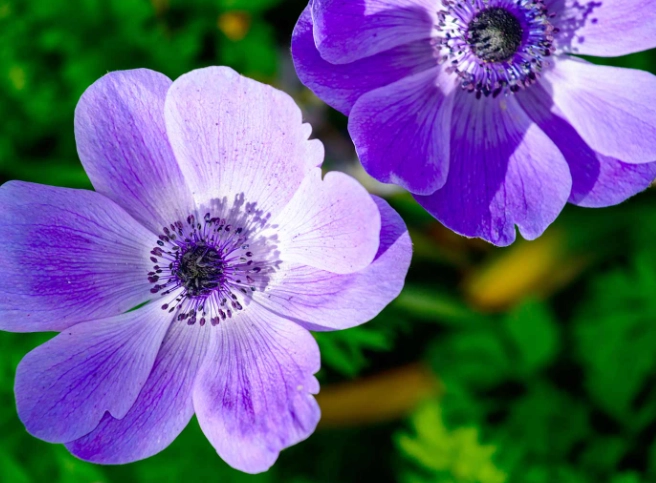
For fall-blooming Japanese anemones, you're usually planting pot-grown plants, not tubers. Do this in spring or early fall, when the weather is mild, to give the roots time to establish without the stress of summer heat or winter freeze.
The Real Deal on Anemone Plant Care
They're in the ground. Now what? Care is straightforward if you've matched the plant to the place.
Watering and Feeding
Water newly planted tubers or plants well to settle the soil. After that, spring-blooming anemones are surprisingly drought-tolerant as they go dormant in summer. Keep them moderately moist during their active growth and bloom period. Fall-blooming Japanese anemones need more consistent moisture, especially during dry spells in late summer when they're forming their flower buds.
Feeding is simple. A top-dressing of compost in early spring is perfect for all types. You can use a balanced, slow-release fertilizer when shoots appear, but go easy. Too much nitrogen gives you lots of leaves and few flowers. I rarely fertilize my established patches, and they bloom profusely.
Sunlight Requirements Demystified
- Full Sun (6+ hours): Anemone coronaria (Poppy Anemone) demands this. It's non-negotiable for good flowering.
- Partial Shade (Morning sun/afternoon shade or dappled light): The sweet spot for most. Anemone blanda, Japanese anemones, and wood anemones all thrive here. In hot climates, afternoon shade protects them from scorching.
- Full Shade: Only Anemone nemorosa (Wood Anemone) truly tolerates deep shade, and even it prefers some dappled light.
Overwintering and Hardiness
Check your USDA Hardiness Zone. Anemone blanda and Japanese anemones are rock-hardy down to Zone 4 or 5 with a good mulch. Anemone coronaria is often hardy to Zone 7. In colder zones, you have options: apply a thick mulch of straw or leaves after the ground freezes, or treat them as annuals and plant new tubers each fall. Some gardeners in Zone 6 have success with heavy mulch—it's worth an experiment.
Common Problems (And Simple Fixes)
Anemones are generally pest and disease resistant, but a few issues can pop up.
Slugs and Snails: The arch-nemesis of young, tender anemone shoots in spring. They'll mow down seedlings overnight. Use your preferred method—beer traps, iron phosphate pellets, nighttime patrols with a flashlight. A barrier of diatomaceous earth can help.
Powdery Mildew: Sometimes appears on Japanese anemones in dry weather or with poor air circulation. It looks like white powder on the leaves. Improve air flow by not overcrowding plants. You can spray with a baking soda solution (1 tsp baking soda, 1 quart water, few drops of dish soap) as a preventative. Mostly, it's cosmetic and won't kill the plant.
Lack of Flowers: Usually due to too much shade (especially for coronaria), too much nitrogen fertilizer, or the plant just being too young. Japanese anemones famously take a year or two to settle in before blooming heavily. Be patient.
Designing With Anemones in Your Garden
This is the fun part. How do you make them look like they belong, and not just plopped in?
Spring Combinations: Plant a drift of blue Anemone blanda under yellow daffodils. The contrast is electric. Mix white Anemone blanda with blue scilla or chionodoxa for a cool, calming palette. Let Anemone coronaria pop against the dark green leaves of evergreen shrubs.
Fall Combinations: Japanese anemones are classic partners for asters, sedums, and ornamental grasses. The pink or white blooms look stunning against the purple foliage of a smoke bush (Cotinus) or the burgundy leaves of a Japanese maple. They also bridge the gap between late summer perennials and the fall color of trees.
They make incredible, long-lasting cut flowers, especially Anemone coronaria. Cut when the buds are colored but just starting to open. Sear the stem ends with a flame or dip in boiling water for 10 seconds to prevent the milky sap from sealing the stem—this keeps them drinking water and can double their vase life.
Frequently Asked Questions (The Stuff You Actually Search For)
Are anemone flowers poisonous?
Yes, like many in the buttercup family, anemones contain protoanemonin, which can irritate skin and is toxic if ingested in quantity. Always wear gloves when handling tubers or cutting stems if you have sensitive skin, and keep them away from pets and children who might chew on them. The ASPCA lists them as toxic to dogs, cats, and horses.
Why are my anemone leaves turning yellow?
Don't panic! For spring-blooming anemones, yellowing leaves after flowering is completely normal. It's their signal that they're going dormant for the summer. Just let the foliage die back naturally. If leaves are yellowing during growth, it could be overwatering, poor drainage, or a nutrient deficiency.
Do anemones spread? Are they invasive?
They spread, but I wouldn't call them invasive in the aggressive, problematic sense. Anemone blanda spreads by seed and tuber to form lovely colonies. Japanese anemones spread by underground runners and can form large clumps over the years. This is usually desirable, but if they go too far, they are easy to dig up and share with friends in early spring. They're well-behaved compared to something like mint.
Can I grow anemones in pots?
Absolutely! It's a great way to grow Anemone coronaria, especially in colder zones. Use a deep pot with excellent drainage and a quality potting mix. Plant the tubers close together for a full display. You can overwinter the pot in a cool garage or protected spot. Dwarf varieties of Anemone blanda also work beautifully in containers for spring displays.
Wrapping It Up: The Simple Truth About Anemones
So, after all this, what's the final word on the anemone the flower? They're not a difficult plant. They're a specific plant. Get the basics right—drainage, planting time, and light—and they will reward you with minimal fuss. They ask for so little and give back so much in sheer beauty and seasonal presence.
My failed first attempt taught me more than any success. It taught me to pay attention to what the plant is telling me it needs, not what I think it should need. Start with the tough, reliable Anemone blanda if you're a beginner. Get a feel for them. Then maybe try the dramatic coronaria in a pot. Finally, plant a Japanese anemone where you need a late-season lift.
For authoritative, in-depth botanical information, resources like the USDA Plants Database or the Missouri Botanical Garden's Plant Finder are invaluable for checking specifics on hardiness and growth habits.
There's a reason this flower has captivated gardeners for centuries. It's not just a pretty face. It's a resilient, adaptable, and endlessly charming plant that, once you understand its simple language, will become a treasured part of your garden story. Go on, give them a spot. You won't regret it.