Quick Navigation
- Getting It Right From the Start: Planting Your Tickseed for Success
- The Simple Art of Tickseed Plant Care (It's Mostly About Leaving It Alone)
- Choosing Your Champion: A Guide to Top Tickseed Varieties
- Solving Your Tickseed Problems: FAQs From Real Gardeners
- Beyond the Flower Bed: Using Tickseed in Your Garden Design
Let's be honest. We all want a garden that looks like it's straight out of a magazine, but without the back-breaking work and constant fussing. You know the dream – loads of color, happy pollinators buzzing around, and you actually having time to sit back and enjoy it with a cup of coffee. That's where the tickseed plant comes in, and I'm almost annoyed I didn't plant more of them sooner.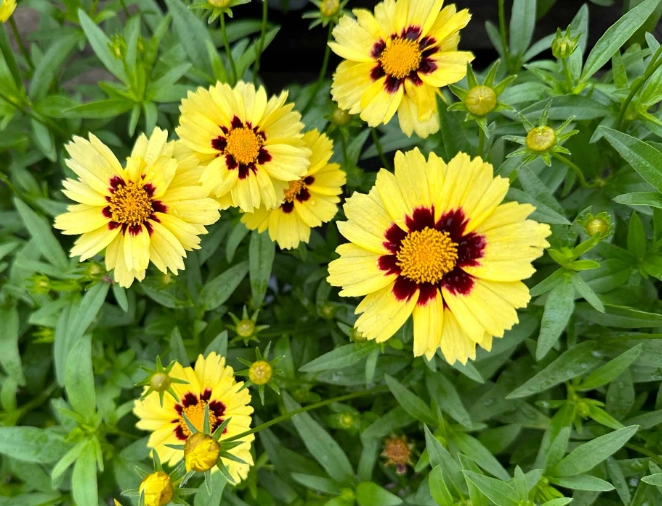
I remember picking up my first coreopsis (that's the fancy botanical name) on a whim because the pot looked sad and discounted. I didn't expect much. But that scrappy little plant turned into a golden fountain of flowers that lasted from June straight through to the first frost, asking for nothing more than a bit of sun and the occasional drink during a drought. It was the plant that made me look like I knew what I was doing.
If you're tired of finicky flowers that keel over at the first sign of trouble, or you're just starting out and want a surefire win, you're in the right place. This isn't a stuffy botanical treatise. It's a down-to-earth guide from someone who's killed a few plants to learn what actually works.
So, what exactly is a tickseed plant? It's a perennial powerhouse native to North America, famous for its daisy-like flowers that come in sunshine yellow, vibrant red, soft pink, and even bi-colors. The name "tickseed" comes from the shape of its seeds, which supposedly resemble ticks. A bit off-putting, I know, but ignore the name – the plant itself is pure joy.
Getting It Right From the Start: Planting Your Tickseed for Success
Think of planting like setting the foundation for a house. Get it wrong, and you'll be fighting an uphill battle. Get it right, and your tickseed plant will practically grow itself. The biggest mistake I see? Treating it like a diva. It's not.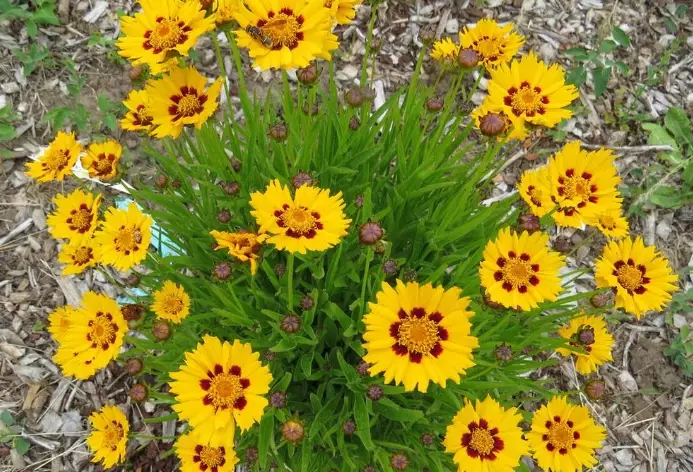
Sunlight: The Non-Negotiable
This is the single most important factor. Tickseed plants are sun worshippers. They need a minimum of 6 to 8 hours of direct, unfiltered sunlight per day. More is better. I tried one in a spot that got about 5 hours of morning sun and afternoon shade. It survived, sure. But it was leggy, flopped over, and produced maybe a third of the flowers my others did. It looked pathetic.
Full sun means more blooms, stronger stems, and a happier plant. Period.
Soil: They're Surprisingly Adaptable
Here's where tickseed plants show their easy-going nature. They absolutely thrive in well-draining soil. They hate having wet feet. If your soil is heavy clay that holds water, you've got to fix it. Raised beds are a fantastic solution, or just mix in a generous amount of compost or coarse sand when planting.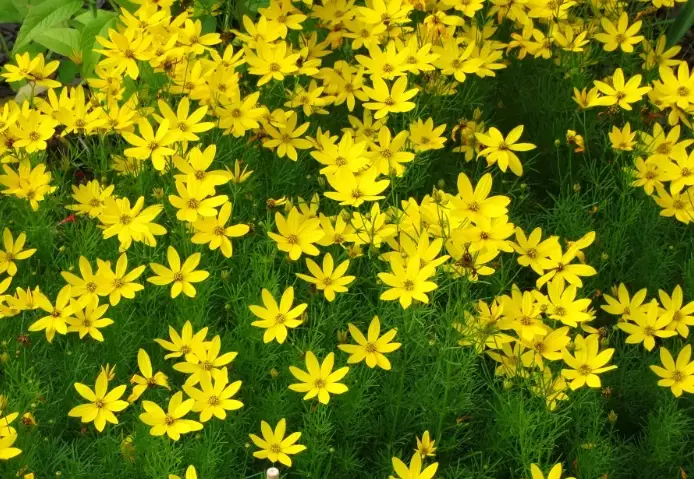
My garden has patches of pretty poor, sandy soil. Guess what? The tickseed loves it. They're incredibly drought-tolerant once established because of their deep root systems. Rich, fertile soil can actually make them grow too lush and floppy. A bit of lean soil encourages them to toughen up.
The pH isn't a huge deal. They're fine in slightly acidic to neutral soil (pH 5.5 to 7.0). Don't stress over it too much.
When and How to Plant
You can plant potted tickseed plants in spring or early fall. Spring planting gives them a full season to settle in before winter. Fall planting works in milder climates. Space them about 12 to 18 inches apart. They'll fill in the gaps.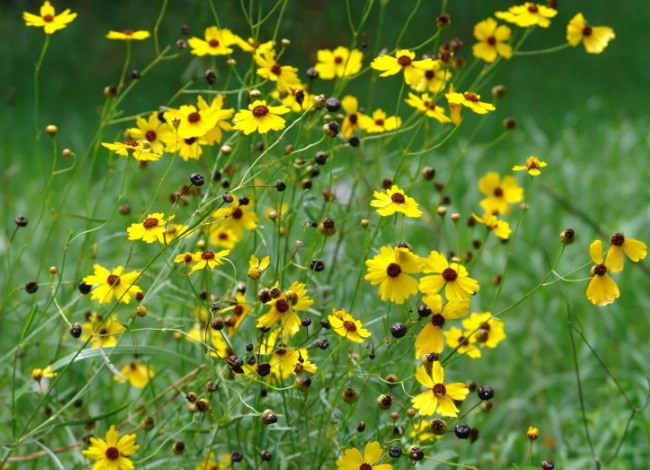
A quick word on water at planting: Soak the root ball thoroughly when you first put it in the ground. Then, keep the soil consistently moist (not soggy) for the first few weeks. This is the only time they'll be needy. Once you see new growth, you can start tapering off.
The Simple Art of Tickseed Plant Care (It's Mostly About Leaving It Alone)
This is the best part. Established tickseed care is minimal. It's the perfect plant for the lazy gardener or the busy person.
Watering: Less is More
Once established, tickseed plants are remarkably drought-tolerant. Their deep roots seek out moisture. I only water mine during extended dry spells of two weeks or more with no rain. A good, deep soaking once a week is far better than frequent light sprinklings, which encourage shallow roots.
Overwatering is a far greater danger than underwatering. Soggy soil leads to root rot, and that's usually a death sentence.
To Feed or Not to Feed?
Honestly, you probably don't need to fertilize. In fact, too much fertilizer, especially high-nitrogen ones, will cause a burst of weak, leafy growth at the expense of flowers. If your soil is truly terrible, a light application of a balanced, slow-release fertilizer in early spring is plenty. I sometimes top-dress around mine with a thin layer of compost in spring. That's it.
The One Task That Matters: Deadheading
If you do only one thing to care for your tickseed plant, make it this. Deadheading is simply snipping off the spent flowers. Why bother? It tricks the plant into thinking it hasn't produced enough seeds yet, so it keeps pumping out more blooms to try and complete its mission.
You can use garden shears and give the whole plant a "haircut" once a wave of flowers is done, or just snap off individual dead blooms with your fingers as you walk by. It's therapeutic.
"Deadheading my coreopsis is my evening garden therapy. A few minutes of snipping guarantees another month of color. It's the best gardening ROI out there."
If you don't deadheading, the plant will put energy into seed production and slow down or stop flowering. Some varieties, like 'Moonbeam', are self-cleaning and drop their dead petals, which is a nice bonus.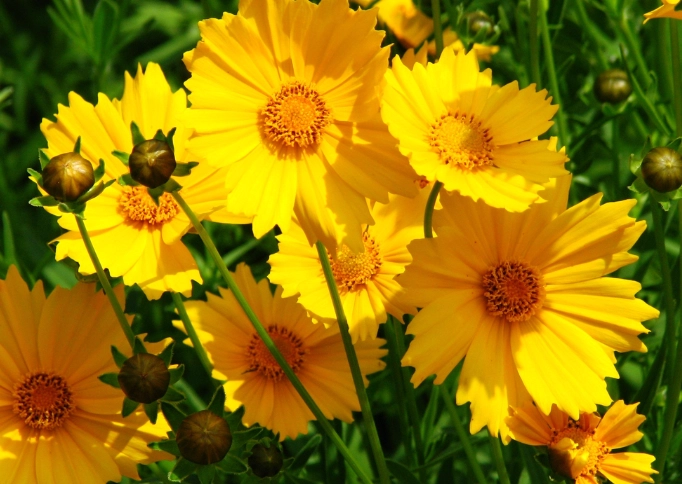
Dividing for Free Plants
Every 2 to 3 years, in early spring or fall, you might notice the center of your tickseed clump dying out or the flowering getting sparse. That means it's time to divide. It sounds intimidating, but it's easy. Dig up the whole clump, use a sharp shovel or even two garden forks back-to-back to pry it apart into smaller sections, and replant. You've just created free plants for yourself or to share with neighbors. It's like a reward for your minimal effort.
Choosing Your Champion: A Guide to Top Tickseed Varieties
Not all tickseed plants are created equal. Some are compact, some are tall, some bloom forever, and some have incredible colors. The Perennial Plant Association, a great resource for proven plants, has even named some Coreopsis as their "Perennial Plant of the Year." Here's a breakdown of the stars of the show.
| Variety Name | Color | Height/Spread | Key Features & Why You Might Love It |
|---|---|---|---|
| Coreopsis 'Moonbeam' | Soft, pale lemon yellow | 18" H x 24" W | The classic. Airy, fine foliage. Blooms like crazy from early summer to fall. Self-cleaning (less deadheading!). 1992 Perennial Plant of the Year. |
| Coreopsis 'Zagreb' | Bright golden yellow | 12-18" H x 18" W | More compact and mound-forming than 'Moonbeam'. Fantastic for the front of borders. Extremely drought and heat tolerant. |
| Coreopsis verticillata 'Zagreb' | Golden Yellow | 12-18" H x 18" W | Threadleaf type with fine, delicate foliage. Very tough and long-lived. Spreads gently to form a nice clump. |
| Coreopsis 'Early Sunrise' | Double golden-yellow flowers | 18-24" H x 18" W | Double flowers that look like little pom-poms. Often blooms in its first year from seed. Great for cut flowers. |
| Coreopsis 'Redshift' | Red centers fading to yellow edges | 24-30" H x 24" W | Stunning color-changing flowers. Starts red in cool weather, shifts to gold with red eye in heat. A real conversation starter. |
| Coreopsis rosea 'Sweet Dreams' | Pink with a dark red center | 12-18" H x 18" W | A pink tickseed! Prefers a bit more moisture than others but worth it for the unique color. Lovely in cottage gardens. |
My personal favorite? It's a tie between 'Moonbeam' for its sheer reliability and 'Redshift' for its dramatic flair. For a rock garden or super dry spot, 'Zagreb' is unbeatable.
Solving Your Tickseed Problems: FAQs From Real Gardeners
Let's tackle the questions that keep popping up. These are the things you'd ask a gardening friend over the fence.
Why is my tickseed plant not flowering?
This is the number one complaint. Usually, it boils down to three things:
- Not enough sun. This is culprit #1. If it's in shade for part of the day, move it.
- Too much nitrogen. Are you fertilizing your lawn nearby? Or added a ton of manure? Stop feeding it. Lean soil promotes blooms.
- It needs deadheading. Go out there with some scissors right now and cut off all the old, spent blooms. You should see new flower buds in a week or two.
Is my tickseed plant annual or perennial?
Most are hardy perennials. But there's a common one sold everywhere called Coreopsis tinctoria (Plains Coreopsis) that is an annual or short-lived perennial. It has beautiful maroon and yellow bicolor flowers and readily self-seeds, so it acts like a perennial by coming back from seed. The ones listed in the table above are all reliable perennial tickseed plants. Check the tag when you buy!
How do I stop it from flopping over?
Flopping, or lodging, happens when the stems get too long and weak. Causes: too much shade, too rich soil, or not enough air circulation. Solutions: Plant in full sun, go easy on fertilizer, and don't crowd them. For tall varieties, you can use discreet peony rings or link stakes early in the season. Choosing compact varieties like 'Zagreb' avoids the issue altogether.
What's eating my tickseed leaves?
They're mostly pest-resistant, a huge plus. You might see some aphids early in the season or the occasional slug on young plants. A strong blast of water knocks aphids off. For slugs, I use the beer trap method (a shallow dish sunk into the soil filled with cheap beer). It's gross but effective. Deer and rabbits generally leave them alone, which is another win.
Should I cut it back for winter?
You have options. I leave the dead foliage and seed heads up over winter. They provide texture in the garden and seeds for birds. The National Audubon Society recommends leaving standing dead plants in winter for wildlife habitat. Then, in early spring, before new growth starts, I cut the whole clump down to about 3-4 inches from the ground. Clean and simple.
Beyond the Flower Bed: Using Tickseed in Your Garden Design
This plant is a versatile workhorse. It's not just a filler; it can be a star.
Think about contrast.
Pair the fine, airy texture of a threadleaf tickseed like 'Moonbeam' with bold, broad leaves like those of a hosta or sedum. The bright yellow flowers pop brilliantly against purple or blue companions—think salvias, nepeta (catmint), or Russian sage. For a hot-color border, combine them with daylilies, blanket flower (gaillardia), and coneflowers (echinacea).
The Pollinator Magnet: If you want to support bees and butterflies, planting tickseed is a fantastic move. The flat, open flowers are perfect landing pads, and they're rich in nectar and pollen. You'll see everything from tiny sweat bees to showy monarch butterflies visiting. By adding plants like this, you're contributing to a healthier ecosystem right in your yard. The Xerces Society for Invertebrate Conservation has great resources on building pollinator-friendly gardens.
They're also excellent cut flowers. The stems are long and strong, and they last a good week in a vase. Cutting them for bouquets actually doubles as deadheading, so you're doing your garden chore while bringing beauty inside.
So, there you have it. The tickseed plant isn't just another pretty face in the nursery. It's a resilient, long-blooming, low-maintenance friend that makes gardening feel less like work and more like the joy it's supposed to be. It forgives mistakes, rewards minimal care with maximum color, and brings life to your garden in more ways than one.
Start with one. See what happens. I bet you'll end up with more.