Quick Guide
- Why Choose Plum Trees for Espalier?
- Picking the Perfect Plum Variety for Your Espalier
- Getting Started: Planting Your Future Espalier
- Training Techniques: Shaping Your Espalier Plum Tree
- Caring for Your Espalier Plum Tree
- Harvesting and Enjoying the Fruits
- Common Questions About Espalier Plum Trees
- The Final Word
Let's talk about espalier plum trees. You've probably seen those elegant, flat fruit trees trained against a wall or fence and thought, "I want that, but can I actually do it?" Well, I'm here to tell you that you absolutely can. It's not some secret art reserved for grand European estates. With a bit of patience and the right know-how, creating your own living fruit sculpture is within reach. I messed up my first attempt years ago—wrong variety, wrong spot, total disaster. But from those failures, I learned what actually works.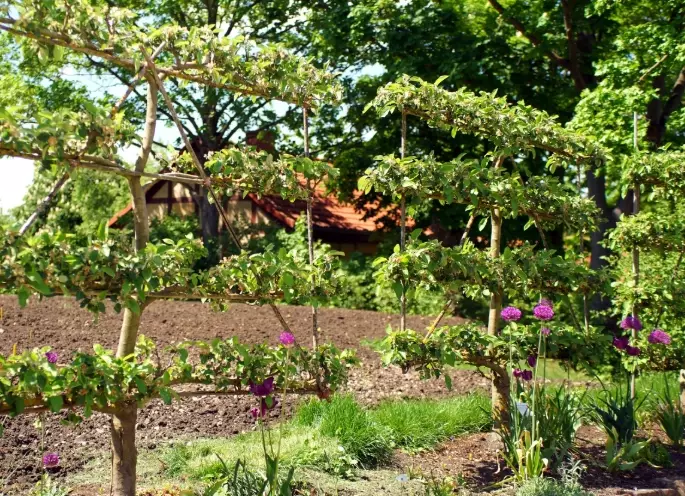
An espalier is essentially a tree trained to grow in a flat, two-dimensional plane. It's part gardening, part art project. And plum trees? They're surprisingly good candidates. They're more forgiving than you might think, and the payoff—homegrown plumes from a space-saving, beautiful feature—is incredible.
Why Choose Plum Trees for Espalier?
Not all fruit trees are created equal when it comes to this training method. So why plums?
First off, many plum varieties have a natural tendency for supple, flexible branches when young. This makes them easier to bend and train into the classic horizontal tiers or fan shapes without snapping. Apples are the classic espalier choice, but plums bring their own charm and often fewer pest issues in many home gardens. Their growth habit is often more open, allowing for good air circulation and sunlight penetration right from the start, which is crucial for both fruit production and disease prevention.
Secondly, you get a dual-purpose plant. A well-trained espalier plum tree is a stunning architectural element for a blank wall, a fence line, or as a garden divider. It provides structure year-round. Then, come summer, it rewards you with a harvest. It's the ultimate functional ornament.
And let's address the big one: space. This is the number one reason most people, including myself, get into espalier. You don't need an orchard. A sunny wall, a stretch of fence, even a large container on a patio can host an espalier plum tree. It's the perfect solution for urban gardens, courtyards, or anyone who wants more trees than their square footage seems to allow.
Picking the Perfect Plum Variety for Your Espalier
This is where I went wrong initially. I just bought a plum tree I liked the sound of. Big mistake. Choosing the right variety is half the battle won. You need to consider rootstock, pollination, and natural growth habit.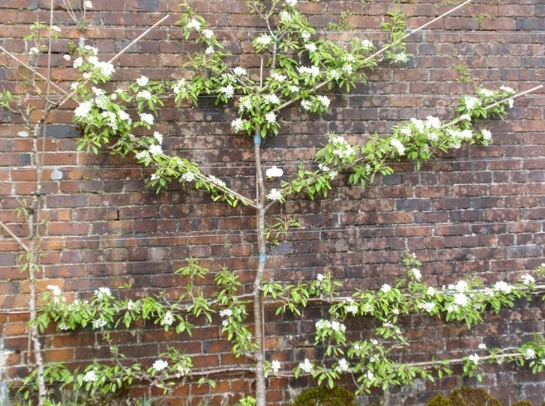
The Rootstock Foundation
The rootstock controls the tree's ultimate size and vigor. For espalier, you almost always want a dwarfing or semi-dwarfing rootstock. It keeps the tree manageable and ensures energy goes into fruit production on your trained limbs, not into making a giant tree.
Look for trees grafted onto these rootstocks:
- St. Julian A: A very common, reliable semi-dwarfing rootstock. Produces a tree about 12-15 feet tall if left untrained—perfect for bringing down to espalier size.
- Pixy: A true dwarfing rootstock. Ideal for smaller spaces or container espaliers. It induces early fruiting, which is a nice bonus.
- WaVit (or VVA-1): Another good semi-dwarf option, known for promoting good fruit size.
Ask your nursery, or check the label. If it just says "standard," walk away. It'll be too vigorous for most espalier projects.
Top Plum Varieties for Espalier Success
Based on flavor, reliability, and training ease, here are my top picks. I've grown a few of these myself, and others come highly recommended from fellow espalier enthusiasts.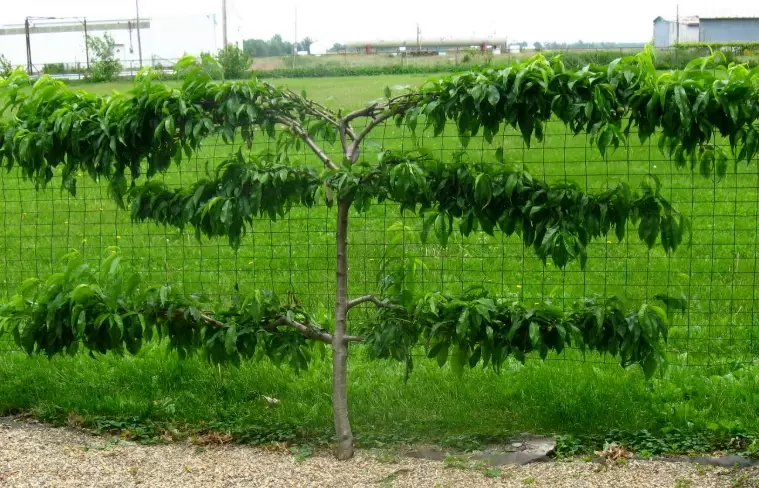
| Variety | Flavor & Use | Pollination Needs | Why It's Great for Espalier |
|---|---|---|---|
| Victoria | The classic English plum. Sweet, perfect for eating fresh, cooking, and jam. A real all-rounder. | Partially self-fertile (better with a partner). | Reliable, heavy cropper. Branches are quite flexible. A fantastic, forgiving choice for beginners. |
| Opal | Early season. Super sweet and fragrant, great for fresh eating. | Self-fertile. | Compact growth habit. Self-fertility is a huge plus if you only have space for one tree. Very disease resistant. |
| Stanley | Excellent for prunes, baking, and canning. Firm flesh. | Self-fertile. | Very productive and hardy. Its upright habit initially needs careful training but it forms strong, fruitful spurs. |
| Mirabelle de Nancy | Small, golden-yellow plums. Intensely sweet, often used for brandy and preserves. | Self-fertile. | Beautiful, ornamental look. Slower, manageable growth. Makes a truly exquisite espalier. |
| President | Late-season, large, blue-black fruit. Good fresh or cooked. | Needs a pollinator (like Victoria). | Strong, sturdy growth. Holds its trained shape very well once established. A good long-term choice. |
For a first-timer, I'd lean heavily towards Opal or Victoria. Their combination of good flavor, productivity, and relative ease of management is hard to beat.
Pollination: A Critical Detail
Don't skip this part. It's heartbreaking to have a beautiful, non-fruiting espalier. Many plums are self-fertile (like Opal, Stanley), meaning one tree can fruit on its own. Others are partially self-fertile (like Victoria, which will bear better with a friend) or fully self-sterile (like some older varieties).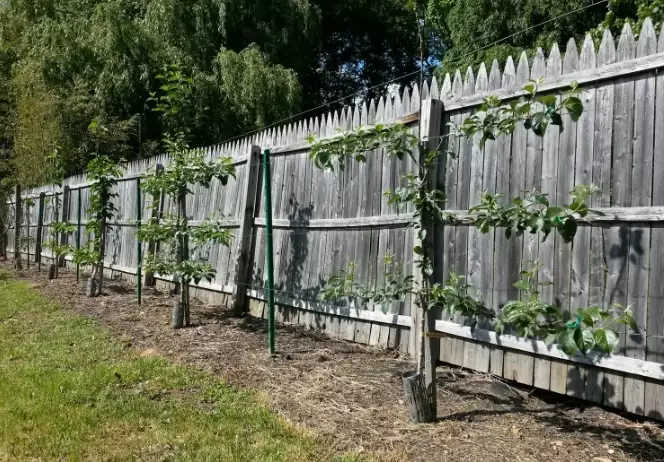
If you have room for only one espalier frame, choose a reliably self-fertile variety. It removes a major variable. If you have space for two, you can experiment with a partner pair for potentially heavier crops. The Royal Horticultural Society (RHS) has a fantastic, searchable fruit pollination database that is an invaluable resource for checking compatibility. It's saved me from several poor pairing decisions.
Getting Started: Planting Your Future Espalier
Planting is where you set the stage for the next 10+ years. Get it right.
The Ideal Location
Sun. More sun. Then a bit more sun. Plum trees need a minimum of 6-8 hours of direct summer sunlight to ripen fruit and stay healthy. A south or southwest-facing wall is ideal. The wall also provides shelter, creates a warmer microclimate (helping fruit ripen and offering frost protection for early blossoms), and is your supporting structure.
Soil should be well-draining. Plums hate "wet feet." If your soil is heavy clay, consider building a raised bed or planting in a large container. I've seen stunning container-grown espalier plum trees.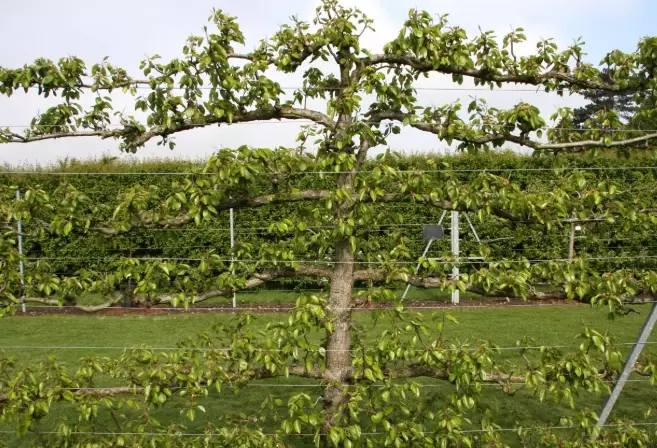
Support System: Don't Skimp
You are training the tree to rely on a man-made structure. That structure must be sturdy and permanent. A flimsy trellis will lead to frustration and failure.
- Wires: Galvanized steel wire (12 or 14 gauge) is the standard. Run it horizontally between sturdy eye bolts screwed into wall plugs or between strong posts. The bottom wire should be about 16-18 inches off the ground, with subsequent wires spaced 12-16 inches apart.
- Posts and Wires: If not using a wall, sink treated timber or metal posts (at least 3 inches thick) deeply into the ground, set in concrete for stability. Run wires between them.
- Training Frame: You can also buy or make a freestanding wooden lattice frame. Just ensure it's heavy-duty.
Put this support system up before you plant the tree. Trying to wrestle with posts and wires around a delicate new tree is a recipe for damage.
The Planting Process
- Dig a hole twice as wide as the root ball and just as deep, about 8-12 inches away from your wall or support structure.
- Mix some well-rotted compost or manure into the excavated soil. Avoid fresh manure or strong fertilizers that can burn roots.
- Place the tree in the hole. The graft union (the knobbly bump near the base) should be well above the soil line—about 4-6 inches above.
- Backfill with your soil mix, firming gently as you go to eliminate air pockets.
- Water deeply and thoroughly. This settles the soil.
- Apply a thick mulch (wood chips, compost) around the base, keeping it away from the trunk to prevent rot.
Now, the real work—and fun—begins.
Training Techniques: Shaping Your Espalier Plum Tree
There are several classic espalier forms. For plums, the horizontal tier (cordon) and the fan are most practical and attractive.
The Horizontal Tier (The Classic Cordon)
This is the one with straight, horizontal arms. It's formal, elegant, and relatively straightforward.
Year 1 (The Initial Prune): Right after planting (if in dormancy) or in early spring, look at your young whip (a single-stemmed tree). You'll see buds. Decide how tall you want your first tier. Let's say 18 inches. Find a strong, healthy bud at that height, facing the direction you want your first horizontal arm to grow. Cut the main stem just above that bud. This seems brutal, but it's essential. It forces growth into the side branches you'll train.
The top bud will become the new vertical leader. The bud or two below it, on opposite sides of the stem, will become your first horizontal arms (laterals).
Summer of Year 1: As the new shoots grow, gently tie the chosen laterals to the bottom wire at a 45-degree angle. Don't force them horizontal yet. The vertical leader, tie it upright to a bamboo cane. Remove any other unwanted shoots rubbing or growing in the wrong direction.
Winter of Year 1/Year 2: Once the laterals have grown long enough to reach along the wire, you can lower their ties to be horizontal. Prune back the vertical leader to just above the height of your second wire, again choosing buds to become the next set of arms. Prune the tips of your first-tier arms by about one-third to encourage branching and spur formation.
And repeat. It's a cycle of summer training (tying in new growth) and winter pruning (shaping and spur management).
The Fan Shape
More informal and, in my opinion, sometimes a better fit for the natural branching habit of plums. It's excellent for covering a wider area.
You start similarly, cutting the main stem low. But instead of selecting two opposite buds, you encourage 3-5 strong, well-spaced shoots to radiate out from a short central trunk. These are tied to canes angled like the ribs of a fan. As they grow, you sub-divide these main ribs by pruning side shoots, creating a network of fruiting wood that fills the space.
The fan shape feels less rigid to me. If a branch doesn't cooperate perfectly, you have more flexibility to incorporate it into the design. It's a more forgiving form for the slightly wilder spirit of a plum tree.
Ongoing Pruning & Maintenance: The Secret to Success
This is the part that separates a stunning espalier plum tree from a neglected, bushy mess.
Summer Pruning (Late July/August): This is the most important session for form control. Once the new, soft shoots ("water shoots") from your main branches have grown to about 8-12 inches long, cut them back to 3-4 leaves above the basal cluster (the small leaves at the base of the new shoot). This does two things: it saves the tree's energy for fruit development and existing spurs, and it encourages the formation of fruiting buds (spurs) close to the main branches, keeping your espalier compact and productive.
Winter Pruning (Late Winter, when dormant): This is for structural refinement. Thin out any crowded or crossing spurs. Remove any dead, diseased, or damaged wood. Shorten last summer's growth a little more if needed. This is also the time to adjust or replace ties—never let wire or string cut into the bark.
Caring for Your Espalier Plum Tree
Training is one thing, but keeping the tree healthy is another.
Watering and Feeding
Consistent moisture is key, especially for a tree with a restricted root zone near a wall. Water deeply once or twice a week during dry spells, rather than little and often. A thick mulch helps retain moisture.
Feed in early spring with a balanced, slow-release fertilizer or a top-dressing of compost. Don't over-feed with high-nitrogen fertilizers; you'll get lots of leafy growth at the expense of fruit. The University of Minnesota Extension's guide to fruit tree nutrition is a science-backed resource I often refer to for getting feeding right.
Pests and Diseases: What to Watch For
The good news? The open form and good air circulation of an espalier can reduce disease pressure. But stay vigilant.
- Aphids: They love new growth. Blast them off with water or use an insecticidal soap.
- Plum Moth: The caterpillars tunnel into fruit. Pheromone traps hung in the tree in late spring can disrupt mating and reduce numbers.
- Brown Rot: A fungal disease that turns fruit into mushy, brown mummies. Remove and destroy any affected fruit immediately. Good air flow is your best prevention.
- Silver Leaf: A serious fungal disease where leaves get a silvery sheen and branches die back. It often enters through pruning wounds. This is why you prune plums in the growing season or in dry mid-winter, avoiding damp autumn weather when spores are active. Always use clean, sharp tools.
Honestly, I've had fewer pest issues with my espalier plum trees than with my free-standing ones. Maybe it's the location, or maybe the birds find the bugs more easily on the flat surface.
Harvesting and Enjoying the Fruits
This is the glorious payoff. Plums are ready when they come away from the tree with a gentle twist. Color is a good indicator, but taste one. If it's sweet and juicy, start picking.
An espalier makes harvesting a breeze. No ladders needed. You can inspect and pick every single fruit easily.
What to do with a glut? Eat them fresh, of course. But they also freeze beautifully (pit and slice first). Make jam, chutney, or bake them into tarts and crumbles. A ripe plum from your own trained tree tastes like victory.
Common Questions About Espalier Plum Trees
The Final Word
Creating an espalier plum tree isn't a weekend project. It's a multi-year commitment. There will be moments of doubt, a broken branch, a season with less fruit than you hoped for.
But watching that living sculpture take shape, season by season, is uniquely satisfying. You're not just growing fruit; you're crafting a permanent, productive piece of garden art. The first time you pick a perfect sun-warmed plum from a branch you personally trained along a wire, you'll forget all the pruning and tying. It just tastes different.
Start with the right variety, build a strong support, and embrace the process. Your future self, enjoying the shade and the harvest from your beautiful espalier plum tree, will thank you.