In This Guide
- Why Go Drought Tolerant in Oregon? It's More Than Just Saving Water
- What "Drought Tolerant" Really Means in Our Neck of the Woods
- The A-List: Top Drought Tolerant Plants for Oregon Gardens
- How to Actually Plant and Grow Your Drought Tolerant Oregon Garden
- Designing a Garden That Looks Intentional, Not Just "Dry"
- Straight Answers to Common Questions About Drought Tolerant Plants in Oregon
- Wrapping It Up: Your Next Steps
Thinking about redoing your Oregon garden but worried about water bills or summer restrictions? You're not alone. More folks around here are looking at their lawns and thinking there has to be a better way. I was in the same boat a few years back. Tired of watching parts of my garden turn crispy by August while my water meter spun like a top, I decided to make a change. And let me tell you, switching to drought tolerant plants for Oregon landscapes wasn't just about saving water—it completely transformed my garden's vibe and how much work it needed.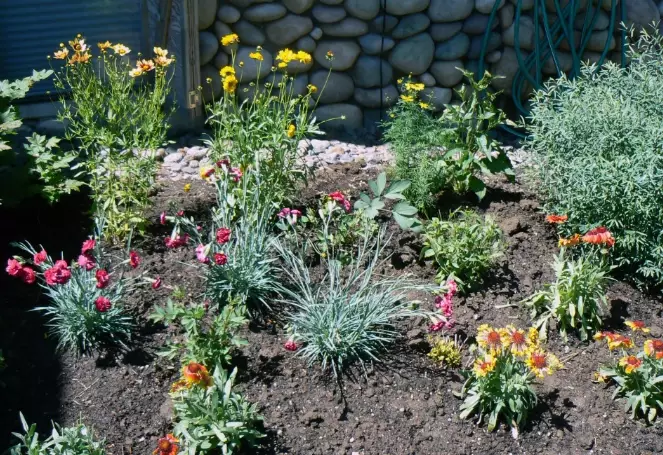
The beauty of gardening in Oregon is that we don't have to sacrifice lushness for resilience. The key is picking the right plants, the ones that have evolved to handle our unique mix of wet winters and dry summers. It's not about creating a desert scene (unless that's your thing), but about building a smart, beautiful landscape that thrives with minimal fuss.
Why Go Drought Tolerant in Oregon? It's More Than Just Saving Water
Sure, the water savings are fantastic. But the benefits of planting a drought resilient garden here run deeper.
- ?Lower Bills & Less Guilt: This is the big one. Once established, these plants need far less supplemental water. You're conserving a vital resource and keeping money in your pocket.
- ?️Way Less Maintenance: Forget spending every weekend watering. A well-designed drought tolerant garden is largely self-sufficient. Less mowing, less fussing.
- ?Supercharges Local Ecology: Native drought tolerant plants are like a welcome mat for pollinators, birds, and beneficial insects. You're building a little ecosystem.
- ?Future-Proofs Your Garden: Let's be honest, summers seem to be getting drier. Planting for drought resilience now means your garden will look good for years to come, regardless of what the weather does.
It's a shift in thinking, from constantly tending to a thirsty garden to partnering with plants that know how to handle themselves.
What "Drought Tolerant" Really Means in Our Neck of the Woods
This term gets thrown around a lot. For us in Oregon, it's not about plants that love bone-dry conditions year-round. It's about plants that can establish strong root systems, then cruise through our typical summer dry spell (July through September) with little to no extra water. They're the tough guys that don't throw a fit when the rain stops.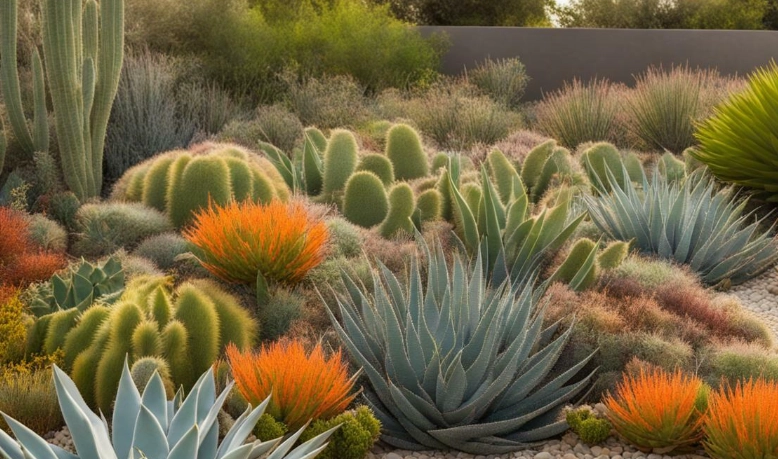
Oregon's climate isn't one thing. A drought tolerant plant for the rainy coast might drown in eastern Oregon, and a sagebrush from the high desert would hate the valley's clay. So we have to think in zones.
Picking Plants for Your Specific Oregon Region
- Willamette Valley & Portland Metro: Our challenge is heavy winter rain and summer drought. Look for plants that hate "wet feet." Excellent drainage is non-negotiable.
- Southern Oregon & Rogue Valley: Hotter, drier summers and milder winters. You can push the envelope with more Mediterranean-style plants.
- Central & Eastern Oregon: True high desert conditions. Cold winters, hot summers, low rainfall. Focus on extreme hardiness and low water needs.
- Oregon Coast: Wind and salt spray are bigger issues than pure drought, but summer water can still be scarce. Look for wind-resistant, well-draining plants.
The A-List: Top Drought Tolerant Plants for Oregon Gardens
Alright, let's get to the good stuff. Here are my top picks, broken down by category. I've leaned heavily on natives because they're already perfectly tuned to our climate, but included a few non-native stars that have proven themselves here without becoming invasive.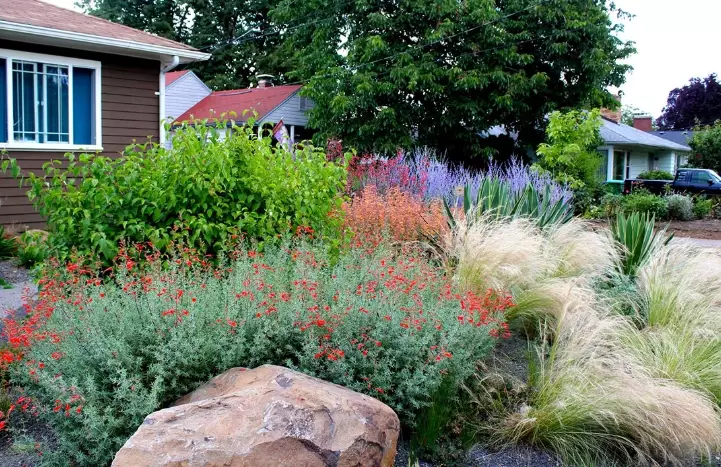
Can't-Kill-Em Perennials & Groundcovers
These are the workhorses. They come back year after year, filling in space, suppressing weeds, and looking great.
| Plant Name | Type & Key Features | Sun Needs | Why It's a Star for Oregon |
|---|---|---|---|
| Kinnikinnick (Arctostaphylos uva-ursi) | Native evergreen groundcover. Red berries, pink flowers, leathery leaves. | Full sun to part shade | Extremely tough, handles poor soil, fantastic for slopes and erosion control. A true native champion. |
| Oregon Sunshine (Eriophyllum lanatum) | Native perennial. Cheerful yellow daisy-like flowers, silvery foliage. | Full sun | Loves hot, dry sites. A pollinator magnet that looks beautiful in a casual meadow-style planting. |
| Sedum (Stonecrop) varieties | Succulent perennial. Many colors and forms, from groundcovers to upright types. | Full sun | Practically indestructible. Stores water in its leaves. 'Autumn Joy' is a classic for a reason. |
| Yarrow (Achillea millefolium) | Native perennial. Flat clusters of flowers (white, yellow, pink), ferny foliage. | Full sun | Grows almost anywhere, spreads nicely, and is another pollinator favorite. The native form is best. |
| Beach Strawberry (Fragaria chiloensis) | Native evergreen groundcover. Glossy leaves, white flowers, small strawberries. | Full sun to part shade | Great for coastal areas but works inland too. Forms a dense, weed-suppressing mat. |
I've found that Kinnikinnick is incredibly tough, but it can be slow to establish. Be patient—it's worth it. Sedums, on the other hand, are almost instant gratification.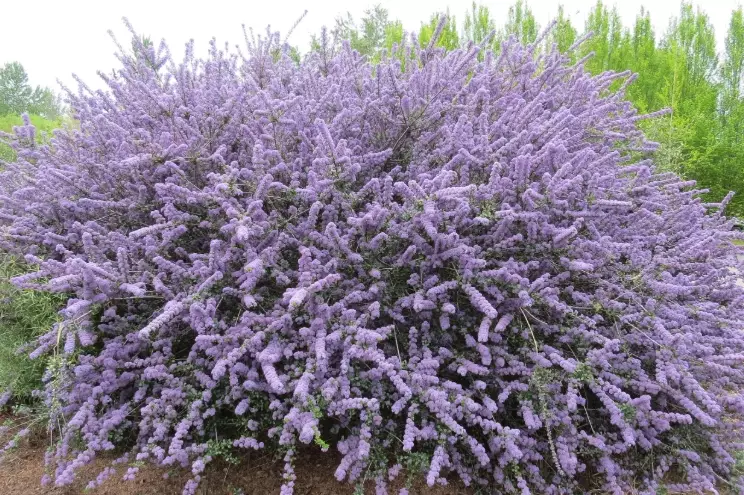
Shrubs with Substance (Low Water, High Impact)
Shrubs give your garden structure. These choices provide year-round interest without the thirst.
| Plant Name | Type & Key Features | Sun Needs | Why It's a Star for Oregon |
|---|---|---|---|
| Manzanita (Arctostaphylos spp.) | Native evergreen shrub. Incredible sculptural red bark, pink flowers, loved by hummingbirds. | Full sun | The ultimate drought tolerant Oregon native shrub. Needs perfect drainage but is stunning once settled. |
| Salal (Gaultheria shallon) | Native evergreen shrub. Glossy leaves, edible berries, pinkish flowers. | Part shade to full shade | A shade-tolerant superstar for dry shade under trees—a notoriously tough spot. Very adaptable. |
| California Lilac (Ceanothus spp.) | Evergreen shrub. Profuse blue or white flowers in spring, some are fragrant. | Full sun | Explodes with color in spring. Some varieties are tender, so choose a hardier one like 'Victoria'. |
| Red-Flowering Currant (Ribes sanguineum) | Native deciduous shrub. Cascading pink/red flowers in early spring, blue berries. | Part sun to full sun | One of the first big pollinator feasts of the year. Hummingbirds go nuts for it. Very low water once established. |
| Rockrose (Cistus spp.) | Evergreen shrub. Crinkly, often aromatic leaves, papery white or pink flowers. | Full sun | Loves hot, reflective heat and poor soil. Perfect for a sunny bank or hellstrip. Dislikes heavy clay. |
Trees That Stand Tall Through the Dry Spell
Adding a tree is a long-term commitment. These are winners that won't demand a swimming pool's worth of water every summer.
- Madrone (Arbutus menziesii): The iconic Pacific Northwest native. Peeling red bark, evergreen leaves, red berries. It's stunning but can be tricky to establish—it hates being moved. Needs perfect, well-drained soil. If you can get one going, it's the crown jewel of a drought tolerant landscape.
- Oregon White Oak (Quercus garryana): A magnificent, slow-growing native deciduous tree. Provides incredible wildlife value and majestic presence. Once established, it's incredibly drought tolerant. Give it space.
- Japanese Zelkova (Zelkova serrata): A non-native alternative to the water-hogging maple. Beautiful vase shape, great fall color, and remarkably adaptable to drier conditions once its roots get down.
- Incense Cedar (Calocedrus decurrens): A native evergreen with fragrant foliage and a narrow, columnar form. Very drought and heat tolerant once established, and provides great year-round structure.
For detailed profiles on native trees, the Portland Urban Forestry page has excellent resources, and the USDA Plants Database is a go-to for checking native ranges and characteristics.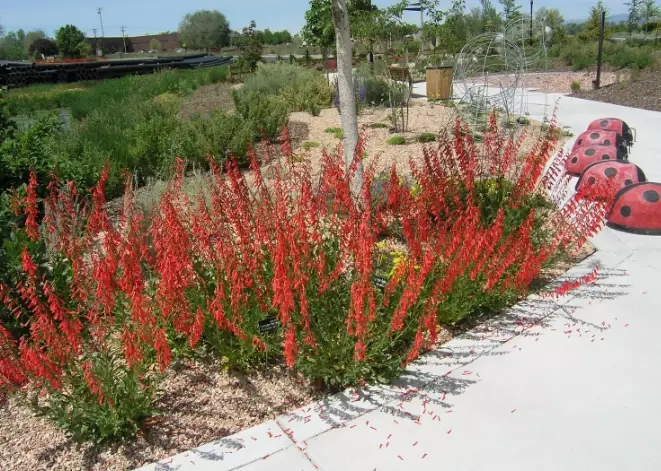
How to Actually Plant and Grow Your Drought Tolerant Oregon Garden
This is where many people stumble. You can't just plop a drought tolerant plant in a hole and walk away—especially in the critical first few years.
The Golden Rule: The First Two Summers Are Key
Every plant, no matter how tough, needs regular water to establish its root system. This is non-negotiable. A deep, infrequent watering schedule encourages roots to go down, not stay at the surface. Water deeply once or twice a week for the first summer, tapering off in the second summer. By year three, most of these plants should be on their own, maybe needing a deep drink only during a severe, prolonged heatwave.
Soil is Everything (Seriously)
Most drought tolerant plants, especially natives, despise soggy roots. In the Willamette Valley, our heavy clay is the biggest enemy.
What to do?
- Test Drainage: Dig a hole about a foot deep, fill it with water. If it's still full after 24 hours, you have a drainage problem.
- Amend, But Wisely: Don't just fill the planting hole with compost—you create a "bathtub" that holds water. Instead, amend a wide, shallow area (like the whole bed) with 2-3 inches of compost tilled in to improve the soil structure.
- Plant High: For shrubs and trees, plant them so the root flare (where the trunk widens) is slightly ABOVE the surrounding soil grade. This prevents water from pooling around the crown.
- Use Mulch Like a Blanket: A 2-3 inch layer of wood chips, arborist chips, or gravel (for plants that like sharp drainage) is a game-changer. It keeps roots cool, suppresses weeds, and reduces evaporation. Keep mulch away from direct contact with plant stems.
Designing a Garden That Looks Intentional, Not Just "Dry"
A common fear is that a drought tolerant garden will look sparse or prickly. It doesn't have to!
- Play with Textures: Combine the fine, feathery leaves of yarrow with the broad, leathery leaves of Kinnikinnick and the succulent rosettes of sedum. Texture creates visual interest when flowers aren't in bloom.
- Think in Layers: Put taller shrubs in the back, mid-size perennials in the middle, and groundcovers spilling out in front. It feels lush and full.
- Embrace Grasses: Ornamental grasses like Festuca (Blue Fescue) or native Deschampsia (Tufted Hairgrass) add movement, sound, and a soft, graceful element.
- Don't Forget Color: It's not all greens and grays. Red-Flowering Currant gives you spring pink, Oregon Sunshine gives you summer yellow, and many sedums and deciduous shrubs offer fantastic fall color.
Straight Answers to Common Questions About Drought Tolerant Plants in Oregon
Let's tackle some of the specific things people wonder when they start this journey.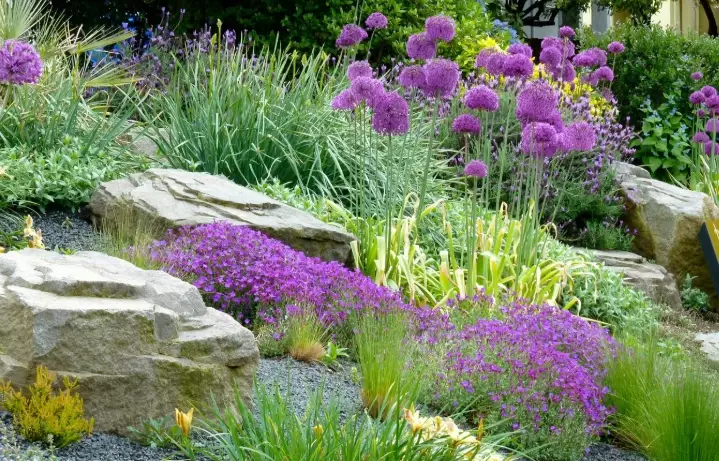
Can I have a lawn that's drought tolerant?
Yes, but manage your expectations. There's no magic grass that stays emerald green without water all summer. You have options: 1) Reduce your lawn area dramatically and replace it with planting beds. 2) Use a low-water turf mix (often containing fine fescues) and accept that it will go dormant (turn brown) in summer. It will green up again with fall rains. 3) Consider a lawn alternative like creeping thyme or micro-clover for small areas, though these still need some water in full sun.
What's the single best thing I can do to help my new plants survive?
Mulch. I can't stress this enough. A proper layer of organic mulch is like giving your plants a constant, slow sip of water and a cozy root zone. It's the number one tip from every expert, including the pros at OSU Extension.
Are drought tolerant plants deer resistant?
Some are, many are not. Deer in my area seem to think my newly planted Manzanita is a salad bar. Plants with aromatic foliage (like rockrose, lavender), tough leathery leaves (Kinnikinnick), or prickly textures are often less palatable. But a hungry deer will eat almost anything. If deer are a major issue, focus on the most resistant varieties or be prepared to use protection like cages for the first few years. The OSU Extension guide on deer-resistant plants is a lifesaver for this.
When is the absolute best time to plant in Oregon?
Fall. Hands down. Planting in October or early November gives plants all the cool, wet winter to establish roots without the stress of summer heat. Spring is the second-best time, but you'll have to be more vigilant with watering through that first summer.
Wrapping It Up: Your Next Steps
Starting a garden with drought tolerant plants in Oregon is one of the most rewarding gardening shifts you can make. You stop fighting the climate and start working with it. You get more time to enjoy your garden rather than just work on it.
The resources are here. The plants are available at most good local nurseries (ask for their native or drought-tolerant sections). The community of gardeners doing this is growing. You're not just planting a garden; you're making a resilient, beautiful, and ecologically smart space that truly belongs in Oregon.
Got a specific spot you're struggling with? Dry shade? A baking hot slope? Hit up your local Master Gardener program through OSU Extension—they offer free advice and are a treasure trove of localized, practical knowledge. Happy planting!