Quick Guide
You know that feeling when you buy a gorgeous fuchsia basket in spring, it blooms like crazy all summer, and then autumn hits? You're left staring at this beautiful plant, wondering if you should just toss it or if there's a chance it'll come back next year. That exact question—are fuchsias perennial plants—pops up in gardening forums every single fall. I've been there myself, holding a pair of pruners, utterly confused.
The short, frustratingly simple answer is: it depends. Not helpful, right? Let's dig into the messy, nuanced, but ultimately rewarding truth. Whether a fuchsia acts as a perennial (coming back year after year) or an annual (one-and-done) hinges on three main things: the specific type of fuchsia you have, your local climate (your USDA Hardiness Zone is key here), and what you, the gardener, are willing to do to help it survive.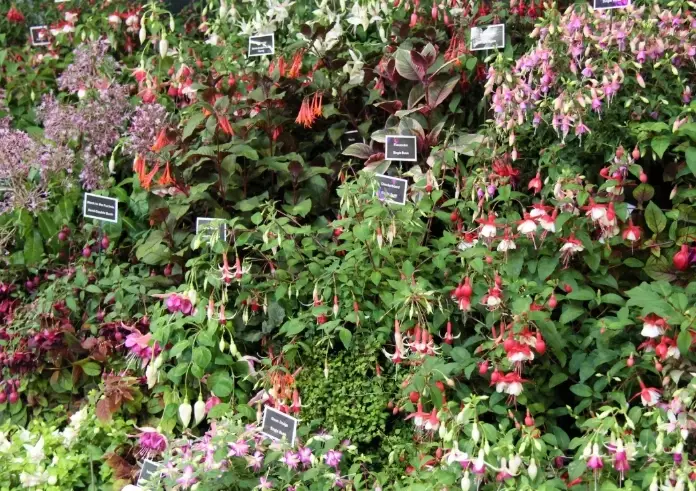
The Core Answer: Many fuchsia species and cultivars are technically woody perennial shrubs. However, their ability to survive winter outdoors and return in spring is limited by cold tolerance. In warmer climates (roughly USDA zones 7-10), they often behave as true garden perennials. In colder zones, they are typically grown as stunning annuals or need to be brought indoors to survive, making them "tender perennials."
What Does "Perennial" Even Mean for a Fuchsia?
Before we get lost in the weeds, let's clarify terms. A perennial plant is one that lives for more than two years. Trees are perennials. Peonies are perennials. But within that category, you have hardy perennials that can handle freezing winters in the ground, and tender perennials that die back or die completely if exposed to frost.
Most of the fuchsias we buy at the garden center—those spectacular trailing varieties with pink and purple flowers—are tender perennials. Their roots and stems can't withstand a hard freeze. So, in Minnesota or Vermont, they are functionally annuals unless you intervene. But wait, there's a whole other group!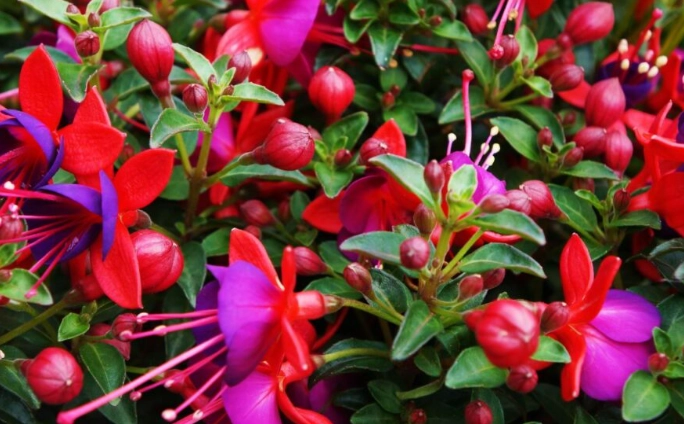
The Hardy Fuchsia Heroes
This is where the plot thickens in a good way. Several fuchsia species and their hybrids are surprisingly cold-tolerant. The champion is Fuchsia magellanica and its variants. I've seen these growing as sprawling, woody shrubs in coastal gardens in the Pacific Northwest (like in Seattle), where they die back to the ground in a cold snap and then cheerfully resprout from the base in late spring. The Royal Horticultural Society, a gold-standard authority, lists many F. magellanica cultivars as hardy down to H4 (USDA zones 7-8, tolerating temps down to 14°F / -10°C). You can check their detailed plant finder for specific varieties.
So, when someone asks "are fuchsias perennial," they might be thinking of these hardy types they saw in a neighbor's garden. The difference is all in the genetics.
Fuchsia Hardiness: A Quick-Reference Table
This table should help you figure out what you're probably working with. It's not exhaustive, but it covers the major players.
| Fuchsia Type & Common Examples | Typical Growth Habit | Cold Hardiness (USDA Zones) | Perennial Behavior |
|---|---|---|---|
| Hardy Fuchsias (e.g., Fuchsia magellanica 'Riccartonii', 'Mrs. Popple', 'Hawkshead') | Upright or spreading shrub | 6-10 (With protection in zone 6) | True garden perennial in zones 7+. Dies back, resprouts from roots/base. |
| Trailing/Basket Fuchsias (e.g., 'Swingtime', 'Dark Eyes', 'Voodoo') | Trailing, cascading stems | 10-11 (Very frost-tender) | Tender perennial. Grown as an annual in cold climates. Must overwinter indoors. |
| Upright/Triphylla Types (e.g., 'Gartenmeister Bonstedt', 'Thalia') | Bushy, upright growth | 9-11 | Tender perennial. Prized for foliage & heat tolerance, but not cold-hardy. |
| Species & Encliandra Fuchsias (e.g., F. microphylla, F. boliviana) | Variable, often shrubby | Varies widely (9-11 typically) | Mostly tender. Prized by collectors, often need greenhouse protection. |
See the pattern? The classic hanging basket fuchsias we adore are almost always in the most tender category. It's a bit of a bummer, but knowing is half the battle.
So, How DO You Overwinter a Fuchsia? A Step-by-Step Guide
This is the practical stuff you came for. Let's say you have a tender trailing fuchsia you're in love with and you want to save it. Can you treat it as a perennial by saving it from year to year? Absolutely. I've done it both successfully and... well, let's just say I've learned from my failures (RIP, a beautiful 'Swingtime' I drowned with kindness one winter).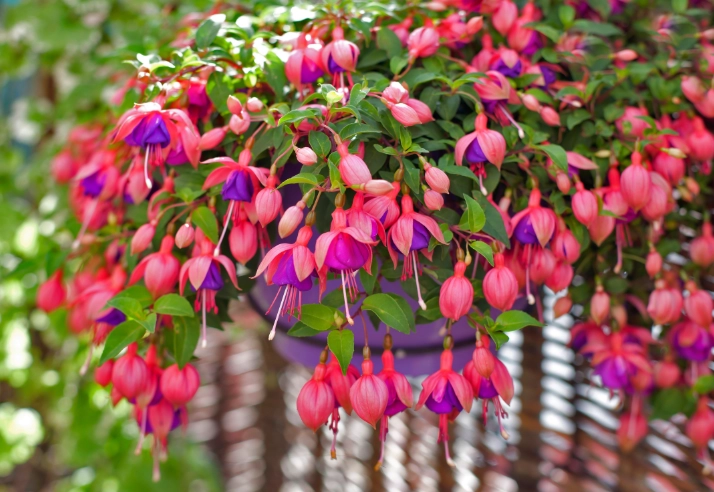
Option 1: The "Dormant Overwinter" (The Saver's Method)
This is best for cooler, dark spaces like an unheated garage, basement, or shed. The goal is to let the plant go dormant, just like a tree loses its leaves.
- Timing: Do this after the first light frost has blackened the leaves but before a hard freeze (late autumn).
- Prune: Cut the plant back by about a third to half. This reduces its mass and helps prevent disease. Don't be timid.
- Pot Check: Gently remove the plant from its basket or pot. Shake off some of the old soil and check for pests (whiteflies love fuchsias).
- Repot (Optional but good): Place it in a smaller pot with fresh, barely-moist potting mix. This minimizes root rot risk.
- Storage: Put the pot in a dark place where temps stay between 35-50°F (2-10°C). It must not freeze.
- Watering: This is the tricky part. Water only very sparingly—just enough to keep the roots from completely desiccating to dust. Maybe once a month. The plant will look dead. It's mostly dead. That's okay.
My Big Mistake: One year, I stored my fuchsia in a slightly warmer basement corner and kept watering it "a little" every couple of weeks. It tried to grow spindly, pale shoots in the low light, used up all its energy, and then rotted. Lesson learned: true dormancy needs cool temps and near-total neglect on the watering front.
Option 2: The "Houseplant Overwinter" (The Optimist's Method)
If you have a bright, sunny windowsill (south or west-facing), you can try to keep it growing, albeit slowly.
- Bring it in early, before any frost, while it's still healthy.
- Give it a good spray-down with insecticidal soap or a strong blast of water to evict any hitchhiking pests.
- Place it in the sunniest spot you have. It will likely drop some leaves as it adjusts to lower indoor light.
- Water only when the top inch of soil is dry. Hold off on fertilizer.
- You might get the occasional flower, which is a lovely winter treat. Come spring, cut it back hard to encourage bushy new growth before moving it back outside after all danger of frost has passed.
Pro Tip: Whether you choose dormancy or the houseplant method, label your pot! Write the variety name on it with a permanent marker. Come spring, when you're staring at a pot of what looks like dirt and sticks, you'll be glad you did.
What About Those "Hardy" Fuchsias in the Garden?
If you're lucky enough to grow a hardy fuchsia like 'Riccartonii' outdoors, the process is much simpler, which is why gardeners in milder climates swear by them as reliable perennials.
- Let it get hit by frost. The top growth will blacken and die back. This is normal.
- Don't cut it back in the fall. The old stems provide some insulation to the crown (the base of the plant) over winter. This was a game-changer for me. Early fall pruning can stimulate tender new growth that will just get killed.
- Apply a thick mulch (4-6 inches) of leaves, straw, or bark chips over the crown after the ground has frozen slightly. This keeps the soil temperature consistently cold, preventing damaging freeze-thaw cycles.
- Wait patiently in spring. They are often late to break dormancy. Don't assume it's dead until at least late May or early June. Then, prune away all the dead wood back to where you see new green shoots emerging from the base or lower stems.
For precise zone information and planting guidelines, referencing your local extension service is invaluable. For example, Oregon State University's Extension Service has excellent guides on perennial care for the maritime Northwest climate.
The Big List: Common Fuchsia Questions Answered
Let's tackle the other stuff swirling in your head. These are the questions I get asked most after "are fuchsias perennial?".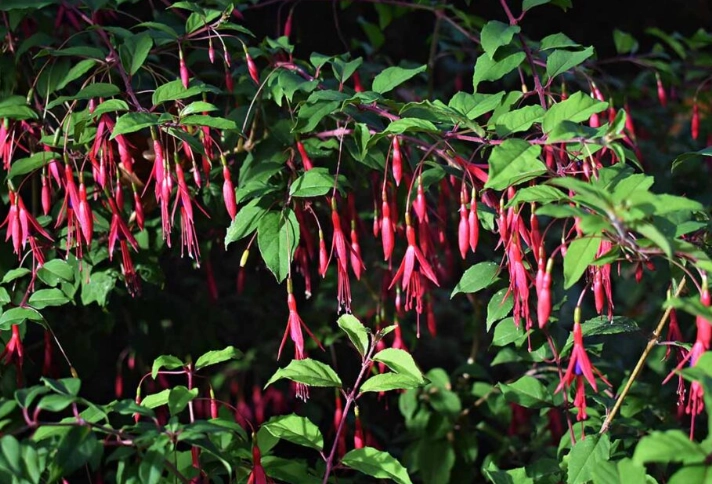
A well-cared-for fuchsia, especially a hardy type in the right climate, can live for decades. I've heard of specimens over 50 years old! The tender basket types, if overwintered successfully, can be kept going for many years, though they may get woody and less vigorous. Regular rejuvenation pruning helps.
In a borderline zone (like a warm zone 7), you might get away with heaping mulch over the pot and moving it to a sheltered spot against a house wall. But in truly cold areas, the roots in a pot will freeze solid much faster than roots in the ground. It's a big risk. For potted tender fuchsias, bringing them to a protected environment is always the safer bet.
Probably not. Scratch a small piece of bark on the main stem with your fingernail. If you see green underneath, it's alive. It's likely just in a stressed dormancy. Reduce watering, ensure it's not in a hot draft, and be patient.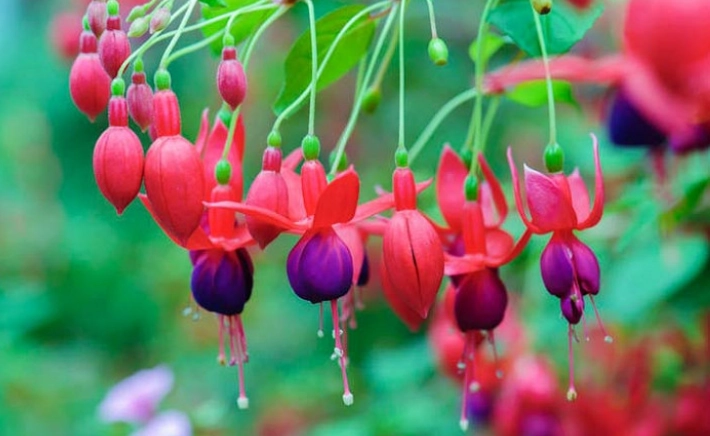
Honestly, not much during the growing season! Both love "cool feet"—moist, well-draining soil and shade from the hottest afternoon sun. Both are heavy feeders and benefit from regular liquid fertilizer. The main difference is the autumn planning and that underlying question of are fuchsias perennial here, which dictates your end-of-season action.
Look for specialty perennial nurseries, especially those that cater to cooler or maritime climates. Online nurseries often have the best selections. Always check the listed hardiness zone for the specific cultivar, not just the species name.
Final Thoughts: It's About What Works for You
After all this, here's my personal take. The quest to know if are fuchsias perennial isn't just a botanical yes/no. It's a question about what kind of gardener you are.
If you love low-maintenance, plant-a-hardy-shrub-and-forget-it gardening, then seek out the proven Fuchsia magellanica types for your zone. They are fantastic, pollinator-friendly perennials that give a long season of elegant blooms.
If you're a sucker for those outrageous, double-flowered trailing masterpieces (and I totally am), then accept that they are a project. They are tender perennials that require a bit of autumn effort. Some years, I can't be bothered, and I let them fade with the frost, treating them as glorious annuals. Other years, I'm more organized and save my favorites. Both approaches are perfectly valid.
Understanding the "it depends" behind the perennial question empowers you to make that choice. You can stop guessing and start planning. You can look at a plant tag or a garden center basket and know exactly what you're signing up for. And that, more than any overwintering trick, is the real secret to gardening success with these complex, beautiful plants.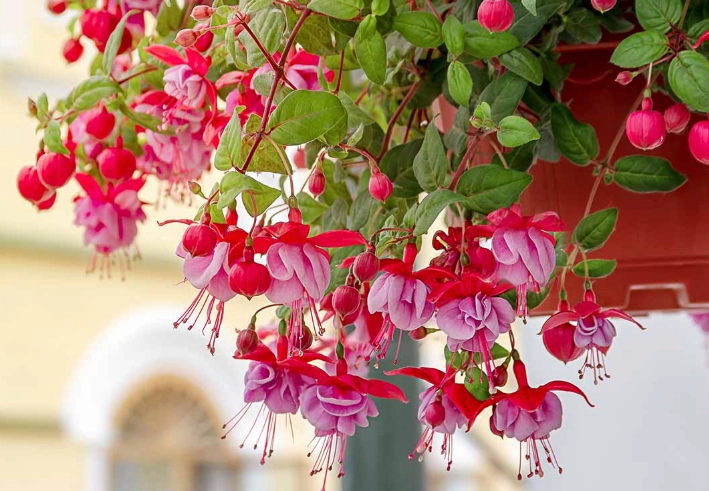
Reader Comments