Quick Navigation
- How Roses Are Classified: A Quick Primer
- The Major Types of Roses for Your Garden
- Choosing Your Rose: A Handy Comparison Table
- Beyond the Class: Other Ways to Think About Roses
- Answers to Common Rose Questions (The Stuff You Actually Search For)
- Final Thoughts: It's About Your Garden, Not Perfection
Let's be honest. Walking into a garden center or browsing an online nursery's "roses" section can feel overwhelming. Hybrid Tea, Floribunda, David Austin, Climber, Shrub... what does it all even mean? I remember when I first decided to plant roses, I just picked the one with the prettiest picture on the tag. Big mistake. It needed way more sun than my shady corner could offer, and it was a magnet for black spot.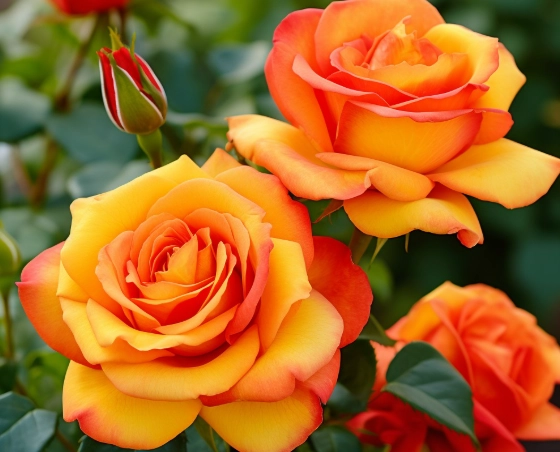
That's why understanding the different types of roses isn't just garden nerd trivia—it's the key to success (and avoiding disappointment). Choosing the right class of rose for your space, your climate, and how much time you want to spend pruning and spraying is everything.
This guide is here to cut through the confusion. We'll ditch the overly technical jargon and look at roses the way a gardener actually needs to: how they grow, how they look, and what they need from you. Whether you dream of perfect, long-stemmed blooms for cutting or a carefree, flowering machine that covers a fence, there's a rose type for you.
How Roses Are Classified: A Quick Primer
Before we dive into the list, it helps to know how roses are grouped. The official system used by organizations like the American Rose Society is based on their lineage and growth characteristics. It's a bit like a family tree.
You'll also hear terms like "modern roses" (generally those developed after 1867) and "old garden roses" (or heirlooms, from before that date). For most of us, the modern classification by type is the most useful for making a buying decision.
So, let's meet the main families.
The Major Types of Roses for Your Garden
Here’s where we get into the meat of it. I’ve organized this based on what you’re likely to see for sale and what goals you might have.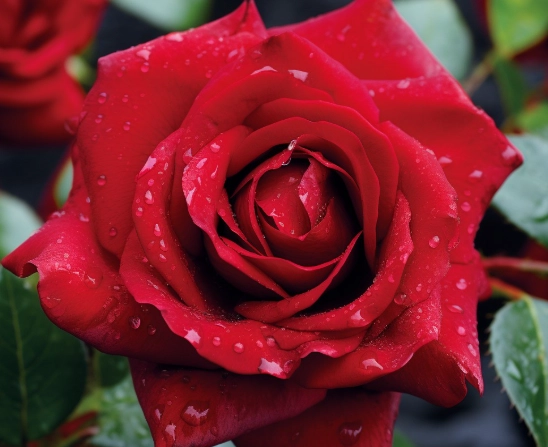
1. Hybrid Tea Roses: The Classic Cut Flower
This is what most people picture when they think of a "rose." A long, elegant stem topped with a large, perfectly shaped, high-centered bloom. They're the divas of the rose world—stunningly beautiful but often needing a bit more attention.
- Look: One magnificent bloom per stem. The classic florist shape.
- Growth Habit: Upright and somewhat stiff, usually growing 3 to 6 feet tall. They don't tend to get very wide.
- Best For: Formal beds, cutting gardens, and anyone who wants to exhibit prize-winning blooms.
- The Downside: They can be less cold-hardy than some other types, and their bare "legs" at the bottom can look awkward if not disguised with other plants. Disease resistance varies wildly by cultivar; some are tough, others are... not. I've had a few that were constant drama with mildew.
Popular examples include 'Mister Lincoln' (a deep red), 'Peace' (iconic yellow and pink), and 'Double Delight'.
2. Floribunda Roses: The Flower Powerhouses
If Hybrid Teas are solo artists, Floribundas are the entire choir. They produce clusters of blooms—sometimes dozens at a time—on a single stem. They were literally bred to combine the beautiful flower form of Hybrid Teas with the prolific blooming habit of Polyantha roses.
- Look: Masses of smaller to medium-sized flowers in big, showy clusters.
- Growth Habit: Bushier and more compact than Hybrid Teas, usually 2 to 4 feet tall and wide. They create a fuller, more rounded plant.
- Best For: Adding massive blocks of color to borders, foundations, and containers. They're generally more low-maintenance and disease-resistant than many Hybrid Teas.
- The Downside: The individual blooms often lack the refined, sculptural form of a Hybrid Tea. The stems are shorter, so they're not ideal for tall vase arrangements.
You can't go wrong with varieties like 'Iceberg' (the legendary white), 'Julia Child' (a buttery yellow), or 'Scentimental' (striped red and white).
3. Grandiflora Roses: The Best of Both Worlds?
A slightly less common class, Grandifloras are essentially a cross between Hybrid Teas and Floribundas. They aim to give you the classic, high-centered bloom form and the ability to bloom in clusters. In my experience, they sometimes feel like a slightly taller, more vigorous Hybrid Tea that happens to have a few side buds.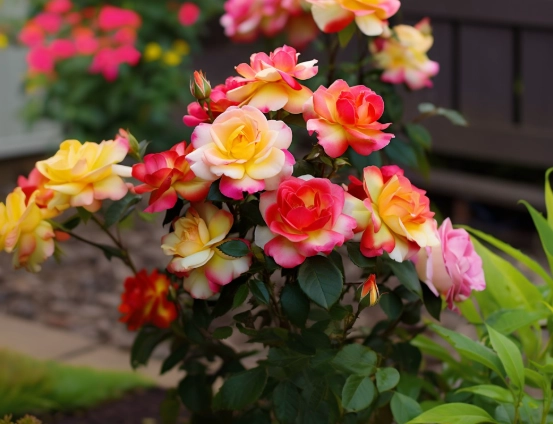
- Look: Large, Hybrid Tea-style flowers, often borne in small clusters of 3-5 blooms on very long, strong stems.
- Growth Habit: Tall and upright, often reaching 6 feet or more. They make a bold statement in the back of a border.
- Best For: Gardeners who want cutting-quality flowers on a robust, repeat-blooming plant.
- The Downside: They can be a bit sparse-looking if not grown perfectly, and they share many of the same pest and disease susceptibilities as Hybrid Teas.
'Queen Elizabeth' (a clear pink) is the classic example that defined this group.
4. Shrub Roses: The Tough, Versatile Backbone
This is a huge and wonderful category that's become incredibly popular, and for good reason. "Shrub rose" is a bit of a catch-all term for robust, bushy, generally disease-resistant roses that don't fit neatly into other classes. This includes many modern landscape roses and the famous David Austin English Roses, which blend old rose forms with modern repeat-blooming.
- Look: Incredibly diverse! Flowers can be single, double, cupped, or rosette-shaped. The focus is on the overall impression of the plant, not just individual blooms.
- Growth Habit: Naturally full, rounded, and dense. Sizes range from low groundcovers (like the Flower Carpet series) to large, arching bushes over 5 feet tall and wide.
- Best For: Almost everything. Hedges, mixed borders, mass plantings, specimen plants. They are the workhorses of the rose world. Their disease resistance is a major selling point—I've found they forgive my occasional neglect much better.
- The Downside: The flower form is often less "perfect" than a Hybrid Tea (though many find it more charming). Some can get quite large, so check the mature size.
This category is a treasure trove. Look into the Knock Out® series (incredibly tough), David Austin's 'Gertrude Jekyll' (heavenly scent), or rugosa roses like 'Hansa' (super cold-hardy and great for hips).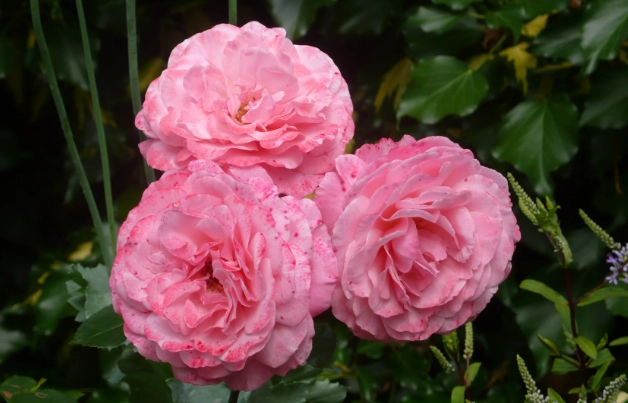
5. Climbing & Rambling Roses: The Vertical Artists
These types of roses don't actually climb like vines; they produce long, flexible canes that need to be tied to a support. They're perfect for transforming walls, fences, arbors, and pergolas.
- Climbing Roses: Usually repeat-bloomers throughout the season. They often have stiffer canes and larger flowers. Many are sports (mutations) of bush roses, like 'Climbing Iceberg'.
- Rambling Roses: Tend to be older varieties that flower once, spectacularly, in early summer. They throw out incredibly long, pliable canes (up to 20 feet!) and are often more disease-resistant and shade-tolerant. Perfect for covering an unsightly shed or sprawling over a large arch.
Best For: Creating vertical interest, covering structures, adding romance. The Downside: Training and pruning can be intimidating at first. You also need a sturdy structure—a flimsy trellis won't cut it in a few years.
6. Groundcover Roses: The Low-Maintenance Carpets
Exactly what they sound like. These are low-growing, spreading shrub roses that are bred to cover the ground, suppress weeds, and spill over walls or containers.
- Look: A cascading mat of foliage smothered in small to medium flowers.
- Growth Habit: Typically less than 2 feet tall but can spread 3-5 feet wide or more.
- Best For: Slopes, banks, front-of-border edging, sprawling over retaining walls. They're fantastic for erosion control and are generally very tough and disease-resistant.
- The Downside: Not for you if you want tall, cutting flowers. Can be a bit monotonous if used in too large a block without other plants.
The Drift® series and many of the Flower Carpet® roses are stellar examples.
Choosing Your Rose: A Handy Comparison Table
Still unsure? This table breaks down the key practical differences between the most common types of roses you'll encounter.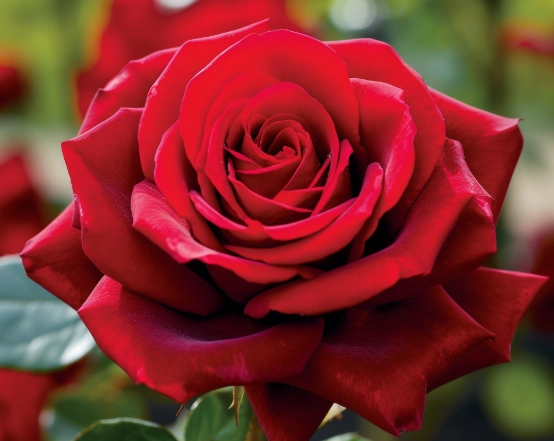
| Rose Type | Typical Height | Bloom Style | Best Use | Maintenance Level | Good for Beginners? |
|---|---|---|---|---|---|
| Hybrid Tea | 3-6 ft | Large, single bloom per stem | Cutting garden, formal beds | Higher (pruning, disease watch) | Maybe, if you choose disease-resistant varieties |
| Floribunda | 2-4 ft | Clusters of medium blooms | Color borders, mass planting | Medium | Yes, generally tougher |
| Grandiflora | 5-7 ft+ | Large blooms in small clusters | Back of border, tall screens | Higher | Probably not the first choice |
| Shrub Rose | 2-6 ft+ (varies) | Varied, often full & abundant | Hedges, landscapes, mixed beds | Low to Medium | Excellent choice |
| Climbing Rose | 8-15 ft+ | Varied, on long canes | Walls, fences, arbors | Medium (training required) | Yes, once you understand training |
| Groundcover | 1-2 ft | Masses of small blooms | Slopes, ground cover, edging | Very Low | The best choice for easy care |
Beyond the Class: Other Ways to Think About Roses
Sometimes, you're looking for something specific. Here are other lenses through which to view the world of roses.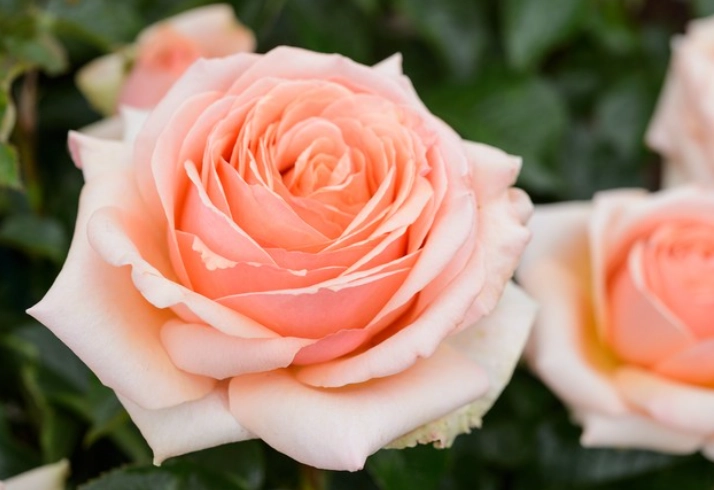
By Fragrance
Not all roses are created equal in the scent department. Modern breeding for color and form sometimes left fragrance behind (though it's making a big comeback). If scent is your priority, you often need to seek it out.
- Heavy, Classic Rose Scent: Many old garden roses and David Austins. Try 'Gertrude Jekyll', 'Mr. Lincoln', or rugosa roses.
- Fruity or Citrusy: Some modern roses have surprising notes of lemon, apple, or raspberry. 'Julia Child' has a licorice and spice scent.
- Myrrh or Tea: A complex, spicy scent found in many English Roses.
The Royal Horticultural Society (RHS) awards a special "Award of Garden Merit for Fragrance," which is a great place to start your search.
By Disease Resistance
This is a major practical concern, especially in humid climates. The good news is that breeding has come a long way.
Look for roses marketed as "disease-resistant." Proven winners include most shrub roses (especially Knock Outs®, Drift®, and many rugosas), the Buck roses developed by Griffith Buck for the harsh Midwest, and many of the newer varieties from reputable breeders. Always read reviews from gardeners in a climate similar to yours.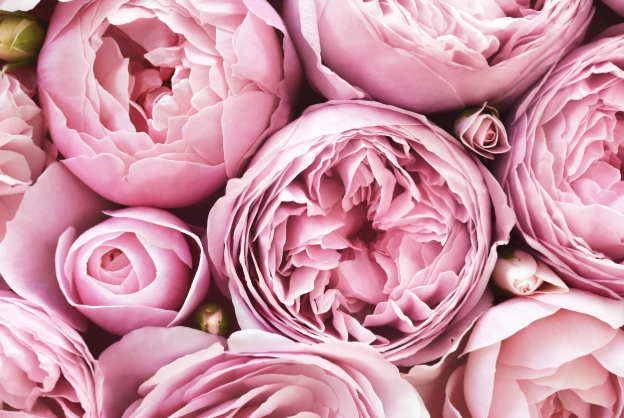
By Color and Bloom Form
This is the fun part. Do you want the classic pointed bloom, a fluffy hundred-petalled old-fashioned bloom, or a simple, single bloom that lets the bees in? Colors now range from near-black purples to vibrant oranges, stripes, and blends. Knowing your preferred type of rose bloom helps narrow the search within a class.
Answers to Common Rose Questions (The Stuff You Actually Search For)
Hands down, for overall toughness, disease resistance, and minimal fuss, look to modern Shrub Roses and Groundcover Roses. Series like Knock Out®, Drift®, Flower Carpet®, and Oso Easy® were literally bred for this. They won't give you exhibition-quality Hybrid Tea blooms, but they will give you a reliable, colorful, and healthy plant with very little spraying or precise pruning required.
Most modern roses (post-1867) are "repeat-bloomers" or "ever-blooming," meaning they flower in flushes from late spring until frost. This includes Hybrid Teas, Floribundas, Grandifloras, most Shrub roses, and many Climbers. The key to keeping them going is consistent deadheading. Old Garden Roses and many Ramblers, however, often have one glorious, but brief, spring bloom period.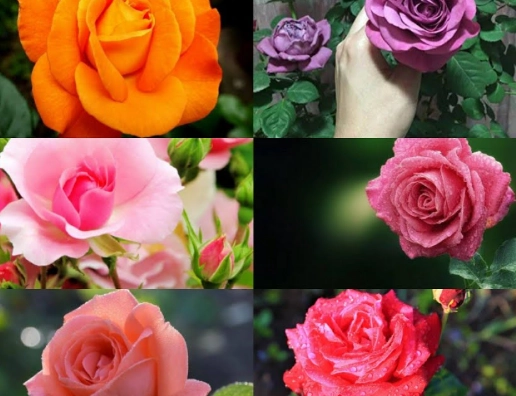
Fragrance is highly subjective, but you'll often find the strongest, most complex scents in Old Garden Roses (like Damasks and Gallicas), David Austin English Roses, and certain Hybrid Tea varieties bred for scent (like 'Double Delight' or 'Fragrant Cloud'). Don't overlook rugosa shrub roses—their clove-like scent is powerful, and they even have fragrant foliage.
You can, but choose wisely. You'll need a very large, heavy pot (like a half-barrel) to provide enough root space and stability. Opt for a smaller, less vigorous climbing or patio climber variety. Be prepared to water and fertilize more frequently, and ensure you have a very sturdy support anchored to the pot or a wall. It's a project, but it can be done for a patio or balcony.
David Austin roses, officially called English Roses, are a specific brand of Shrub Rose. David Austin's breeding goal was to combine the beautiful flower forms and fragrances of Old Garden Roses with the color range and reliable repeat-blooming habit of Modern Roses. So, they are not a separate botanical class, but a highly esteemed and distinct group within the Shrub category. They are famous for their captivating scents and romantic, cupped blooms.
Final Thoughts: It's About Your Garden, Not Perfection
After all this talk of classifications and tables, here's my final piece of advice: don't get paralyzed by the choice. Think about the spot in your garden first. Is it sunny? How much space is there? What do you want the rose to *do* (cover a fence, provide cut flowers, be a low hedge)?
Then, match the type of rose to that job. A Shrub or Floribunda for a mixed border. A Climber for the fence. A Groundcover for that sunny bank. Start with one that's known to be tough in your area. You can always graduate to the finicky, high-maintenance divas later if you catch the rose bug.
The beauty of the different types of roses is that there's truly one for every gardener and every garden. The trick is in the matchmaking. Get that right, and you're more than halfway to success.
Now, go find your perfect rose.
Reader Comments