What’s Inside
So you've brought home a Cymbidium orchid, or maybe you're eyeing one at the nursery. Those gorgeous sprays of flowers, like a fleet of little colorful boats (that's what "Cymbidium" means, by the way – from the Greek "kymbe" for boat-shaped), are incredibly tempting. But then the doubts creep in. How do you keep it alive after the flowers fade? Why won't it bloom again? I've been there. My first Cymbidium was a gift, a stunning cascade of yellow blooms. It lived on my coffee table, I watered it when I remembered, and it… well, it didn't make it. Turns out, I was treating it like a tropical Phalaenopsis, and that's the first big mistake many of us make.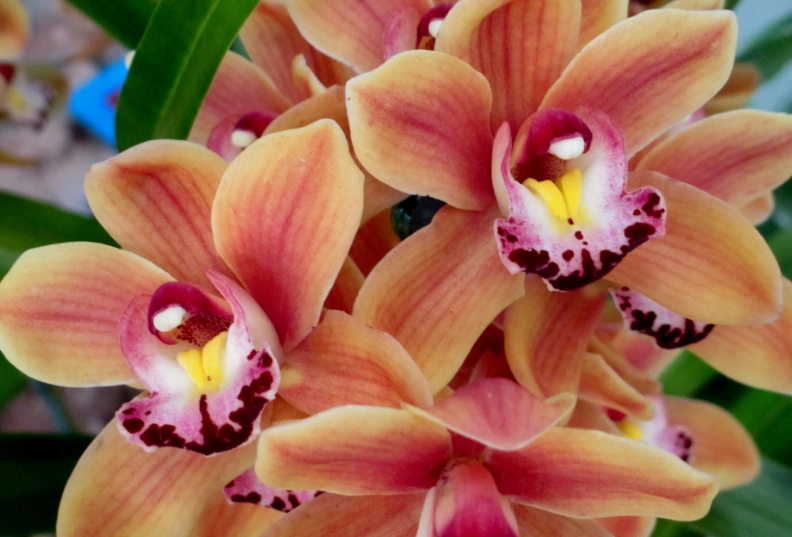
Cymbidiums are different. They're not your average windowsill orchid. They have specific needs, and if you get those right, they reward you with years of breathtaking, long-lasting flowers. This guide is everything I wish I'd known back then, pieced together from research, talking to growers, and yes, a few more trial-and-error plants on my part.
What Exactly is a Cymbidium Orchid?
Before we dive into the how-to, let's understand the what. Cymbidiums are a massive genus of orchids, primarily originating from the cooler, high-altitude regions of Asia and Australia. Unlike their purely tropical cousins, many Cymbidium species experience significant temperature drops in their native habitats. This evolutionary quirk is the key to their care.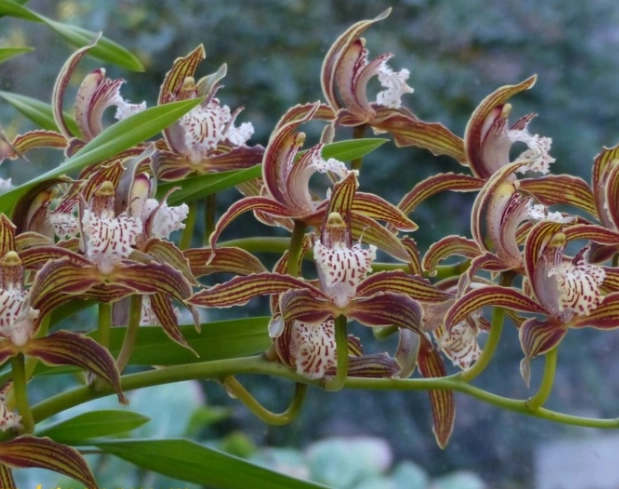
They are sympodial orchids, meaning they grow horizontally across the pot, producing new growths (called "pseudobulbs") from a rhizome. These pseudobulbs are your plant's water and energy storage units. A plump, fat pseudobulb is a happy pseudobulb. The flowers emerge on tall, arching spikes (scapes) from the base of new growths, and a single spike can carry dozens of individual blooms that last for weeks, even months.
They're often called "boat orchids" due to the shape of their lip.
Choosing Your Cymbidium: A Buyer's Guide
Walking into a garden center can be overwhelming. You'll see standard Cymbidiums with large flowers on tall spikes, and compact "miniature" or "mini-cymbidium" hybrids. Your choice here sets the stage for your success.
Standard Cymbidiums: These are the classic show-stoppers. Big flowers, tall spikes (often needing staking), and they generally require more pronounced cool temperatures to initiate blooms. They're fantastic for a cool sunroom, a sheltered patio, or areas with mild winters. If your indoor space is consistently warm (above 70°F/21°C), you might struggle to get them to rebloom.
Miniature Cymbidium Hybrids: This is where most indoor growers find their sweet spot. Bred to be more compact in leaf and flower spike, many mini-Cymbidiums are also more tolerant of intermediate temperatures. They still need a cool period, but it can be less extreme than for the standards. They fit better on windowsills and are less demanding on space. Personally, I've had far more success with miniatures in my home.
When selecting a plant, don't just look at the flowers. Peer into the pot. Look for multiple green, plump pseudobulbs. Avoid plants where all the pseudobulbs are shriveled and brown, or where there's only one or two green growths. A plant with several leads is a resilient plant. Check the leaves for signs of pests (scale looks like little brown bumps, mites cause silvery stippling) and avoid any with black or mushy spots.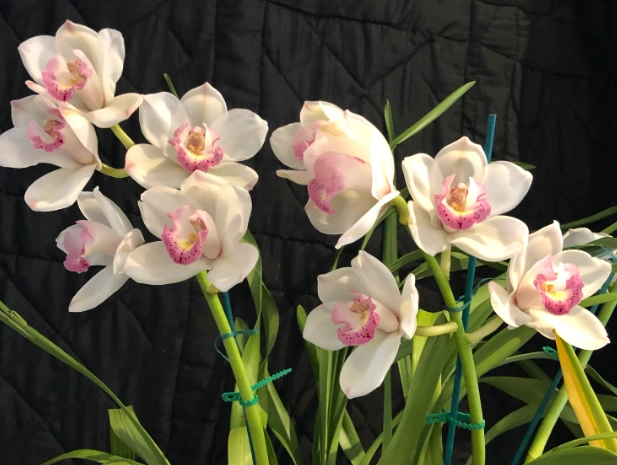
Popular Cymbidium Varieties to Look For
The hybridization of Cymbidiums is a global endeavor, resulting in thousands of named cultivars. Here are a few types you're likely to encounter, each with its own character.
- Traditional Large-Flowered Hybrids: Think classic corsage orchids. Often in whites, pinks, yellows, and greens with contrasting lips. They carry an air of formal elegance.
- Modern Miniature Hybrids: Plants like the 'Showgirl' or 'Pacific' series. Denser flower spikes, a wider range of colors including reds and oranges, and a more manageable size. These are the workhorses for home growers.
- Species and Near-Species: For the purist. Cymbidium goeringii (fragrant and spring-blooming) or Cymbidium ensifolium (the "Four Season Orchid") offer a different, often more delicate charm. They can be trickier but are deeply rewarding.
- Novelty and Peloric Cymbidiums: These have unusual flower forms where the petals mimic the lip, creating a full, rounded look. They're fascinating but sometimes divisive—some orchid lovers adore them, others think they look weird. I find them intriguing.
The Cymbidium Care Bible: A Seasonal Breakdown
This is the core of it. You can't treat a Cymbidium the same way in July as you do in January. Their year has distinct phases: Growth, Bloom Initiation, and Blooming. Get this rhythm right, and you're golden.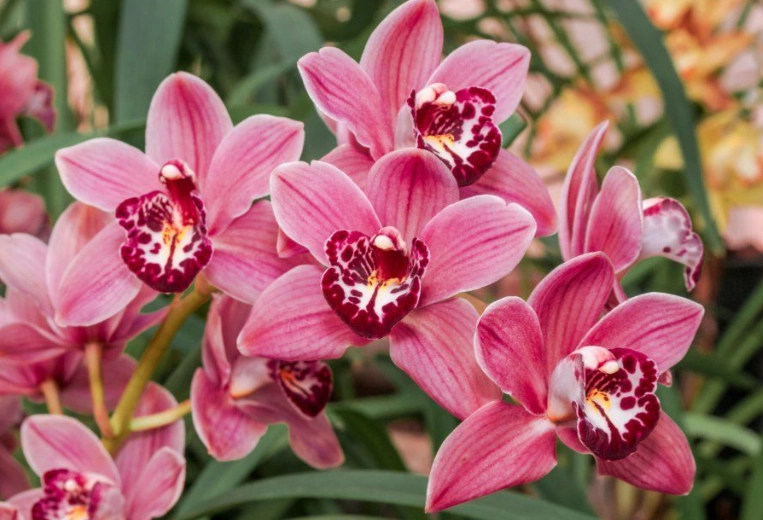
Light: The Non-Negotiable Fuel
Cymbidiums are high-light orchids. They need bright, filtered light to build those strong pseudobulbs that support flowering. A south or east-facing window is ideal in the Northern Hemisphere. The leaves should be a medium grassy green. If they're dark forest green, it's not getting enough light. If they're yellowish or have a reddish tinge (sunburn), it's getting too much direct, harsh sun.
So, how much light is enough light?
A good rule is they can handle some direct morning sun but need protection from the intense afternoon rays. During the summer, many growers put their Cymbidiums outdoors in dappled shade under a tree. This provides perfect light levels and, crucially, the temperature drop at night. Just remember to acclimate them slowly to prevent sunburn.
Watering & Humidity: The Balancing Act
This is where I killed my first one. Overwatering. Cymbidiums like to approach dryness between waterings, but not bone-dry for extended periods. During active growth (spring/summer), water thoroughly when the top inch of the potting mix feels dry. Let water run through the pot freely. Never let the pot sit in a saucer of water—root rot is a silent killer.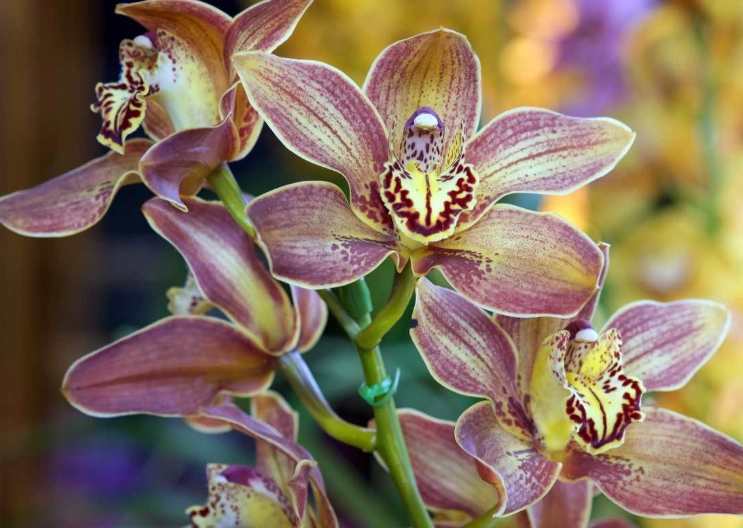
In late autumn and winter, when growth slows and temperatures are cooler, reduce watering frequency significantly. The mix can be almost dry before you water again. The pseudobulbs will tell you if you're underwatering—they'll start to shrivel and wrinkle.
Humidity is appreciated, ideally between 40-60%. In dry homes, a humidity tray (a shallow tray filled with pebbles and water, with the pot sitting on the pebbles above the water line) works wonders. Grouping plants together also creates a microclimate.
The Magic Ingredient: Temperature & The Essential Chill
Here it is. The big secret. To trigger flower spikes, most Cymbidiums need a consistent period where night temperatures drop significantly—by 10-15°F (5-8°C)—from the daytime highs. This usually needs to last for 4-6 weeks in late summer or early autumn.
Ideal Temperatures for Bloom Induction:
- Day: 75-85°F (24-29°C)
- Night: 50-60°F (10-15°C)
This is why Cymbidiums thrive outdoors in temperate climates or in unheated sunrooms. If you only have constant indoor warmth, the plant gets confused. It thinks it's in a perpetual, flowerless summer. This single factor is why so many grocery-store Cymbidiums become foliage plants.
Once the flower spike is well-initiated (you'll see a small, pointed growth from the base of a pseudobulb that looks different from a leaf shoot), you can bring it into slightly warmer conditions to enjoy the blooms.
Feeding: The Growth Booster
Cymbidiums are moderate to heavy feeders during their growth period. They're building massive leaf structures and storing energy. A balanced, water-soluble orchid fertilizer (look for something like 20-20-20 or a similar ratio) works well. The old adage is "Weekly, weakly"—meaning a diluted dose (half or quarter strength) every week during spring and summer.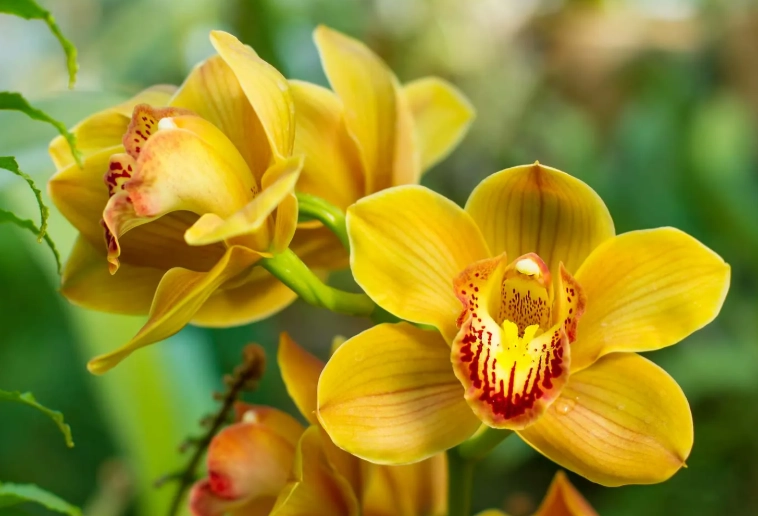
In late summer, some growers switch to a fertilizer higher in phosphorus (the middle number, e.g., 10-30-20) to encourage blooming. In late autumn and winter, stop fertilizing almost entirely. The plant isn't actively growing and won't use the salts, which can build up and damage the roots.
Potting Mix & Repotting: Giving Roots Room to Breathe
Cymbidiums are typically grown in a very coarse, free-draining mix. A common blend is medium-grade fir bark, perlite, and maybe some charcoal or sponge rock. The goal is air, air, air around the roots. They hate being soggy.
Repot every 2-3 years, or when the mix breaks down into mush or the plant has literally grown over the edge of the pot. The best time is right after flowering, usually in spring, just as new roots start to emerge. This gives the plant a full season to re-establish.
Repotting Steps:
- Soak the plant to make roots more pliable.
- Remove it from the old pot, gently teasing away the old mix. Cut away any dead, mushy, or papery roots (healthy roots are firm and white or green-tipped).
- Choose a pot that gives the rhizome room to grow forward for 2-3 years. They don't mind being a bit snug, but not cramped.
- Place the oldest pseudobulbs against the edge of the pot, with the new growths facing the center. This gives them space to grow across.
- Hold the plant in place and fill in with new mix, tamping gently to settle it. Don't bury the pseudobulbs.
- Wait a week before watering to let any root wounds callus over.
Cymbidium Care Calendar at a Glance
| Season | Light | Water | Temperature (Night) | Fertilizer | Key Action |
|---|---|---|---|---|---|
| Spring (Growth) | Bright, indirect | Increase as growth starts, keep moist but not wet | 55-65°F (13-18°C) | Balanced, weekly/weakly | Repot if needed; move outdoors after last frost |
| Summer (Growth) | Bright, some morning sun outdoors | Water regularly, don't let dry out completely | 60-70°F (16-21°C) | Balanced, weekly/weakly | Enjoy growth; watch for pests |
| Autumn (Bloom Initiation) | Bright, indirect | Start to reduce as temps drop | CRUCIAL: 50-60°F (10-15°C) | Switch to high-phosphorus or stop | Provide consistent cool nights for 4-6 weeks |
| Winter (Blooming/Rest) | Bright, indirect indoors | Water sparingly, allow to dry more | 55-65°F (13-18°C) for blooms | Little to none | Enjoy flowers! Stake spikes; keep away from heat vents |
Solving Common Cymbidium Problems (Before They Solve You)
Things go wrong. It's part of gardening. Here’s how to diagnose and fix the most common Cymbidium issues.
Why are my Cymbidium's leaves turning yellow and dropping?
It depends which leaves. If it's the oldest, outermost leaves turning yellow and falling off one at a time, that's normal senescence. The plant is recycling nutrients. If many leaves are yellowing rapidly, especially newer ones, it's trouble. Overwatering is the prime suspect. Check the roots. Underwatering can also cause it, but usually with shriveled pseudobulbs. Sometimes, a sudden change in light or temperature can cause leaf drop.
Black or brown spots on the leaves?
This is often a fungal or bacterial issue, frequently caused by water sitting on the leaves (especially if watered at night) or poor air circulation. Increase airflow, avoid wetting the leaves when watering, and remove the affected leaf tissue with a sterile tool. In severe cases, a fungicide may be needed. Sunburn can also cause large, bleached or brown patches, usually on the leaf surface most exposed to the sun.
My plant has lots of healthy growth but no flowers. What gives?
You've found the Cymbidium conundrum! Nine times out of ten, this is the lack of a proper cool period. Review the temperature section. The plant is getting enough light, food, and water to grow, but not the environmental cue to switch from vegetative growth to reproductive (flowering) mode. The other culprit could be a fertilizer too high in nitrogen, promoting only leaves.
What are these sticky droplets and black sooty mold on my plant?
Sticky honeydew is a sign of sap-sucking pests. The usual suspects are scale insects (little brown or white bumps that don't wipe off easily) or mealybugs (white, cottony masses). The black sooty mold grows on the honeydew. Isolate the plant. For scale, dab each insect with a cotton swab dipped in rubbing alcohol. For mealybugs, alcohol swabs or a strong spray of water can help. For severe infestations, insecticidal soap or a systemic insecticide may be necessary. Regular inspection is key.
Advanced Tips for the Committed Grower
Once you've mastered the basics, you can play with techniques to get even more out of your Cymbidiums.
Dividing and Propagating: When you repot a large, multi-growth plant, you can divide it. Ensure each division has at least 3-5 healthy pseudobulbs (preferably with both older "backbulbs" and newer leads). You can also pot up single old backbulbs (with no leaves) in sphagnum moss; they may eventually produce a new growth, but it's a slow process.
Staking and Display: Standard Cymbidium spikes are heavy and need support. Insert a stake early, when the spike is about 6-8 inches tall, and tie it loosely as it grows. Don't pull it perfectly straight; a gentle arch is natural and beautiful.
Sources for Rare Plants & Information: For venturing beyond store-bought hybrids, connecting with specialty orchid nurseries and societies is invaluable. The American Orchid Society (AOS) website is a treasure trove of vetted, in-depth care sheets and a gateway to local societies. Many commercial growers, like OrchidWeb, offer a wider selection of species and complex hybrids, along with detailed growing notes. Always verify you're buying from a reputable vendor.
Final Thoughts: Is a Cymbidium Right for You?
Let's be honest. A Cymbidium orchid is not the easiest houseplant. It demands specific conditions, most notably that cool autumn period. If you live in a climate with distinct seasons and have a bright, cool room, patio, or the willingness to move it outdoors for part of the year, you will be amply rewarded.
If you live in a perpetually warm, tropical climate or a constantly heated apartment without a cool corner, you might be setting yourself up for frustration. In that case, a Phalaenopsis or a Paphiopedilum might be a more consistently rewarding choice.
But if you have the right environment, or are willing to create it, few orchids offer the same dramatic, long-lasting payoff. There's something immensely satisfying about seeing those fat flower spikes emerge, knowing you provided the exact rhythm of care the plant needed. It's a partnership. My mini-Cymbidiums, now blooming reliably every winter, are a highlight of my year. They remind me that sometimes, the most beautiful things need a little chill to truly shine.
Start with a healthy miniature hybrid, pay close attention to light and that all-important temperature drop, and don't be discouraged by setbacks. Every orchid grower has a graveyard of lessons learned. The key is to learn from them. Your Cymbidium will tell you what it needs—you just have to learn to listen.
Reader Comments