In This Guide
- What Exactly Is a Willow Shrub?
- Top Willow Shrub Varieties You Should Actually Consider
- How to Plant a Willow Shrub: Don't Just Dig a Hole
- Caring for Your Willow Shrub: The Realistic Guide
- Common Problems (And Honest Solutions)
- Design Ideas: Making a Willow Shrub Shine
- Willow Shrub FAQs: Answering Your Real Questions
Let's talk about willow shrubs. You probably picture those giant weeping willows by a pond, right? All graceful and huge. But what if I told you there's a whole world of smaller, more manageable willow bushes perfect for the average backyard? That's what we're diving into today. I remember the first time I planted a dwarf willow shrub. I was nervous – would it take over? Would it die on me? Turns out, it was one of the best gardening decisions I've made.
These plants are tougher than they look and bring a unique texture to any garden space. Whether you're dealing with a soggy corner that nothing else likes, or you just want something fast-growing for a bit of privacy, a willow shrub might be your answer. But (and there's always a but) you need to pick the right one and know what you're signing up for.
What Exactly Is a Willow Shrub?
Okay, basics first. When we say "willow shrub," we're usually not talking about the massive tree forms. We're talking about the bushy, often smaller members of the Salix family. They share the classic willow traits – slender, often colorful stems, narrow leaves, and a love for moisture – but they behave more like a large bush or a small, multi-stemmed tree. They're the versatile cousins, happy in a mixed border, as a standalone feature, or even in a large container for a while.
Think of them as the utility players of the plant world.
Their growth habit can be upright, spreading, or even ground-hugging. The appeal? Year-round interest. In spring, you get those cute catkins (pussy willows!). Summer brings a canopy of green or blue-green leaves. Autumn might offer a gentle yellow hue. But for many, the real show is winter, when the leaves drop and reveal stems in stunning colors – fiery orange, bright yellow, deep red, or glossy purple. That's a willow shrub earning its keep in the off-season.
Top Willow Shrub Varieties You Should Actually Consider
Not all willows are created equal. Some are well-behaved garden citizens, others... let's just say they have ambitions of world domination. Here are the ones I've had real success with, or that come highly recommended from trusted sources like the Royal Horticultural Society. Their plant selector is a goldmine for checking hardiness and traits.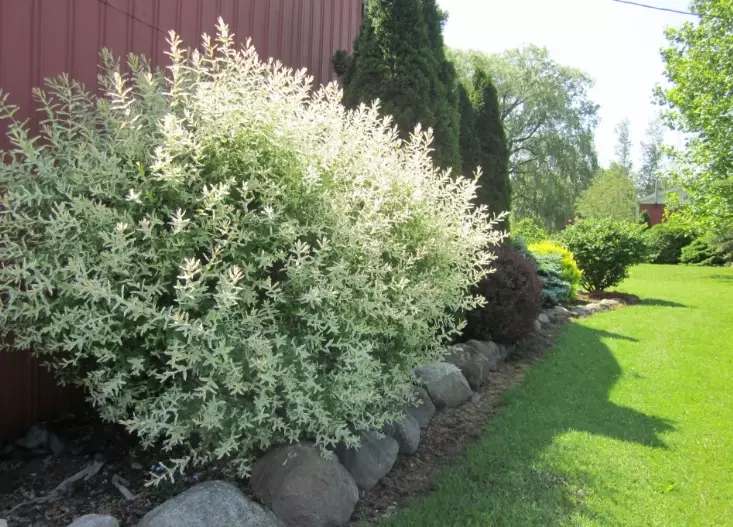
| Variety Name | Key Features | Mature Size (H x W) | Best For | My Personal Take |
|---|---|---|---|---|
| Dwarf Arctic Willow (Salix purpurea 'Nana') | Fine, blue-green foliage; very compact; purple stems in winter. | 3-5 ft x 3-5 ft | Small gardens, low hedges, foundation planting. | Super reliable. Slow grower, which is a good thing. Never gets out of hand. |
| Japanese Pussy Willow (Salix chaenomeloides) | Large, showy pink or silver catkins in early spring. | 6-10 ft x 6-10 ft | A spring spectacle, cut branches for vases. | The catkins are incredible. It's a bit bigger, so give it room. Worth it for the early spring joy. |
| Flame Willow (Salix 'Flame') | Brilliant orange-red young stems that intensify in winter. | 8-15 ft x 8-12 ft | Winter color, dramatic backdrop. | You coppice this one (cut it down hard) for the best stem color. High impact, but requires that annual chop. |
| Dappled Willow (Salix integra 'Hakuro-nishiki') | Spectacular pink and white variegated foliage in spring. | 4-6 ft x 4-6 ft (if pruned) | Foliage color, container growing. | Stunning, but the show is mostly spring/summer. Can get leggy. Needs regular pruning to stay bushy and colorful. |
| Rosemary Willow (Salix elaeagnos) | Narrow, rosemary-like leaves with silver undersides; graceful habit. | 8-12 ft x 6-10 ft | Texture, windy sites, drier soils than most willows. | An elegant choice. It's more drought-tolerant, which is unusual. Less invasive roots, in my experience. |
See? There's a willow shrub for different needs. The key is matching the plant's final size and habits to your space. That 'Flame' willow is gorgeous, but if you plant it 3 feet from your house, you'll have a problem in a few years. Trust me, I've seen it happen.
Pro Tip: Always check the USDA Plant Hardiness Zone for any plant. Most willow shrubs are hardy from zones 4-8, but some tolerate more heat or cold. The USDA's official map is the place to confirm your zone. A willow shrub that's not hardy in your area is a heartbreak waiting to happen.
How to Plant a Willow Shrub: Don't Just Dig a Hole
Planting is where you set the stage for success or struggle. Willows are forgiving, but doing it right means less work later.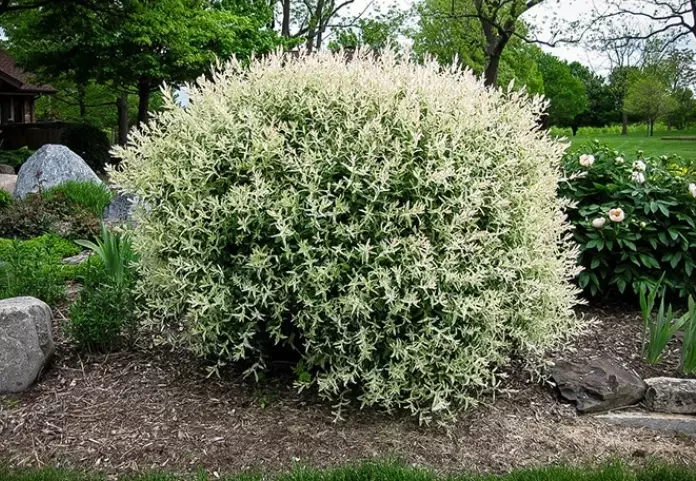
Picking the Perfect Spot
Sunlight is non-negotiable. Most willow shrubs need full sun – that's at least 6 hours of direct sun a day. Less sun means weak growth, fewer catkins, and duller stem color. They can handle part shade, but they won't thrive.
Now, water and soil. Here's the big willow myth: they must have swampy soil. Not entirely true. While they love moisture and are champions for wet, poorly-drained spots, many established willow shrubs will tolerate average garden soil. The catch? They will not tolerate dry, sandy soil for long periods. Their roots are shallow and thirsty.
So, if you have a low spot that collects water, a willow shrub is your hero plant.
Space is the other critical factor. Look at that mature width in the table. Now double-check your planting distance from foundations, fences, and drains. Willow roots seek water aggressively. Planting too close to water pipes or old septic systems is asking for trouble. Give them room.
The Planting Process, Step-by-Step
- Timing: Early spring or fall are ideal. Avoid the heat of summer.
- The Hole: Dig it twice as wide as the root ball, but no deeper. You want the top of the root ball level with the ground. Loosening the soil wide helps roots spread easily.
- Amendments: I'm of the "don't coddle them" school. If your soil is terrible, mix in some compost. But don't create a luxurious pocket that's too different from the native soil, or the roots might not want to leave it.
- Planting: Gently remove the pot, tease out any circling roots. Place it in the hole, backfill with soil, and firm it gently with your hands.
- Water: This is the most important step. Soak it deeply. Create a small soil berm around the edge to form a watering basin.
- Mulch: Apply 2-3 inches of organic mulch (shredded bark, wood chips) around the base, keeping it a few inches away from the trunk. This retains moisture and keeps roots cool.
Watch Out: Do not plant a willow shrub near a septic drain field, swimming pool piping, or underground utility lines. The roots are notorious for seeking out water sources and can cause significant damage. It's a major user pain point that's often glossed over.
Caring for Your Willow Shrub: The Realistic Guide
Once established, a willow shrub is pretty low-maintenance, but there are a few things you can't ignore.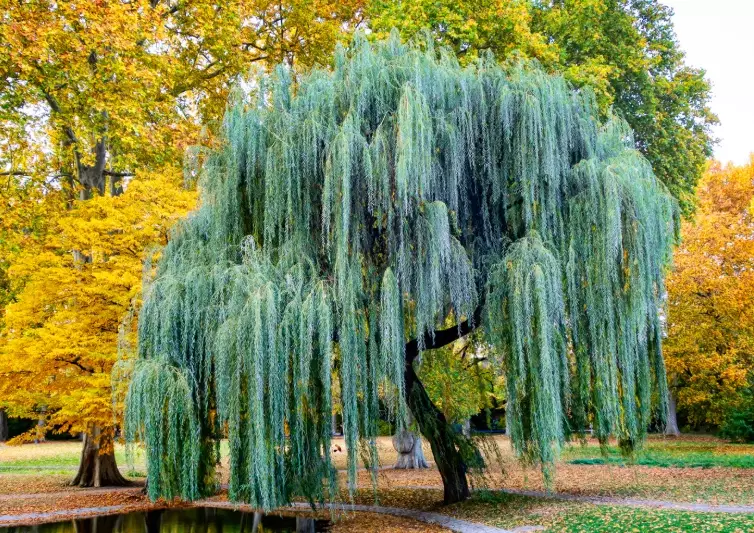
Watering: The First Year is Everything
For the first growing season, you need to be diligent. Water deeply at least once a week if there's no rain. The goal is to encourage deep roots. A soaker hose is perfect. After the first year, if you planted in a decent spot, they'll be quite drought-tolerant for short periods, but they'll always appreciate a drink during a long dry spell.
To Feed or Not to Feed?
Willows aren't heavy feeders. An application of a balanced, slow-release fertilizer in early spring can give them a boost, especially if you're pruning hard for stem color. But in decent soil, they often do fine without it. Over-fertilizing leads to weak, soft growth that's prone to pests.
Pruning: This is Where People Get Nervous
Pruning is not just about control; it's about rejuvenation, especially for those grown for colorful winter stems.
For stem color varieties (Flame, Arctic Willow): Practice coppicing. In late winter or very early spring, before new growth starts, cut the entire shrub down to 6-12 inches from the ground. It sounds brutal, but it forces a flush of vigorous new stems that will have the brightest color next winter.
For foliage varieties (Dappled Willow): Prune in late winter or after the first flush of spring color fades. Cut back by one-third to one-half to maintain a dense, bushy shape and encourage new, brightly-colored leaves.
For natural shapes (Rosemary Willow): Just do light pruning to remove any dead, damaged, or crossing branches. You can do this anytime, but late winter is easiest.
My Pruning Mistake: I once pruned a pussy willow in the fall, cutting off all the buds for next spring's show. Felt pretty silly. Now I remember: Spring-flowering willows bloom on old wood. Prune them right AFTER they flower. Winter-stem willows are pruned in LATE WINTER on new wood. Got it?
Common Problems (And Honest Solutions)
No plant is perfect. Willows have a few common issues, but they're manageable.
Pests: Aphids love new willow growth. They're usually not a huge deal – a strong blast of water from the hose knocks them off. Caterpillars might munch leaves. If the damage is minor, I let it be; birds get a snack. For severe infestations, insecticidal soap is a good first step. The Missouri Botanical Garden's problem solver is a fantastic, science-backed resource for diagnosing issues.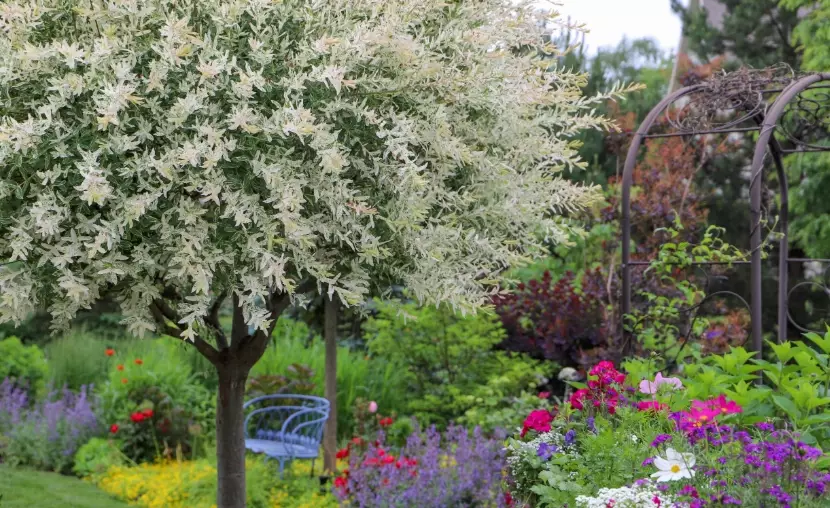
Diseases: Willow blight (a combo of fungus and insects) and cankers can occur, especially on stressed plants. The best defense is keeping your willow shrub healthy – proper water, sun, and air circulation. Avoid overhead watering. If you see black, sunken areas on stems (cankers), prune the affected branch well below the damage, disinfecting your pruners between cuts.
The Big One: Invasive Roots
This is the elephant in the room. Yes, willow roots are vigorous and water-seeking. Does this mean you should never plant one? No. It means you must be strategic.
- Plant it at a safe distance (think 50+ feet) from any buried water lines, septic systems, or pool plumbing.
- Consider using root barriers if you're concerned and planting closer than ideal.
- Choose less aggressive varieties. Shrub willows tend to be less problematic than large tree willows, and varieties like the Rosemary Willow are noted for being better behaved.
Design Ideas: Making a Willow Shrub Shine
So how do you actually use these plants?
The Winter Border: Plant a row of Flame or Arctic willows in the back of a border. In summer, they're a green backdrop. In winter, they become a fiery focal point.
The Wetland Oasis: Got a drainage ditch or a constantly wet corner? Plant a mix of willow shrubs with other moisture-lovers like dogwood, winterberry holly, and ferns. You've created an ecological asset.
The Privacy Screen: Need a fast-growing screen? Willow shrubs can do it. Plant them 4-5 feet apart in a staggered row. They'll fill in quickly. Just be prepared to prune the sides to maintain width.
Container Specimen: Dwarf varieties like 'Hakuro-nishiki' or 'Nana' can live in a large pot for several years. Use a quality potting mix and water religiously—containers dry out fast. It's a great way to enjoy a willow shrub on a patio.
Willow Shrub FAQs: Answering Your Real Questions
How fast does a willow shrub really grow?
Most are fast. You can easily see 2-3 feet of growth in a single season, especially when young. That's their appeal and their challenge. Don't plant one where you don't want quick, substantial growth.
Can I grow a willow shrub from a cutting?
Absolutely, and it's almost comically easy. In late winter, take a pencil-thick, 10-inch cutting from a dormant stem. Stick two-thirds of it in moist soil in a pot or directly in a protected spot in the garden. Keep it moist. Chances are high it will root. Willows contain natural rooting hormones. It's a fun project.
Are willow shrubs deer resistant?
I wish I had better news. No, they are not. Deer find willows quite palatable, especially the tender new growth. If deer are a major issue in your area, a young willow shrub will need protection like a physical cage or spray repellents until it gets larger.
What's the lifespan of a willow shrub?
This isn't a 100-year oak. Many willow shrubs have a functional lifespan of 15-30 years. They can start to look a bit ragged or get hollow trunks as they age. The good news? They're easy to replace, and that coppicing pruning technique essentially restarts the clock on the plant you have.
My willow shrub looks scraggly and has few leaves. What's wrong?
First, check the sun. Not enough sun is a top cause. Second, check the water. Is it in bone-dry, sandy soil? Third, consider its age. An old, unpruned willow shrub can get woody and bare at the base. A hard renewal prune (that coppicing method) might shock it back to life. If not, it might be time for a new one.
At the end of the day, choosing a willow shrub is about embracing a plant with personality. It's vigorous, sometimes a bit messy, and demands the right placement. But in return, it gives you rapid growth, stunning seasonal changes, and a toughness that's hard to beat. It solves problems—wet soil, blank spaces needing quick filler, winter drabness.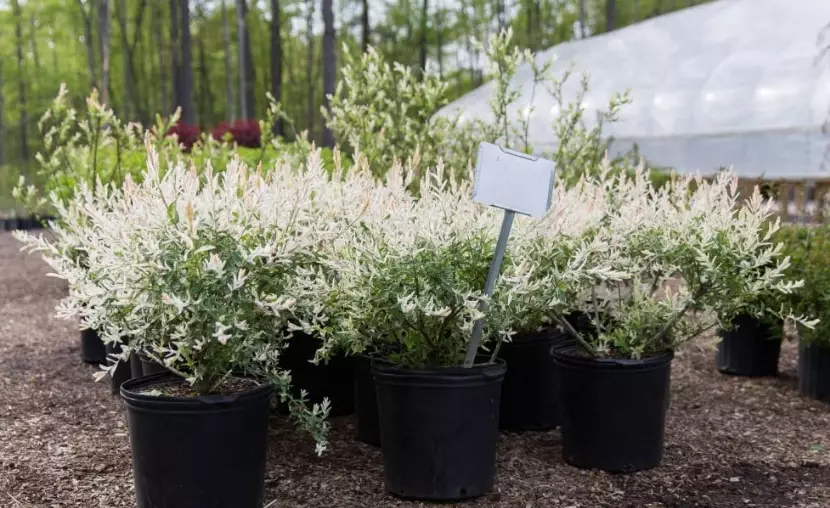
Do your homework on the variety, plant it in the right spot far from infrastructure, and don't be afraid to prune it hard. If you do that, this versatile plant will be a rewarding part of your garden for years. It's more than just a plant; it's a dynamic garden feature that changes with the seasons, and that's pretty special.
Reader Comments