Quick Navigation
- Getting Started: It's More Than Just Digging a Hole
- Choosing Your Almond Tree: It's Not a One-Size-Fits-All Deal
- Planting and The Crucial First Years
- The Ongoing Care: It's a Relationship
- Facing the Inevitable: Pests and Problems
- The Payoff: Harvesting and Processing Your Almonds
- Let's Clear Up Some Common Confusion
- Wrapping It Up: Is an Almonds Tree Right for You?
Let's be honest, the idea of stepping into your backyard and picking fresh almonds is pretty magical. It conjures up images of sunny orchards and wholesome snacks straight from the source. But between that daydream and actually having a productive tree in your garden, there's a whole lot of reality. I learned that the hard way when my first almond sapling gave up the ghost after one soggy winter. I thought I just had to stick it in the ground and wait. Boy, was I wrong.
This guide is what I wish I'd had back then. It's not just a fluffy overview; it's a down-to-earth, sometimes gritty, look at what it really takes to grow a healthy almonds tree. We'll talk about the good, the bad, and the downright frustrating parts (like pollination – that's a whole saga). Whether you're a seasoned gardener or a total newbie with a patch of dirt and a dream, let's walk through this together.
Getting Started: It's More Than Just Digging a Hole
Before you even think about buying a tree, you need to have a serious chat with your climate and your soil. This is the single biggest make-or-break factor. Almond trees are sun-worshippers with a serious aversion to wet feet.
The Non-Negotiables: Climate and Location
Think Mediterranean. Think long, hot, dry summers and mild, relatively frost-free winters. That's their happy place. If you're in a region with humid summers, constant rain, or brutal deep freezes, you're going to be fighting an uphill battle. The USDA Hardiness Zones are your first checkpoint. Most almond varieties thrive in zones 7 through 9. You can check your zone on the USDA's official Plant Hardiness Zone Map – it's an essential resource.
Sunlight is non-negotiable. We're talking a minimum of 6-8 hours of direct, unfiltered sun per day. More is better. Don't try to tuck it into a shady corner; it'll just become a lanky, sad, non-fruiting plant.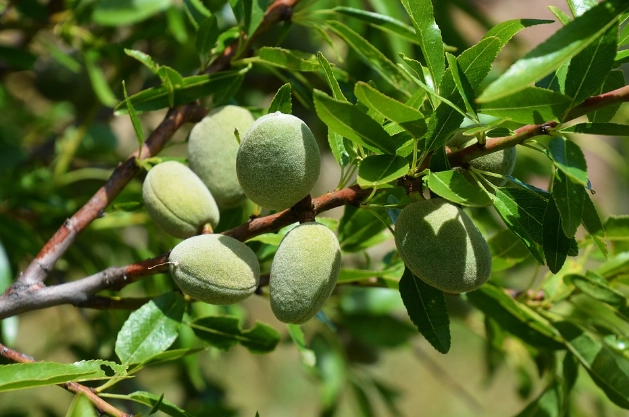
Soil: The Foundation of Everything
This is where my first tree failed. Almonds trees absolutely despise heavy, clay-rich soil that holds water. What they crave is well-draining soil. Sandy loam is like heaven to them. If your soil is clay, you have two options: pick a different tree, or be prepared to amend the soil extensively or build a large raised mound.
Drainage is so critical it bears repeating. Waterlogged roots lead to root rot (Phytophthora), and that's usually a death sentence. A simple test? Dig a hole about a foot deep, fill it with water, and let it drain. Fill it again and see how long it takes to drain. If it's still full after a few hours, you have a drainage problem.
pH matters too. They prefer a slightly acidic to neutral pH, between 6.0 and 7.5. A cheap soil test kit from the garden center can save you a lot of guesswork.
Choosing Your Almond Tree: It's Not a One-Size-Fits-All Deal
Walking into a nursery and grabbing the first almond tree you see is a recipe for disappointment. Varieties differ wildly in chill requirements (how many cold hours they need), bloom time, size, and, crucially, their pollination needs.
Here’s a breakdown of some popular varieties to help you choose. Remember, your local nursery's advice tailored to your area is worth more than any generic list online.
| Variety Name | Key Characteristics | Best For | Pollination Note |
|---|---|---|---|
| 'All-in-One' | Semi-dwarf, self-fertile, soft-shell nut. Earlier harvest. | Smaller gardens, beginners wanting simplicity. | Self-fruitful! A major plus for single-tree plantings. |
| 'Nonpareil' | The commercial standard. Thin shell, excellent flavor. Late bloom. | Those wanting classic almond quality. Needs a pollinator. | Must be paired with a compatible bloom-time partner like 'Carmel'. |
| 'Carmel' | Medium shell, good pollinator for 'Nonpareil'. Reliable cropper. | Often planted as a pollinator, but produces quality nuts itself. | Mid-season bloom. Good partner for many varieties. |
| 'Mission' | Hard shell, robust flavor, late bloom. More pest-resistant. | Areas with slightly higher humidity or pest pressure. |
The Pollination Puzzle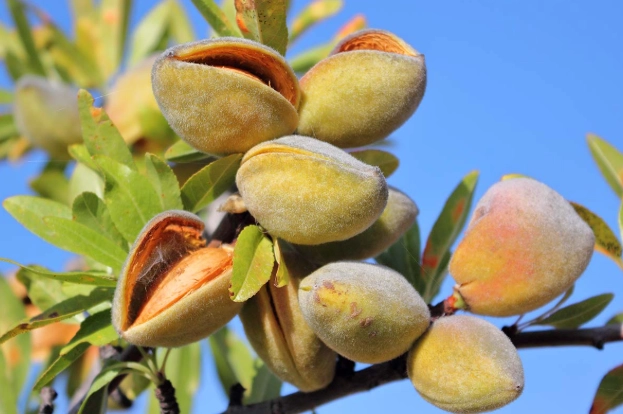
This is the part that surprises most people. The vast majority of almond trees are not self-fertile. They need a different variety flowering at the same time nearby for cross-pollination. Bees are the essential couriers for this pollen. No compatible neighbor? No nuts. It's that simple.
So, if you have space for only one tree, your choices are limited to the rare self-fertile types like 'All-in-One'. If you have room, planting two different varieties within about 50 feet of each other is the surefire path to success. The Almond Board of California's site has deep resources on the biology of almond pollination, which really highlights how intricate this process is.
Planting and The Crucial First Years
You've got your tree and the perfect spot. Now comes the doing. The best time to plant a bare-root almonds tree is in late winter or early spring, while it's still dormant. For potted trees, early fall or spring works, avoiding extreme temperatures.
Dig a hole twice as wide as the root ball but no deeper. You want the graft union (that knobby bump near the base) to be well above the soil line. Planting too deep is a common, silent killer. Backfill with the native soil you dug out, maybe mixed with a bit of compost. Don't go overboard with amendments in the hole, or the roots might not want to venture out into the native soil.
Water it in deeply to settle the soil and eliminate air pockets. Then, apply a thick layer of mulch (wood chips, straw) in a wide circle around the tree, but keep it a few inches away from the trunk itself. Mulch is your best friend—it conserves moisture, suppresses weeds, and regulates soil temperature.
The Ongoing Care: It's a Relationship
An almond tree isn't a "set it and forget it" plant. It needs consistent, thoughtful care, especially when young.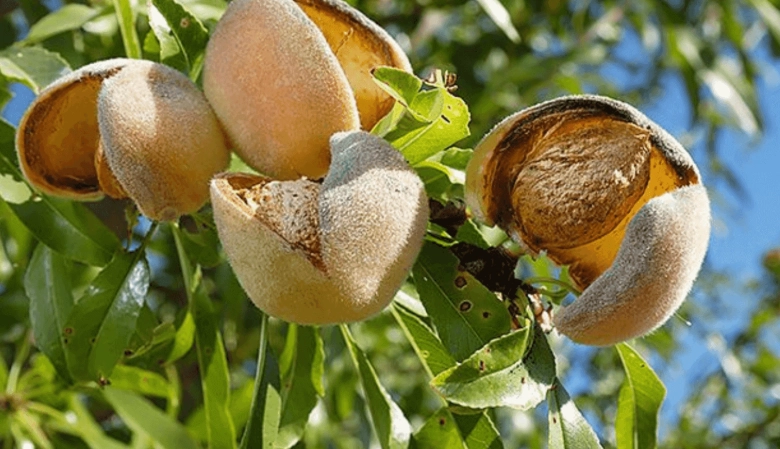
Watering: Deep and Infrequent
Young trees need regular watering to establish their roots—think weekly deep soakings during dry periods. Mature almonds trees are surprisingly drought-tolerant, but for good nut production, deep watering every 2-3 weeks during the dry growing season is key. The goal is to encourage deep root growth. Shallow, frequent sprinklings do more harm than good.
A drip irrigation system or soaker hose is ideal. It delivers water slowly to the root zone without wetting the foliage, which can help prevent disease.
Feeding Your Tree
They aren't heavy feeders, but they do benefit from nutrition. In early spring, a balanced, slow-release fertilizer formulated for fruit trees works well. Avoid high-nitrogen fertilizers late in the season, as they can promote tender new growth that's susceptible to frost damage.
Pruning: Shaping for Sun and Air
Pruning is essential for health and productivity. You're aiming for an open "vase" shape that allows sunlight to penetrate the canopy and air to circulate, reducing fungal disease risk. The best time to prune is in late winter when the tree is dormant.
In the first few years, focus on establishing 3-4 strong, well-spaced main scaffold branches. Remove any competing central leaders, water sprouts (those fast-growing vertical shoots), and any branches growing inward or crossing/rubbing others. It can feel brutal to cut off so much, but it pays off in the long run with a stronger, more fruitful almonds tree.
Facing the Inevitable: Pests and Problems
No garden is a perfect bubble. Here are some usual suspects you might encounter with your almonds tree.
- Navel Orangeworm: Public enemy number one in commercial orchards. The moth lays eggs on the nuts, and larvae burrow in. Good sanitation is critical—remove and destroy all old, leftover (mummy) nuts from the tree and ground after harvest.
- Peach Twig Borer: Attacks new shoots and can damage nuts. Dormant oil sprays in winter can help control overwintering larvae.
- Leaf Curl & Blight: Fungal issues often tied to wet spring weather. Choosing resistant varieties (like 'Mission') and ensuring good air flow through pruning are the best preventions.
- Squirrels & Birds: Ah, the backyard gardener's eternal struggle. They love almonds just as much as we do. Physical barriers like netting as harvest approaches are often the only reliable solution.
I've found that a healthy, well-cared-for tree is naturally more resilient. Stressed trees send out signals that pests seem to home in on. The University of California's Integrated Pest Management program is an incredible, science-based resource for dealing with issues in an environmentally sound way.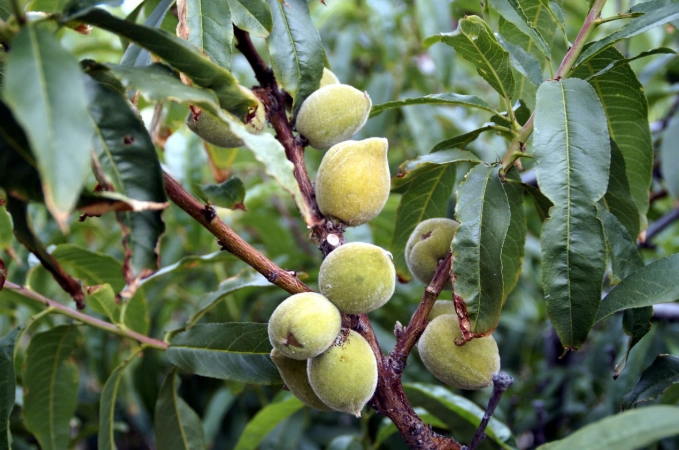
The Payoff: Harvesting and Processing Your Almonds
This is the moment. After all that work, patience is still required. Almonds mature in late summer or early fall. You'll know they're ready when the outer hull (the leathery, green fruit part) splits open, revealing the shell inside. Don't rush it. If you try to pry them open, they're not ready.
For a backyard tree, you can harvest by hand. Lay a tarp underneath and gently shake the branches. Ripe nuts will drop. Wear gloves—the hulls can stain your hands.
Now, here's the messy part. Fresh almonds have that hull attached. You need to remove it promptly to prevent mold. For a small batch, you can pop them out by hand (it's satisfying, if tedious). Then, you need to dry the in-shell nuts thoroughly. Spread them in a single layer in a warm, dry, airy place out of direct sun. It can take a week or two. They're dry enough when the kernel inside rattles slightly when you shake the shell.
Store your completely dried, in-shell almonds in a cool, dark place in breathable containers (mesh bags, baskets). They'll keep for well over a year. Shell them as you need them for the freshest flavor.
Let's Clear Up Some Common Confusion
Wrapping It Up: Is an Almonds Tree Right for You?
Growing an almonds tree is a commitment. It's not the easiest fruit tree you could pick. It asks for specific climate conditions, careful variety selection, and attention to details like pollination and drainage.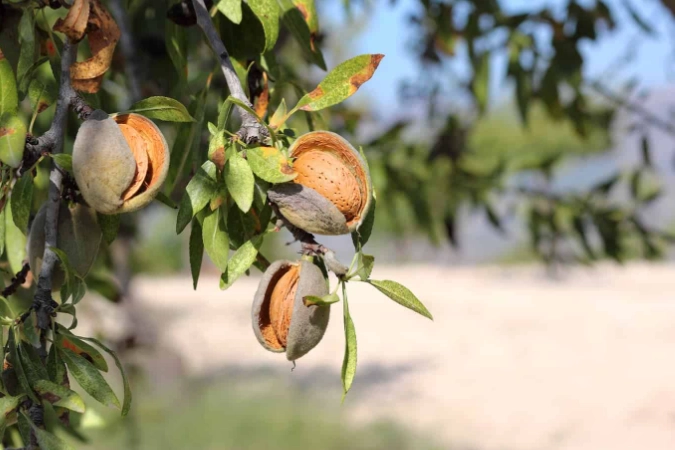
But.
If you have the right conditions and are willing to put in the work, the reward is immense. There's a profound satisfaction in cracking open a shell from your own tree and tasting the result of years of care. It connects you to the rhythm of the seasons in a deep way. You become attuned to bloom times, summer heat, and the first signs of hull split.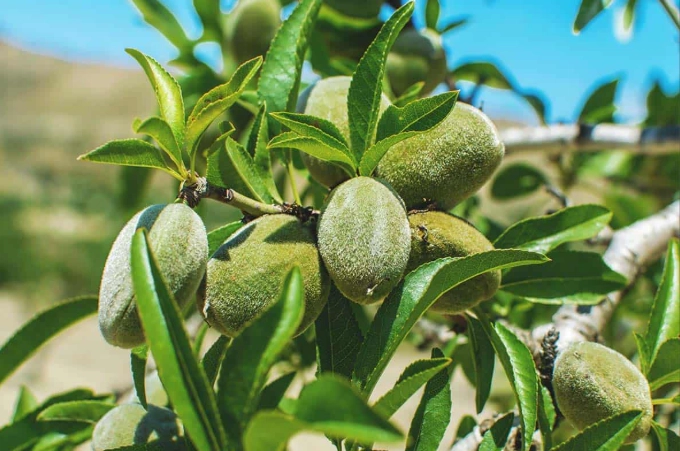
My advice? Do your homework first. Be brutally honest about your climate. Talk to local growers or your county extension office. If it lines up, go for it. Start with one of the easier, self-fertile varieties if you're nervous. There will be challenges—maybe a pest, a weird weather year, a disappointing yield. That's gardening. But the year you harvest your first full bowl of almonds, you'll forget all the struggles. You'll just be grinning, shell in one hand, nut in the other, thinking, "I grew this." And that feeling is worth every bit of the effort.
Reader Comments