Quick Guide
- The Non-Negotiables: What Your Heather Bush Demands
- Planting and Caring for Your Heather: A Step-by-Step Walkthrough
- Choosing Your Champion: Top Heather Bush Varieties
- Designing with Heather: More Than Just a Ground Cover
- The Troubleshooting Guide: What's Wrong With My Heather?
- Heather Bush FAQs: Your Questions, Answered
Let's talk about the heather bush. You've probably seen it—those low, mounding shrubs covered in tiny, bell-shaped flowers, looking like a purple, pink, or white carpet even when everything else is asleep in winter. I used to walk past them in gardens and think they were just... there. Pretty, sure, but maybe a bit boring. Then I tried growing one. That's when I realized how wrong I was. The heather plant is a tough, year-round performer with more personality than a whole bed of fussy roses.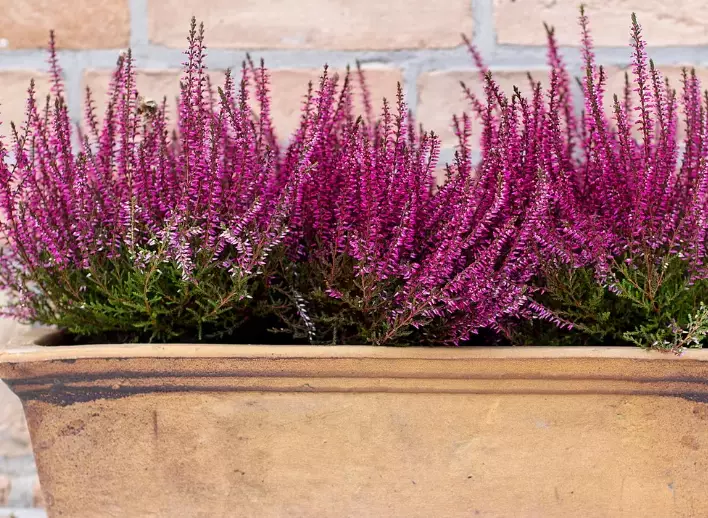
This isn't just another plant guide. I'm writing this because when I went looking for info myself, I found a lot of vague advice and repetition. I killed my first heather bush by putting it in the wrong soil. My second one almost drowned because I believed the "drought-tolerant" label a bit too much. So consider this the guide I wish I'd had. We're going deep, from the absolute basics to the nitty-gritty details that make the difference between a plant that survives and one that truly thrives.
Most people use "heather" as a catch-all, but botanically, there's a distinction. True heather is Calluna vulgaris. Its close cousin, often sold as heather, is Erica, or heath. The main difference? Calluna flowers from mid-summer to late autumn, and its scale-like leaves are held close to the stem. Many Erica varieties bloom from late autumn right through to spring, which is a godsend for winter color. For the average gardener, the care is so similar we can group them together as heather plants. They're evergreen, low-growing, and belong to the Ericaceae family, which means they're related to rhododendrons, azaleas, and blueberries. That family connection is your first major clue about what they need.
The Non-Negotiables: What Your Heather Bush Demands
You can't negotiate with a heather bush. It has a very specific set of needs, and if you ignore them, the plant will simply fail. Let's break down the absolute must-haves.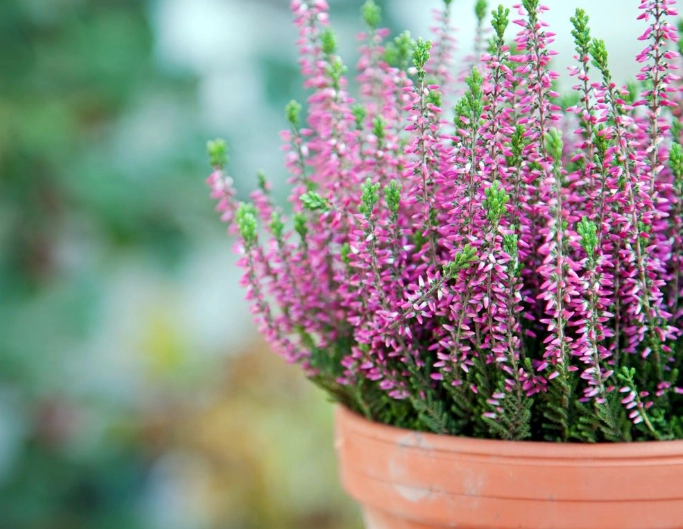
Soil: It's All About the Acidity
This is the number one reason heathers die in gardens. They are acid-loving plants (calcifuges), requiring a soil pH between 4.5 and 5.5. If your soil is neutral or, heaven forbid, alkaline (chalky), the plant cannot absorb iron and other nutrients, leading to chlorosis—yellowing leaves with green veins. It's a slow, sad death.
How do you know your soil pH? You can buy a cheap test kit from any garden center. If you need to acidify your soil, elemental sulfur is a long-term solution, but it works slowly. For immediate planting, incorporate lots of ericaceous compost. The Royal Horticultural Society (RHS), a gold standard for gardening advice, has an excellent page on managing soil for acid-loving plants that's worth bookmarking.
Sunlight and Drainage: The Power Couple
Heather bushes need full sun. At least six hours of direct light. Less than that, and they become leggy, flower poorly, and are more susceptible to disease. That glorious sun also helps with the second critical factor: drainage.
Heathers hate wet feet. Their roots will rot in heavy, waterlogged clay. The ideal is a light, sandy, gravelly soil that drains quickly. If you have heavy soil, you must improve it. Dig in plenty of grit, coarse sand, and compost to create a raised mound or berm. This elevates the root zone and promotes runoff. Good drainage is non-negotiable, especially in winter when cold, soggy soil is a death sentence.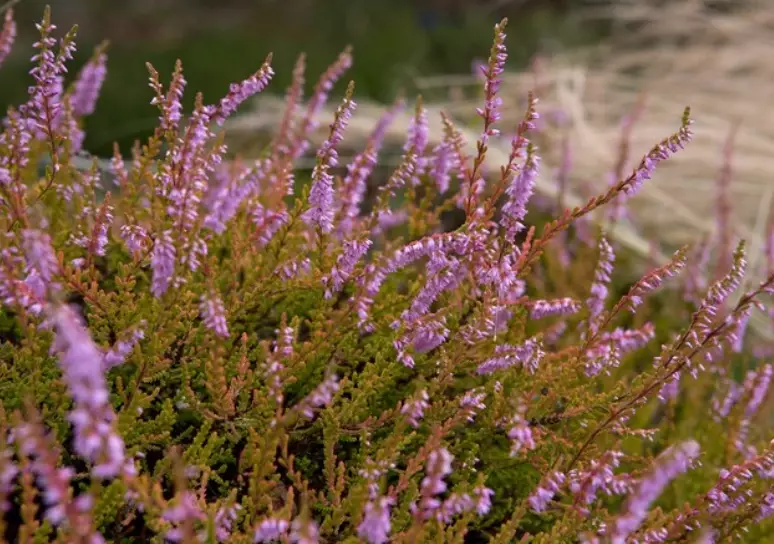
Planting and Caring for Your Heather: A Step-by-Step Walkthrough
Okay, you've found a sunny spot and sorted your acidic, well-draining soil. Now let's get your heather bush in the ground and keep it happy for years.
The Right Way to Plant
Spring or early autumn are the best times. This gives the roots time to establish before the stress of summer heat or winter cold.
- Prep the Area: Don't dig a small, deep hole. Instead, loosen the soil over a wide, shallow area—about twice the width of the root ball and just as deep.
- Amend the Soil: Mix the excavated soil 50/50 with ericaceous compost. Add a handful of horticultural grit for extra drainage.
- Planting Depth: This is crucial. Plant your heather bush so the base of the stems is level with the soil surface. Planting too deep encourages stem rot. Gently tease out the roots if they're pot-bound.
- Water and Mulch: Water thoroughly after planting. Then, apply a 2-3 inch layer of mulch. But not just any mulch! Use an acidic mulch like pine needles, shredded oak leaves, or chipped pine bark. This conserves moisture, suppresses weeds, and slowly acidifies the soil as it breaks down. Avoid mushroom compost or regular bark mulch, which can be alkaline.
Watering: The Balancing Act
Here's where I messed up. "Drought-tolerant" once established doesn't mean "plant it and forget it." For the first full year, water regularly, especially during dry spells. The goal is consistent moisture, not sogginess. Stick your finger in the soil. If the top inch is dry, it's time to water. Once established, heathers are remarkably resilient to dry periods, but a deep soak during prolonged droughts will keep them from getting stressed.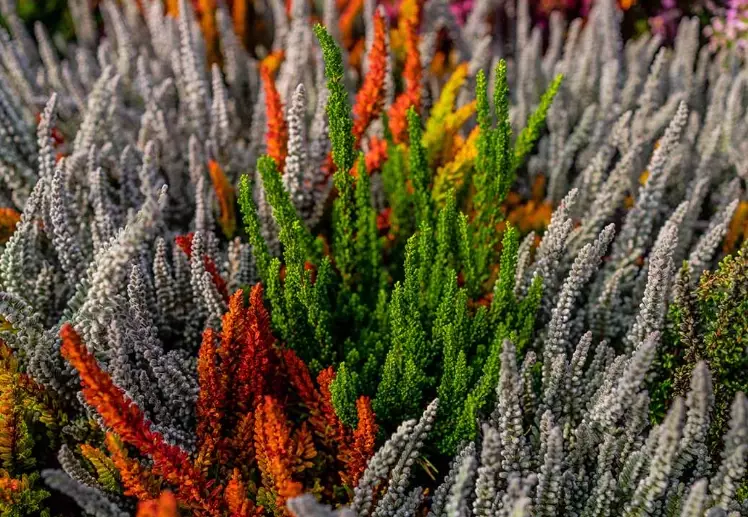
The Art of Pruning (It's Easier Than You Think)
Pruning is essential. Without it, your heather bush becomes woody, leggy, and bare in the center, with all the growth and flowers on the tips. The goal is to encourage dense, bushy growth from the base.
When to prune depends on when it blooms:
- Summer-flowering heathers (Calluna): Prune in early to mid-spring. Just as you see new growth starting, take your shears and trim off the old flower spikes, cutting back to just below where the flowers started. Avoid cutting back into the old, bare wood.
- Winter/Spring-flowering heathers (Erica): Prune these right after they finish flowering, usually in late spring. Same principle: trim off the faded flowers and a little of the stem to shape the plant.
A light annual trim is all it takes. It feels brutal the first time you do it, but trust the process. That heather plant will come back bushier and more floriferous than ever.
Choosing Your Champion: Top Heather Bush Varieties
Not all heathers are created equal. Some are bred for flower power, others for fantastically colored foliage that lasts all year. Picking the right varieties can give you a sequence of color 12 months a year. Here’s a breakdown of some standout performers.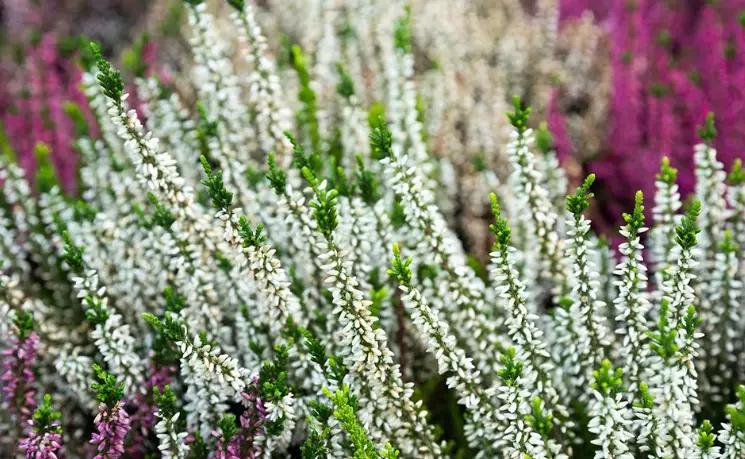
| Variety Name | Type | Key Feature | Bloom Time | Color | Best For |
|---|---|---|---|---|---|
| Calluna vulgaris 'Firefly' | Foliage Heater | Stunning foliage that changes with seasons: orange in spring, red in summer, bronze in winter. | Late Summer | Lilac flowers | Year-round foliage interest. |
| Erica carnea 'Springwood White' | Winter Heath | Incredibly vigorous ground cover. Tolerates slightly less acidic soil than most. | Jan - April | Pure white | Reliable winter blooms, tough conditions. |
| Calluna vulgaris 'Wickwar Flame' | Tall Heater | Grows taller than most (up to 24 inches). Striking golden-orange foliage. | Aug - Oct | Mauve flowers | Adding height and bright foliage to a heather bed. |
| Erica x darleyensis 'Kramer's Rote' | Darley Dale Heath | Prolific, long-lasting flower display. Fast-growing ground cover. | Nov - May | Deep magenta | Maximum winter and spring color impact. |
| Calluna vulgaris 'Silver Knight' | Foliage Heater | Beautiful silvery-grey, downy foliage. Provides excellent contrast. | Late Summer | Lavender | Cool-toned foliage contrast in rockeries. |
My personal favorite for a beginner is Erica carnea (Winter Heath). It's the most forgiving about soil pH and blooms when you need color the most. 'Springwood White' or 'Springwood Pink' are virtually bulletproof.
Designing with Heather: More Than Just a Ground Cover
Heather bushes are landscaping superheroes. Yes, they make fantastic, weed-smothering ground cover on slopes or under trees (if there's enough sun). But think bigger.
- Year-Round Containers: They're perfect for pots! Use an ericaceous compost mix and ensure the pot has great drainage. Combine a golden-foliaged heather with some trailing ivy and dwarf conifers for a winter pot that looks sharp for months.
- Rock Gardens: Their scale and love of sharp drainage make them ideal for rockeries. Tuck them between stones.
- Borders and Edging: Use low-growing varieties as a colorful, textured front-of-border edge. They provide structure even when not in bloom.
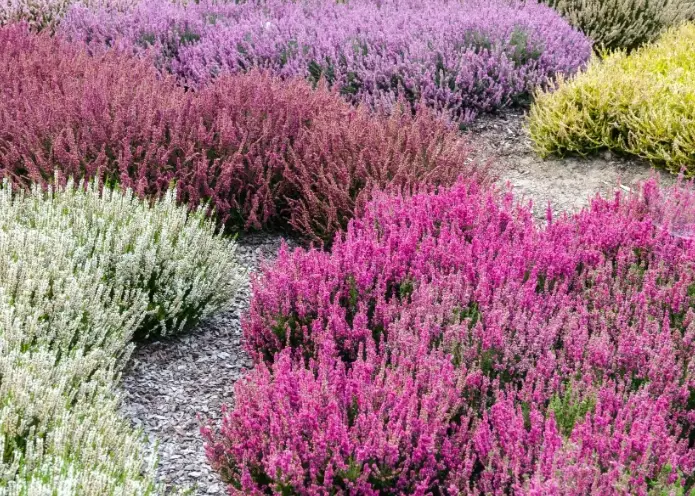
- Mass Planting: For real impact, plant in drifts of a single variety. A swath of 20 identical heather bushes in bloom is breathtaking. Mix foliage colors—golds, silvers, reds, greens—for a tapestry effect.
The Troubleshooting Guide: What's Wrong With My Heather?
Even with perfect care, things can go sideways. Here are the most common problems and how to fix them.
Yellowing Leaves (Chlorosis)
Symptoms: Leaves turn yellow, but the veins stay green. Cause: Almost always soil pH is too high (alkaline). Fix: Test your soil pH. Apply a chelated iron supplement as a quick fix, but long-term, you must acidify the soil with sulfur or consider moving the plant to a container with ericaceous compost.
Brown, Dead Patches or Whole Branches Dying
Symptoms: Sections of the plant turn brown and crispy. Cause: Usually root rot from poor drainage or overwatering. Could also be severe winter frost damage on tender new growth if pruned late. Fix: Improve drainage immediately. Cut out the dead material back to healthy growth. If the plant is waterlogged, you may need to lift it, improve the soil, and replant.
Lack of Flowers
Symptoms: Plant looks healthy but produces few or no blooms. Cause: Not enough sun, pruning at the wrong time (cutting off buds), or too much nitrogen fertilizer (which promotes leafy growth at the expense of flowers). Fix: Ensure full sun. Follow the pruning rules above. Avoid high-nitrogen feeds; if you fertilize at all, use a slow-release, acid-formula feed in spring.
Pests and Diseases
Honestly, heathers are pretty pest-resistant. The occasional aphid might show up—blast them off with a hose. The most serious issue is Phytophthora root rot, a soil-borne fungus that thrives in wet conditions. Prevention is key: perfect drainage. If it strikes, remove and destroy affected plants; don't compost them.
Heather Bush FAQs: Your Questions, Answered
Can heather grow in clay soil?
Not in its native state. Heavy clay retains water and is often alkaline. You must amend it dramatically. Create a raised planting mound (at least 12 inches high) using a mix of topsoil,大量ericaceous compost, and grit. This lifts the roots above the water table. Container growing is a much safer bet for clay soil areas.
How fast does heather spread?
It's not an invasive runner like mint. Heather bushes grow outward slowly, forming a wider mound each year. Most varieties will spread to about 1.5 to 2 feet wide over 5 years. Plant them about 18 inches apart for a solid ground cover that will knit together in a few years.
Is heather bush deer resistant?
Generally, yes! Deer tend to leave heathers alone. The small, tough leaves aren't very palatable. This makes them a fantastic choice for gardens in deer-prone areas where other shrubs get nibbled to the ground.
Why is my heather dying in the center?
This is almost always due to lack of pruning. As the plant ages, the center becomes woody and bare if not encouraged to produce new shoots from the base. That annual trim we talked about is the prevention. If it's already happened, you can try a more drastic renovation prune in spring, cutting back into live wood, but there's no guarantee it will regrow. Prevention is easier than cure.
Can I grow heather from cuttings?
Absolutely, and it's quite easy. In late summer, take 2-3 inch long semi-ripe cuttings (new growth that's starting to firm up). Strip the lower leaves, dip in rooting hormone, and stick them in a pot of half peat/half perlite. Keep them humid (a plastic bag over the pot works) in a bright spot out of direct sun. They should root in 6-8 weeks. The USDA Plants Database lists propagation methods for native Calluna if you want the official take.
Heather gets a reputation for being difficult, but it's just particular. It's like a friend who has one dietary restriction—once you know it and respect it, you get along great. Focus on the big three: acidic soil, full sun, perfect drainage. Nail those, add an annual haircut, and you'll have a low-maintenance, high-impact plant that provides color, texture, and life in your garden during the bleakest months. That's a win in my book.
I've gone from killing my first heather bush to having a whole bed of them that I barely touch except to admire. They're the backbone of my winter garden, buzzing with the occasional bee on a mild day. Give them what they want, and they'll give you so much more in return.
Reader Comments