Let's talk about bleeding heart flowers. You know the ones – those delicate, heart-shaped blossoms that look like something out of a fairy tale, dangling from arching stems in late spring. If you've ever seen them in a neighbor's shady garden and thought, "I need that plant," you're not alone. They have that effect on people.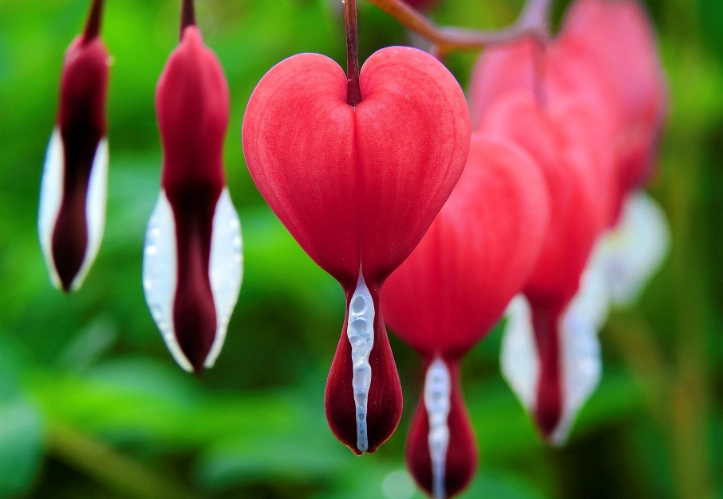
I remember the first time I tried growing them. Total failure. I planted them in full sun because, well, I didn't know any better. They lasted about three weeks before giving up on me. It was a humbling experience that sent me down a rabbit hole of research. Now, after years of trial and error (and some spectacular successes), I want to save you from making my mistakes.
Bleeding hearts (genus Lamprocapnos, formerly Dicentra) are herbaceous perennials famous for their unique flowers and fern-like foliage. They're shade garden classics for good reason – once you get them established in the right spot, they're surprisingly tough and reliably beautiful year after year.
In This Guide
- What Exactly Are Bleeding Heart Flowers?
- The Non-Negotiable: Perfect Conditions for Bleeding Hearts
- Planting Your Bleeding Heart: A Step-by-Step Walkthrough
- Ongoing Care: Keeping Them Thriving, Not Just Surviving
- Popular Varieties: Which Bleeding Heart is Right for You?
- Common Problems and How to Solve Them
- Design Ideas: Making Bleeding Hearts Shine in Your Garden
- Propagation: Making More of a Good Thing
- Frequently Asked Questions (The Stuff You Actually Search For)
- Final Thoughts: Is a Bleeding Heart Right for Your Garden?
What Exactly Are Bleeding Heart Flowers?
Before we dive into the how-to, let's get acquainted. The most common type you'll find in gardens is Lamprocapnos spectabilis, often just called the common bleeding heart. It's the one with the pink and white lockets. But there are other players in the game too, like the fringed bleeding heart (Dicentra eximia) and the western bleeding heart (Dicentra formosa).
What makes them so special? The flowers, obviously. Each one looks like a tiny pink heart with a white droplet hanging from the bottom. It's a bit of botanical magic that never gets old. The foliage is pretty great too – blue-green and finely cut, almost like a fern. It adds texture to shady spots even when the plant isn't in bloom.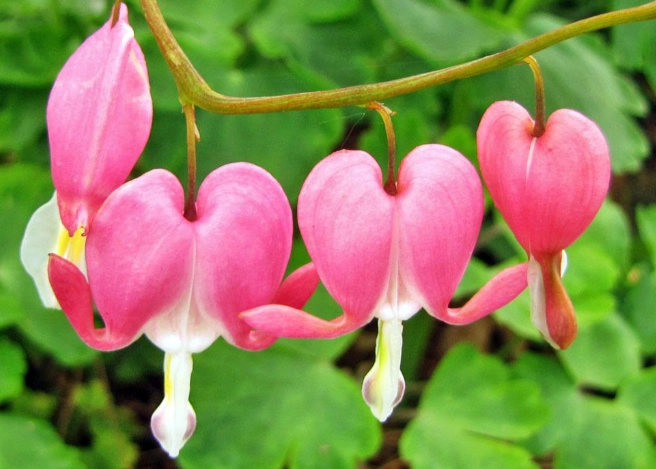
Here's something not everyone knows: bleeding heart flowers are part of the poppy family (Papaveraceae). It makes sense when you think about the shape of the seed pods. They're spring ephemerals in many climates, meaning the foliage dies back in summer heat. Don't panic when this happens – it's normal!
The Non-Negotiable: Perfect Conditions for Bleeding Hearts
Getting the location right is 90% of the battle with these plants. They're picky about where they live, but in a good way – once you meet their requirements, they'll reward you with minimal fuss.
Light Requirements (It's All About Shade)
Morning sun with afternoon shade. That's the sweet spot. Dappled sunlight all day works beautifully too. Think about the light under a deciduous tree – bright but never harsh. Full afternoon sun will fry them, especially in warmer climates. I learned this the hard way.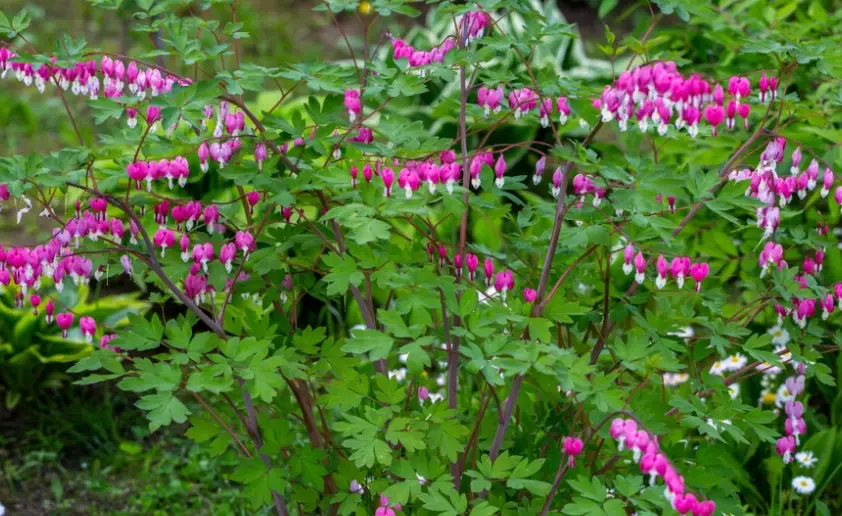
That said, in cooler northern zones (like USDA 3-5), they can handle a bit more sun. But even there, protection from intense midday rays is appreciated. If your only option is a brighter spot, make sure the soil moisture is perfect to compensate.
Soil: The Foundation of Success
This might be the most important section. Bleeding heart flowers need soil that's:
- Rich in organic matter: Think forest floor. Lots of decomposed leaves.
- Well-draining but moisture-retentive: A contradiction? Sort of. It should hold moisture like a sponge but never get waterlogged.
- Slightly acidic to neutral pH: Around 6.0 to 7.0 is ideal.
Heavy clay is a problem. Sandy soil that dries out too fast is a problem. The solution? Amend, amend, amend. Work in several inches of compost or well-rotted leaf mold before planting. It makes all the difference.
Pro Tip: If you're unsure about your soil, do a simple test. Dig a hole about a foot deep and fill it with water. If it drains completely in 4-6 hours, you're probably okay. If it sits for a day, you need to improve drainage with compost or grit. If it's gone in an hour, you need more organic matter to hold moisture.
Climate and Hardiness
Most bleeding hearts are cold-hardy from USDA zones 3 through 9, but their heat tolerance varies. The common bleeding heart (L. spectabilis) famously goes dormant in summer heat, especially south of zone 6. The native fringed varieties (D. eximia) handle heat much better and often rebloom if deadheaded.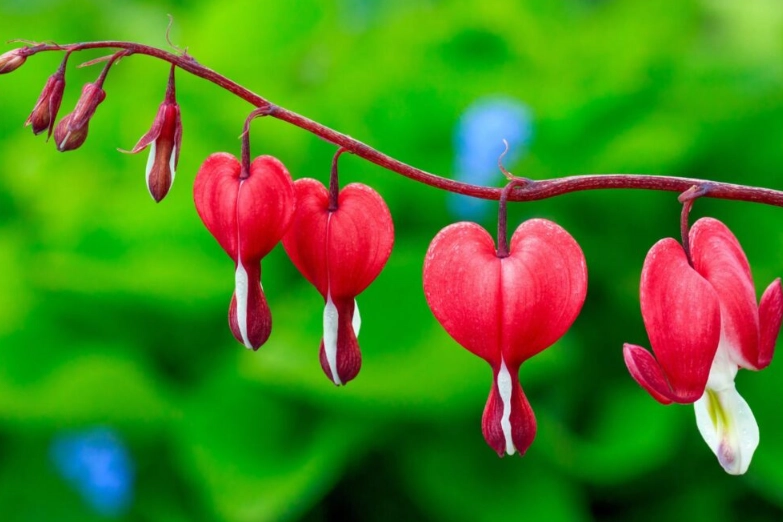
They need a period of winter chill to perform well, so they're not suited to truly tropical climates. If you're in a hot-summer area, extra shade and consistent moisture are your best friends for keeping bleeding heart flowers happy.
Planting Your Bleeding Heart: A Step-by-Step Walkthrough
You can start with potted plants from a nursery or bare-root divisions. Spring or fall are the best times to plant, avoiding the extremes of summer heat or winter freeze.
Here's what I do:
- Dig a generous hole: Twice as wide as the root ball and just as deep. Loosen the soil at the bottom and sides.
- Amend the soil: Mix the excavated soil with a good amount of compost. Some gardeners add a handful of bone meal for root development – I've had mixed results with this, but it doesn't hurt.
- Position the plant: The crown (where the stems meet the roots) should be level with or just slightly below the soil surface. Don't bury it deep.
- Backfill and water: Fill in around the roots, firm gently, and water thoroughly to settle the soil and eliminate air pockets.
- Mulch: Apply 2-3 inches of organic mulch (shredded leaves, bark chips) around the plant, keeping it away from the stems. This keeps roots cool and moist.
Spacing is important. Common bleeding hearts can spread 2-3 feet wide. Give them room to breathe. Crowding leads to poor air circulation and potential disease.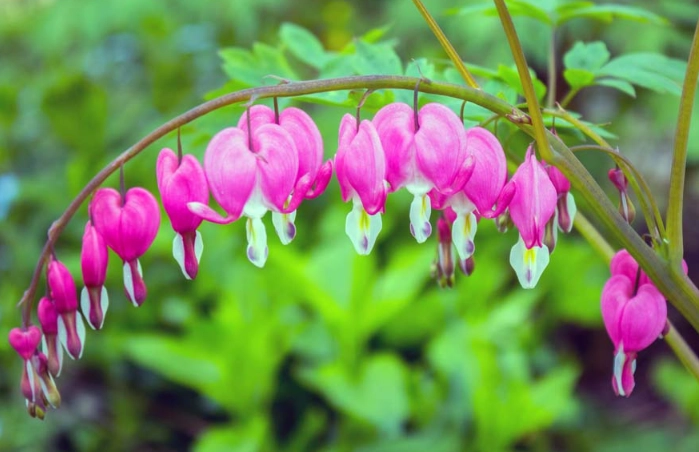
A confession: I used to be impatient and plant them too close together for "instant effect." Bad idea. After a couple of years, they were fighting for space and looked miserable. Now I give them the full three feet, and I fill the gaps with shallow-rooted annuals like impatiens for the first season. Patience pays off.
Ongoing Care: Keeping Them Thriving, Not Just Surviving
Once established, bleeding heart flowers aren't high-maintenance. But they do appreciate some attention.
Watering Wisdom
Consistent moisture is key, especially in spring when they're growing and flowering. Aim for about 1 inch of water per week, whether from rain or your hose. The goal is evenly moist soil, not soggy. A soaker hose or drip irrigation is perfect – it delivers water to the roots without wetting the foliage, which can invite disease.
During summer dormancy (for L. spectabilis), you can reduce watering once the foliage has yellowed and died back. But don't let the roots bake completely dry.
To Feed or Not to Feed?
If you planted in rich soil, they might not need much. I give mine a light application of a balanced, slow-release organic fertilizer (like a 5-5-5) in early spring as the shoots emerge. Another light feeding after flowering can help strengthen the plant for next year.
Avoid high-nitrogen fertilizers. They'll give you lots of leaves at the expense of those gorgeous bleeding heart flowers.
Pruning and Deadheading
Deadheading (removing spent flowers) won't cause rebloom on the common type, but it keeps the plant looking tidy and may direct energy to the roots. For the fringed varieties (D. eximia), deadheading often encourages a second flush of blooms later in summer.
When the foliage yellows and dies back, you can cut it down to the ground. I usually leave it until it's completely brown – the plant is still sending energy down to the roots. Some people mark the spot with a small stake so they don't accidentally dig there later.
Popular Varieties: Which Bleeding Heart is Right for You?
Not all bleeding hearts are created equal. Choosing the right variety for your garden conditions and aesthetic preference matters. Here's a breakdown of the top contenders.
| Variety Name | Key Features | Height/Spread | Best For | My Personal Take |
|---|---|---|---|---|
| Lamprocapnos spectabilis (Common Bleeding Heart) | Classic pink & white heart-shaped flowers; fern-like blue-green foliage; goes summer dormant. | 2-3' tall, 2-3' wide | Traditional shade gardens; spring focal point; cooler climates. | The classic for a reason. Stunning in bloom, but the summer disappearance is a downside. Plan companion plants accordingly. |
| L. spectabilis 'Alba' | Pure white version of the common type; glows in shade; same growth habit. | 2-3' tall, 2-3' wide | Lighting up dark corners; moon gardens; pairing with pastel colors. | Elegant and luminous. I find it slightly less vigorous than the pink type, but worth the extra care. |
| Dicentra eximia (Fringed Bleeding Heart) | Native to eastern US; smaller pink flowers over a longer period; grey-green foliage; heat tolerant; often reblooms. | 12-18" tall, 12-18" wide | Longer bloom time; warmer climates; naturalistic plantings; rock gardens. | My workhorse. Doesn't have the dramatic "wow" of the common type, but it's reliable, long-blooming, and tough. |
| Dicentra 'Luxuriant' | Hybrid; cherry-red flowers; blooms from spring to frost if happy; excellent foliage. | 12-15" tall, 15" wide | Non-stop color; container gardening; front of border. | Probably the best all-around performer. The bloom power is incredible. A must-try. |
| Dicentra 'King of Hearts' | Compact hybrid; deep rose-pink flowers; blue-green foliage; very long bloom season. | 10-12" tall, 12-15" wide | Small spaces; edging; containers. | A charming little plant. Perfect for tucking into tight spots. Seems to be more resistant to slugs in my garden. |
For authoritative information on plant taxonomy and native ranges, resources like the Missouri Botanical Garden's Plant Finder or the Royal Horticultural Society are invaluable. They provide verified details that go beyond nursery catalog descriptions.
Common Problems and How to Solve Them
Even with perfect care, things can go wrong. Here's a troubleshooting guide for the most frequent issues with bleeding heart flowers.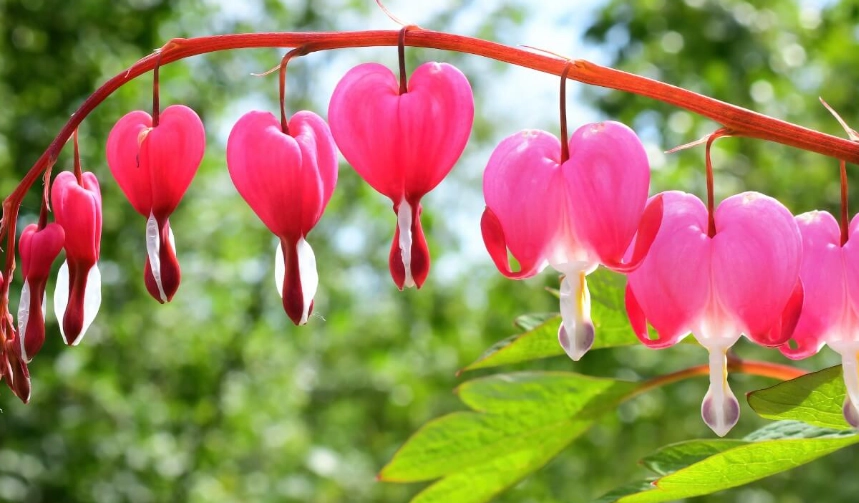
Yellowing Leaves (Not Dormancy): If leaves yellow during the growing season, it's usually a sign of stress. Overwatering or poor drainage (roots are suffocating) is the most common cause. Underwatering in hot weather is the second. Check your soil moisture first. Sometimes, too much sun will also cause scorching and yellowing.
No Flowers: This is a heartbreaker (pun intended). The usual suspects are:
- Too much nitrogen: You're growing a leafy bush, not a flowering plant.
- Not enough light: Deep, dense shade can inhibit flowering. They need some filtered light.
- Immaturity: Newly planted or divided bleeding hearts may take a year to settle in and bloom.
- Late frost damage: A hard frost can nip the flower buds. Not much you can do but wait for next year.
Powdery Mildew: A white, powdery coating on leaves. It's ugly but rarely fatal. Improve air circulation, avoid overhead watering, and remove severely affected leaves. For severe cases, the University of Minnesota Extension has excellent, science-backed guides on managing fungal diseases organically.
Slugs and Snails: They love the tender new growth in spring. Hand-picking at night with a flashlight is effective. Beer traps, diatomaceous earth, or iron phosphate baits are good options. I've found that encouraging predators like birds and ground beetles helps more than any trap.
The Plant Disappeared: If it's summer and your common bleeding heart has vanished, it's likely just dormant. Mark the spot and be patient. If it fails to return in spring, the crown may have rotted (winter wet) or been eaten by voles.
Design Ideas: Making Bleeding Hearts Shine in Your Garden
These aren't just plants to stick in the ground; they're design elements. Here's how to use them effectively.
The Classic Shade Combo: Pair bleeding heart flowers with hostas, ferns, and astilbes. The contrasting leaf textures are magical. The bleeding heart's vertical flowers rise above the mounding hostas, creating layers.
Spring Bulb Companions: They emerge just as daffodils and tulips are finishing. Plant them together – the dying bulb foliage will be hidden by the expanding bleeding heart leaves. It's a perfect succession planting trick.
Foliage Fillers for Dormancy: This is crucial for the summer-dormant types. Plant later-emerging perennials nearby that will fill the gap. Good choices are hostas, hardy geraniums, Japanese anemones (for fall bloom), or even annuals like begonias or coleus.
Container Potential: The smaller fringed varieties are fantastic in pots. Use a high-quality potting mix with extra compost for moisture retention. A container of 'Luxuriant' on a shady patio is a season-long delight.
Propagation: Making More of a Good Thing
Love your bleeding heart? Make more. Division is the easiest method for most home gardeners.
The best time is in early spring as the new shoots are just poking through the soil, or in early fall after the heat has broken. Carefully dig up the entire clump. You'll see a mass of brittle, fleshy roots. Using a sharp knife or spade, cut it into sections, making sure each division has several "eyes" or growing points. Replant immediately and keep well-watered.
You can also grow them from seed, but it requires patience. Seeds need a period of cold stratification (a mimic of winter) to germinate. You can sow them outdoors in fall and let nature do the work, or mix the seeds with moist sand in a plastic bag and refrigerate for 6-8 weeks before sowing indoors. Flowering from seed can take 2-3 years. I've done it once for the satisfaction, but division is so much faster.
Frequently Asked Questions (The Stuff You Actually Search For)
Final Thoughts: Is a Bleeding Heart Right for Your Garden?
Let's be real. Bleeding heart flowers aren't a "plant it and forget it" choice for every garden. They have specific needs. If you have a sunny, dry, sandy yard, you'll be fighting an uphill battle. But if you have a shady spot with decent soil that you're willing to improve, they are one of the most rewarding perennials you can grow.
Their charm is undeniable. They bring a touch of romance and whimsy that few other plants can match. The key is understanding their life cycle – the glorious spring show followed by summer retreat – and planning your garden around it.
Start with a tough variety like Dicentra 'Luxuriant' if you're a beginner. Get the conditions right, be patient, and you'll be rewarded with a plant that feels like a secret treasure in your garden for years to come.
And when someone points to those delicate, dangling hearts and asks, "What is that beautiful plant?" you'll know you've succeeded.