Quick Navigation
- So, What Exactly Are We Talking About? Clearing Up the Laurel Confusion
- Choosing Your Champion: A Breakdown of Popular Laurel Trees
- The Step-by-Step: Planting Your Laurel Tree for Success
- The Care Calendar: Keeping Your Laurel Happy Year-Round
- Solving the Inevitable: Common Laurel Tree Problems
- Beyond the Hedge: Creative Uses for Laurel Trees
- Your Laurel Tree Questions, Answered
- Final Thoughts: Is a Laurel Tree Right for You?
Let's be honest. For most of us, the connection to laurel trees starts and ends with that dry, aromatic leaf we fish out of the stew pot. You know the one – you're never quite sure if you're supposed to eat it or not. I used to be the same. Then I tried to grow one.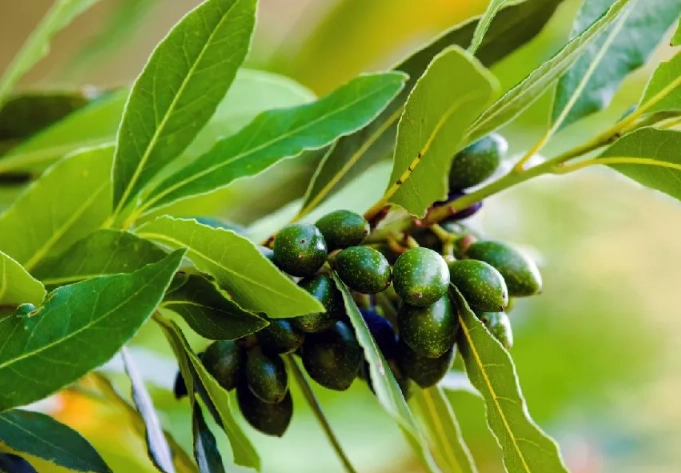
That's when the real story began. What I thought would be a simple potted herb turned into a fascination with a whole family of tough, beautiful, and sometimes misunderstood plants. Laurel trees, you see, are a bit of a gardening paradox. They're classic, elegant, and incredibly useful, yet they get a bad rap sometimes. Too big, too boring, maybe even a bit toxic? We'll get to that.
This isn't just a plant profile. If you're here, you're probably past the "what is it" stage. You're thinking about putting one in the ground, or you've got one that's looking sad, or you're wondering if the rumors about them are true. This guide is for that moment – the decision, the problem, the curiosity. We're going to walk through everything, from picking the right laurel tree for your space to keeping it thriving for decades.
So, What Exactly Are We Talking About? Clearing Up the Laurel Confusion
First things first. The term "laurel tree" is a bit like saying "dog." It covers a lot of ground. When people say it, they might be referring to several different plants, and this mix-up is the source of a lot of confusion (and sometimes worry).
The true, culinary superstar is Laurus nobilis. This is the Bay Laurel, the one that gives us bay leaves. It's an evergreen tree from the Mediterranean, loved for its fragrant, dark green leaves. It can grow into a substantial, pyramidal tree in warm climates, or a handsome container shrub in cooler ones.
Then you have the hedging crowd. The Cherry Laurels (Prunus laurocerasus) and Portugal Laurels (Prunus lusitanica). Botanically, these aren't true laurels at all – they're in the rose family! But they've stolen the common name because of their similar-looking, glossy evergreen leaves. They're fast-growing, tough as nails, and fantastic for creating dense, private screens. This is where a lot of the "laurel tree problems" searches come from, as they can be vigorous.
I made the mistake early on of assuming all care was the same. I treated a Portuguese Laurel like a Bay Laurel, and let's just say it wasn't impressed. They have different needs, different tolerances.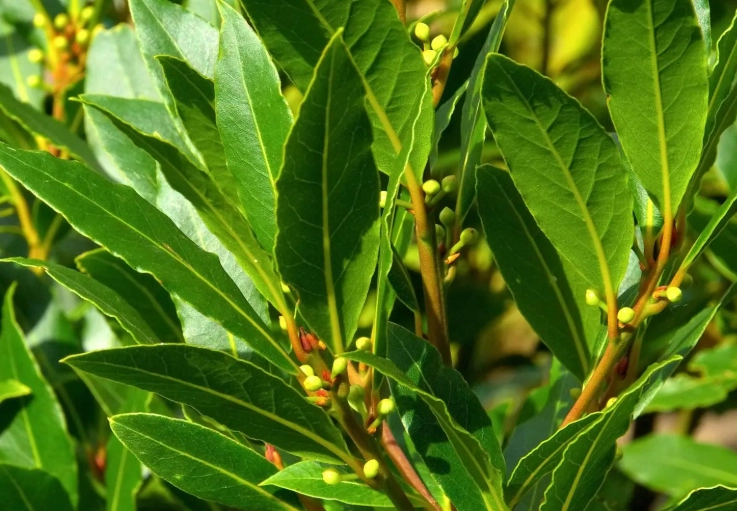
Choosing Your Champion: A Breakdown of Popular Laurel Trees
Picking the right laurel tree is the single most important decision you'll make. Get this wrong, and you're in for a constant battle. Get it right, and the plant will practically look after itself. Let's compare the main contenders.
| Laurel Type | Botanical Name | Best For... | Growth Habit & Size | Hardiness (USDA Zones) | The Downside |
|---|---|---|---|---|---|
| Bay Laurel | Laurus nobilis | Culinary use, formal containers, ornamental tree in warm climates. | Slow to medium. Can reach 40-60 ft tall as a tree, but easily kept at 6-10 ft in a pot. | 8-10. In zones 7, it needs a very sheltered spot. | Not the fastest screen. Can be damaged by severe cold below 20°F. |
| Cherry Laurel | Prunus laurocerasus | Quick, tall, dense evergreen hedges and screens. | Very fast. Can grow 2-3 ft per year. Matures at 15-30 ft tall and wide if untrimmed. | 6-9. More cold-tolerant than Bay. | Can be invasive in some areas (check with local invasive species lists). All parts are toxic if ingested. |
| Portugal Laurel | Prunus lusitanica | A more refined, elegant hedge. Better for formal gardens than Cherry Laurel. | Medium. Grows about 1-2 ft per year. Darker stems and red leaf stalks give it class. | 7-9. | Slower to establish than Cherry Laurel. Also toxic. |
| Spotted Laurel | Aucuba japonica | Deep shade areas where other laurels struggle. Variegated foliage. | Slow-growing, dense shrub to about 6-10 ft. | 7-10. | Not a true laurel, different look. Berries are toxic. |
See what I mean? Your goal dictates the plant. Want a harvest of bay leaves for your kitchen? The choice is simple. Need to block out the view of your neighbor's ugly shed in two years? Cherry Laurel is your workhorse, though you'll be trimming it often.
My personal favorite for general garden elegance is the Portugal Laurel. It just looks more sophisticated, in my opinion. The Cherry Laurel can look a bit... common, if not meticulously maintained.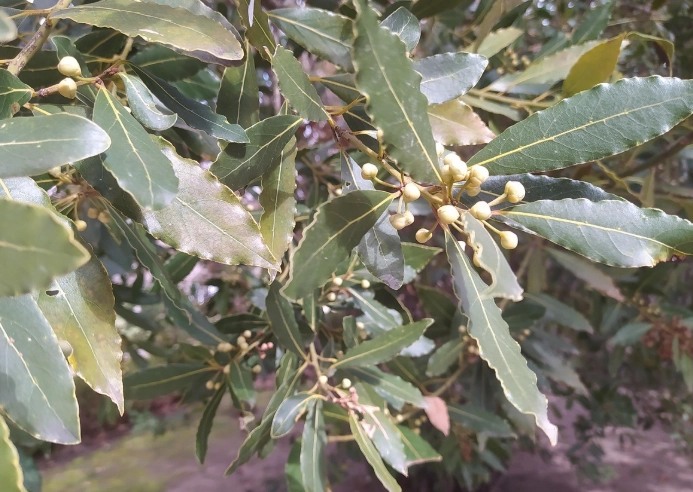
The Step-by-Step: Planting Your Laurel Tree for Success
Planting is where you set the stage for the next 20 years. Do it well, and the tree will reward you with robust growth. Rush it, and you'll be troubleshooting forever.
Timing is (Almost) Everything
Early fall is the golden hour for planting laurel trees. The soil is still warm, which encourages root growth, but the air is cooler, reducing stress on the leaves. The plant gets a whole season to settle in before the summer heat hits. Spring is the second-best option, but you'll need to be vigilant with watering.
The Planting Hole: Bigger is Better
This is the most common mistake – digging a $10 hole for a $100 tree. The hole should be at least twice as wide as the root ball, but no deeper. You want the top of the root ball level with, or just slightly above, the surrounding soil. Planting too deep is a death sentence for many trees, laurels included, as it suffocates the root flare.
Break up the soil around the sides of the hole with a fork. This makes it easier for roots to push out into their new home. If your soil is heavy clay, mix in some compost or well-rotted manure to improve drainage. Laurel trees hate sitting in waterlogged soil.
Backfill with the native soil you dug out, firming it gently as you go to remove air pockets. Water thoroughly after planting – I mean, really soak it. Create a shallow basin around the tree to hold water. Then, apply a 2-3 inch layer of mulch (wood chips, bark) around the base, keeping it a few inches away from the trunk. This is non-negotiable. It conserves moisture, suppresses weeds, and regulates soil temperature.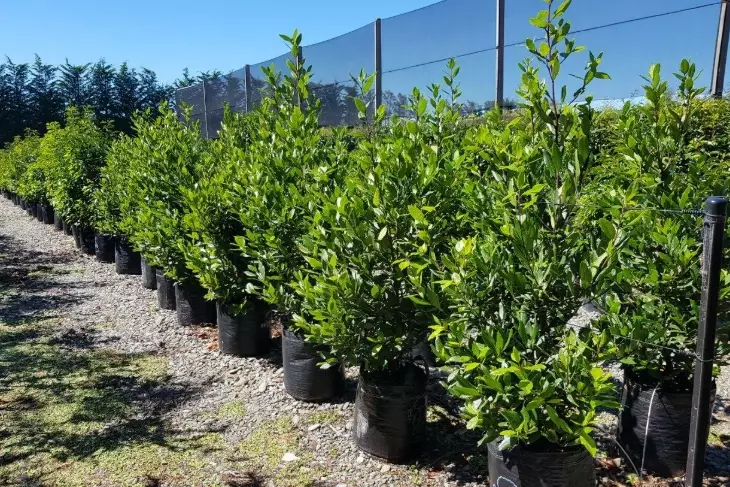
The Care Calendar: Keeping Your Laurel Happy Year-Round
Laurel trees aren't high-maintenance, but they're not zero-maintenance either. Think of them as low-frequency, high-importance care.
Watering: The Deep Drink Philosophy
For the first two years, watering is critical. Don't just sprinkle the surface every day. That teaches roots to stay shallow. Instead, water deeply once or twice a week, depending on heat and rainfall. The goal is to moisten the entire root zone.
After establishment, most laurel trees are surprisingly drought-tolerant, especially the Bay Laurel. But during a prolonged dry spell, a deep drink will keep them from looking stressed and dropping leaves. Container-grown laurels, of course, need much more frequent watering – possibly daily in summer.
Feeding: Less is More
You don't need to pump them full of fertilizer. An annual application of a balanced, slow-release granular fertilizer in early spring is perfect. I use a general-purpose organic fertilizer sprinkled around the drip line (the area under the outer branches). Over-fertilizing, especially with high-nitrogen feeds, can cause weak, sappy growth that's more susceptible to pests and frost damage.
For bay trees in pots, a liquid feed every 4-6 weeks during the growing season helps, as nutrients leach out faster.
The Art of Pruning Laurel Trees
This scares people. It shouldn't. Laurels are generally very forgiving.
- When: Late spring or early summer is ideal, after the main flush of growth. You can do light trimming anytime.
- Hedges: For Cherry or Portugal Laurel hedges, prune at least twice a year. The classic mistake is to let them get too tall and wide, then hack them back hard into old wood. They will resprout, but it looks ugly for a while. It's better to trim little and often.
- Bay Trees: You can prune for shape in spring. Want a standard (lollipop) bay tree? It takes patience. Select a single stem, remove lower shoots as it grows, and then start forming the ball at the top. For harvesting leaves, just pick them as needed year-round.
Always use sharp, clean tools. A ragged cut is an open door for disease.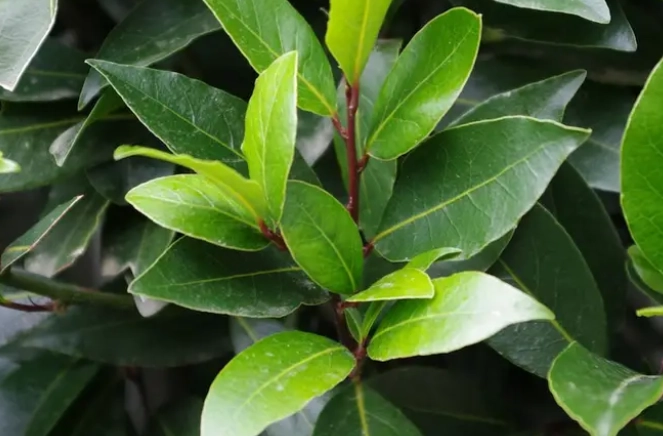
Solving the Inevitable: Common Laurel Tree Problems
Even with the best care, things can go wrong. Here's how to diagnose and fix the most common issues.
Yellowing Leaves
The classic cry for help. But yellow leaves can mean different things.
- Older, inner leaves turning yellow: Often normal. Evergreens shed old leaves periodically.
- New growth turning yellow: Likely chlorosis from iron deficiency, common in alkaline soils. Apply a chelated iron supplement.
- Widespread yellowing, especially with poor growth: Could be waterlogging. Check drainage. Laurel roots need air.
Leaf Spots and Holes
Shot-hole fungus is common on Cherry Laurels. It looks like someone peppered the leaves with tiny buckshot, leaving little holes. It's often more unsightly than deadly. Improve air circulation, avoid overhead watering, and rake up fallen leaves. For severe cases, a fungicide might be needed. The Royal Horticultural Society (RHS) has excellent, detailed advice on managing this.
Scale Insects
These look like little brown or white bumps stuck to stems and the underside of leaves. They suck sap and excrete sticky honeydew. For light infestations, scrub them off with a soft brush and soapy water. For heavier ones, use a horticultural oil spray in late winter (dormant oil) to smother overwintering scales.
I once had a bay tree in a pot that got a bad scale infestation. I was ready to throw it out. A patient regimen of neem oil sprays every week for a month saved it. It's now healthier than ever.
The Big Question: Are Laurel Trees Poisonous?
This comes up constantly. Here's the straight talk. Bay Laurel (Laurus nobilis) leaves are perfectly safe for culinary use. That's the whole point.
However, the hedging laurels (Prunus species) are a different story. All parts—leaves, stems, seeds—contain cyanogenic glycosides, which can release cyanide when damaged or ingested. This is a serious concern if you have curious pets or small children who might chew on the leaves or berries. The ASPCA lists these plants as toxic to dogs, cats, and horses. Symptoms can include difficulty breathing, panting, and shock.
For hedging laurels, the risk is mainly through ingestion. Simply touching the plant isn't harmful. But it's a crucial factor in your decision-making process. If you have pets that nibble on everything, a Prunus laurel hedge might not be the best choice.
Beyond the Hedge: Creative Uses for Laurel Trees
Laurels are so much more than a green wall. Let's get creative.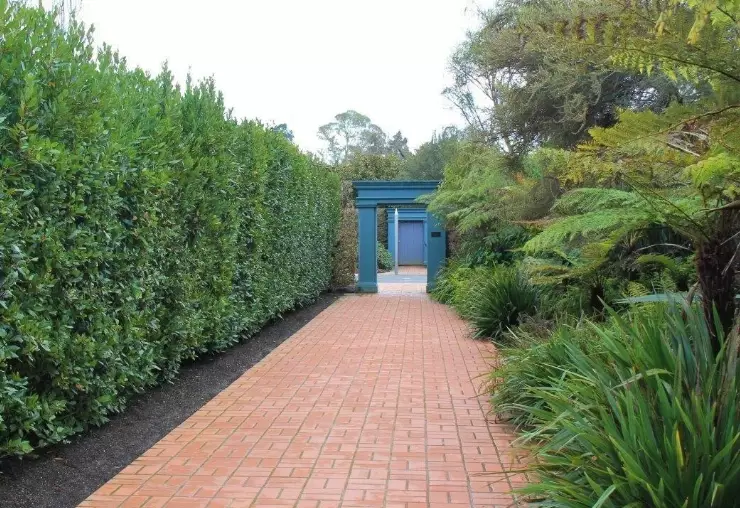
For the Bay Laurel, the kitchen is just the start. Fresh bay leaves have a brighter, more complex flavor than dried ones. Try adding a fresh leaf to rice while it cooks, or infuse one in cream for a panna cotta. You can dry your own by hanging sprigs in a warm, airy place. They'll be ready in about two weeks.
Topiarists love bay trees for their dense foliage and tolerance of clipping. A pair of standard bay laurel trees in matching pots flanking a front door is a timeless look. It says you care about your garden.
Cherry and Portugal Laurels make excellent noise-reduction barriers and windbreaks. Their thick, year-round foliage absorbs sound and slows wind effectively. If you live near a busy road, a laurel hedge can make your garden noticeably quieter.
And don't forget wildlife. The flowers of laurel trees (especially the Prunus types) are a valuable early source of nectar and pollen for bees. The dense foliage provides excellent shelter for birds.
Your Laurel Tree Questions, Answered
It varies wildly. Cherry Laurel is the speed demon, easily putting on 2-3 feet in a good year. Portugal Laurel is more moderate at 1-2 feet. Bay Laurel is the slow and steady one, maybe 1 foot per year in the ground, less in a pot. If a website tells you all laurels grow "fast," they're oversimplifying.
You can, but it's not ideal long-term. They need a LOT of bright, direct light (a south-facing window is a must) and good air circulation. They often suffer from low humidity indoors, leading to spider mites and leaf drop. It's better to think of it as a patio plant that comes inside for the winter in cold climates, then goes back out when frost danger passes.
Don't panic. Laurels, even the hardy ones, can get frost damage on the leaves, turning them brown. Wait until late spring. Scratch a small section of bark on a stem. If it's green underneath, the stem is alive. Prune out the dead, brown material once you see new growth starting. It will often bounce back.
Good question. For a similar evergreen look, consider:
Western Red Cedar (Thuja plicata): Fast-growing, non-toxic, great for screening.
Holly (Ilex): Slower, but beautiful and excellent for wildlife (watch the spiny leaves on some varieties).
Escallonia: Has nice flowers and is generally considered pet-friendly.
For authoritative, in-depth botanical data, I always cross-reference with major horticultural databases. Two of the best are the USDA Plants Database for hardiness and distribution maps, and the Missouri Botanical Garden's Plant Finder for detailed cultivation information. These are gold standards for avoiding misinformation.
Final Thoughts: Is a Laurel Tree Right for You?
After all this, the decision comes down to your specific needs and context.
If you want a beautiful, functional, and historically rich plant that can provide structure, privacy, and even flavor, then yes, a laurel tree is an fantastic choice. They're resilient, adaptable, and when chosen correctly, can be a low-fuss asset to your garden for a lifetime.
Just go in with your eyes open. Know which type you're getting. Understand its growth potential (they can get big!). Be prepared for some basic maintenance, especially if it's a hedge. And if you have pets, do your homework on the toxicity of the specific species.
I started with one confused bay tree in a pot. Now I have several, along with a Portugal Laurel hedge that gives me complete privacy from the street. It wasn't always smooth sailing – there were yellow leaves, a pest scare, and a pruning mishap or two. But learning their language, understanding what they need, has been incredibly rewarding. These aren't just background plants; they're living architecture. And with the right start and a little ongoing care, your laurel trees will reward you for years to come.