Explore the Wild Lilac Guide
- What Exactly Is a Wild Lilac? (It's Not What You Think)
- Spotting a Wild Lilac: A Quick Identification Guide
- Why Bother with a Wild Lilac Plant in Your Garden?
- How to Grow Your Own Wild Lilac Successfully
- Popular Varieties to Consider (Beyond the Truly Wild)
- Answering Your Burning Questions About Wild Lilac Plants
- The Final Word: Is a Wild Lilac Plant Right for You?
Let's be honest. When you hear "lilac," you probably picture those perfect, pom-pom-like flower clusters on a well-behaved shrub in your grandma's yard. But have you ever stumbled upon a wild lilac plant on a hiking trail? It's a different beast altogether – more rugged, often more fragrant, and buzzing with life. It feels untamed. That's the plant we're talking about today. It’s the one that makes you stop and wonder, "Could I have that in my garden?"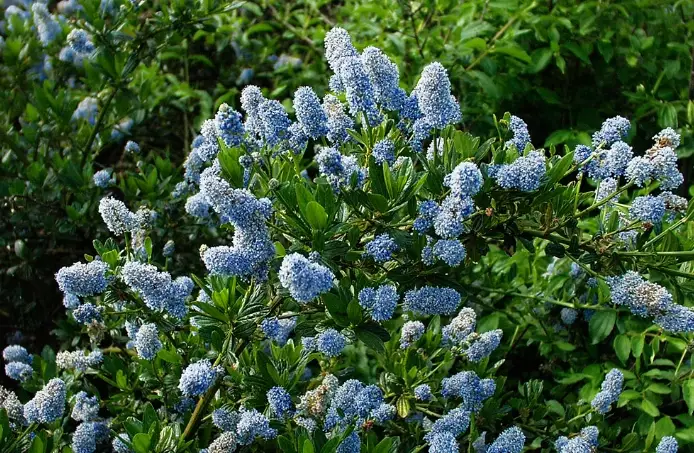
I first came across one years ago in the California chaparral. It wasn't in a neat row. It was sprawling over rocks, its scent carried on a dry wind. I was hooked. But figuring out how to bring a piece of that wild beauty home was a journey full of trial and error (mostly error at first). This guide is what I wish I'd had.
What Exactly Is a Wild Lilac? (It's Not What You Think)
This is where most people get tripped up. The common lilac of gardens (Syringa vulgaris) is a Eurasian import. When we talk about a true wild lilac plant, especially in North America, we're often referring to plants in the genus Ceanothus. Yep, completely different botanical family. Common names are messy like that.
These Ceanothus species are native shrubs, primarily from the western United States. They're the ones painting hillsides blue and purple in spring. They're adapted to tough, often dry conditions. So if you're looking for that resilient, native, wildlife-friendly shrub, you're likely in the Ceanothus territory. Some folks also use "wild lilac" for feral or naturalized common lilacs, but that's less common. For this guide, we're focusing on the native powerhouses.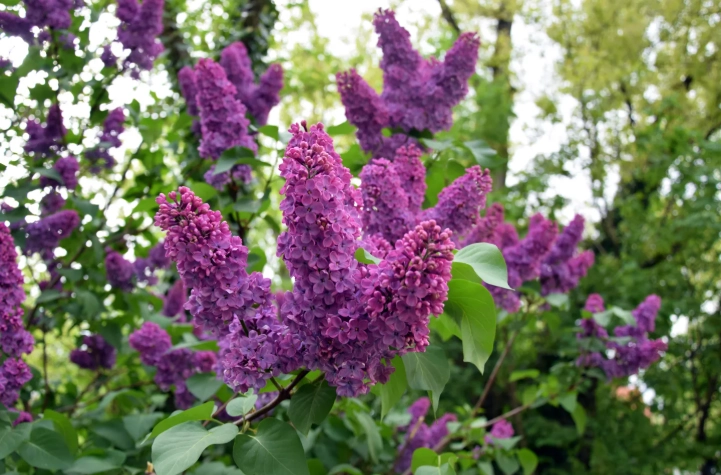
Key Takeaway: The Name Game
Garden Lilac (Syringa): Cultivated, often non-native, needs more water, classic scent.
Wild Lilac (Ceanothus): Native, drought-tolerant, ecological superpower, often more intense fragrance.
Knowing this difference is your first step to growing success. Asking for a wild lilac plant at a nursery without specifying can lead to confusion!
Spotting a Wild Lilac: A Quick Identification Guide
So you're out in the wild (or maybe just a neglected corner of a park) and you see a shrub. Is it one? Here’s what to look for.
Leaves and Stems
The leaves are usually small, evergreen, and often have a distinctive three-veined pattern running from the base. They can be glossy or matte, and sometimes the underside is a different color. The stems are frequently rigid and can be a bit spiny or angular. Run your fingers along a stem – if it feels a bit square or has ridges, you might be on the right track.
The Flowers – The Grand Show
This is the giveaway. Instead of the large, conical panicles of common lilacs, Ceanothus flowers are typically in smaller, rounded or elongated clusters. The color range is stunning. You get these incredible blues – from powder blue to a deep, almost indigo hue. Some varieties are pure white, others a soft lavender or pink. And the smell? It’s sharper, cleaner, and more honey-like than the classic lilac perfume. On a warm day, it can stop you in your tracks.
It’s a magnet for pollinators. You’ll see bees covering it in a frenzy.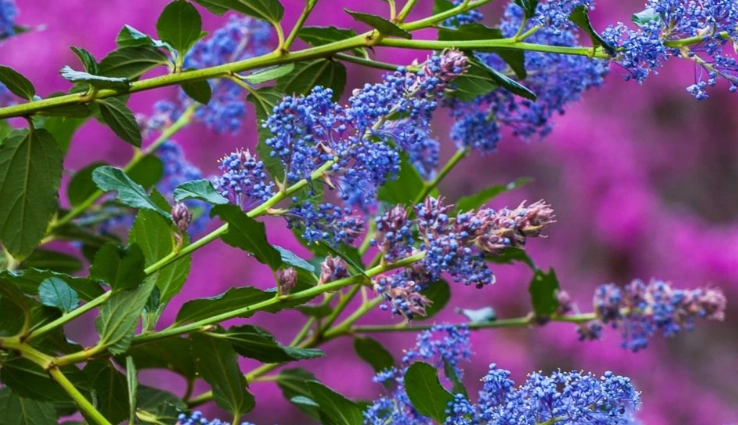
Habitat is a Huge Clue
You won't find these plants in a swamp. They love well-drained, often rocky or sandy slopes. They’re sun worshippers. In the U.S., if you're in California, Oregon, or the dry, mountainous regions of the West, your chances of finding a native wild lilac plant are high. The USDA Forest Service has great resources on native Ceanothus species and their habitats.
Why Bother with a Wild Lilac Plant in Your Garden?
Beyond the obvious beauty, there are some rock-solid, practical reasons.
Top Benefits at a Glance
- Drought Champion: Once established, many need little to no summer water. Your water bill (and conscience) will thank you.
- Pollinator Paradise: Bees, butterflies, and beneficial insects flock to it. You're not just growing a plant; you're running a bug hotel.
- Erosion Control: Their root systems are fantastic for holding loose soil on slopes. Functional and beautiful.
- Year-Round Structure: Most are evergreen, providing greenery and form even when not in bloom.
- Deer Resistance (Mostly): While no plant is completely deer-proof, many Ceanothus species are less palatable to browsing deer. A big win for many gardeners.
Now, the downside I found the hard way? They can be fussy about their feet. Too much water, especially in heavy soil, and they'll give up on you. It’s their one non-negotiable demand.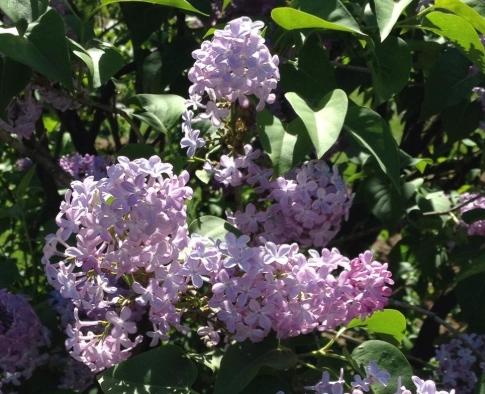
How to Grow Your Own Wild Lilac Successfully
This is the meat of it. Getting a wild lilac plant to thrive is about mimicking its natural home. Fail to do this, and it’ll sulk and die. Here’s the step-by-step.
Step 1: The Right Plant, Right Place
This is 90% of the battle. Don't just buy the first one you see. Research species native to or adapted to your climate. A Ceanothus from coastal California might freeze solid in a Colorado winter.
Sunlight: Full sun. I mean it. Six hours minimum, but all-day sun is best. Less sun equals leggy growth and few flowers. Soil: The critical factor. It must drain quickly. Sandy, gravelly, or rocky soil is perfect. Heavy clay is the enemy. If you have clay soil, you must amend it heavily or, better yet, plant on a mound or in a raised bed. Space: Check the mature size! Some are low groundcovers (2 ft wide), others become massive shrubs (15 ft wide). Give it room to breathe.
Step 2: Planting for Success
Plant in fall or early spring. Dig a hole twice as wide as the root ball, but no deeper. You want the top of the root ball level with or slightly above the soil surface to prevent crown rot. Backfill with native soil mixed with some gritty material like pumice or coarse sand. Don't use rich compost or manure – it’s too much of a good thing.
Water it in well to settle the soil, then… ease off.
Step 3: The Care and Feeding (There's Not Much)
| Task | How-To & Timing | Important Notes |
|---|---|---|
| Watering | Water regularly for the first year to establish roots. Then, taper off drastically. Mature plants often thrive on winter rains alone in Mediterranean climates. In drier areas, a deep soak once a month in summer may be needed. | The top cause of death is overwatering. Let the soil dry out completely between waterings. If in doubt, don't water. |
| Fertilizing | Generally not needed and can be harmful. These plants are adapted to lean soils. | If you must, a light application of a low-phosphorus, organic fertilizer in early spring is the maximum. |
| Pruning | Light shaping after flowering. Avoid cutting into old, bare wood, as it may not resprout. | Never shear it like a hedge. Make selective cuts to maintain a natural shape. Pruning at the wrong time removes next year's flowers. |
| Pests & Diseases | Watch for powdery mildew in humid climates or with overhead watering. Root rot in soggy soil. | Prevention is key: excellent drainage, good air circulation, and avoiding wet leaves. Insect pests are rare. |
A Word of Warning
The biggest mistake is treating it like a regular garden shrub. It's not. It's a xeriscape plant, a native scrubland survivor. Love it by mostly leaving it alone. Over-care is what kills a wild lilac plant.
Popular Varieties to Consider (Beyond the Truly Wild)
While species plants are wonderful, many cultivars have been developed for better garden performance. Here are a few stars:
- 'Concha': A classic. Deep blue flower clusters, compact growth. Tough and reliable. My personal favorite.
- 'Ray Hartman': A larger variety, fast-growing, with sky-blue flowers. Good as a small tree or large screen.
- 'Yankee Point': A fantastic, low-growing groundcover type. Spreads wide, covers slopes in blue. Great for erosion control.
- 'Julia Phelps': Intense cobalt-blue flowers and tiny, dark green leaves. Very drought-tolerant once established.
For detailed profiles and hardiness information, the Missouri Botanical Garden's Plant Finder is an invaluable tool to search for specific Ceanothus cultivars and their needs.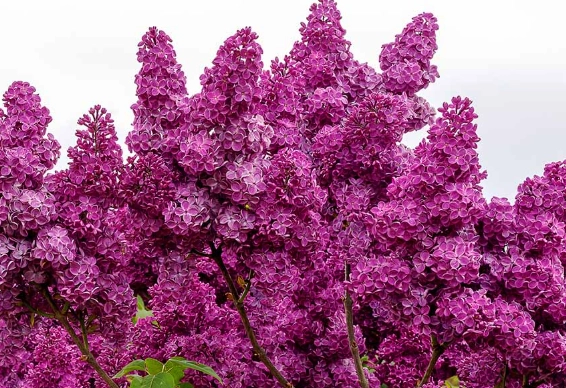
Answering Your Burning Questions About Wild Lilac Plants
Is a wild lilac plant toxic to pets?
Generally, Ceanothus is considered non-toxic to dogs, cats, and horses according to resources like the ASPCA. However, it's always wise to discourage pets from chewing on any ornamental plant. The common garden lilac (Syringa) is also listed as non-toxic. So, relatively pet-safe on both counts.
Can I grow it from seed?
You can, but it's a test of patience. The seeds have a hard coat and require stratification (a period of cold, moist conditions) to break dormancy. Boiling water treatment or physical scarification is often recommended. Honestly, for most home gardeners, starting with a small nursery plant is far easier and faster. I’ve tried seeds; the germination rate was spotty.
Why is my wild lilac not flowering?
Three likely culprits: 1) Too much shade. Move it or accept sparse blooms. 2) Pruning at the wrong time. You probably cut off the flower buds formed the previous summer. Prune right *after* blooming. 3) Too much nitrogen. Are you fertilizing your lawn nearby? Excess nitrogen promotes leafy growth at the expense of flowers.
Can it be grown in containers?
Yes, but choose a dwarf variety and be extra vigilant about drainage. Use a very gritty, cactus/succulent-style potting mix. Water deeply when dry, but the pot must never sit in water. Winter wetness is a major risk in containers in cold climates.
What's the difference between this and "California lilac"?
None. It's the same thing. "California lilac" is just a common name for Ceanothus, since so many species are native there. Mountain lilac, wild lilac, blue blossom – they all usually point to Ceanothus.
The Final Word: Is a Wild Lilac Plant Right for You?
Look, it's not the plant for everyone. If you love fussing with your garden, watering daily, and feeding constantly, this might frustrate you. It thrives on neglect.
But if you're looking for a stunning, low-water, wildlife-supporting shrub that brings a piece of untamed landscape beauty to your yard, then absolutely. It's a commitment to a different style of gardening – one that works with nature, not against it. Start with the right site, plant it properly, and then step back. Let the bees enjoy it. Let its scent drift on the breeze. That's the magic of the true wild lilac plant.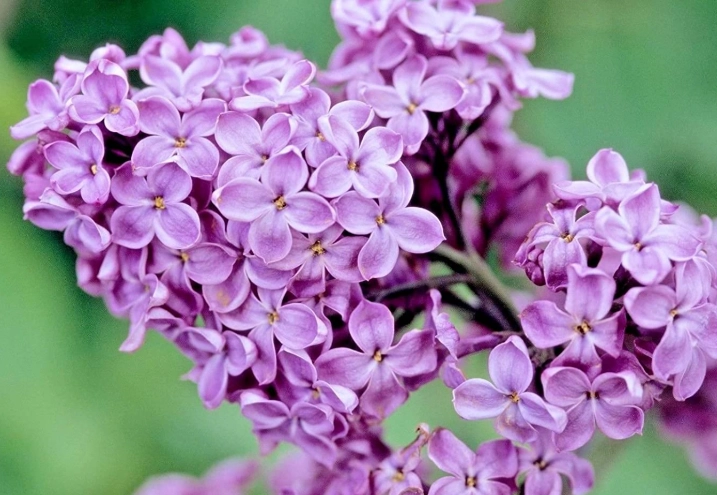
It reminds you that some of the best things don't need to be controlled. They just need the right place to be themselves.
Reader Comments