Your Quick Guide
Let's talk about hamamelis. You know, witch hazel. That shrub you see in fancy garden magazines, covered in spidery yellow, orange, or red flowers in the dead of winter when everything else is asleep. It looks magical, and maybe a bit intimidating. Is it hard to grow? Will it survive in your yard? I had all those questions too when I first decided to plant hamamelis. I made some mistakes (planting it in pure clay without amending the soil was a big one), but I also learned what makes this plant tick.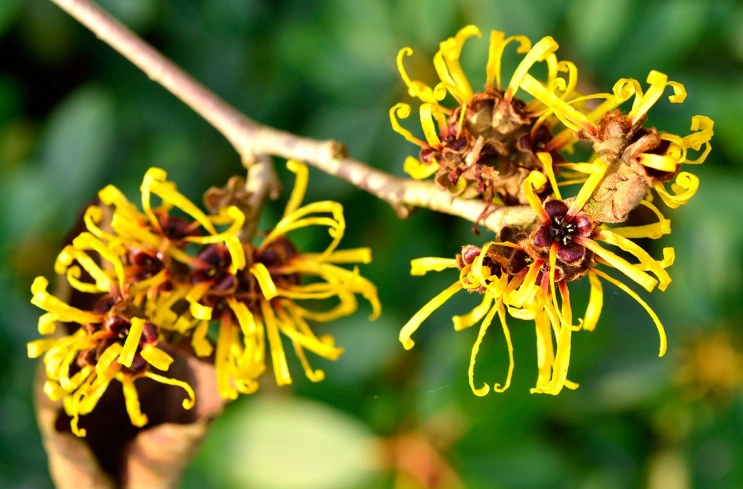
The truth is, planting hamamelis isn't rocket science, but getting a few key things right makes all the difference between a struggling twig and a spectacular, four-season superstar. This guide is everything I wish I'd known before I dug my first hole.
First Things First: Picking the Right Hamamelis for You
This is where most people, including me, jump straight to "I want that one!" based on a flower photo. But hold on. Choosing the right variety is the single most important step to ensure your plant hamamelis project is a long-term success. Not all witch hazels are created equal, and your local climate is the boss here.
The main species you'll encounter are:
- Hamamelis virginiana (Common Witch Hazel): Native to eastern North America. It flowers in late fall (October-November), often as its yellow leaves are dropping. It's incredibly tough and adaptable. A great choice for naturalizing.
- Hamamelis vernalis (Ozark Witch Hazel): Also native, smaller in stature. Blooms in late winter with often fragrant, smaller flowers in reddish tones. Tolerates wetter soils better than others.
- Hamamelis mollis (Chinese Witch Hazel): The showstopper. Large, fragrant, bright yellow flowers with red calyces in late winter. This is the one you see in most jaw-dropping photos. It prefers a slightly more sheltered spot and perfect drainage.
- Hamamelis × intermedia (Hybrid Witch Hazel): These are crosses between H. japonica and H. mollis. This is where you find the famous cultivars with orange, copper, and red flowers. They combine hardiness with spectacular floral displays.
So, how do you choose? Ask yourself these questions:
- What's your USDA Hardiness Zone? Most hybrids and H. mollis are best in zones 5-8. H. virginiana can handle zone 3. Check the tag!
- What size do you have space for? They can range from 10 to 20 feet tall and wide. Don't cram a large variety into a small foundation planting.
- When do you want flowers? Late fall or late winter/early spring?
- Do you care about fall color? Some, like 'Diane' (red flowers), also have outstanding red-purple fall foliage.
Popular Hamamelis Varieties at a Glance
To make your choice easier, here's a quick comparison of some top performers. This table saved me hours of catalog browsing.
| Variety | Flower Color | Bloom Time | Mature Size (HxW) | Hardiness Zone | Best For |
|---|---|---|---|---|---|
| Hamamelis × intermedia 'Arnold Promise' | Vivid Yellow | Late Winter | 15' x 15' | 5-8 | Classic winter color, strong fragrance |
| Hamamelis × intermedia 'Diane' | Coppery Red | Late Winter | 12' x 12' | 5-8 | Stunning red fall foliage & flowers |
| Hamamelis × intermedia 'Jelena' | Coppery Orange | Late Winter | 15' x 15' | 5-8 | Large, showy flowers; good fall color |
| Hamamelis mollis 'Wisley Supreme' | Golden Yellow | Late Winter | 12' x 12' | 5-8 | Exceptional fragrance, large petals |
| Hamamelis vernalis | Reddish to Yellow | Late Winter | 6-10' x 6-10' | 4-8 | Smaller gardens, wetter soils |
| Hamamelis virginiana | Yellow | Late Fall | 15-20' x 15-20' | 3-8 | Native planting, tough conditions |
See a variety you like? Great. Now, let's get it in the ground the right way.
The Planting Process: Don't Just Dig a Hole
Okay, you've got your plant. The urge is to grab a shovel and go. Resist it for a bit. Where and how you plant hamamelis determines its future health. Think of it as setting the foundation for a house.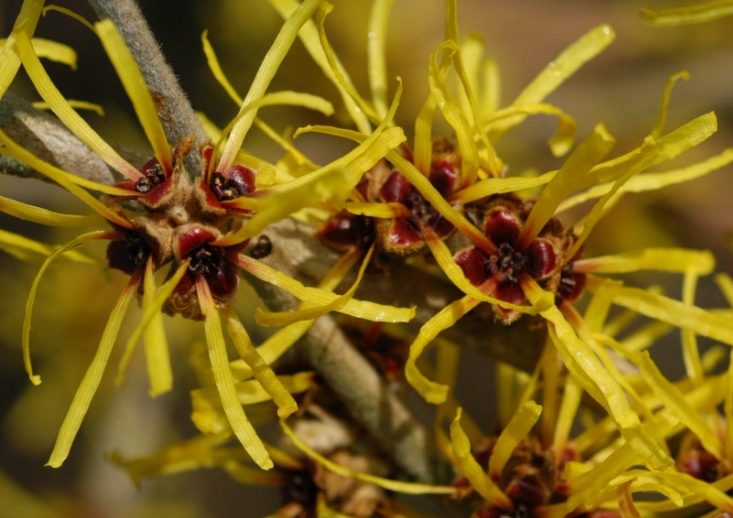
Location, Location, Location
Witch hazel likes what I call "woodland edge" conditions. That means:
- Sun: Full sun to partial shade. For the best flower production and dense habit, aim for at least 4-6 hours of direct sun. In hotter climates (zone 7+), afternoon shade is a friend to prevent leaf scorch.
- Soil: This is critical. They demand well-drained soil. They hate wet feet. If your soil is heavy clay (like mine was), you must amend it. They prefer slightly acidic to neutral soil (pH 5.5-7.0), but are somewhat adaptable.
- Space: Give it room to reach its mature width. Don't plant it right next to a wall or under eaves where rainwater doesn't reach. Good air circulation helps prevent disease.
Step-by-Step: Planting Your Witch Hazel
Here's the process, broken down. It's simple, but details matter.
- Timing: The best time to plant hamamelis is in early fall or early spring. This gives the roots time to establish before summer heat or winter cold. Container-grown plants can be planted anytime the ground isn't frozen, but avoid midsummer.
- The Hole: Dig a hole that's 2-3 times wider than the root ball, but only as deep as the root ball is tall. Why so wide? To loosen the soil for the roots to expand easily. Planting too deep is a common error.
- Soil Prep: Mix the native soil you dug out with a generous amount of compost or well-rotted leaf mold. If you have clay, also mix in some coarse sand or fine bark chips to improve drainage. I use a ratio of about 50% native soil, 40% compost, and 10% sand for heavy spots.
- Planting: Gently remove the plant from its container. Tease out any circling roots on the outside of the root ball. Place it in the hole so the top of the root ball is level with or slightly above the surrounding ground. Backfill with your soil mix, firming gently as you go to remove air pockets.
- Watering In: Create a shallow basin around the plant and water it deeply. This helps settle the soil. Add more soil if it settles too much.
- Mulch: Apply 2-3 inches of organic mulch (shredded bark, wood chips) around the base, keeping it a few inches away from the trunk. This conserves moisture, suppresses weeds, and keeps roots cool.
That's it. The heavy lifting is done. Now, onto keeping it happy.
Caring for Your Hamamelis: It's Not High Maintenance
Here's the good news: once established, witch hazel is remarkably low-fuss. But "established" takes about 2-3 years. During that time, you need to be a bit more attentive.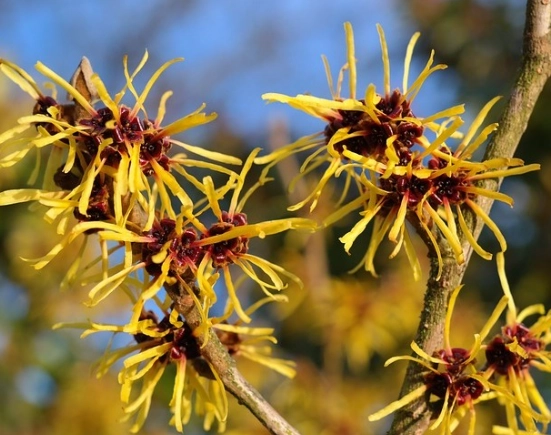
Watering Wisdom
This is the most critical care element in the first few years. Your goal is consistent moisture, not sogginess.
- Year 1: Water deeply once a week if there's no rain. A long, slow soak is better than a daily sprinkle. It encourages deep rooting.
- Year 2 & 3: Water during prolonged dry spells (more than 2 weeks without rain).
- Established: Mature, deep-rooted hamamelis is quite drought-tolerant. It will only need watering in extreme, prolonged droughts.
To Feed or Not to Feed?
Witch hazel isn't a heavy feeder. If you planted it in good, compost-amended soil, it might not need any fertilizer for years.
If growth seems very slow or leaves are pale (after ruling out water issues), you can apply a balanced, slow-release granular fertilizer formulated for trees and shrubs in early spring. Don't overdo it. Too much nitrogen can promote weak, leafy growth at the expense of flowers. Frankly, I've never fertilized my established plants, and they bloom their heads off. The annual mulch layer breaking down seems to be enough.
Pruning: Less is More
You don't need to prune hamamelis for it to thrive. Its natural shape is lovely. Prune only for these reasons:
- Remove dead, damaged, or diseased wood. Do this anytime you see it.
- Correct crossing or rubbing branches. This prevents wounds.
- Control size or shape. If you must, do it immediately after flowering in late winter or early spring. Pruning later in the season will cut off next year's flower buds, which form in summer.
What's Wrong With My Plant? Troubleshooting Common Issues
Hamamelis is largely pest and disease-free, which is a huge plus. But sometimes things happen. Here are the main culprits.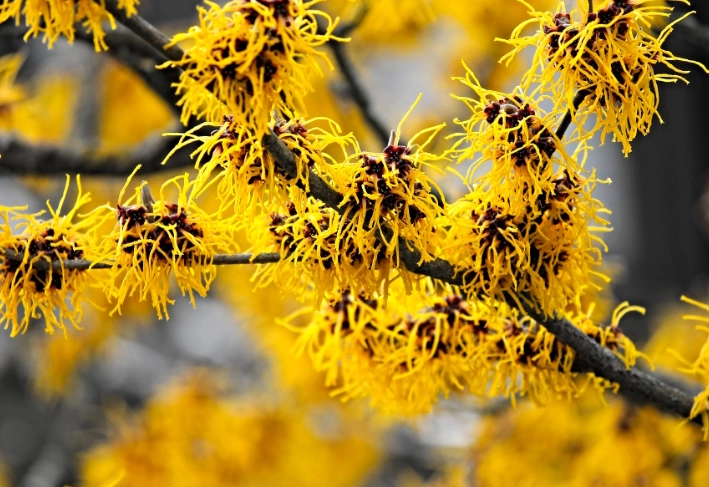
Leaf Problems
Leaves turning yellow and dropping in summer: This could be a sign of stress from drought, waterlogged soil, or a nutrient issue. Check your watering and soil drainage first.
Brown, scorched leaf edges: Usually indicates leaf scorch from hot, dry wind or too much intense sun, especially in hot climates. Ensure it's getting adequate water and consider providing afternoon shade if possible.
Powdery white coating on leaves (Powdery Mildew): This fungal disease is more cosmetic than harmful. It thrives in humid conditions with poor air circulation. To prevent it, ensure proper spacing and avoid overhead watering. If it appears, you can treat it with a fungicide or, as many organic gardeners do, just live with it. The Missouri Botanical Garden has excellent resources on managing this common garden fungus.
Flower Problems
Not flowering: The number one reason? Not enough sun. The number two reason? The plant is too young. Remember, they're slow. Number three? You pruned at the wrong time and cut off the buds. Number four? A late frost zapped the open flowers (the buds themselves are very cold-tolerant).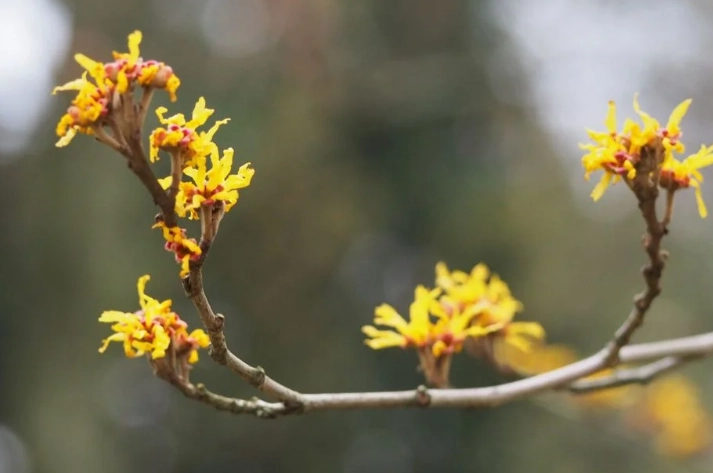
Flowers are sparse: Could be related to the above, or the plant is putting energy into root establishment after recent planting or transplanting.
Pests (Rare but Possible)
You might see aphids or gall aphids (which cause weird, conical growths on leaves). These are rarely serious enough to harm the plant. A strong blast of water from a hose can dislodge aphids. The galls are weird-looking but don't require treatment. For major infestations, horticultural oil or insecticidal soap can be used. The key takeaway? Serious pest problems are uncommon. If you see insects, don't panic. Identify them first. The Royal Horticultural Society (RHS) pest guide is a fantastic tool for this.
Beyond the Basics: Design Ideas and Creative Uses
So you've successfully learned how to plant hamamelis and keep it alive. Now, how do you make it a star in your garden?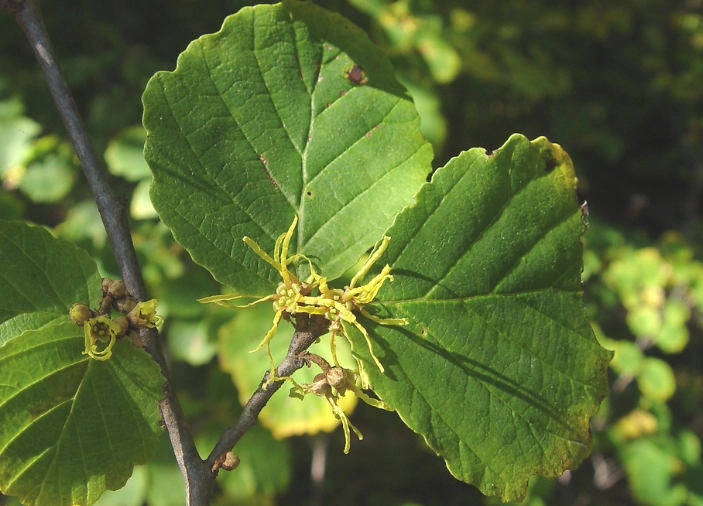
Think of it as a structural plant with multiple seasons of interest.
- Winter Feature: Plant it where you can see it from a frequently used window—your kitchen, living room, or home office. Its winter bloom is a mood-lifter. Underplant with early spring bulbs like snowdrops or crocus for a layered effect.
- Fragrance Garden: Place fragrant varieties like 'Arnold Promise' or H. mollis near a path, doorway, or seating area where you can enjoy the sweet, spicy scent on a mild winter day.
- Woodland Garden: It's a natural companion for other acid-loving, part-shade plants like rhododendrons, azaleas, hellebores, and ferns. The layered textures look fantastic.
- Specimen Plant: Given enough space, a single, well-grown witch hazel makes a breathtaking focal point on a lawn.
- Native Planting: Use H. virginiana or H. vernalis in a native plant garden to support local ecology. The Lady Bird Johnson Wildflower Center database confirms that these native species provide shelter and support for various insects.
The branches are also fantastic for winter cuttings. Bring a few sprigs inside when they're in bloom—they'll last a surprisingly long time in a vase and fill a room with fragrance.
Quick-Fire Hamamelis Questions Answered
Wrapping It Up: The Long View
Planting a hamamelis is an act of optimism. You're putting a plant in the ground that asks for a little patience and care upfront in exchange for decades of unique beauty. It defies the barren winter landscape, offers fiery fall color, and has a graceful structure year-round.
The process isn't complicated. Choose the right variety for your spot. Plant it in well-drained soil, not too deep. Water it faithfully while it's young. Then, mostly, just stand back and let it do its thing.
My 'Jelena' is about eight years old now. Every January, when its orange ribbons unfurl against the gray sky, I forget about the wait. I'm just glad I took the time to learn how to plant hamamelis the right way from the start. It's the cornerstone of my winter garden, and I suspect it will be for a very long time.
Go for it. Find your perfect witch hazel, give it a good home, and enjoy the show for years to come.