Quick Guide
Let's be honest. When most people think about adding a shrub to their garden, they obsess over the flowers. Will it bloom all summer? Are the petals a perfect shade of pink? I get it, I used to be the same way. But then I planted my first ninebark, a 'Diabolo' with leaves the color of dark wine, and my whole perspective shifted. The flowers came and went in a fluffy white cloud that was nice, sure. But the leaves? The leaves were the main event from the moment they unfurled in spring until they dropped in a final blaze of color in fall.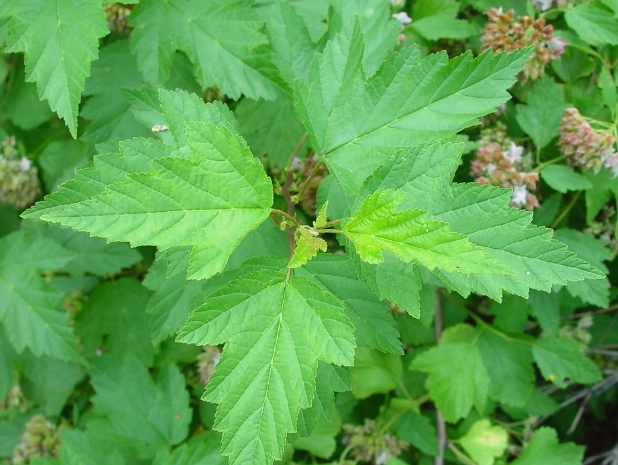
That's what this is about. If you're searching for information on ninebark leaves, you've probably already seen the shrub somewhere. Maybe a neighbor has one, or you spotted its incredible foliage at a local garden center. You're past the "what is this plant" stage and diving into the real details. What's up with the colors? Why might the leaves look sickly? How do you keep them looking fantastic? We're going to cover all of that, and a lot more.
Getting to Know the Ninebark: It's All About the Bark (and Leaves)
Ninebark, or Physocarpus opulifolius if you want to get formal, is a North American native shrub. That's a huge point in its favor for gardeners looking for something resilient and ecologically friendly. The common name comes from the bark on mature stems, which peels away in multiple, papery layers—sometimes said to be nine, but let's not count. While that bark provides fantastic winter interest, it's the foliage that steals the show for three seasons.
So what are we working with? Ninebark leaves are generally three-lobed (sort of like a maple leaf, but more rounded) and have a toothed edge. They're arranged alternately on the stem. The texture is matte, not glossy, which I think makes the colors look richer and deeper. They don't have that artificial, shiny-leaf look. It's a more natural, garden-integrated appearance.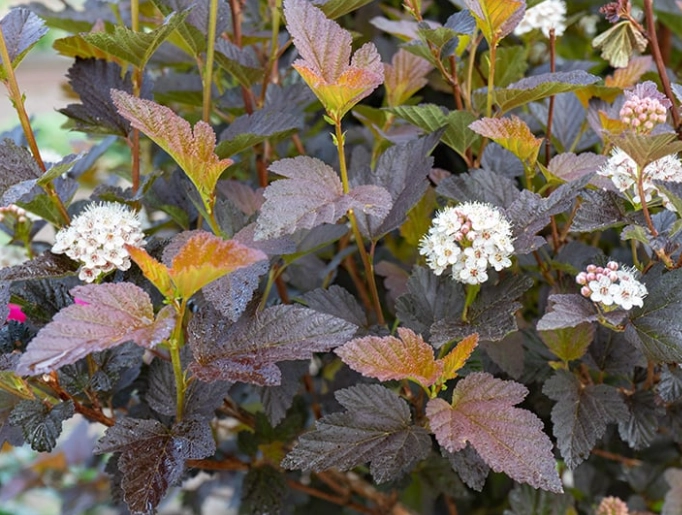
The real magic, and the reason you're probably here, is the insane color palette modern cultivars offer. We've moved far beyond the basic green.
The Rainbow in Your Garden: Ninebark Leaf Colors
This is where breeders have been having a field day. The color of ninebark leaves isn't static; it can change with the seasons, light exposure, and even the age of the leaf. Here’s a breakdown of the most popular color groups you'll find:
| Variety/Cultivar | Primary Leaf Color | Seasonal Changes & Notes | Best For |
|---|---|---|---|
| 'Diabolo' (aka 'Monlo') | Deep, rich burgundy-purple | Holds color well in sun. In shade, may green up slightly. Contrasts with white spring flowers. | Dramatic focal point, dark backdrop for bright perennials. |
| 'Summer Wine' | Wine-red, finer texture | More compact. Leaves are deeply cut, giving a lighter, airier feel than 'Diabolo'. | Smaller spaces, containers, mixed borders. |
| 'Amber Jubilee' | Chameleon-like: orange, gold, & green | New growth is bright orange-yellow, maturing to lime green, with purple tips. A real carnival. | Adding a hot spot of color, exciting texture. |
| 'Dart's Gold' | Vibrant, bright golden yellow | Glows in the landscape. Can scorch in full, hot afternoon sun. Best with some light shade. | Lighting up shady corners, brightening dark green hedges. |
| 'Ginger Wine' | Bright coppery-orange | New growth is a fiery ginger-orange, maturing to a reddish-bronze. Stunning in spring. | Warm color schemes, modern landscapes. |
| Native Species (Green) | Medium to dark green | Turns a decent yellow in fall. The classic, understated look. Incredibly tough. | Naturalized areas, wildlife gardens, hedges. |
Choosing one is the fun part. Personally, I think 'Amber Jubilee' is a bit overhyped—it can look messy if not placed right. But 'Summer Wine'? That one has never let me down. The key is to think about what it's next to. A dark ninebark leaf behind a yellow daylily is pure magic.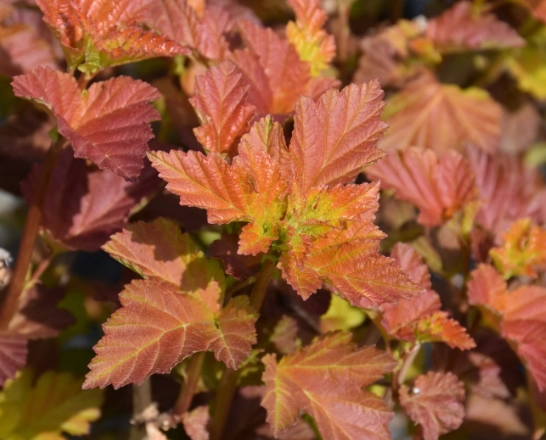
When Things Go Wrong: Reading the Leaves for Problems
This is the part most gardeners nervously search for. You see something off and immediately jump to the worst conclusion. Let's demystify the common issues you might see on your ninebark's foliage. I'll tell you what I've dealt with, and what's actually worth losing sleep over (hint: not much).
The Big One: Powdery Mildew
If you see a white, powdery coating on the surface of your ninebark leaves, especially later in the summer, it's likely powdery mildew. This is a fungal disease that loves humid conditions with poor air circulation.
Here’s the crucial thing: Ninebarks are largely unfazed by it. Seriously. It's mostly a cosmetic issue. The plant will still grow, still leaf out the next year. I've had shrubs look like they were dusted with flour by August and they burst forth perfectly healthy the following spring.
Yellowing Leaves (Chlorosis)
Yellow leaves with green veins are a classic sign of chlorosis, usually caused by iron deficiency in alkaline soils. Ninebarks prefer slightly acidic to neutral soil. If your soil is very chalky or alkaline, the plant can't take up iron efficiently.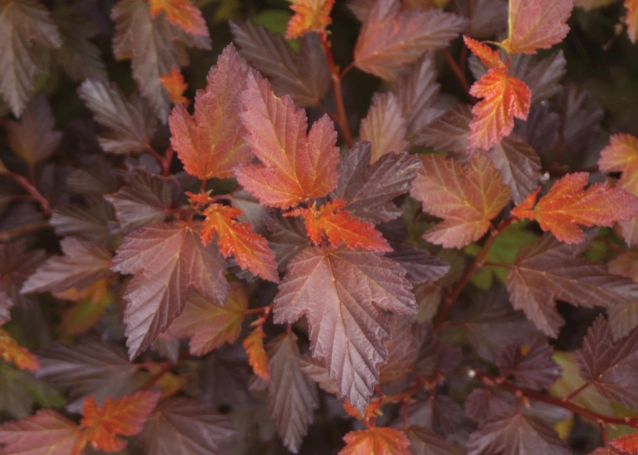
This is more of a problem for the purple-leafed varieties in my experience. The green and gold ones seem less fussy.
Brown Edges, Scorching, or Leaf Drop
Are the edges of the leaves turning crispy brown? This is often environmental stress, not disease.
- Drought Stress: Newly planted ninebarks need consistent water for their first season. Established ones are drought-tolerant, but an extreme heat wave with no water can cause scorch.
- Overwatering/Root Rot: The opposite problem. Soggy, poorly drained soil is a killer. Leaves will yellow, wilt, and drop. The plant looks thirsty, but the soil is wet. This is bad news. Ensure your planting site has good drainage.
- Wind Scorch: In exposed, windy sites, especially in winter, leaves (or buds) can dry out and die. This is common on golden varieties.
- Too Much Sun (for some): Golden-leaved ninebarks like 'Dart's Gold' can scorch in intense, full afternoon sun. They prefer bright but filtered light or morning sun.
See? Most of these are about placement and basic care, not some mysterious plague.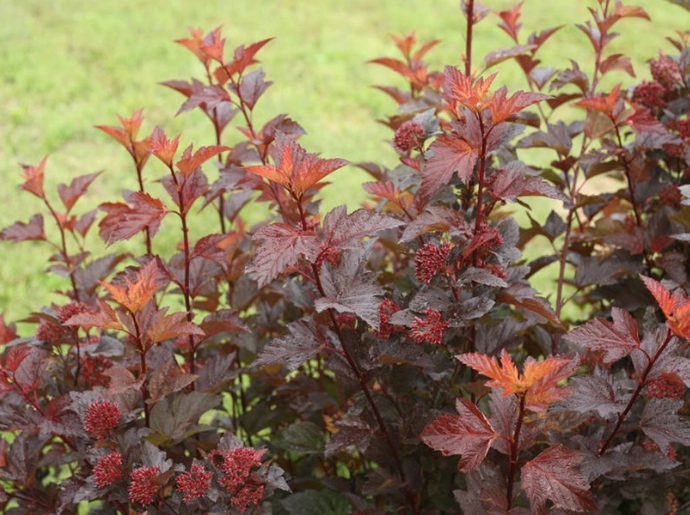
The Care Guide: Keeping Those Leaves Spectacular
You want a bush brimming with healthy, colorful foliage. It's not hard, I promise. Ninebarks are famously low-maintenance once established, but a few key moves make all the difference.
Planting for Success: Location is Everything
Think of sunlight as the dial for leaf color. For the deepest purples and reds, you need full sun (6+ hours). Less sun means greener leaves on those varieties. The golden and lime-green types can handle, and often prefer, a bit of afternoon shade to prevent scorch. All need decently drained soil. They'll tolerate clay if it's not a perpetual puddle, and they're quite happy in sandy soils too. That adaptability is their superpower.
To Prune or Not to Prune?
This is the most common question after "what's wrong with my leaves?" Ninebarks bloom on "old wood"—meaning the flower buds for spring are formed the previous summer. If you give it a heavy haircut in early spring, you'll cut off the flowers.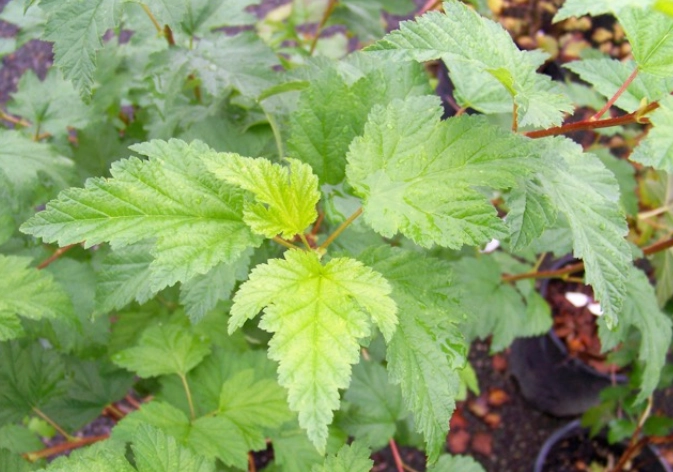
But here's my take: if you're growing it primarily for the incredible ninebark leaves, the flowers are a bonus. Don't stress about them.
My pruning strategy is simple:
- Right after it flowers (early summer): This is the ideal time. You can shape it, reduce its size, and thin out up to 1/3 of the oldest, thickest stems right at the ground. This promotes new growth from the base, and new stems often have the most vibrant leaf color.
- Late winter/early spring: If you didn't get to it in summer, you can still prune then. You'll sacrifice some blooms, but the plant will push out vigorous new growth with great leaves.
- Renewal Pruning: If an old plant is a tangled, leggy mess, you can cut the whole thing down to 6-12 inches from the ground in late winter. It sounds brutal, but it works. It will grow back completely fresh in a single season.
Watering and Feeding: The Less-Is-More Approach
Water deeply after planting and through the first growing season. After that, they're remarkably self-sufficient. I only water my established ninebarks during prolonged droughts. Overwatering is a bigger risk than underwatering.
Fertilizer? Usually not needed. If growth seems stunted and leaves are pale (and it's not chlorosis), a light application of a balanced, slow-release fertilizer in early spring is plenty. More fertilizer doesn't mean more color—it can just lead to weak, floppy growth.
Designing With Ninebark Leaves: It's Your Secret Weapon
This is where you get to play artist. The foliage is your paint. Think beyond just plopping a single shrub in a bed.
Contrast and Complement: The deep purple leaves of 'Diabolo' make the greens of hostas or boxwood pop. They're a stunning backdrop for almost any flower color—pinks, oranges, whites, and blues all sing against it. The Missouri Botanical Garden, a fantastic resource for plant information, often uses ninebarks in their display gardens for this exact purpose. You can see examples of effective companion planting in their online plant finder.
Seasonal Drama: Remember, the leaf color can shift. That coppery new growth of 'Ginger Wine' in spring softens to bronze by summer. You get multiple looks from one plant.
Hedging and Screening: They make a fantastic informal hedge. The native green ninebark is superb for this, creating a dense, wildlife-friendly barrier. The colored varieties work too, just be prepared for a more dramatic, less uniform look.
I like to mix them. A hedge of alternating 'Dart's Gold' and 'Diabolo' is electrifying. It's not for the faint of heart, but it sure isn't boring.
Your Ninebark Leaves Questions, Answered
I've gotten a lot of emails and garden chat questions over the years. These are the ones that come up again and again.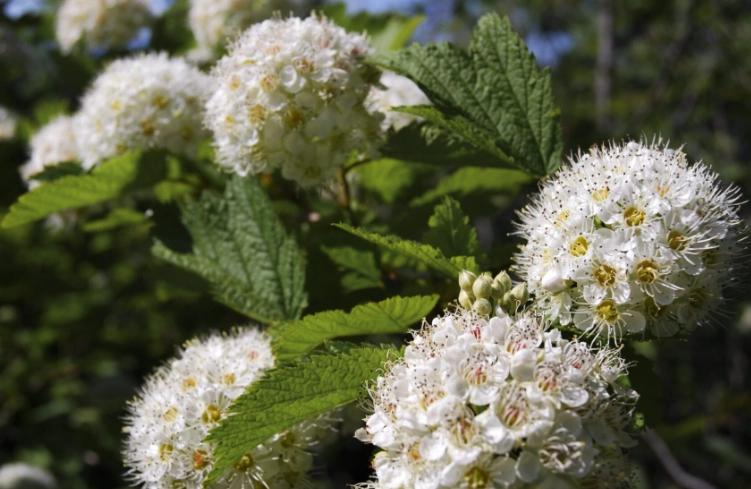
Are ninebark leaves poisonous to dogs or cats?
Good news. According to the American Society for the Prevention of Cruelty to Animals (ASPCA), ninebark (Physocarpus) is not listed on their toxic plants database for dogs, cats, or horses. That said, it's always wise to discourage pets from chewing on any ornamental plants. But you can plant it without major worry if you have curious furry friends. You can double-check resources like the ASPCA Animal Poison Control site for the most authoritative lists.
Why are the leaves on my new ninebark so small?
Probably transplant shock. It's putting energy into establishing roots first. Give it a full season of consistent moisture and don't fertilize it. The leaves should size up nicely in year two. If small leaves persist, it might be in soil that's too poor or too dense. A bit of compost mulch can help.
Do deer eat ninebark?
This is a huge user pain point. In most areas, deer leave ninebark alone. It's not their favorite. The textured leaves seem to be less palatable than, say, a hosta or a rose. I've never had deer damage on mine, and I have plenty of deer around. However, in times of extreme hunger, a desperate deer might nibble. It's considered deer resistant, not deer proof. That's a key distinction.
Can I use the leaves for anything? Compost? Mulch?
Absolutely. The leaves break down normally in a compost pile. I often run over fallen leaves with the mower and use them as mulch right around the base of the shrub itself. It's a nice circle-of-life thing. They don't have any special properties for pest repelling or anything like that—they're just good, organic matter.
When should the leaves come out in spring?
They're not the earliest riser in the garden. Don't worry if it's still bare when other shrubs are leafing out. In my zone 5 garden, I usually see buds swelling in mid to late April, with leaves unfurling in early May. It's worth the wait.
So there you have it. From the stunning color variations to solving the occasional problem, ninebark leaves offer a world of interest with very little hassle. They're the workhorse of the modern garden, providing structure and color long after the flashy flowers have faded. My advice? Pick a color you love, plant it in a spot with decent sun and good drainage, and then just enjoy the show. Don't over-complicate it. These shrubs have been thriving on this continent long before we started fussing over them, and that's probably the best lesson of all.
Go find one. Your garden will thank you.