What You’ll Discover in This Guide
- Why Knowing Your Willow Types Matters
- Major Types of Willow Trees: From the Iconic to the Obscure
- A Quick-Reference Table: Common Types of Willow and Their Traits
- How to Choose the Right Willow for Your Space
- Planting and Caring for Your Willow
- Beyond the Garden: Traditional and Practical Uses of Willows
- Frequently Asked Questions About Types of Willow
- Final Thoughts: Embracing the Willow, Wisely
So you're thinking about willows. Maybe you saw a gorgeous weeping willow by a pond and wanted one for yourself. Or perhaps you're dealing with a wet spot in your yard and heard some types of willow are perfect for that. Or you could just be trying to figure out what that tree in the park actually is.
I get it. I've been there. I planted my first willow—a corkscrew willow, because it looked cool—without really knowing what I was getting into. Let's just say its roots had other plans for my patio. That experience sent me down a rabbit hole learning about all the different types of willow out there, and let me tell you, there are more than you might think.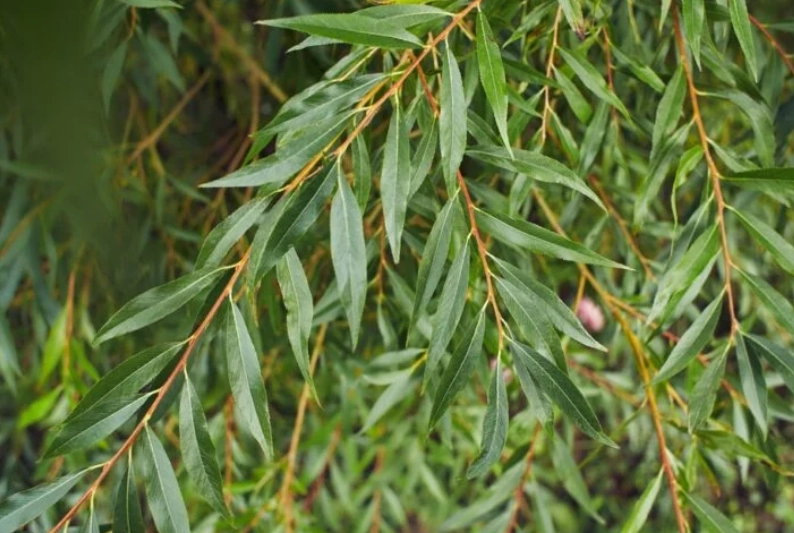
The Willow Family at a Glance: Willows belong to the genus Salix, which includes over 400 species. They range from massive, sweeping trees you can't miss to tiny, ground-hugging shrubs you might step over. What ties them all together? A love for water, fast growth, and those iconic slender leaves (catkins in the spring are a dead giveaway).
This guide isn't just a dry list of names. We're going to dig into the different types of willow trees and shrubs, what makes each one unique, where they thrive, and—crucially—the pros and cons of each. My goal is to give you the real-world info you need, whether you're identifying, shopping, or planting.
Why Knowing Your Willow Types Matters
Picking the wrong willow is a classic gardening mistake. They're not all interchangeable. Some are well-behaved landscape stars, while others are aggressive spreaders best suited for large, wild areas. Knowing the specific types of willow helps you match the plant to your purpose. Are you looking for a stunning focal point, a fast privacy screen, a plant to stabilize a soggy bank, or material for basket weaving? There's a willow for that, but it's probably not the same one.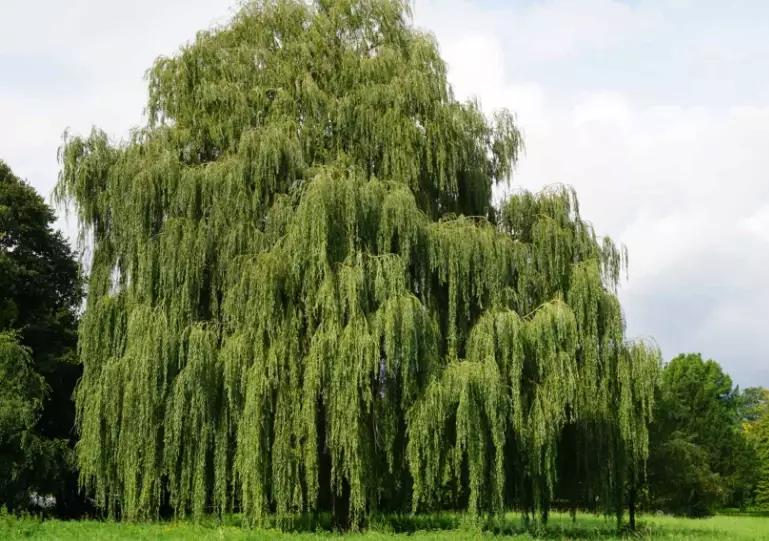
I'll also touch on the less glamorous side—the maintenance, the invasive roots of some species, the potential for weak wood. It's not all graceful beauty.
Major Types of Willow Trees: From the Iconic to the Obscure
Let's break down the main categories you're likely to encounter. This isn't a strict botanical classification, but a practical one based on how these plants are used and how they look in gardens and landscapes.
The Classic Weeping Willows
This is the image that pops into most people's heads. The long, cascading branches that touch the ground. It's romantic, it's poetic, and it's also a big commitment.
Salix babylonica (Babylon Weeping Willow): The classic. This is the one you see in paintings by ponds. It grows huge—up to 40-50 feet tall and just as wide. It has that perfect, fountain-like form. But here's the thing: it's not the most cold-hardy. It can struggle in harsh winters north of zone 6. Also, its roots are famously thirsty and can seek out water pipes and septic systems. Beautiful, but plant with extreme caution and lots of space.
Salix x sepulcralis 'Chrysocoma' (Golden Weeping Willow): This is actually the most common weeping willow sold in nurseries, often mislabeled as Salix babylonica. It's a hybrid that's more vigorous and slightly hardier than the true Babylon willow. Its young twigs are a bright yellow-green, giving it a golden glow, especially in winter. The growth habit is just as dramatic. Same root warnings apply.
My Take: I adore the look of weeping willows, but I'd only ever plant one if I had a huge property with a natural pond far from any infrastructure. They're landscape-scale plants, not backyard trees for most of us.
The Upright & Shade Tree Willows
Not all willows weep. Many form large, traditional tree shapes with strong central leaders. These are often better choices for general landscaping.
Salix alba (White Willow): A massive, fast-growing tree native to Europe and Asia. It can hit 70-80 feet. The name comes from the fine white hairs on the leaves, which give the whole canopy a silvery sheen. There are fantastic cultivars like 'Sericea' (even more silvery) and 'Vitellina' (the Golden Willow, with stunning yellow-orange young stems that are spectacular in winter). The wood from Salix alba is where salicin, the original source of aspirin, was first discovered.
Salix nigra (Black Willow): This is the most common native willow tree in eastern North America. You'll find it along streams and in wet woods. It's less common in cultivation but is an excellent native choice for restoration projects or very wet areas. It doesn't have the showy stems of some willows, but it's an important ecological player.
The Shrubby & Ornamental-Stem Willows
This is a huge and fun category. These types of willow are grown more for their colorful stems, interesting foliage, or manageable size than for a grand tree form.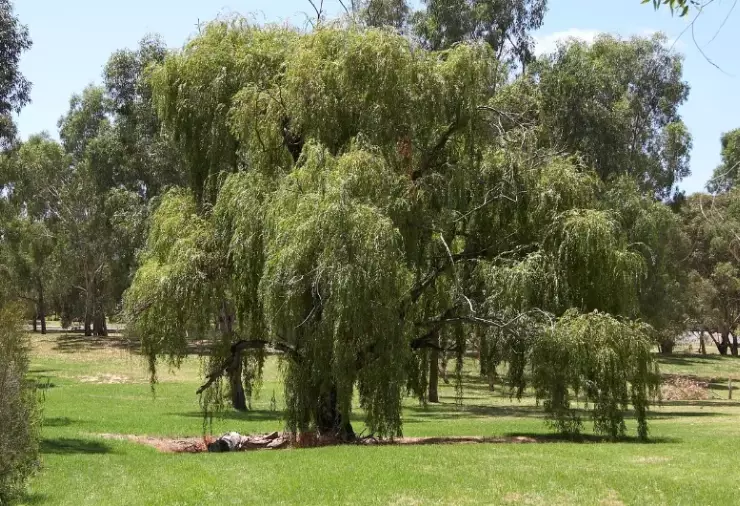
Salix matsudana 'Tortuosa' (Corkscrew Willow / Dragon's Claw Willow): This is the one I planted. The branches and twigs grow in twisted, contorted spirals. It's incredibly eye-catching in winter when the structure is bare. It grows as a small to medium tree. The downside? The wood is brittle, and branches snap off in wind and ice storms more easily than other willows. Mine was a constant cleanup job.
Salix purpurea (Purple Osier): A personal favorite. This is a shrub, growing 5-10 feet tall. Its slender stems are a deep purple, especially on new growth. It's a premier basket-weaving willow (osier is an old word for basket willow). It's also one of the more adaptable willows, tolerating drier soils once established. Cultivars like 'Nana' (Dwarf Purple Osier) are perfect for smaller gardens.
Salix integra 'Hakuro-nishiki' (Flamingo Willow or Dappled Willow): A superstar in the shrub world. This Japanese willow is grown for its spectacular foliage. New leaves emerge pink (like flamingo feathers), mature to a variegated white and green, and can have a slight blush in cool weather. It's usually sold as a grafted standard (a lollipop shape). You have to prune it hard each spring to encourage that vibrant new growth. It's not the toughest willow, but my goodness, it's pretty.
The Groundcover and Dwarf Willows
Yes, they exist! Not all willows are giants.
Salix repens (Creeping Willow): A low, spreading shrub that might only get a foot or two tall but can spread several feet. Native to dunes and heaths in Europe. It's excellent for covering slopes or in rock gardens where you want a soft, flowing texture.
Salix herbacea (Dwarf Willow): This one blows people's minds. It's one of the smallest woody plants in the world. Native to arctic and alpine tundra, it forms a dense mat only 1-2 inches tall. Its stems creep underground. You won't find this at your local nursery, but it's a fascinating example of how diverse the types of willow can be.
See? Willows aren't just one thing. From tundra carpets to forest giants, this genus has incredible range.
A Quick-Reference Table: Common Types of Willow and Their Traits
This table should help you compare some of the most popular options at a glance. It's a starting point for narrowing down your choices.
| Willow Variety (Common Name) | Botanical Name | Typical Height/Form | Key Feature & Best Use | USDA Hardiness Zones | Watch Out For |
|---|---|---|---|---|---|
| Golden Weeping Willow | Salix x sepulcralis 'Chrysocoma' | 30-50 ft / Weeping Tree | Iconic cascading form. Large landscape focal point near water. | 4-9 | Aggressive, invasive roots. Weak wood in storms. |
| White Willow | Salix alba | 50-80 ft / Upright Tree | Fast-growing shade tree. 'Vitellina' has brilliant yellow winter stems. | 2-8 | Very large size. Messy with leaf and twig drop. |
| Corkscrew Willow | Salix matsudana 'Tortuosa' | 20-30 ft / Small Upright Tree | Uniquely twisted branches. Winter interest specimen. | 4-8 | Extremely brittle wood. High maintenance after storms. |
| Flamingo (Dappled) Willow | Salix integra 'Hakuro-nishiki' | 4-6 ft (pruned) / Shrub or Standard | Stunning pink & white variegated foliage. Colorful accent shrub. | 5-7 | Needs hard annual pruning. Less cold/hardy than others. |
| Purple Osier Willow | Salix purpurea | 5-10 ft / Dense Shrub | Slender purple stems. Excellent for baskets, hedges, winter color. | 4-8 | Can be leggy if not pruned. Spreads by suckering. |
| Pussy Willow | Salix caprea or S. discolor | 15-25 ft / Large Shrub/Small Tree | Beloved fuzzy gray catkins in early spring. Naturalizing, cutting garden. | 4-8 | Can be coarse in leaf. Prefers consistently moist soil. |
| Black Willow | Salix nigra | 30-50 ft / Spreading Tree | Important native species. Excellent for erosion control on wet sites. | 4-9 | Not as ornamental. Short-lived compared to other trees. |
How to Choose the Right Willow for Your Space
This is the most important step. Ask yourself these questions before you even look at a nursery catalog.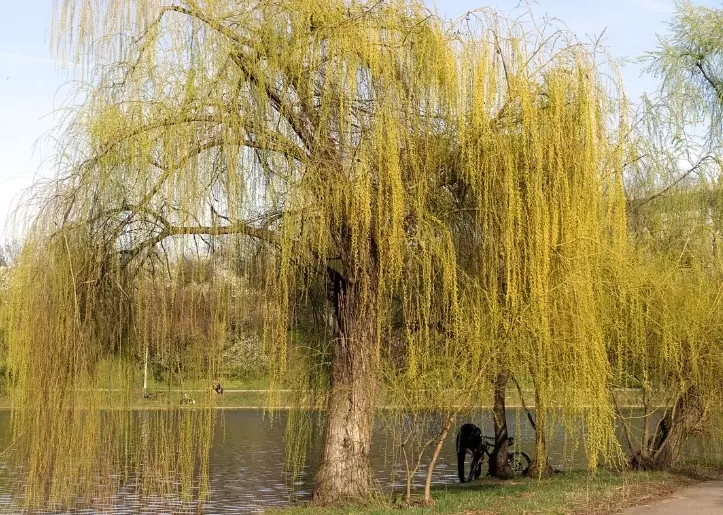
Space Check: Measure, then double-check. A weeping willow seedling looks innocent, but its mature width is the critical number. Don't just think about overhead space—think about the underground “drip line” where the roots will spread, often twice the width of the canopy.
1. What's your soil and water situation? This is non-negotiable for most types of willow. They need moisture. If you have a naturally boggy area, a creek bank, or a pond edge, you have prime willow real estate. If your soil is average to dry, your choices shrink dramatically. You'll need to look at more adaptable species like Purple Osier (Salix purpurea) or be prepared to water… a lot.
2. What's your goal?
- Erosion Control: Go for tough, spreading shrub willows like some of the native species. Their dense, fibrous root systems hold soil like a net.
- Winter Interest: Stem color is key. Look for the Golden Willow (Salix alba 'Vitellina'), Purple Osier (Salix purpurea), or the scarlet stems of Salix 'Britzensis'.
- Fast Privacy Screen: Many shrub willows, planted close together and coppiced (cut back hard) annually, will create a dense, fast hedge.
- Focal Point Tree: If you have the space and wet soil, a weeping willow is unmatched. For a drier site, a White Willow is a majestic alternative.
3. How much maintenance are you willing to do? Be honest. Willows are fast growers, and fast growth often means more cleanup—fallen twigs, leaves, and for some, the need for regular pruning to look their best or control size.
The Root of the Problem: This is the biggest complaint about willows. Their roots are shallow, wide-spreading, and aggressively seek water. Never plant a large willow species within 50 feet of a septic tank, drain field, swimming pool, or underground water line. The cost of repair can be astronomical. This single factor disqualifies many of the large tree types of willow from standard suburban yards.
Planting and Caring for Your Willow
Okay, you've picked one. Now let's get it in the ground.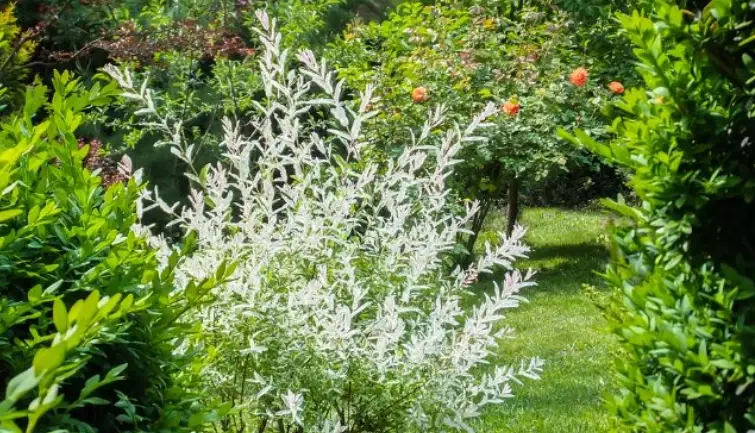
Planting Steps
Timing: Early spring or fall, when the weather is cool and soil moisture is good.
The Hole: Dig it wide, not necessarily deep. Two to three times the width of the root ball is good. Willows have spreading roots, so give them room to expand laterally. Don't amend the backfill soil too richly—you want the roots to venture out into the native soil. Just break up any clumps.
Watering: Soak the root ball before planting. After planting, create a shallow basin around the trunk and water deeply. For the first full growing season, water regularly, especially if it's dry. “Moist” is the keyword. Once established, some willows are more drought-tolerant than their reputation suggests, but they'll always perform best with consistent moisture.
Ongoing Care: Pruning, Problems, and Solutions
Pruning: Why and how you prune depends entirely on the type of willow you have.
- Ornamental-Stem Willows (Purple Osier, Golden Willow): Prune them hard in late winter or early spring, before new growth starts. Cut all stems back to within a few inches of the ground or to a low framework. This brutal haircut encourages a fresh crop of the most brightly colored young stems.
- Weeping Willows: Prune primarily to remove dead, damaged, or diseased branches, and to lift the skirt of the canopy if needed. Do this in late winter. Avoid heavy pruning that ruins the natural form.
- Dappled/Flamingo Willow: To keep the vibrant pink color, you must prune! In early spring, cut back all the previous year's growth by about two-thirds. If you don't, it will revert to mostly green.
Pests and Diseases: Willows have their share. Aphids love new growth, but a strong blast of water usually handles them. The more serious issues are fungal: willow scab and black canker can cause defoliation and dieback. The best defense is keeping the tree healthy (avoid stress from drought) and ensuring good air circulation through pruning. Remove and destroy seriously infected branches. The Royal Horticultural Society (RHS) has excellent, detailed guides on diagnosing and managing these diseases organically.
Beyond the Garden: Traditional and Practical Uses of Willows
Willows aren't just pretty faces. They've been workhorse plants for millennia.
Basket Weaving and Withies: This is a craft with ancient roots. Specific types of willow are grown as “osiers” or “withies” for their long, flexible, straight rods. Species like Salix purpurea, Salix viminalis (Common Osier), and Salix triandra (Almond Willow) are top choices. They are grown in dense beds, coppiced annually, and the rods are harvested, dried, and then soaked to make them pliable for weaving baskets, fences, and even living structures.
Erosion Control and Phytoremediation: Because they grow so fast and have such extensive root systems, willows are champions at holding soil on riverbanks and slopes, preventing erosion. Even more fascinating, they are used in phytoremediation—cleaning polluted soil and water. Their roots can absorb and break down certain contaminants. Government environmental agencies, like the U.S. Environmental Protection Agency (EPA), have researched using willow plantations to treat wastewater and landfill leachate.
Medicine and Salicin: As mentioned, the bark of willows (particularly Salix alba) contains salicin, which the body converts to salicylic acid. Chewing willow bark was a traditional remedy for pain and fever for centuries, directly leading to the development of acetylsalicylic acid—aspirin. (Note: This is for historical interest only. Do not self-medicate with willow bark due to risks of dosage variation and side effects.)
Frequently Asked Questions About Types of Willow
Let's tackle some of the real questions people type into Google.
Are willow tree roots really that invasive?
For the large, thirsty tree types (weeping, white), yes, they can be. “Invasive” means they aggressively seek water sources. They are less likely to heave pavers or foundations like some trees, but they are notorious for clogging drainage pipes and septic systems. Shrub willows have smaller, denser root systems that are less problematic but can still spread by suckering.
What is the fastest-growing type of willow?
Most willows are fast, but the tree willows like Salix alba (White Willow) and the Salix x sepulcralis hybrids (Golden Weeping) are probably the champions. Under ideal conditions, they can put on 3-5 feet or more in a single season. Remember, fast growth often means weaker wood.
Can I grow a willow from a cutting?
Easily. This is one of the superpowers of willows. Take a hardwood cutting in late winter (a piece of stem about as thick as a pencil and 10-12 inches long). Stick two-thirds of it in moist soil in a pot or directly in its final location. Keep it watered. The high levels of natural rooting hormones in willows give it a great chance. Some people even just stick fresh branches in the ground and have success.
What's the difference between a pussy willow and other types?
“Pussy willow” refers to several species (mainly Salix caprea and S. discolor) prized for their large, soft, silvery catkins that appear in very late winter/early spring. They are primarily grown for this ornamental feature and for cuttings. Their growth habit is generally as a large, multi-stemmed shrub.
Is there a willow that doesn't need a lot of water?
This is the holy grail question. No willow is truly drought-tolerant like a cactus. However, some are more adaptable than others. Salix purpurea (Purple Osier) is known for being one of the most tolerant of drier soils once established. Salix elaeagnos (Rosemary Willow) is another good candidate for less-soggy ground. Always provide extra water for the first few years to get any willow established.
How long do willow trees live?
This is a downside. Willows are not long-lived trees compared to oaks or maples. Many have a functional landscape lifespan of 30-50 years. Fast growth, soft wood, and susceptibility to pests and diseases contribute to this. They give you rapid gratification but not always generational longevity.
Final Thoughts: Embracing the Willow, Wisely
Willows are incredible plants. They bring a unique, soft, often graceful texture to the landscape that's hard to match. The sheer variety of types of willow means there's likely one that can fit a specific need, whether it's stunning winter stems, early spring flowers, or stabilizing a muddy ditch.
But I can't stress this enough: the key to happiness with a willow is right plant, right place. Respect their need for space, both above and below ground. Understand their thirst. Be prepared for a bit more maintenance than a slow-growing tree.
If you can meet their needs, they'll reward you with phenomenal growth and beauty. If you try to force them into the wrong spot, you'll be in a constant battle. Do your homework, pick the right type of willow for your specific conditions and goals, and you'll have a fascinating and rewarding plant for years to come.
Maybe start with a shrub willow in a container before committing to a giant tree. That's what I wish I had done.