Your Quick Guide
Let's talk about gardening in the Pacific Northwest. You know the drill – you go to the big box store, pick out some pretty flowers that catch your eye, plant them with hope, and then watch them struggle or just flat-out give up by mid-summer. I've been there, wasting money on plants that just weren't cut out for our unique climate. It's frustrating.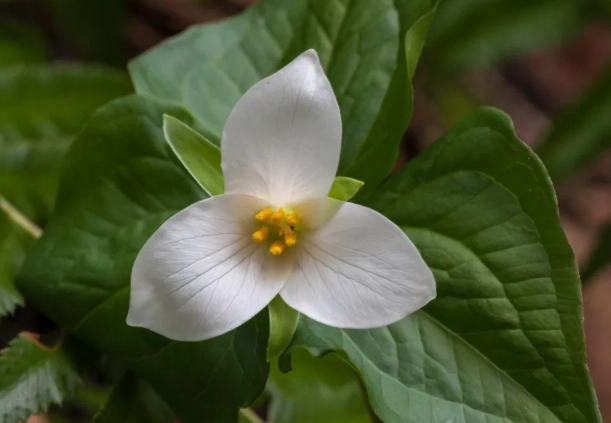
Then I discovered the world of PNW native plants. It wasn't an instant love affair, I'll be honest. At first glance, some of them seemed a bit... wild. Less polished than the hybrids I was used to. But once I planted a few, everything changed. The birds showed up. The bees got busy. And my watering can started collecting dust.
The core idea is simple: Plants that evolved here over thousands of years are perfectly adapted to thrive here. They know our rainy winters, our (sometimes) dry summers, our soil, and our native pollinators on a cellular level. Planting them isn't just gardening; it's rebuilding a piece of the local ecosystem right in your yard.
Why Bother with Pacific Northwest Native Plants?
Okay, so they're adapted. Big deal. Why should you, a busy person, care? Let's break it down without the fluffy environmental jargon.
First, let's talk time and money. How many weekends have you spent babying a thirsty lawn or resuscitating fried annuals? PNW native flora, once established, asks for very little. I'm not saying zero maintenance – nothing alive is zero maintenance – but it's a fraction of the work. You're trading constant watering, fertilizing, and coddling for occasional pruning and the pure joy of observation. The Oregon State University Extension Service has tons of data backing up the reduced resource needs of native plant landscapes.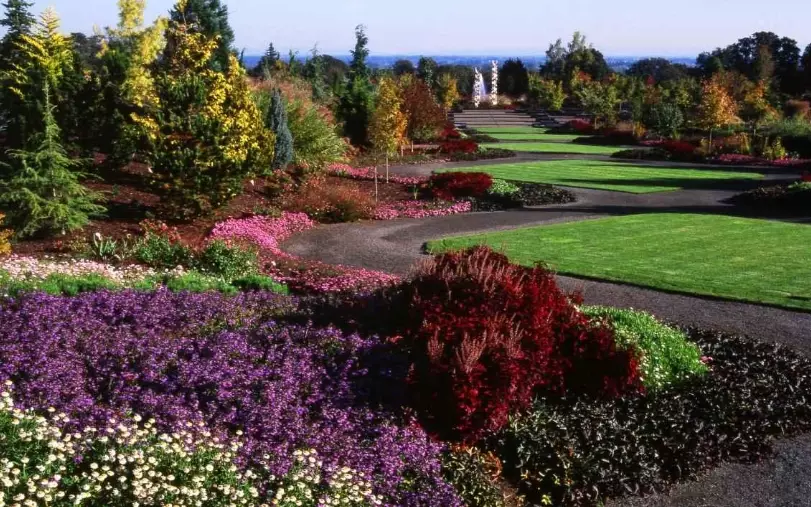
Then there's the wildlife. This is the part that truly hooked me. My garden used to be quiet. Now, it's a hub. A patch of native Oregon grape (Mahonia aquifolium) isn't just an evergreen shrub; it's a winter buffet for birds when nothing else is in fruit. A willow (Salix spp.) is a caterpillar nursery for butterflies. You're not just planting a plant; you're adding a link to a food web. The Washington Department of Fish and Wildlife has great programs on this, calling it "Habitat at Home." It feels good to be part of that.
Water is becoming a bigger deal every summer. Using plants that are drought-tolerant after establishment isn't just eco-conscious; it's financially smart and a responsible choice for the community. Deep roots, waxy leaves, the whole package – they're built for our seasonal dry spells.
And can we talk about beauty? There's a misconception that native means boring or weedy. Have you seen the electric blue of a sea thrift (Armeria maritima) against the grey shoreline rocks? Or the architectural punch of a sword fern (Polystichum munitum) in a shady corner? The beauty is often more subtle, more textured, and changes wonderfully with the seasons.
Top PNW Native Plants You Can't Go Wrong With
Alright, enough theory. Let's get to the good stuff – the plants themselves. This isn't an exhaustive list (that would be a book), but these are the workhorses, the crowd-pleasers, the ones I and countless other gardeners have found to be utterly reliable. Think of them as the foundation of your native plant palette.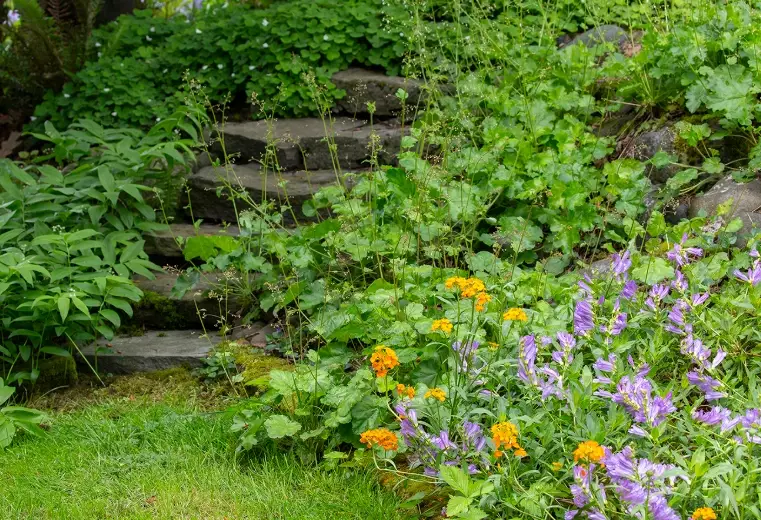
For Show-Stopping Flowers & Seasonal Interest
If you think natives can't compete on color, these will change your mind.
- Red-Flowering Currant (Ribes sanguineum): This is a must-have. In early spring, when everything is still sleepy, it erupts in dangling clusters of pink to deep rose flowers. Hummingbirds lose their minds for it. It's a large shrub, so give it space. The variety 'King Edward VII' has especially vibrant red flowers.
- Pacific Rhododendron (Rhododendron macrophyllum): Our state flower in Washington. A broadleaf evergreen with stunning pinkish-purple flower clusters in late spring. It wants acidic soil and some shade, especially in the afternoon. A mature one in bloom is a breathtaking sight.
- Oregon Sunshine / Woolly Sunflower (Eriophyllum lanatum): A cheerful, low-growing perennial with silvery foliage and bright yellow, daisy-like flowers all summer long. It's a sun-worshipper and fantastic for hot, dry slopes. Pollinators cover it.
- Checkerbloom (Sidalcea spp.): Think of a delicate, native hollyhock. Tall spikes of pink or white flowers in summer. Great for adding a vertical element to a meadow or perennial border.
The Backbone Shrubs (Structure & Wildlife Value)
These provide year-round form, screening, and are absolute wildlife magnets.
- Tall Oregon Grape (Mahonia aquifolium): Glossy, holly-like evergreen leaves that turn bronze-purple in winter. Yellow flower clusters in spring followed by edible (but tart!) blue berries. It's tough, tolerates sun or shade, and provides crucial winter cover and food.
- Salal (Gaultheria shallon): The ubiquitous understory shrub of our forests. Glossy evergreen leaves, small pinkish-white flowers, and edible purple berries. It forms a dense, low thicket that's unbeatable for erosion control and groundcover in shade. Florists love the foliage, too.
- Douglas Spirea (Spiraea douglasii): A fast-growing deciduous shrub that forms thickets. Showy, fuzzy pink flower plumes in summer. Fantastic for stabilizing wet areas or stream banks. Butterflies love it.
- Vine Maple (Acer circinatum): Not a vine, but a small, often multi-stemmed tree. Its absolute glory is in the fall, when leaves turn blazing shades of orange and red. Perfect for dappled shade under taller conifers.
Groundcovers & Ferns (The Living Carpet)
To cover soil, suppress weeds, and add lush texture.
- Sword Fern (Polystichum munitum): The classic PNW fern. Arching fronds form a perfect vase shape. Thrives in deep to dappled shade with little care. It just says "Pacific Northwest" like nothing else.
- Kinnikinnick / Bearberry (Arctostaphylos uva-ursi): A prostrate evergreen shrub with small, glossy leaves, pink bell-shaped flowers, and red berries. An excellent, tough groundcover for full sun and poor, dry soil. Spreads slowly to form a mat.
- Wild Ginger (Asarum caudatum): For deep shade. Heart-shaped, glossy leaves hide curious, maroon-brown flowers. Spreads slowly to form a beautiful, dense carpet in moist woodland conditions.
Pro Tip: When looking for pnw native plants for sale, seek out local native plant nurseries or annual sales hosted by organizations like the Washington Native Plant Society or the Native Plant Society of Oregon. The plants are healthier, better adapted, and you're supporting a crucial part of the conservation network. Avoid big box stores for natives – they often mislabel or sell poorly adapted cultivars.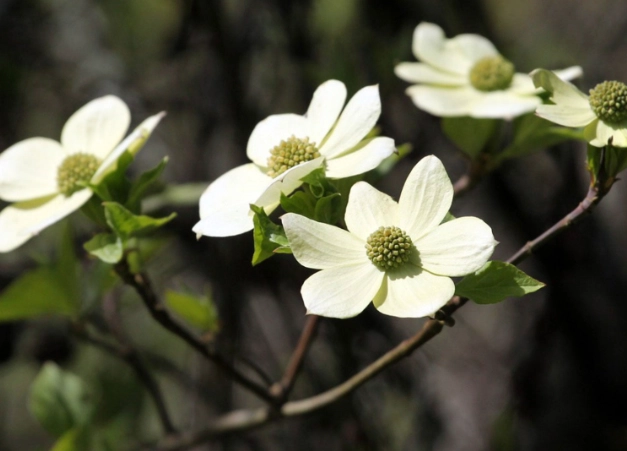
Planning & Planting Your PNW Native Plant Garden
You've got your plant list. Now what? Throwing them in the ground randomly is a recipe for a messy, unhappy garden. A little planning goes a long way.
Step 1: Observe Your Site. This is the most important step. Don't fight your yard.
- Sun: How many hours of direct sun does the area get? Morning sun (east-facing) is gentler than hot afternoon sun (west-facing). Full shade?
- Soil: Is it wet clay that holds water? Fast-draining sand? Our region has huge variation. The quickest test is to dig a hole, fill it with water, and see how long it takes to drain. A day or more means wet soil. An hour means dry.
- Space: How big is the area? Check the mature width of the shrubs you like. I made the mistake of planting a shore pine too close to my house once... let's just say it's now a beloved feature farther out in the yard.
Step 2: Match the Plant to the Place. This is the golden rule. Don't put a sun-loving, drought-tolerant Oregon Sunshine in a soggy, shady corner. It will die, and you'll blame the plant. Conversely, don't put a fern in full sun. Use the table below as a quick-match guide.
| Plant Name | Best Light Conditions | Soil Moisture Needs | Mature Size (Approx.) | Special Value/Notes |
|---|---|---|---|---|
| Red-Flowering Currant | Full Sun to Part Shade | Dry to Medium (once established) | 6-10 ft H & W | Early nectar for hummingbirds |
| Sword Fern | Part Shade to Full Shade | Medium to Moist | 3-4 ft H & W | Evergreen structure for shade |
| Tall Oregon Grape | Sun, Part Shade, Shade | Dry to Medium | 6-8 ft H, 5 ft W | Year-round interest, winter berries |
| Oregon Sunshine | Full Sun | Dry | 1-2 ft H, 2-3 ft W | Excellent for hot, poor slopes |
| Salal | Part Shade to Shade | Medium to Moist | 2-5 ft H, spreading | Superb evergreen groundcover |
| Vine Maple | Part Shade (best fall color) | Medium | 15-25 ft H, often wider | Spectacular fall color, understory tree |
Step 3: Plant Properly. Fall is the absolute best time to plant PNW natives. The soil is still warm, the rains are coming, and it gives roots all winter to establish before the summer stress. Spring is second best.
- Dig a hole twice as wide as the root ball, but no deeper. You want the top of the root ball level with the surrounding soil. Planting too deep is a common killer.
- Roughen the sides of the hole. If the roots are pot-bound (circling tightly), gently tease them apart or make a few vertical cuts.
- Place the plant, backfill with the native soil you dug out. Don't amend the backfill soil with compost for most natives – you want the roots to get used to the native soil, not stay in a rich pocket. This encourages them to spread out.
- Water deeply to settle the soil. Create a slight basin around the plant to hold water.
The Big Mistake: The number one cause of death for newly planted Pacific Northwest native plants is improper watering. Not too little, but too much. People see "drought tolerant" and think they never need water. In their first year or two, they absolutely do need regular water to establish those deep roots. The rule is: water deeply and infrequently, allowing the soil to dry out a bit between waterings. After year 2 or 3, you can largely leave them to the rain, except in extreme drought.
Care, Maintenance, and Realistic Expectations
Low maintenance doesn't mean no maintenance. Here's what you're signing up for.
Watering: As above, the first few years are critical. A soaker hose or drip system on a timer is your best friend. Once established, most will only need supplemental water during a prolonged summer drought (4+ weeks with no rain).
Mulching: A 2-3 inch layer of coarse wood chips (like arborist chips) is magic. It suppresses weeds, retains soil moisture, and slowly breaks down to feed the soil. Keep it a few inches away from plant stems to prevent rot.
Pruning: The goal is to work with the plant's natural shape, not force it into a meatball. For shrubs like red-flowering currant or Oregon grape, prune right after flowering if needed. You're mainly removing dead, diseased, or crossing branches, or controlling size. Many natives look best with a light, naturalistic hand.
Fertilizing: Generally, don't. Native plants are adapted to our often nutrient-poor soils. Fertilizing, especially with high-nitrogen fertilizers, can cause weak, leggy growth that flops over and attracts pests. If you must, a light top-dressing of compost in spring is plenty.
Weeding: You'll have fewer weeds with a dense planting and mulch, but some will always get through. The key is to get them when they're small. Hand-pulling is most effective. Avoid herbicides if possible, as they can damage the soil life your natives depend on.
Answering Your Big Questions About PNW Native Plants
- Botanical Gardens: The Pacific Northwest Garden at the UW Botanic Gardens in Seattle is a masterclass. The Leach Garden in Portland also has great native sections.
- Restoration Sites & Nature Parks: Many local parks and land trusts have restoration areas showing natives in a more naturalistic setting. It helps you visualize how they grow together.
- Local Native Plant Society Tours: Both the Washington and Oregon Native Plant Societies host annual garden tours of member gardens. This is the best way to see real-life, manageable-scale examples. Check their websites for events.
Getting Started: Your Action Plan
Feeling overwhelmed? Don't be. Start small.
Year 1: Pick one problem area. A dry, sunny strip by the driveway? A shady, boring corner under a tree? Choose 3-5 plants from the lists above that match that spot perfectly. Plant them in the fall. Mulch well. Focus on keeping just that area alive and happy.
See how it goes.
Year 2: Expand. Tackle another area. Maybe add some native grasses or perennials to fill in between your first shrubs. You'll have more confidence now.
Year 3+: You'll start to see the balance shift. Weeding becomes easier. Wildlife becomes more constant. You'll spend less time working and more time watching. You might even start propagating plants from cuttings or seed to fill in gaps or share with neighbors.
The journey to a garden filled with PNW native plants is a gradual one. It's not an overnight makeover. There will be setbacks – a plant that doesn't take, a winter that's too wet. But the overall trend is toward resilience, beauty, and a deep sense of connection to this incredible place we call home in the Pacific Northwest.
Your garden can be more than just decoration. It can be a refuge, a habitat, and a statement of care for the local environment. And honestly, it can just be a lot less work and a lot more interesting. What have you got to lose, besides a thirsty lawn and a lot of weekend chores?