Your Salvia Roadmap
- Making Sense of the Salvia Family Tree: A Gardener's Classification
- Choosing Your Champion: A Salvia Selection Table for Common Garden Goals
- Beyond the Basics: Planting and Keeping Your Salvias Happy
- Answering Your Salvia Questions (The Stuff You Actually Google)
- Designing with Salvias: From Thoughtful Clumps to Drifts of Color
Let's be honest. When you hear "salvia," you might just think of that one purple flower your neighbor has, or maybe the culinary sage in your kitchen. But let me tell you, the world of types of salvias is so much bigger and more fascinating than that. It's a rabbit hole I happily fell down years ago, and my garden has been a riot of color and buzzing with life ever since.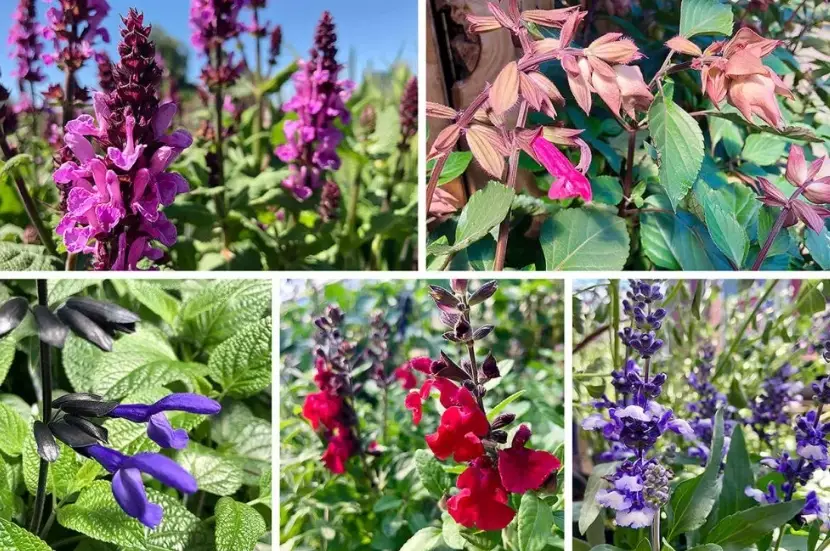
I remember buying my first Salvia nemorosa on a whim because it was cheap and looked hardy. Little did I know that single plant would open the door to hundreds of cousins, each with its own personality. Some are tough as nails, surviving brutal winters. Others are flamboyant tropical divas that need coddling. Some sprawl, some stand tall and proud, and some even smell like fruit.
The trick isn't knowing every single species—that's a job for botanists. The trick is knowing which ones will work for you.
And that's what this guide is for. We're going to cut through the confusion and break down the main types of salvias in a way that actually helps you make decisions for your own patch of earth. Forget dry, textbook lists. Think of this as a friendly chat over the garden fence.
Making Sense of the Salvia Family Tree: A Gardener's Classification
Botanists have their own way of classifying plants, but for us digging in the dirt, a more practical system works better. The most useful way to think about salvia varieties is by their life cycle and hardiness. This tells you instantly how much commitment you're in for and whether they'll survive your winters.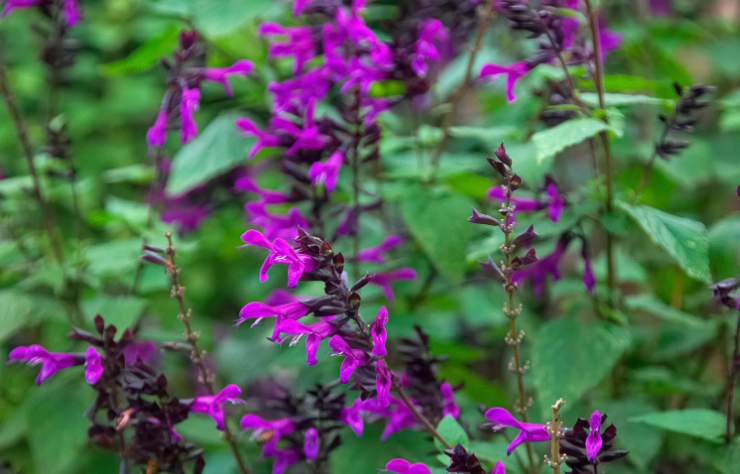
The Tough Crowd: Hardy Herbaceous Perennial Salvias
These are the backbone plants for temperate gardens. They die back to the ground in winter and reliably pop up again each spring. If you want low-maintenance, long-lasting color, start here.
Salvia nemorosa and its hybrids (like 'May Night' or 'Caradonna') are the undisputed champions. Spikes of violet-blue, purple, or pink flowers from early summer right into fall if you deadhead them. They form neat clumps, are ignored by deer and rabbits (mostly), and ask for little more than full sun and decent drainage. I've had a clump of 'Caradonna' for eight years, and it's never once complained.
Salvia sylvestris (Woodland Sage) is very similar and often grouped with nemorosa. Think 'Mainacht' ('May Night') – a classic for a reason.
Salvia x sylvestris cultivars are where the fun really starts. Breeders have created a rainbow. 'Rose Queen' offers soft pink spikes, 'Snow Hill' is a clean white, and 'Blue Hill' is a true sky blue. They're all tough as old boots.
Then you have the larger, more architectural types. Salvia forsskaolii has stunning white and purple bicolored flowers on huge, willowy stems. It makes a statement. Salvia verticillata 'Purple Rain' is different—it has whorls of smoky lavender flowers on branching stems, creating a soft, haze-like effect. It's fantastic for softening hard edges.
The Woody Bunch: Shrubby and Sub-Shrub Salvias
These salvias develop a persistent, woody framework. They might die back a bit in cold winters but regrow from that woody base. They often have a longer season of interest.
The king here is Salvia officinalis – Common Sage. Yes, the culinary herb! But don't underestimate it as an ornamental. The gray-green, textured leaves are beautiful year-round, and there are gorgeous cultivars like 'Tricolor' (green, white, and pink) or 'Purpurascens' (deep purple). They need excellent drainage, or they'll rot in winter.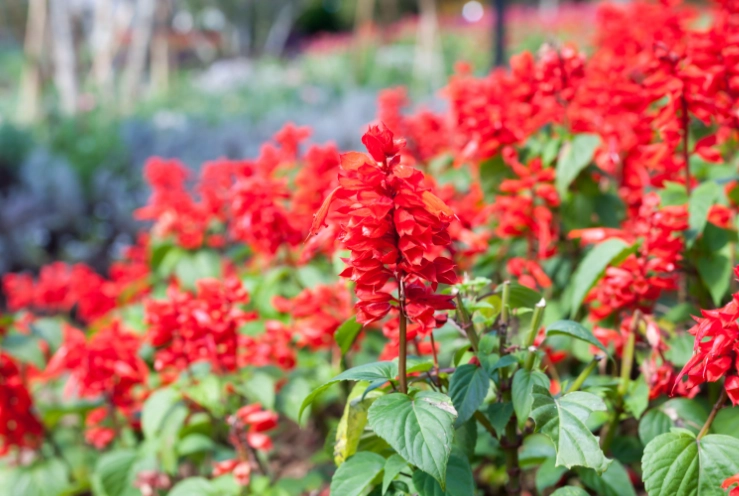
Salvia greggii (Autumn Sage) and Salvia microphylla (Graham's Sage) are stars of the hot, dry garden. Native to the southwestern US and Mexico, they produce a constant cloud of small, vibrant flowers from spring until frost in reds, pinks, corals, and whites. They're heat-loving, drought-tolerant once established, and hummingbird magnets. 'Hot Lips' (a microphylla hybrid) is famous for its red-and-white bicolor flowers.
Salvia leucantha (Mexican Bush Sage) is pure late-season drama. Velvety purple and white flower spikes appear in late summer and fall atop gray-felted foliage. It's a big, sprawling plant that adds fantastic texture. Tender in colder zones but fast-growing, so often treated as an annual.
The Annual & Tender Showstoppers
These are the divas. They provide incredible, non-stop color from planting until frost but won't survive a freeze. Worth it for the sheer performance.
Salvia splendens (Scarlet Sage) is the classic red bedding plant you see in park displays. It's been bred into a compact, color-saturated workhorse. Frankly, the straight scarlet can be a bit harsh for my taste, but the newer varieties in softer salmons, purples, and whites are lovely.
Salvia farinacea (Mealycup Sage) is my personal favorite among the tender types. 'Victoria Blue' is iconic for a reason—its spikes of true, deep blue flowers look good from June to November. It's heat-tolerant, rarely needs deadheading, and that color is just hard to find in the garden. 'Evolution' is a newer, more vigorous series.
Salvia coccinea (Texas Sage) is more of a loose, branching plant with spaced-out scarlet red flowers. It has a wilder, cottage-garden feel and often self-seeds in warmer climates.
For something truly exotic, look for Salvia discolor (Andean Silver Leaf Sage). Black stems, silver leaves, and almost black flowers. It's a conversation starter but needs a long, warm season to perform.
Choosing Your Champion: A Salvia Selection Table for Common Garden Goals
Okay, so we've met the players. But which one do you pick? This table matches specific garden needs with some of the best types of salvias for the job. It's the cheat sheet I wish I'd had when I started.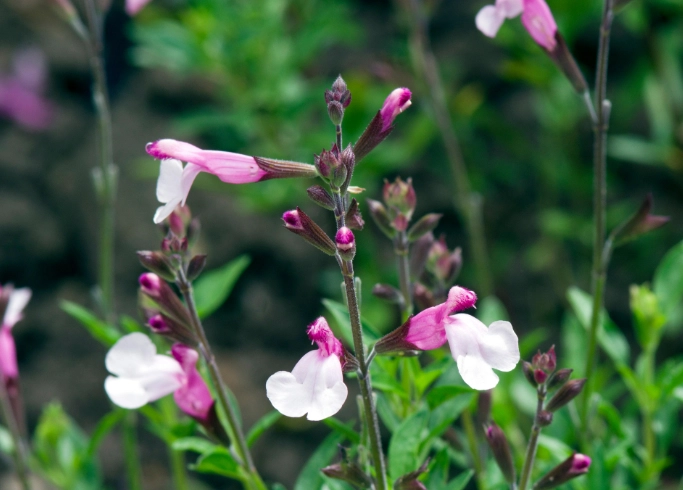
| Your Garden Goal or Condition | Top Salvia Picks | Why It Works & Key Notes |
|---|---|---|
| Full Sun, Poor/Dry Soil | Salvia greggii, S. microphylla, S. nemorosa, S. officinalis | These are drought champions once established. They thrive on neglect and good drainage. Over-rich soil or too much water can make them leggy or short-lived. |
| Pollinator Paradise (Bees, Hummers, Butterflies) | Salvia guaranitica, S. greggii, S. nemorosa, S. farinacea | Nectar-rich flowers with the perfect shape for long-tongued pollinators. You'll hear constant buzzing. The Royal Horticultural Society's Plants for Pollinators list includes many salvias. |
| Cut Flower Garden | Salvia nemorosa, S. farinacea 'Victoria', S. leucantha | Long, strong stems and spikes that last well in a vase. S. leucantha's velvety spikes are particularly stunning in autumn arrangements. |
| Shady Spots (Partial Shade) | Salvia uliginosa, S. koyamae, S. glutinosa | A rarer group! These woodland-edge types tolerate or even prefer some shade and moister soil. S. uliginosa (Bog Sage) has beautiful sky-blue flowers. |
| Container & Pot Displays | Salvia farinacea, S. greggii, S. splendens (dwarf), S. officinalis (culinary) | Good root tolerance, long blooming, and often a manageable size. Mix with trailing plants for a thriller-spiller-filler combo. |
| Deer & Rabbit Resistance | Almost all Salvias | The aromatic foliage is usually unpalatable to browsing animals. This is a huge plus for many gardeners. A resource like the Rutgers University deer-resistant plant list confirms their status. |
See? It's not so hard when you break it down by what you actually need the plant to do.
Beyond the Basics: Planting and Keeping Your Salvias Happy
You've picked your plant. Now what? Most salvias share some core needs, with a few critical exceptions.
Sun: Almost universally, they want sun. Full sun. Six hours minimum for best flowering and compact growth. Those few shade-tolerant ones are the exception that proves the rule.
Soil: This is the big one. Drainage, drainage, drainage. Salvias hate wet feet, especially in winter. Heavy clay soil is their nemesis. If you have clay, you must amend it generously with compost, grit, or sharp sand, or better yet, plant them in a raised bed. I lost several beautiful plants before I learned this lesson.
Water: Water deeply to get them established in their first season. After that, most are remarkably drought-tolerant. It's always better to underwater than overwater a salvia. The leaves might wilt on a scorching afternoon, but they'll bounce back by evening. Constant soggy soil leads to root rot.
Pruning and Deadheading: For perennial types like S. nemorosa, shear the whole plant back by about half after the first big flush of flowering. This encourages a tidy re-bloom. In late winter or early spring, cut all the old dead stems down to the ground. For shrubby types like S. greggii, a light shaping in early spring is all they need.
Answering Your Salvia Questions (The Stuff You Actually Google)
None, really. "Salvia" is the Latin genus name. "Sage" is the common English name. All sages are salvias. Culinary sage is Salvia officinalis. When people say "salvia" in gardening, they're usually referring to the ornamental types, not the herb. But botanically, it's all the same club.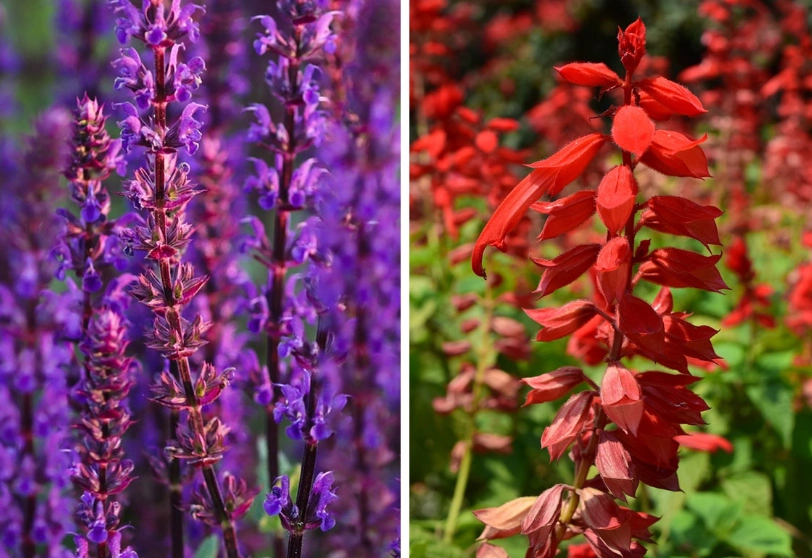
This depends entirely on your USDA Hardiness Zone. The hardy herbaceous perennials (S. nemorosa, S. sylvestris) will come back in zones 4-8. Shrubby types like S. greggii are perennial in zones 7-9. You need to match the plant's hardiness to your zone. A local nursery is your best bet for plants suited to your area.
Most form well-behaved clumps that get slowly wider over the years. They are not invasive runners like mint (another mint family trait they wisely avoided). Some, like S. nemorosa, might self-seed a little, but the seedlings are easy to pull or move. S. uliginosa (Bog Sage) can spread more vigorously by rhizomes in moist soil, so give it space.
Usually one of three reasons: 1) Too much shade – stems stretch weakly for light. 2) Soil too rich/too much fertilizer – promotes soft, lush growth that can't support itself. 3) Needs pruning – after flowering, the stems can get tired. Give it a haircut. For tall varieties, staking early in the season can help.
They are fantastic team players. Their spiky form contrasts beautifully with daisy shapes (Echinacea, Rudbeckia), fluffy plumes (Grasses like Panicum or Stipa), and rounded mounds (Nepeta, Geranium). For color combos, try purple salvias with yellow coreopsis, or hot red S. greggii with orange Kniphofia. The Missouri Botanical Garden's plant finder is a great tool for imagining combinations.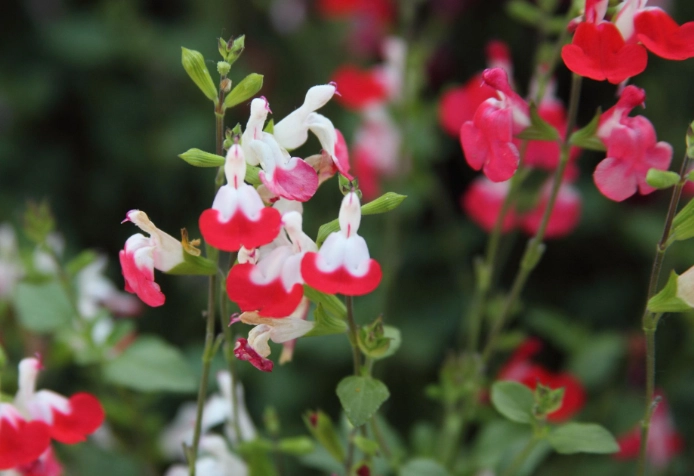
Designing with Salvias: From Thoughtful Clumps to Drifts of Color
This is where it gets fun. Salvias aren't just individual plants; they're design elements.
For maximum impact, plant in groups of at least three or five of the same variety. A single spike gets lost. A drift of 'Caradonna' creates a river of purple. Use taller types like S. guaranitica as mid-border anchors. The medium-sized nemorosa varieties are perfect mid-border fillers. Low, shrubby greggii types are excellent at the front of a sunny border.
Think about bloom time. Pair early-summer blooming S. nemorosa with later-blooming perennials so something is always happening. The architectural seed heads of many salvias also add winter interest if you leave them standing.
Don't be afraid to mix different types of salvias together. A bed with the blue of S. farinacea, the wine-red of S. nemorosa 'Marcus', and the soft lavender of S. verticillata 'Purple Rain' is a masterclass in texture and tone, all while being incredibly easy to care for.
That's the real magic of salvias.
They offer this incredible combination of sheer beauty, rugged reliability, and ecological benefit. Whether you have a tiny patio pot or a sprawling border, there's a salvia that's perfect for your space. You just have to know where to look in this wonderfully diverse family. Start with one of the tough perennials. Get to know it. I bet you'll be back for more, just like I was. The journey through all the different types of salvias is one of the most rewarding a gardener can take.