Guide at a Glance
Let's be honest, when you hear "elderberry," you probably think of the common black elderberry (Sambucus nigra) that's all over the health food scene. Its syrup is in every pharmacy. But there's another player, often overlooked and in my opinion, sometimes more interesting for gardeners, especially in certain parts of the country. I'm talking about Sambucus cerulea, the blue elderberry. I stumbled upon it a few years back while looking for native plants that wouldn't demand a sprinkler system's worth of water, and it's been a fascinating, if not always perfectly tidy, addition to my space.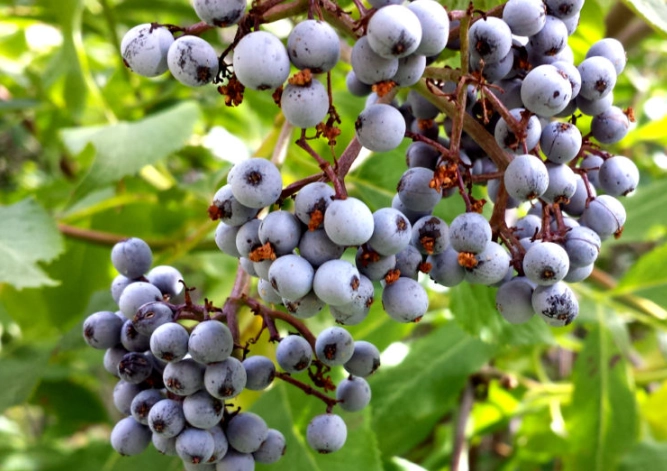
This shrub (or sometimes small tree) has a different vibe. It's not the cultivated, high-berry-yield darling of the commercial world. It's more rugged, more of a Western native, and it brings a whole set of benefits that go beyond just the fruit. If you're tired of finicky plants or you're trying to build a landscape that actually supports local ecology, Sambucus cerulea deserves a long, hard look. It's not without its quirks, though. The berries are coated in a weird pale powder, and the birds might beat you to them. But we'll get to all that.
So, what's the deal with this plant? Is it just a wild cousin, or does it have its own unique value? I've spent a good few seasons with mine, made some mistakes, had some successes, and talked to other growers. This guide is my attempt to lay it all out for you, without the fluff and without pretending it's a miracle plant. It's just a really good, solid, useful native species that more people should know about.
Getting to Know the Blue Elderberry: More Than Just a Name
First things first, let's make sure we're talking about the same plant. Sambucus cerulea goes by a few names: blue elderberry, blue elder, and sometimes even Mexican elderberry. It's primarily a native of the western parts of North America. You'll find it ranging from British Columbia all the way down through California and into parts of the Southwest and Mexico. It likes it a bit drier than its European cousin.
How do you spot it? Mature Sambucus cerulea can look quite different from a young one. Young plants are often upright and shrubby. But give it time. An old one can develop into a proper multi-trunked small tree, reaching 15, even 20 feet tall. The bark on mature stems becomes this fantastic, corky, gray-brown texture that adds winter interest.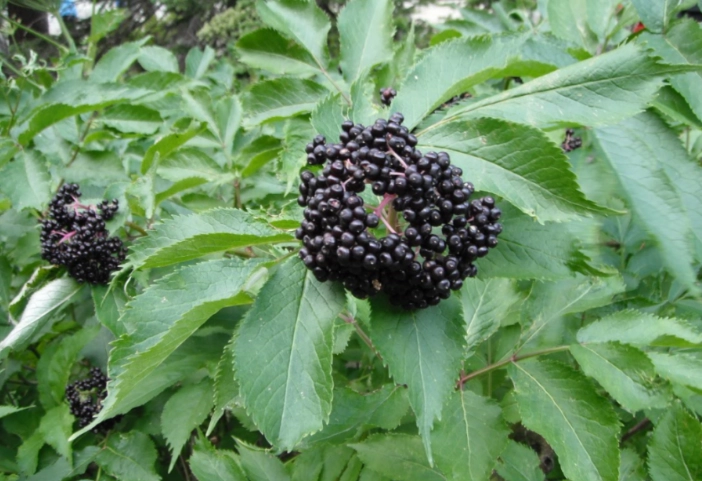
The leaves are pinnately compound, which is a fancy way of saying they have a central stem with leaflets arranged on either side, like a feather. They're bright green and have a sort of... pungent smell when crushed. Not unpleasant, just very distinct. It's one way to help identify it.
Now, the flowers. In late spring to early summer, it puts out these massive, flat-topped clusters of tiny, creamy-white flowers. They're called cymes, and they can be nearly a foot across. They're absolute magnets for pollinators. I mean, the buzzing is incredible. Every kind of bee, butterfly, and beneficial fly you can imagine will visit. If you're into supporting pollinators, this is a top-tier plant just for the blooms alone.
Then comes the main event: the berries. This is where Sambucus cerulea gets its "blue" name. The fruit clusters are heavy and drooping. Each individual berry is a deep, dusky blue-black, but here's the signature characteristic—it's almost always covered in a thick, pale blue-white, waxy coating called a "bloom." It makes the whole cluster look powder-blue from a distance. It's nature's anti-stick coating and sunblock, and it's the easiest way to tell it apart from the common elderberry, which has glossy black berries.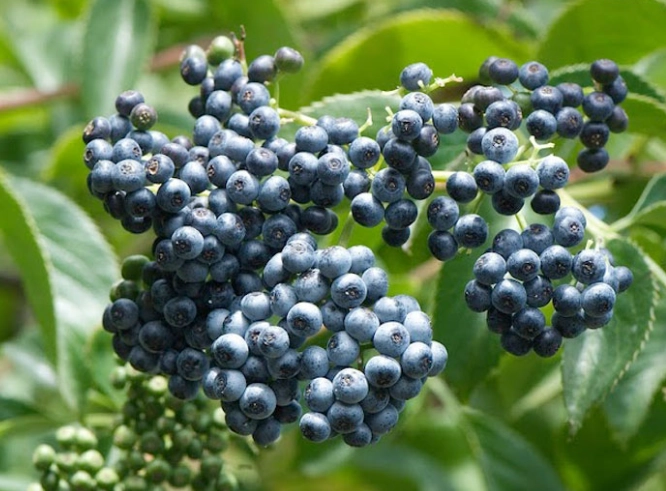
Sambucus Cerulea vs. Other Elderberries: What's the Difference?
This is a common question. If you're going to plant one, you should know what you're getting. The most common elderberry you'll find at nurseries is the European black elderberry (Sambucus nigra) or its cultivars like 'Haschberg' or 'Black Lace.' Then there's the American black elderberry (Sambucus canadensis), common in the East. So how does our blue guy stack up?
| Feature | Sambucus cerulea (Blue Elderberry) | Sambucus nigra/canadensis (Black Elderberry) |
|---|---|---|
| Native Range | Western North America | Europe (nigra) / Eastern N.A. (canadensis) |
| Berry Color & Coating | Dusky blue-black with a thick white bloom | Glossy, deep purple-black, no pronounced bloom |
| Growth Habit | Often becomes a large shrub or small tree (15-20 ft) | Typically a large, suckering shrub (6-12 ft) |
| Drought Tolerance | High. Once established, needs very little water. | Moderate. Prefers consistent moisture. |
| Preferred Climate | Adapted to drier summers, Mediterranean climates. | Tolerates more humidity and consistent rainfall. |
| Common Use | Landscaping, wildlife habitat, traditional foraging. | Commercial syrup production, intensive berry farming. |
My personal take? The commercial cultivars of black elderberry are often bred for bigger, juicier berry clusters. They're the workhorses. Sambucus cerulea feels more like a landscape plant that happens to produce useful fruit. It's tougher, more architectural, and asks less of you in terms of water. The berries are perfectly usable, but the yield might be a bit more variable depending on rainfall. If you live in the West and want a low-input plant, the blue elderberry is a no-brainer. If you're in the humid East and want maximum berry production for jam, a cultivated black elderberry might be a better fit.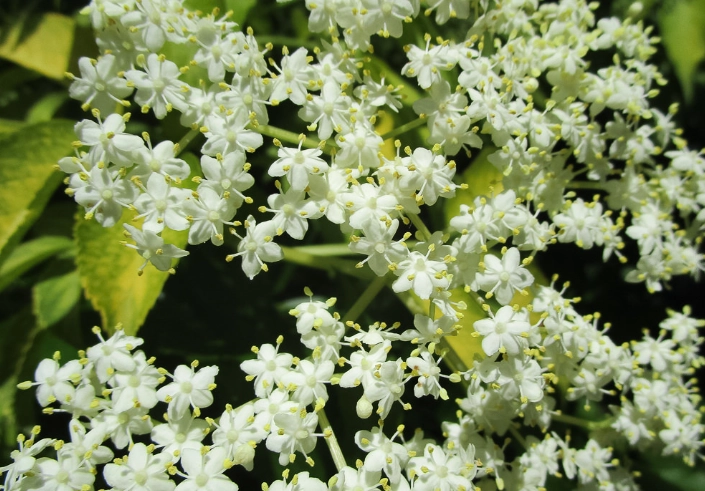
Why Bother Growing It? The Real Benefits
Okay, so it's pretty and native. Big deal. Why should you actually give it garden space? The reasons stack up pretty quickly, and some of them might surprise you.
First, the ecological value is off the charts. This is a keystone species in many Western habitats. The flowers feed a huge array of pollinators. The berries are a crucial late-summer food source for birds. I'm talking robins, finches, waxwings, you name it. The thicket-like growth provides nesting sites and shelter. Planting a Sambucus cerulea is like opening a 24/7 diner and hotel for local wildlife. If you enjoy birdwatching, this plant will bring them to you.
Second, it's ridiculously tough once it settles in. We're talking serious drought tolerance. After the first year or two of establishment, you can pretty much leave it to the rain in many climates. I've seen them thriving on hillsides where nothing else is green by August. For anyone dealing with water restrictions or just wanting to lower their garden's thirst, this is a major selling point. It also handles a wide range of soils, from clay to sandy loam, as long as it drains reasonably well.
Third, it's fast-growing. You get a big impact relatively quickly. Need a screen or a windbreak? Sambucus cerulea can shoot up several feet in a season. It's great for erosion control on slopes because of its extensive root system.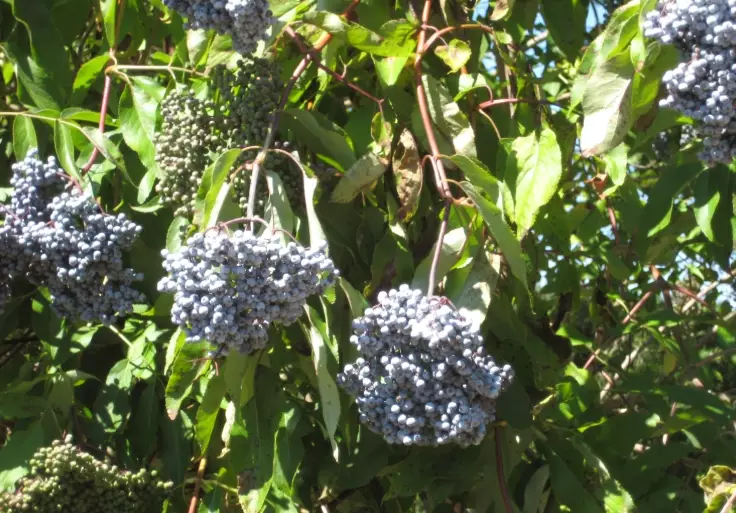
And of course, there are the human uses. The berries are edible when cooked (more on safety in a bit). They can be used in all the same ways as black elderberries: syrups, jams, pies, and wine. Some foragers and traditional users claim the flavor of Sambucus cerulea berries is slightly different—maybe a tad less intense, but that's subjective. The flowers can also be used to make cordials or fritters, just like other elderflowers.
I'll be straight with you—the berry harvest can be a race against the birds. They love them as much as we do. If you're growing it primarily for a big harvest, you might need to net the clusters. I usually just take what I need and let the birds have the rest, considering it my "bird tax" for all the pest control they provide in my garden.
How to Grow and Not Kill Your Blue Elderberry
Alright, you're convinced. Let's talk about getting one in the ground and keeping it happy. It's not hard, but there are a few key things to get right from the start.
Finding the Perfect Spot
Sambucus cerulea is a sun worshipper. It will produce the most flowers and berries in full sun. It can tolerate partial shade, but you'll get lankier growth and fewer blooms. Think of a spot that gets at least 6 hours of direct sun.
It's not super picky about soil, but it hates having wet feet. "Well-drained" is the mantra. If you have heavy clay, consider planting it on a mound or berm to improve drainage. It can handle poor, rocky soil better than rich, soggy soil.
Give it space! Remember, this can become a small tree. Don't cram it next to your house or under power lines. Give it at least 6-8 feet from structures and other large plants. You can prune it to be a large shrub, but it will want to spread.
The Planting Process
1. Dig a hole that's as deep as the root ball but two to three times as wide. Loosening the soil in a wide area helps the roots spread easily. 2. Place the plant so the top of the root ball is level with or slightly above the surrounding soil grade. Planting too deep is a common cause of failure. 3. Backfill with the native soil you dug out. Don't amend it with a ton of compost or potting mix. You want the roots to get used to the native conditions from day one. A little compost mixed in is fine, but don't make a "bathtub" of rich soil in a poor one. 4. Water it in deeply to settle the soil and eliminate air pockets. 5. Mulch around the base with 2-3 inches of wood chips or other organic mulch. Keep the mulch a few inches away from the trunk itself to prevent rot.
The Care Schedule: Less is More
Watering: This is the most critical phase. For the first year, water it regularly to help it establish a deep root system. Think deep, infrequent soakings rather than daily sprinkles. After that, you can dramatically reduce watering. In many climates, established plants survive on rainfall alone. If you get a severe, prolonged drought, a deep drink every few weeks will keep it from getting too stressed.
Feeding: Honestly, I don't fertilize mine. At all. They grow in terrible soil on the side of the highway. If your soil is exceptionally poor, a light application of a balanced, slow-release fertilizer in early spring won't hurt. But over-fertilizing leads to weak, soft growth that flops over and attracts aphids.
Pruning: This is where people get nervous. It's simple, really. Sambucus cerulea flowers and fruits on wood that grew the previous year. The best time to prune is in late winter when the plant is dormant, right before new growth starts. What to cut? - Any dead, damaged, or diseased branches. - The oldest, thickest canes (more than about 3-4 years old) to make room for new, vigorous growth from the base. This keeps the plant productive and rejuvenated. - Any suckers sprouting up far from where you want the main plant. - To control size, you can cut back selected branches by up to a third. You can be pretty aggressive. It bounces back fast. If you never prune it, it will just get bigger and woodier, and the berry production might move to the outer edges of the canopy.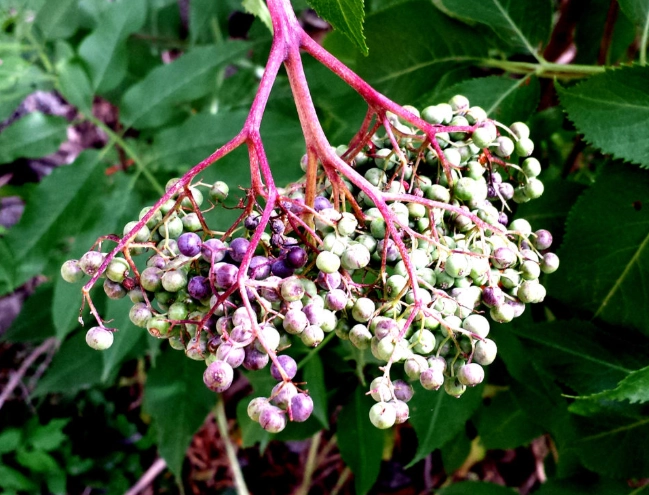
Harvesting and Using Your Blue Elderberry Bounty
This is the fun part. The berries of Sambucus cerulea ripen in mid to late summer, usually July through September depending on your location. You'll know they're ready when the entire cluster is a uniform dusky blue and the individual berries are plump. The white bloom will be very apparent. Give a cluster a gentle tug; ripe ones will come off easily.
Cut off the entire berry cluster (cyme) with pruning shears or scissors. I like to drop them right into a wide, shallow basket or tray.
Now, processing. You need to remove the berries from the tiny stems. The main big stem is easy to avoid, but each berry is attached by a little green stem. You don't want to eat those. The classic method is to use a fork to gently comb the berries off the cluster. They usually pop right off. Some people freeze the clusters first; the frozen berries snap off more cleanly. It's a bit tedious, but it's a peaceful, meditative kind of kitchen task.
Remember: Cook them! I can't stress this enough. Cooking neutralizes the potentially harmful compounds. Simmering the berries for at least 15-20 minutes is standard practice before using them in any recipe or straining them for juice.
What Can You Actually Make?
The possibilities are similar to any elderberry. Here are the top uses I've tried or seen others swear by:
- Syrup: The classic. Simmer berries with water, strain, mix the juice with honey and maybe some spices like ginger and cinnamon. It's a popular home remedy for winter wellness, though I'm not making any medical claims here. It tastes great on pancakes, too.
- Jam or Jelly: The natural pectin in the berries makes a wonderful, deep-colored preserve. The flavor is rich and tangy.
- Wine: A traditional use. The flavor makes for a complex, dry country wine.
- Pies and Desserts: Cooked elderberry filling is fantastic mixed with apples or on its own.
- Flower Cordial: Don't forget the flowers in spring! Steep the fresh flower heads in a sugar syrup with lemon for a delightful, fragrant summer drink.
The berries also dry well for later use. You can find more detailed, tested recipes from reliable sources like university extension services. For example, the Oregon State University Extension has fantastic food preservation resources, and the USDA Plants Database profile for Sambucus cerulea is the authoritative source for its botanical and range information.
Answers to the Questions You're Probably Asking
The Final Verdict on Sambucus Cerulea
Look, gardening is about choices. If your goal is a manicured, formal garden where every leaf is in place, Sambucus cerulea might be too wild for you. It gets big, it can get leggy at the bottom if not pruned, the birds make a mess, and it drops leaves and berries. It's a living thing, not a sculpture.
But if you want a garden that feels alive, that supports bees and birds, that asks for almost nothing in return once it's settled, and that gives you a unique, foraged harvest, then this plant is a superstar. It has character. The winter silhouette against the sky, the explosion of pollinator-friendly flowers, the dusty blue berries—it all adds up to more than the sum of its parts.
My advice? If you live within its native or adapted range, find a spot with full sun and decent drainage, and give it a try. Get it through its first year, then mostly ignore it. See what it does. You might just find that this humble blue elderberry becomes one of the most valuable and interesting plants in your landscape. It's certainly earned its place in mine.
And if you're still on the fence, take a hike in the late summer in the western foothills. Look for that tell-tale blue bloom on the berry clusters. Watch the birds flock to it. That's the best advertisement for Sambucus cerulea you'll ever see.