Quick Navigation
- Why Nasturtiums Are Perfect for Pots
- Getting Started: The Essentials for Nasturtiums in Pots
- Care and Maintenance for Thriving Nasturtiums in Pots
- Nasturtium Varieties Best Suited for Pots
- Troubleshooting Common Issues with Nasturtiums in Pots
- Frequently Asked Questions About Nasturtiums in Pots
- Advanced Tips for Expert Gardeners
- Wrapping Up: My Final Thoughts on Nasturtiums in Pots
So, you're thinking about adding some color to your balcony or patio with nasturtiums in pots? Let me tell you, it's one of the best decisions I've made in my gardening journey. I started growing nasturtiums in containers about five years ago, and now I can't imagine my summer without their vibrant flowers and peppery leaves.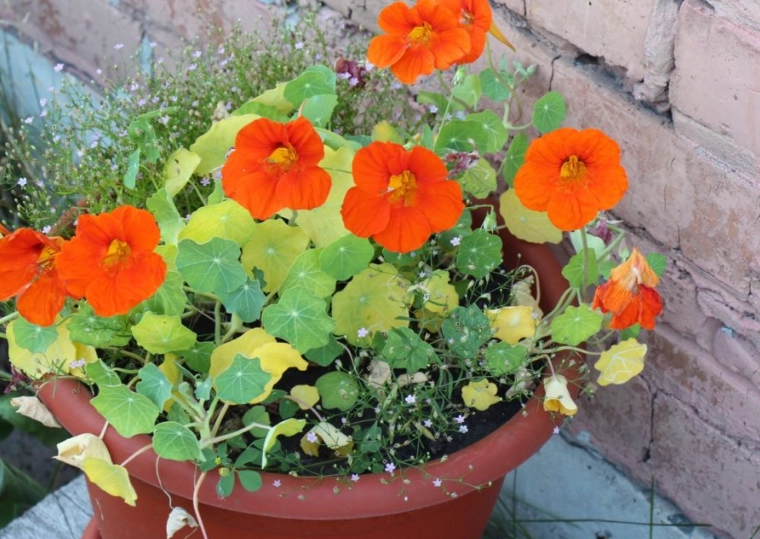
But it wasn't always smooth sailing. I remember my first attempt—I used a pot without drainage holes, and let's just say the plants didn't appreciate it. They turned yellow and droopy within weeks. Lesson learned the hard way!
Over the years, I've experimented with different methods, varieties, and care routines. And honestly, nasturtiums in pots have become my go-to for low-maintenance gardening. They're forgiving, beautiful, and even edible. What's not to love?
Well, there are a few things. Sometimes they can get a bit leggy if you don't prune them, and aphids seem to love them as much as I do. But overall, the pros far outweigh the cons.
In this guide, I'll walk you through everything you need to know about growing nasturtium in pots. From choosing the right container to dealing with pests, I've got you covered. And I'll share some personal blunders along the way—because who learns from perfect stories anyway?
Why Nasturtiums Are Perfect for Pots
You might wonder why bother with nasturtiums in pots when you could plant them in the ground. For me, it's all about flexibility. I live in an apartment with a small balcony, and pots let me move plants around to catch the sun or avoid harsh weather.
Nasturtiums are naturally adaptable. They have shallow roots, which means they don't need deep soil to thrive. This makes them ideal for containers. Plus, growing nasturtium in pots helps control their spread—some varieties can be invasive in garden beds.
Another reason I love nasturtiums in pots is their pest-repellent properties. They can deter aphids and other bugs from nearby plants. I've noticed fewer pests on my herbs since I started growing nasturtiums alongside them.
But let's be real—they're not magic. I've had years where aphids invaded despite the nasturtiums. It's a balance, but generally, they help.
Benefits of Container Gardening with Nasturtiums
Space-saving: If you're short on space like me, pots are a lifesaver. You can grow nasturtiums on windowsills, railings, or even hanging baskets.
Easy mobility: When a storm hits, I just move my pots indoors. No more worrying about damaged plants.
Better soil control: In pots, you can tailor the soil mix exactly to what nasturtiums need. I use a light, well-draining mix, and it makes a huge difference.
Reduced weeding: Fewer weeds in pots compared to garden beds. That's a win in my book—I hate weeding.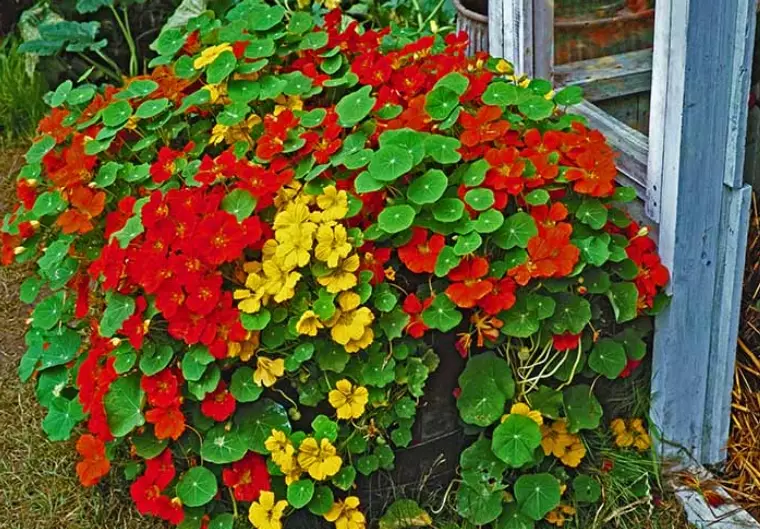
Getting Started: The Essentials for Nasturtiums in Pots
Before you dive in, let's talk basics. Growing nasturtium in pots isn't rocket science, but a few key steps can make or break your success.
I've seen people throw seeds in any old pot and hope for the best. Sometimes it works, but often it leads to disappointment. So, let's do it right.
Choosing the Right Pot
This is where I messed up initially. Not all pots are created equal. For nasturtiums, drainage is non-negotiable. If water sits at the bottom, the roots will rot.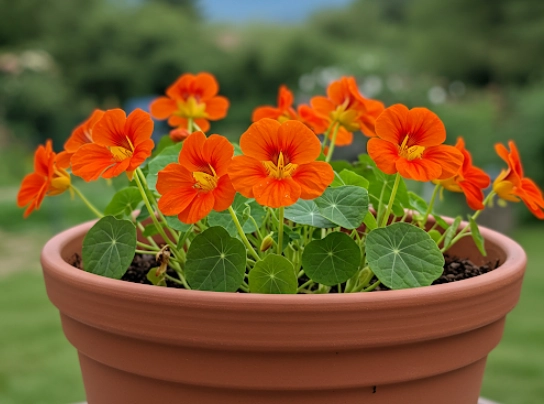
I prefer terracotta or ceramic pots because they're porous and allow soil to breathe. Plastic pots are lighter and cheaper, but they can heat up in the sun and dry out faster. It's a trade-off.
Size matters too. A pot that's too small will cramp the roots, while one that's too large can hold excess moisture. For most nasturtium varieties, a pot that's 12 inches in diameter and 8-10 inches deep works well. For trailing types, go bigger—maybe 16 inches wide.
Make sure your pot has at least one drainage hole. If it doesn't, drill one yourself. I've done it with a simple drill bit—just go slow to avoid cracking the pot.
Soil and Fertilizer Needs
Nasturtiums aren't picky about soil, but they do best in a well-draining mix. I use a standard potting soil mixed with some perlite or sand to improve drainage. Avoid heavy garden soil—it compacts in pots and suffocates roots.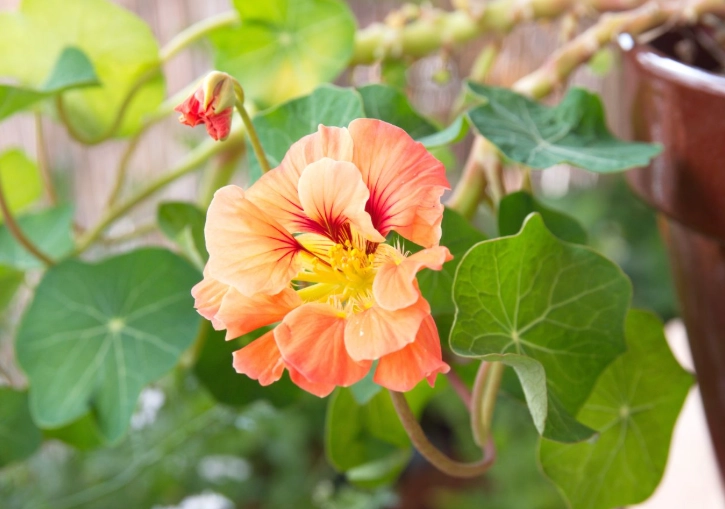
Here's a trick: nasturtiums prefer slightly poor soil. Too much nitrogen, and you'll get lots of leaves but few flowers. I learned this the hard way when I over-fertilized one season. The plants were lush and green, but barely any blooms.
I now use a low-nitrogen fertilizer, like a 5-10-10 blend, or just skip it altogether if the soil is decent. Organic options like compost tea work well too. The Royal Horticultural Society has a great guide on soil mixes for containers—check it out here for more details.
pH-wise, nasturtiums tolerate a range, but neutral to slightly acidic (6.0-7.0) is ideal. You can test your soil with a kit from a garden center. I do this every spring to adjust if needed.
Planting Nasturtium Seeds or Seedlings
You can start nasturtiums from seeds or buy seedlings. I prefer seeds because they're cheaper and give me more control. Plus, nasturtium seeds are large and easy to handle.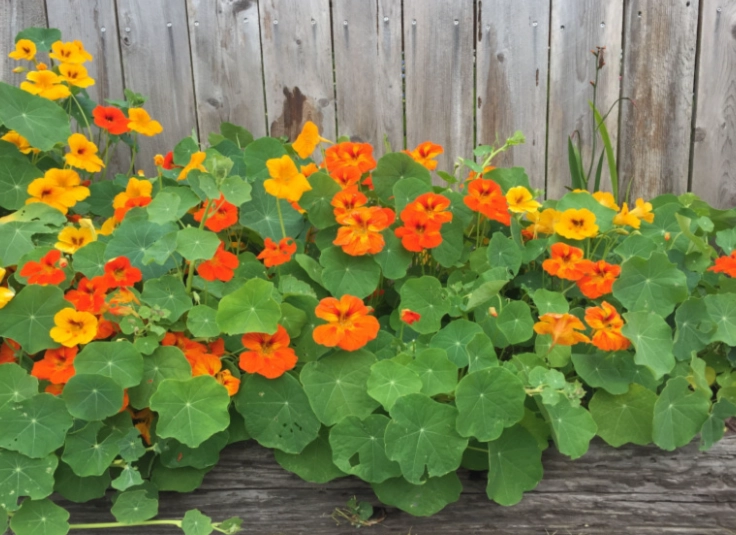
Plant seeds about half an inch deep in the soil. Space them 8-10 inches apart if you're putting multiple in one pot. I usually plant 3-4 seeds per 12-inch pot, then thin out the weakest ones later.
If you're using seedlings, transplant them gently to avoid root shock. Water them in well after planting.
Timing is key. Plant after the last frost in spring. In warmer climates, you can plant in fall for winter blooms. I'm in a temperate zone, so I plant in late April, and they bloom by June.
Once planted, keep the soil moist but not soggy. Seeds usually germinate in 7-10 days. I get excited every time I see those first leaves poke through.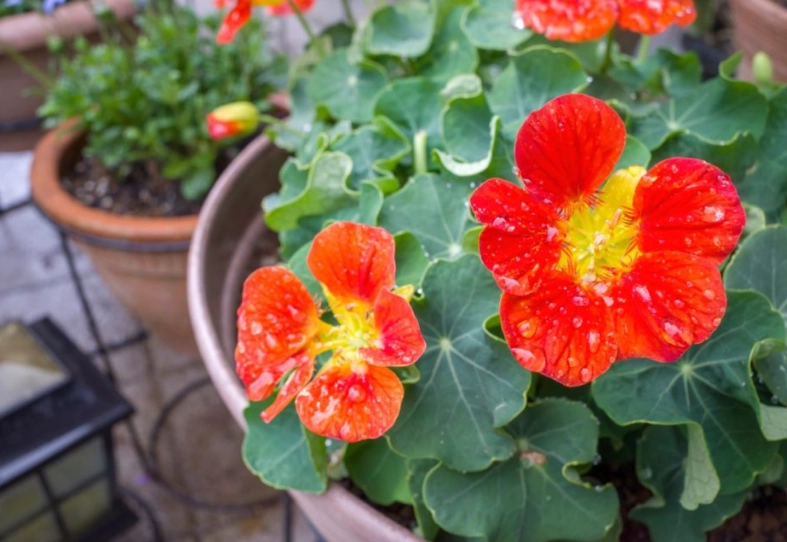
Care and Maintenance for Thriving Nasturtiums in Pots
Okay, your nasturtiums are planted. Now what? Care is straightforward, but a few tips can boost your success.
I used to think nasturtiums were "set and forget" plants. They're not—they need some attention, especially in pots where resources are limited.
Watering and Sunlight
Watering is crucial. Nasturtiums like consistent moisture, but they hate wet feet. I water when the top inch of soil feels dry. In summer, that might be every other day; in cooler weather, once a week.
Overwatering is a common killer. I've lost plants to root rot because I was too enthusiastic with the watering can. If leaves turn yellow and drop, check your watering habits.
Sunlight: Nasturtiums love full sun—at least 6 hours a day. But in hot climates, afternoon shade can prevent scorching. My balcony gets intense afternoon sun, so I move pots to a shadier spot in peak summer.
If they don't get enough sun, they become leggy and flower less. I've had this happen when I placed pots in a corner that only got morning sun. Moving them made a world of difference.
Pruning and Deadheading
Pruning keeps nasturtiums bushy and encourages more flowers. I pinch off the tips of stems when plants are young to promote branching.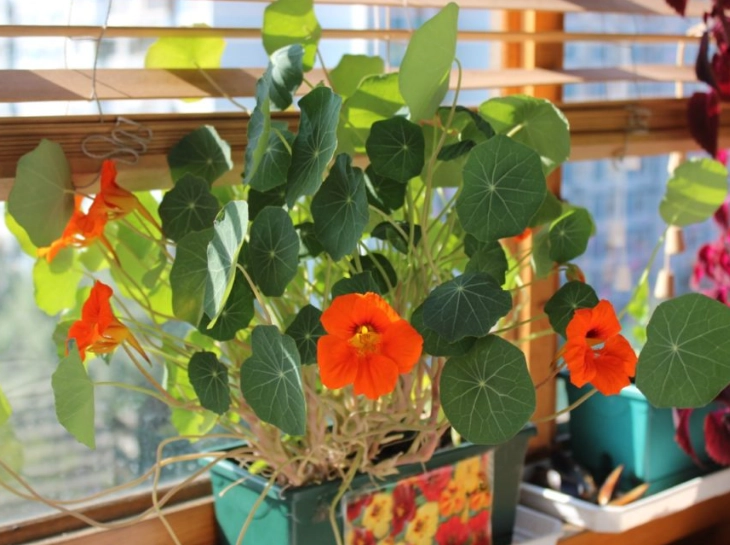
Deadheading—removing spent flowers—is important too. If you don't, plants put energy into seed production instead of new blooms. I do this weekly during the blooming season.
But here's a personal quirk: I sometimes leave a few flowers to go to seed if I want to save seeds for next year. It's a trade-off between continuous blooms and future plants.
Trailing varieties may need more pruning to control growth. I grow a trailing nasturtium in a hanging pot, and it can get wild if I don't trim it back.
Common Pests and Diseases
Nasturtiums are generally pest-resistant, but they're not immune. Aphids are the biggest issue. They cluster on new growth and undersides of leaves.
I use a blast of water from a hose to dislodge them. For severe infestations, insecticidal soap works. I avoid chemical pesticides because nasturtiums are edible.
Powdery mildew can be a problem in humid conditions. It looks like white powder on leaves. Improve air circulation by not overcrowding pots, and water at the base to keep leaves dry.
The University of California's Integrated Pest Management program has excellent resources on organic pest control—see their guide here. I refer to it often.
Other pests include caterpillars and slugs. Hand-picking is effective for small gardens. I don't mind it—it's kinda therapeutic.
Nasturtium Varieties Best Suited for Pots
Not all nasturtiums are equal for container gardening. Some are compact, while others trail beautifully. Here's a breakdown of my favorites.
I've tried dozens of varieties over the years. Some thrived, others flopped. It often depends on your climate and pot size.
| Variety | Type | Best For Pots Because | My Rating |
|---|---|---|---|
| Empress of India | Dwarf/Bushy | Compact growth, deep red flowers | 9/10 |
| Alaska | Dwarf/Bushy | Variegated leaves, bright blooms | 8/10 |
| Whirlybird | Dwarf/Bushy | Flowers face upward, no trailing | 7/10 |
| Moonlight | Trailing | Pale yellow flowers, great for hanging baskets | 9/10 |
| Jewel Mix | Mixed | Colorful, adaptable to pots | 8/10 |
Dwarf varieties are ideal for small pots or window boxes. They stay under 12 inches tall. I love 'Empress of India' for its rich color—it adds a pop to my balcony.
Trailing varieties need larger pots or hanging baskets. 'Moonlight' is my go-to for vertical interest. But be warned: they can grow several feet long if not pruned.
When choosing, consider your space. I mix and match—dwarf nasturtiums in pots on the table, trailing ones in hanging planters.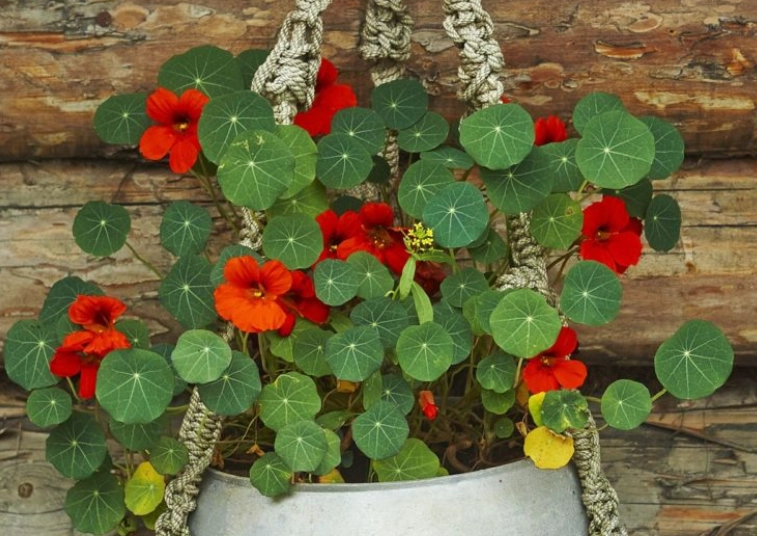
Troubleshooting Common Issues with Nasturtiums in Pots
Even with the best care, problems can arise. Here's a quick guide to what might go wrong and how to fix it.
I've faced most of these issues, so I speak from experience.
- Yellow leaves: Often due to overwatering or poor drainage. Check soil moisture and ensure pots have drainage holes.
- Leggy growth: Not enough sunlight. Move pots to a sunnier spot or prune to encourage bushiness.
- Few flowers: Too much nitrogen in soil. Switch to a low-nitrogen fertilizer or add some sand to dilute richness.
- Aphid infestations: Use water spray or insecticidal soap. Introduce ladybugs if possible—they're natural predators.
- Powdery mildew: Improve air circulation, avoid overhead watering. Remove affected leaves to prevent spread.
One thing I've learned: nasturtiums are resilient. Even if they look sickly, they often bounce back with adjustments. Don't give up too soon.
Frequently Asked Questions About Nasturtiums in Pots
Advanced Tips for Expert Gardeners
If you've mastered the basics, here are some advanced ideas to elevate your nasturtium game.
Companion planting in pots: I grow nasturtiums with herbs like basil or thyme. They share space well, and nasturtiums deter pests. Just ensure the pot is large enough for both.
Overwintering: In mild climates, you can overwinter nasturtiums in pots by moving them to a sheltered spot. I've done this with mixed success—some survive, others don't. It's worth a try if you want to keep plants longer.
Seed soaking: Soak nasturtium seeds in water for 24 hours before planting to speed up germination. I do this for older seeds, and it helps.
Vertical gardening: Use trellises in large pots for trailing varieties. It saves space and adds height. I attached a small trellis to a pot, and the nasturtiums climbed beautifully.
For more on container gardening techniques, the National Gardening Association offers detailed articles—check out this resource. I find it helpful for advanced planning.
Wrapping Up: My Final Thoughts on Nasturtiums in Pots
Growing nasturtium in pots has been a rewarding part of my gardening life. It's simple, colorful, and practical. Whether you're a beginner or a seasoned gardener, nasturtiums offer something for everyone.
They're not perfect—they can be messy, attract pests, and need occasional care. But the bursts of color and edible harvests make it all worthwhile.
Start small, learn as you go, and don't be afraid to make mistakes. My first failed attempt taught me more than any guide could.
So, grab a pot, some seeds, and give it a try. Your balcony will thank you.
And remember, gardening is personal. What works for me might not work for you. Experiment, adjust, and enjoy the process. Happy growing!
Reader Comments