Explore This Article
- So, What Exactly Is Corylus cornuta?
- How to Spot It: Identification Made Simple
- Why You Should Consider Planting Corylus cornuta
- Growing Your Own Beaked Hazelnut: A Practical Guide
- Frequently Asked Questions About Corylus cornuta
- The Bigger Picture: Corylus cornuta in Restoration and Ecology
- Final Thoughts: Is Corylus cornuta Right for You?
You're walking through a mixed forest in early fall, the air just starting to crisp up, and you spot this shrub with leaves that look kinda like a hazel. You bend down and see these wild, tubular husks covering a nut. That's it. You've just met Corylus cornuta, the beaked hazelnut. It's not the famous commercial hazelnut, but honestly? In many ways, it's more interesting.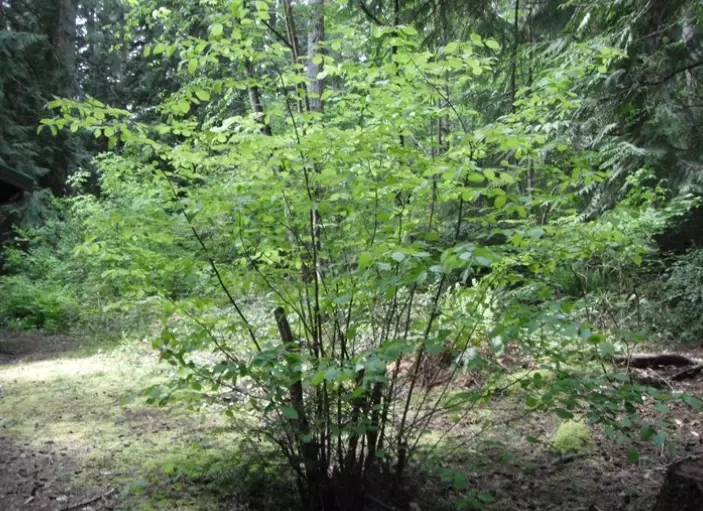
I remember the first time I positively identified one. I was so sure it was the American hazelnut (Corylus americana), its more common cousin. The leaves looked similar. But then I saw the "beak"—that long, tubular husp that completely encases the nut, giving Corylus cornuta its name. It was a lightbulb moment. This native shrub is a quiet superstar of the understory, and most people just walk right by it.
Quick Take: Corylus cornuta is a deciduous shrub native to a huge swath of North America, from the Atlantic to the Pacific, favoring forest edges and open woods. It's a key plant for wildlife and a fascinating, low-maintenance option for native landscaping. The "beak" on its fruit husk is its most reliable giveaway.
So, What Exactly Is Corylus cornuta?
Let's get the basics down without getting too textbook-y. Corylus cornuta is one of two native hazelnuts in North America (the other being C. americana). It's in the birch family, Betulaceae. The "cornuta" part of its scientific name means "horned," which is a perfect description of that bizarre, extended fruit covering.
It grows as a multi-stemmed shrub, usually topping out between 6 to 12 feet tall, though I've seen some in perfect conditions get closer to 15 feet. It forms thickets by sending up suckers from its roots, which is great for creating dense cover but something to keep in mind if you plant it in a small garden.
Think of it as a utility player in the ecosystem.
It's not the tallest tree, nor the showiest flower, but it provides a ton of value where it counts: food and shelter. The leaves are simple, alternate, and doubly serrated (the teeth have smaller teeth), with a sort of heart-shaped base. They turn a really nice yellow to orange-red in the fall, which is an underrated feature.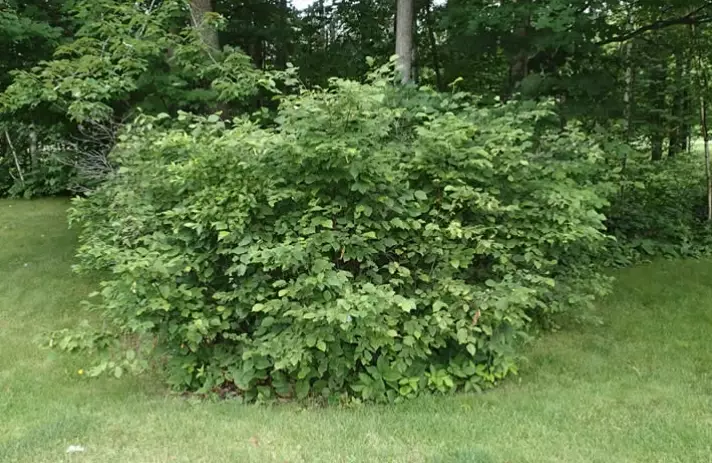
Where You'll Find It Growing Wild
Its range is impressive. According to the USDA Plants Database, Corylus cornuta has two main varieties: the Eastern (C. cornuta var. cornuta) and the Western (C. cornuta var. californica). The eastern one spreads from Newfoundland all the way down to Georgia and west to the Dakotas. The western variety hugs the Pacific coast from British Columbia to California.
It's not fussy about soil. You'll find it in dry to moist woods, along streams, on slopes, and at forest edges. It tolerates a bit of shade but fruits much better in full sun to partial shade. It's a classic "edge" species, thriving in that transition zone between open field and deep forest.
Pro Tip for Foragers & Gardeners: If you're looking to add a Corylus cornuta to your property, mimic its natural preference. Don't stick it in the deep, dark woods or in a waterlogged ditch. A sunny edge near a tree line or at the back of a border is perfect.
How to Spot It: Identification Made Simple
This is where people get tripped up. Telling the native hazelnuts apart from each other, and from some look-alikes, requires looking at a few key features. Forget trying to ID it by the leaves alone—they're too similar to American hazelnut. You need to wait for the fruit or look closely at the buds and catkins.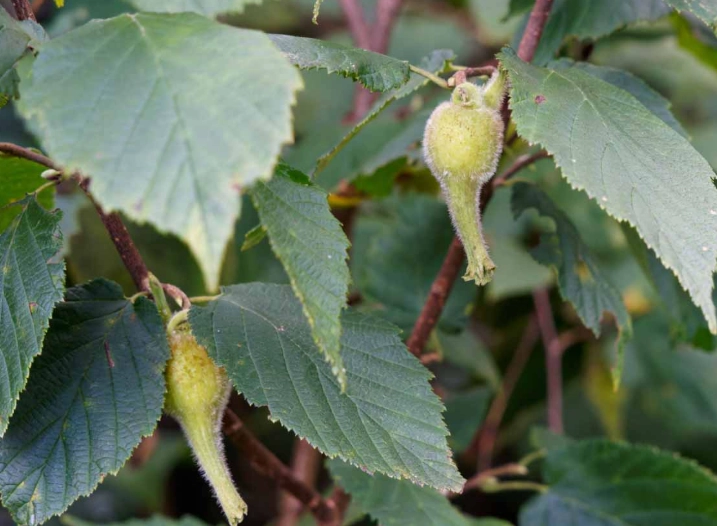
Here’s a straightforward breakdown of the main differences between our two native species. I keep this table bookmarked on my phone when I'm out in the field.
| Feature | Corylus cornuta (Beaked Hazelnut) | Corylus americana (American Hazelnut) |
|---|---|---|
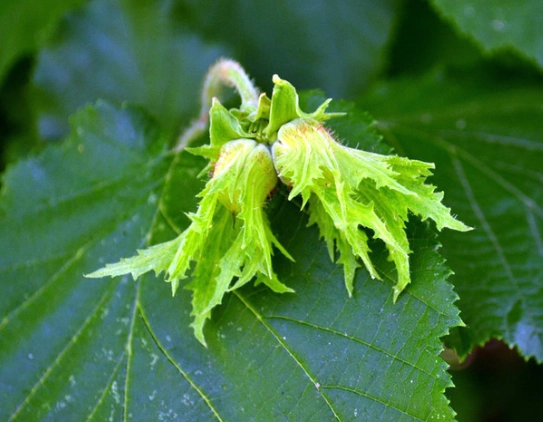
| Fruit Husk (Involucre) | The definitive feature. Long, tubular, and beak-like, extending at least 2-3 times the length of the nut. It's bristly and completely encloses the nut. | Short, leaf-like, ruffled, and open. It looks like a frilly collar at the base of the nut, not a tube. |
| Winter Buds | Buds are more rounded at the tip (obtuse). Scales are usually hairless or have a fine fringe. | Buds are more pointed at the tip (acute). Scales often have obvious gland-tipped hairs. |
| Catkins (Male Flowers) | Catkins appear in late winter/early spring, typically in clusters of 2-4. They are a pale yellowish-brown. | Catkins also appear in clusters but can be slightly showier. They are a key winter food for some grouse. |
| Growth Habit | Tends to be a bit more upright and less aggressively suckering in some forms, but this is variable. | Known for forming very dense, wide thickets through prolific suckering. |
| Leaf Texture | Leaves often feel a bit thicker and more leathery to me. | Leaves can feel slightly softer or thinner. |
See? The fruit is the real clincher. If you see that crazy long beak, you've got Corylus cornuta. No beak, or just a frilly skirt? Probably C. americana. In late winter, those catkins dangling in the cold air are a dead giveaway you're looking at a hazel of some kind.
Common Look-Alikes to Avoid Confusing
Besides its cousin, people sometimes mix it up with young ironwood (Ostrya virginiana) or even some viburnums. Ironwood has similar leaves but its fruit is a totally different hop-like cluster. Viburnums have opposite leaves (hazels are alternate), so just check the leaf arrangement on the branch. Easy fix.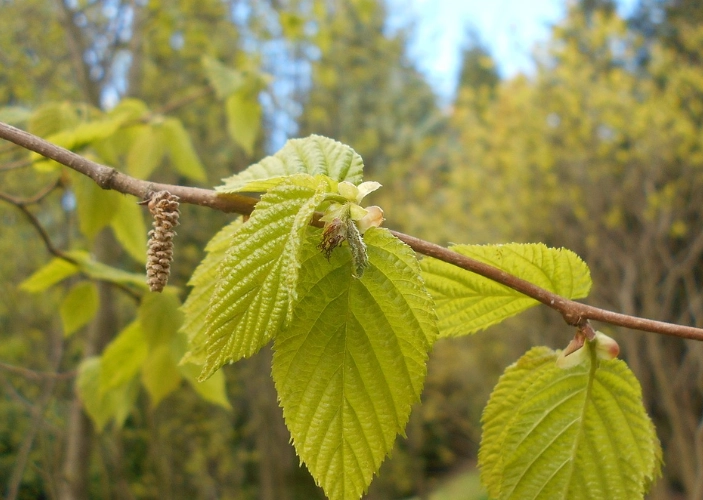
Why You Should Consider Planting Corylus cornuta
Okay, so it's a cool native plant. But why should you, as a gardener or land steward, actually bother with it? The benefits stack up pretty high, especially if you're moving away from purely ornamental non-natives.
First up, wildlife value. This is its biggest selling point. The nuts are a high-fat, high-protein food source for a ridiculous number of animals. We're talking squirrels and chipmunks, of course, but also blue jays, woodpeckers, deer, grouse, turkeys, and even black bears. The catkins provide early spring pollen for bees when not much else is blooming. The dense thickets offer nesting sites and cover for birds and small mammals. Planting one is like opening a mini supermarket and hotel.
It's a workhorse for biodiversity.
Second, ecological services. Its root system helps stabilize soil on slopes and along streams, preventing erosion. As a native, it's perfectly adapted to local pests and diseases, meaning it rarely needs any chemical intervention. It's a low-input plant.
Third, human uses. Yes, the nuts are edible and quite tasty—sweeter and richer than commercial filberts in my opinion, but much smaller and a pain to collect in quantity because wildlife usually beats you to them. They can be eaten raw, roasted, or ground into flour. Native American tribes used the straight, flexible stems for arrows, basketry, and fish traps. Today, it's primarily used in restoration projects and native plant gardens.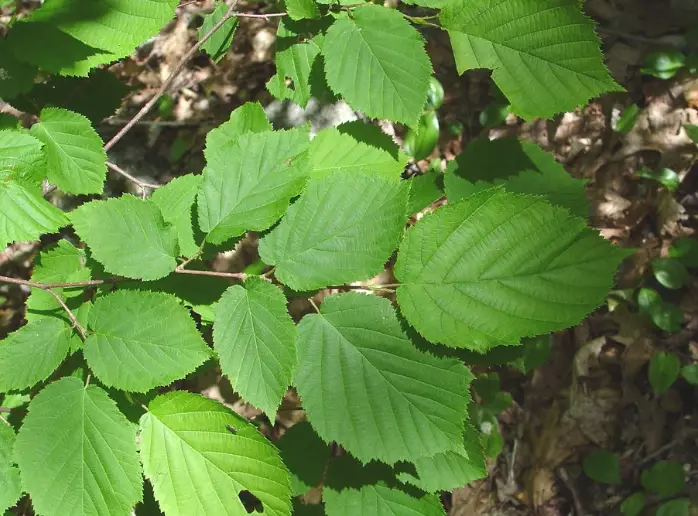
A Reality Check: If you're dreaming of a backyard hazelnut harvest rivaling commercial orchards, Corylus cornuta is not your plant. The nuts are small, the husks are tough, and the yield per shrub is modest. It's for foraging a handful of treats, not for agricultural production. For that, you'd look to hybrid hazels or the European hazelnut (C. avellana).
Growing Your Own Beaked Hazelnut: A Practical Guide
Convinced? Want to add one to your yard? Here's the down-and-dirty on how to get it going, based on my own successes and failures.
Getting Started: Seeds vs. Plants
From Seed: This is the cheap but slow route. Nuts need a period of cold, moist stratification (a fancy term for mimicking winter) to break dormancy. Collect nuts in fall, store them in a bag of moist sand or peat moss in the fridge for 90-120 days, then plant in pots. Germination can be erratic. Rodents will find and eat them if you plant them directly outside unprotected. Honestly, it's a project for the patient.
From Nursery Stock: This is my recommendation for most people. Buy a small potted plant from a reputable native plant nursery. You're supporting local businesses that often propagate ethically, and you'll get a plant that's 2-3 years ahead of a seedling. Look for suppliers who source their stock locally—this ensures the plant is adapted to your specific climate. Websites like the Lady Bird Johnson Wildflower Center database or your state's native plant society can help you find sellers.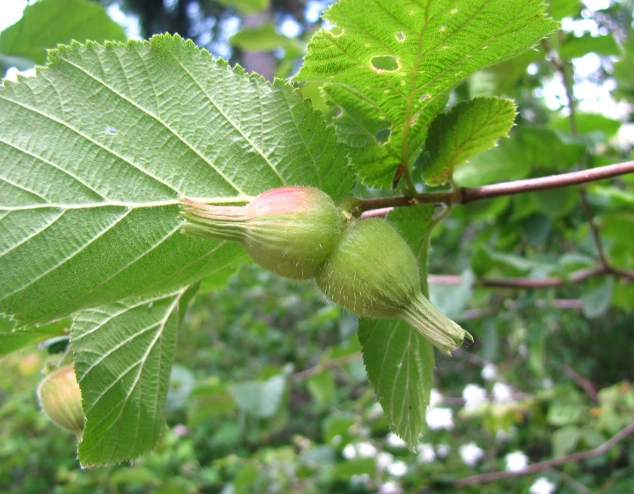
Site Selection and Planting
Remember, edge habitat. Pick a spot with:
- Sun: Full sun to partial shade (at least 4-6 hours of direct sun). More sun = more flowers and nuts.
- Soil: Well-drained is best, but it handles a range from sandy to clay-loam. It's not a bog plant.
- Space: Give it room to spread 6-10 feet wide. It will sucker and form a clump. You can mow around it to control spread if needed.
Plant it like any other shrub. Dig a hole twice as wide as the root ball, but no deeper. Tease out any circling roots. Place it so the top of the root ball is level with the ground. Backfill, water deeply, and mulch with wood chips to retain moisture and suppress weeds. Water it regularly for the first year or two until it's established, then it's remarkably drought-tolerant.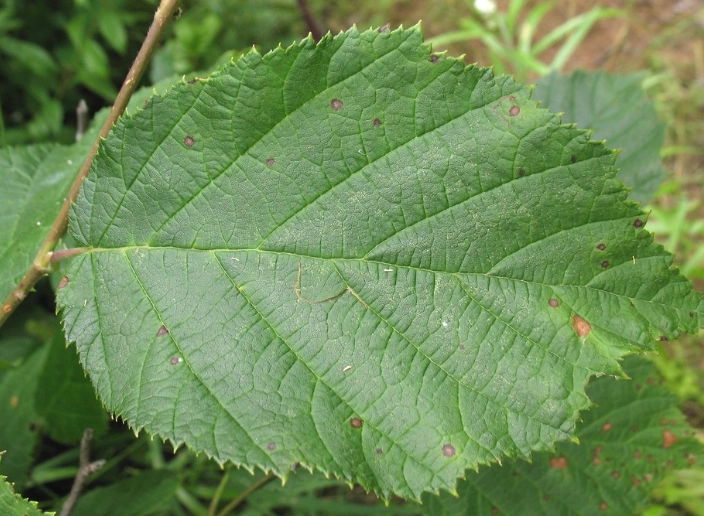
Care and Maintenance (It's Mostly Hands-Off)
This is the beauty of natives. Once established, Corylus cornuta needs almost no care.
- Watering: Only during extreme, prolonged droughts after Year 2.
- Fertilizing: Don't. It's adapted to native soil fertility. Fertilizer can cause weak, leggy growth.
- Pruning: Minimal. You can prune to shape it, remove dead wood, or thin out suckers if the clump gets too dense. The best time is late winter when you can see the structure.
- Pests & Diseases: Very few serious issues. Eastern filbert blight, which plagues commercial orchards, rarely affects the native Corylus cornuta significantly. You might see some leaf galls or minor insect chewing, but it's nothing to worry about. That's the ecosystem at work.
Frequently Asked Questions About Corylus cornuta
The Bigger Picture: Corylus cornuta in Restoration and Ecology
Beyond our backyards, Corylus cornuta plays a critical role in larger landscape restoration. Conservation groups and land managers use it in projects aimed at:
- Riparian Buffer Zones: Planting it along streams to filter runoff, stabilize banks, and provide wildlife corridors.
- Reforesting Open Areas: Its quick growth and suckering help it act as a "nurse" plant, creating the shaded, sheltered conditions needed for slower-growing forest trees to get established.
- Habitat Creation: Deliberately planting thickets to provide food and cover for specific wildlife species, like New England cottontails or ruffed grouse.
Its genetic diversity is also important. As a wild relative of cultivated hazelnuts, Corylus cornuta holds genetic traits (like disease resistance) that could be valuable for future crop breeding programs. Protecting its natural populations helps preserve this genetic library.
That's something you don't get from a generic ornamental shrub.
Final Thoughts: Is Corylus cornuta Right for You?
Let's wrap this up straight. Corylus cornuta isn't for everyone. If you have a tiny, manicured city garden, its suckering habit will drive you nuts (pun intended). If you demand perfect, unblemished leaves, you'll be disappointed by the occasional insect bite.
But.
If you have some space, if you value birds and butterflies over pristine lawn, if you like the idea of having a direct connection to the ancient, pre-settlement landscape of your area, then it's a phenomenal choice. It's a plant that gives far more than it takes. It asks for little—just a spot in the sun and some time to settle in—and in return, it builds soil, feeds countless creatures, and adds a layer of deep, natural beauty to the land.
Next time you're in the woods in late summer, keep an eye out for that peculiar, beak-like husk. Once you know it, you'll see it everywhere. And you might just be inspired to bring a piece of that functional, resilient wildness home.