Explore This Guide
- What Exactly Is a Sourwood Tree?
- Why Bother Growing Sourwood?
- Planting Your Oxydendrum arboreum: Getting It Right From the Start
- Caring for Your Sourwood Tree
- Sourwood Tree Problems and Solutions
- The Famous Sourwood Honey
- Designing With Sourwood in Your Landscape
- Answers to Common Sourwood Questions
- Final Thoughts: Is the Sourwood Tree Right for You?
Let's talk about a tree that doesn't get nearly enough attention. You've probably seen it without knowing what it was – maybe in a neighbor's yard, or at the edge of a forest. The sourwood tree, scientifically known as Oxydendrum arboreum, is one of those plants that makes you stop and look twice. I remember the first time I really noticed one. It was late summer, and the tree was covered in these delicate white flowers that looked like lilies-of-the-valley. Then I learned about the honey. Oh, the honey.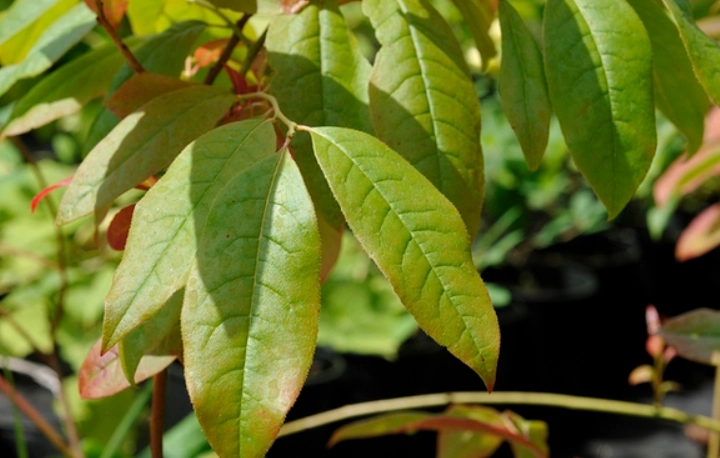
This isn't just another tree for your yard. It's a four-season showstopper with a personality. But here's the thing – it's got some quirks. You can't just stick it in the ground and forget about it. Well, actually, maybe you can once it's established, but getting there takes some know-how. That's what this guide is for. I've killed a plant or two in my time (who hasn't?), so I'll tell you what works and what doesn't when it comes to growing Oxydendrum arboreum.
Quick Fact: Oxydendrum arboreum is the only species in its genus. It's what botanists call monotypic. Think of it as a botanical unicorn – unique in its family. You won't find any close cousins.
What Exactly Is a Sourwood Tree?
If you're looking at planting one, you should know what you're getting into. The sourwood is a deciduous tree native to the eastern United States. You'll find it from southern Pennsylvania down to northern Florida, and west to southern Illinois and Louisiana. It loves the Appalachian regions.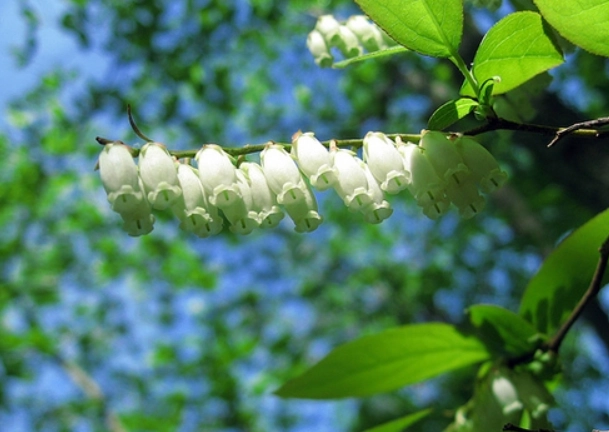
The name "sourwood" comes from the taste of the leaves. Go ahead, chew on a small piece (just make sure it's from your tree, not a random one!). They have a distinctly sour, almost lemony taste. That's because of oxalic acid – the same stuff that gives rhubarb its tang. The scientific name Oxydendrum actually hints at this too, coming from Greek words meaning "sour tree." Arboreum just means "tree-like."
Pretty straightforward naming for once.
In the wild, Oxydendrum arboreum often grows as an understory tree in forests. It's used to having some protection. But in your yard, with the right conditions, it can become a beautiful specimen tree reaching 25 to 30 feet tall, sometimes even 50 feet in perfect conditions. The growth is slow to medium – don't expect a quick screen. This is a tree you plant for future generations.
Why Bother Growing Sourwood?
Fair question. There are lots of trees out there. Here's why this one might be worth your time and space.
First, the flowers. In mid to late summer, when most trees are just green, the sourwood produces these gorgeous panicles of white, urn-shaped flowers. They hang down like little bells and have a light, sweet fragrance. They last for weeks. Bees go absolutely crazy for them.
Which brings me to the honey. Sourwood honey is legendary. It's light in color, has a buttery, almost caramel-like flavor with a hint of spice, and it commands premium prices. Beekeepers in the Appalachians plan their year around the sourwood bloom. If you plant one, you're basically installing a bee buffet.
Then there's the bark. On mature trees, it becomes deeply furrowed with long, rough ridges, adding great winter interest. The branches have a graceful, slightly drooping habit that gives the tree an elegant silhouette.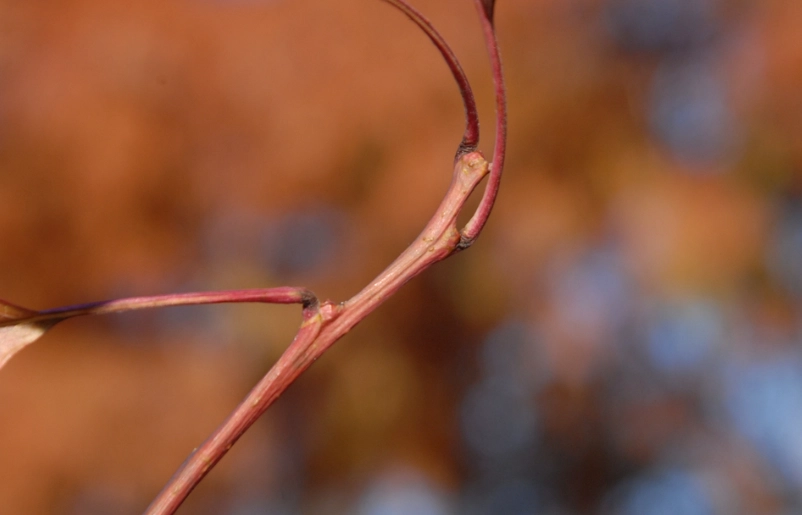
It's also a great native tree for supporting local ecosystems. The flowers feed bees and other pollinators. The tiny seeds in the capsules that follow the flowers are eaten by birds. You're not just planting a tree; you're adding a piece of the local food web.
Planting Your Oxydendrum arboreum: Getting It Right From the Start
This is where most people mess up. Sourwood has specific preferences, and ignoring them leads to a sad, struggling tree. I learned this the hard way with my first one. I planted it in heavy clay with poor drainage because it was the only sunny spot I had. It sulked for two years before finally giving up.
The Non-Negotiables: Soil and Sun
Oxydendrum arboreum is picky about its feet. It must have well-drained, acidic soil. This is not a suggestion. The ideal pH is between 4.5 and 5.5. If your soil is neutral or alkaline, the tree will develop chlorosis – yellowing leaves with green veins – and will eventually die. It can't take up iron properly in high pH soil.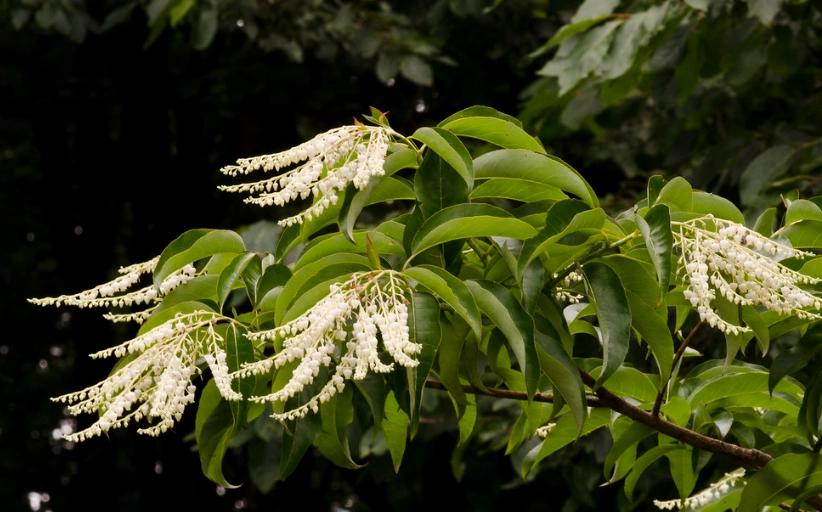
Watch Out: Don't trust random online advice that says sourwood can tolerate higher pH. It might survive for a while, but it will never thrive. Test your soil first. Your local cooperative extension office (like the USDA website can help you find one) offers cheap soil test kits. It's the best $15 you'll spend.
Sunlight is the other big factor. It prefers full sun to partial shade. In hotter climates (USDA zone 8 and south), some afternoon shade can be beneficial to prevent leaf scorch. In the northern part of its range, give it all the sun you can.
The Planting Process Step-by-Step
- Timing: Early spring or early fall. Avoid the heat of summer.
- The Hole: Dig it two to three times wider than the root ball, but no deeper. You want the top of the root ball level with or slightly above the surrounding soil. Planting too deep is a death sentence.
- Soil Amendments: If you have dense soil, mix in a generous amount of peat moss, composted pine bark, or leaf mold to improve drainage and acidity. Don't use regular garden compost or manure, as these can raise the pH.
- Watering In: After planting, create a shallow berm around the drip line to hold water. Water deeply. Then, apply a 2-3 inch layer of acidic mulch, like pine needles or shredded pine bark. Keep the mulch away from the trunk.
That last point about mulch is critical. It keeps the roots cool, conserves moisture, and as it breaks down, it helps maintain soil acidity. Think of it as a slow-release acidifier.
Caring for Your Sourwood Tree
Once established, Oxydendrum arboreum is surprisingly low-maintenance. But "established" is the key word. The first two to three years require attention.
Watering: The First Few Years
Young sourwood trees have shallow root systems and are drought-sensitive. During the first growing season, water deeply once a week if there's no rain. The goal is to encourage deep roots. Don't just sprinkle the surface. Stick your finger in the soil. If the top 2 inches are dry, it's time to water.
Overwatering is just as bad as under-watering. Soggy soil leads to root rot.
Fertilizing: Less Is More
This isn't a heavy feeder. In fact, over-fertilizing, especially with high-nitrogen fertilizers, can cause weak, leggy growth and reduce flowering. If your soil test shows a deficiency, use a fertilizer formulated for acid-loving plants (like azalea/camellia food) in early spring. A light application is all you need. Often, the decomposing acidic mulch provides enough nutrients.
Pruning: Just a Little Tidying
Prune only to remove dead, damaged, or crossing branches. Do this in late winter while the tree is dormant. The natural shape of the sourwood is lovely, so avoid heavy pruning or "shaping." If you must prune for size, do it gradually over several years.
The best advice I got from an arborist? Look at the tree for a full year before you make a single cut. You might decide it doesn't need anything at all.
Sourwood Tree Problems and Solutions
| Problem | Symptoms | Likely Cause & Solution |
|---|---|---|
| Yellow Leaves with Green Veins | Leaves turn yellow but the veins stay green. New growth is most affected. | Iron Chlorosis. Soil pH is too high. Apply soil sulfur or chelated iron as a foliar spray (short-term fix). Long-term, amend soil with elemental sulfur to lower pH. |
| Leaf Scorch | Brown, crispy edges on leaves, especially in summer. | Drought stress or hot wind. Ensure deep, consistent watering. In hot climates, provide afternoon shade. A thick mulch layer helps. |
| Poor or No Flowering | Tree looks healthy but produces few or no flower panicles. | Too much shade, over-fertilizing, or immature tree. Sourwoods often take 5-7 years to bloom from seed. Ensure adequate sun and avoid high-nitrogen fertilizer. |
| Twig Dieback | Tips of branches die back. | Can be caused by borers or canker diseases after stress (drought, injury). Prune out affected branches well below the damage. Keep tree healthy to prevent. |
Honestly, the biggest "problem" is people planting it in the wrong place. Get the soil and sun right, and 90% of potential issues vanish. Pests and diseases are relatively minor for this native tree. You might see some leaf spot fungi in wet years, but it's rarely serious. The Clemson Cooperative Extension has excellent bulletins on managing leaf diseases organically if they become severe.
The Famous Sourwood Honey
We have to talk about this separately because it's a major reason people seek out this tree. Sourwood honey is often called the "champagne of honeys" in the southeastern U.S. The flavor profile is complex – not just sweet. It has notes of gingerbread, cinnamon, and caramel with a clean, lingering finish and almost no aftertaste.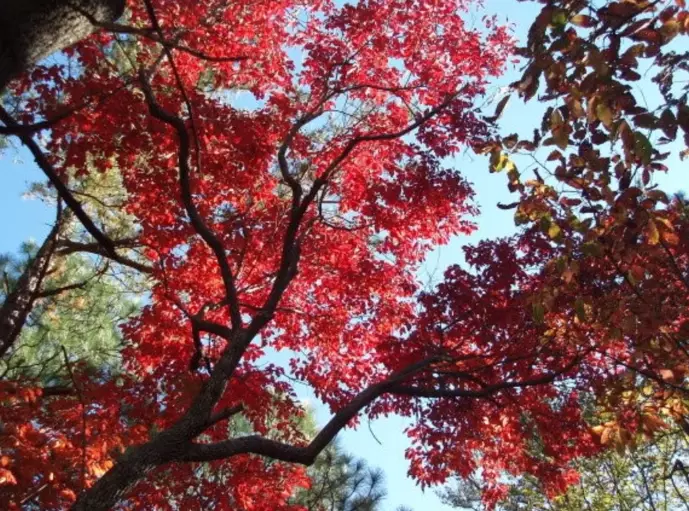
The honey is produced when bees forage almost exclusively on sourwood flowers. This requires a large concentration of trees and a specific weather window. Pure sourwood honey is rare and expensive. If you plant a sourwood, you might not get gallons of honey, but you will attract pollinators to your garden like nothing else. Local beekeepers will love you.
Pro Tip: The quality of sourwood honey is highly weather-dependent. A dry spell just before bloom can reduce nectar flow. A rainy period during bloom can wash away nectar. It's a finicky crop, which adds to its allure and price. The National Honey Board has fascinating resources on monofloral honeys like sourwood.
You can't buy true sourwood honey in most supermarkets. You need to find a specialty supplier or a beekeeper in the Appalachians. Trust me, it's worth the hunt. Drizzle it over biscuits, cheese, or just eat it by the spoonful.
Designing With Sourwood in Your Landscape
Where does Oxydendrum arboreum fit in your yard? It's not a massive shade tree, so think of it as a focal point.
- Specimen Tree: Perfect. Plant it where you can admire all four seasons – near a patio, at the edge of a lawn, or at a property corner.
- Under Power Lines: Its moderate size makes it a good choice where taller trees would cause problems.
- Woodland Garden: Pair it with other acid-loving natives like mountain laurel (Kalmia latifolia), fothergilla, and blueberries. The layered look is stunning.
- Pollinator Garden Anchor: Surround it with late-summer blooming perennials that also love acid soil, like black-eyed Susans and asters. You'll create a pollinator paradise.
Avoid planting it in a lawn that gets frequent, high-nitrogen fertilizer and lime treatments. The soil will become too alkaline. It's better in a mulched bed.
Answers to Common Sourwood Questions
How fast does a sourwood tree grow?
It's considered slow to medium. Expect 12 to 24 inches of growth per year under good conditions. Don't buy it expecting quick privacy. It's a long-term investment.
Can I grow sourwood from seed?
You can, but it's slow and requires patience. The seeds need a period of cold stratification (a mimic of winter) to germinate. Most home gardeners are better off buying a young tree from a reputable nursery. Look for container-grown stock, not bare-root.
Is the sourwood tree messy?
Not particularly. The flowers drop, but they're small and not sticky. The leaves drop in fall, but they're not large or leathery, so they decompose quickly. The seed capsules are tiny. It's far less messy than a sweet gum or a large oak.
What's the difference between sourwood and sorrel tree?
They're the same thing! Oxydendrum arboreum has several common names: sourwood, sorrel tree, and lily-of-the-valley tree. It's all the same fantastic plant.
Will it grow in a container?
For a few years, yes. Use a large pot with excellent drainage and an acidic potting mix. But it's a tree that wants to put down deep roots. Eventually, it will become pot-bound and unhappy. It's best suited for the ground.
Final Thoughts: Is the Sourwood Tree Right for You?
Look, Oxydendrum arboreum isn't for everyone. If you have alkaline soil and aren't willing to amend it regularly, choose a different tree. If you need instant gratification, this isn't your plant.
But if you have the right conditions – acidic, well-drained soil and a sunny spot – and you appreciate a tree with subtle beauty, incredible fall color, and a connection to local ecology (and amazing honey), then the sourwood is a top-tier choice. It's a native tree that asks for little and gives so much in return.
My second sourwood, planted in a prepared bed with lots of peat and pine mulch, is now about eight years old. It flowers reliably every July. The bees hum around it all month. And every October, it puts on a show that makes the whole neighborhood notice. It was worth the initial effort.
Do your homework first. Test that soil. Then, go find a healthy specimen at a good nursery. Plant it with care. Be patient. In a few years, you'll have a living masterpiece that changes with the seasons, supports wildlife, and gives you a great story to tell. And maybe, just maybe, you'll get a taste of that legendary sourwood honey from a grateful local beekeeper.