Quick Garden Guide
- What Exactly Is Perennial Candytuft?
- Why Choose Perennial Candytuft? The Honest Pros and Cons
- Planting Perennial Candytuft: Getting It Right From the Start
- Caring for Your Perennial Candytuft: The Minimalist Routine
- Design Ideas: Making Perennial Candytuft Shine in Your Garden
- Solving Problems: What's Wrong With My Candytuft?
- Frequently Asked Questions (The Stuff You Actually Search For)
Let's talk about a plant that doesn't get nearly enough credit. You know the ones – they're not the flashy roses or the trendy succulents, but they're the workhorses, the reliable friends that make your garden look put-together year after year. For me, that plant is perennial candytuft, or Iberis sempervirens if you want to get scientific about it.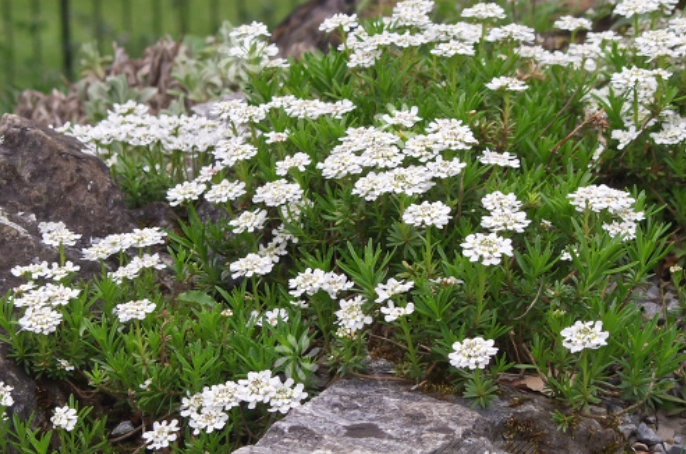
I first stumbled upon it years ago at a local nursery, a humble-looking green mound with a tiny tag. I almost passed it by. Big mistake. I planted it on a whim in a rocky, poor-soil spot where nothing else seemed to thrive, mostly forgetting about it. Come spring, it exploded into this breathtaking carpet of pure white flowers. It was like the garden had been dusted with snow. That's the magic of perennial candytuft – it's quietly spectacular.
Since then, I've grown it in different gardens, made plenty of mistakes (like overwatering one batch – they really don't like wet feet), and learned what makes it tick. This guide is everything I wish I'd known back then. We're going to dig deep, beyond the basic plant tag info, into the real nitty-gritty of making perennial candytuft thrive for you.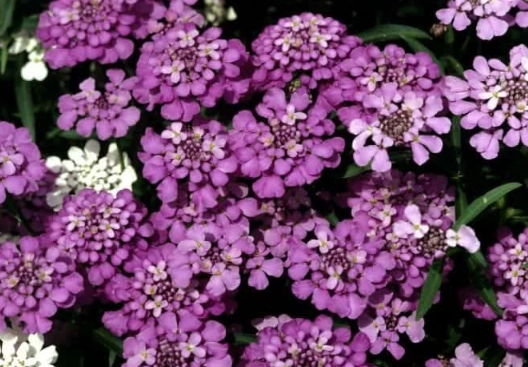
What Exactly Is Perennial Candytuft?
First things first, let's clear up the name. "Candytuft" sounds like something you'd find in a candy store, but it's actually named after Candia, the old name for Crete. This little evergreen subshrub is a member of the Brassicaceae family, so it's related to cabbages and mustards. Funny, right? It doesn't look it.
What you're getting is a low-growing, spreading plant that typically forms a dense mat between 6 to 12 inches tall. The leaves are narrow, dark green, and leathery – they stick around all year, which is what "sempervirens" (always green) means. But the real show is in spring. For several weeks, it's absolutely smothered in clusters of small, four-petaled flowers. Most are a brilliant, clean white, though you can find cultivars in pale pink or lavender.
Now, don't confuse it with its annual cousin, Iberis umbellata. The annual version is nice for quick color, but it's a one-season wonder. Perennial candytuft is the long-term investment. You plant it once, and it's there, faithfully, for years. That's the key difference that makes it such a valuable garden asset.
Popular Varieties of Perennial Candytuft to Look For
Not all candytufts are created equal. Some are more compact, some flower more profusely. Here’s a breakdown of the ones you’ll commonly find and why you might pick one over another.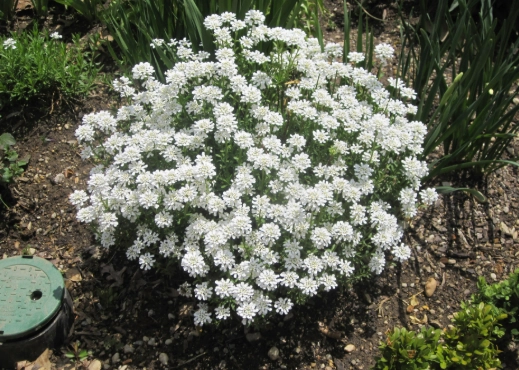
| Variety Name | Key Characteristics | Best For | My Personal Take |
|---|---|---|---|
| 'Snowflake' | The classic. Larger flowers, very robust growth, spreads well. | Ground cover, sprawling over walls. | My go-to. It's bulletproof and always performs. |
| 'Purity' | Extremely compact, dense mound. Neat and tidy habit. | Edging, front of borders, containers. | Looks manicured without the effort. Less aggressive spreader. |
| 'Alexander's White' | Vigorous spreader, long blooming period. | Large areas, slopes for erosion control. | Great for covering ground fast. Can need a bit more trimming to keep in bounds. |
| 'Little Gem' | Dwarf variety, only 4-6 inches tall. | Rock gardens, tiny spaces, between paving stones. | Adorably small. Blooms its heart out. Slow grower. |
| 'Autumn Beauty' | Known for a reliable second, lighter bloom in early fall. | Extending seasonal interest. | The fall flowers are a nice bonus, but don't expect the full spring spectacle. |
I’ve tried 'Snowflake' and 'Purity' side by side. 'Snowflake' definitely has more of a wild, cottage-garden feel, while 'Purity' looks like it got a haircut. Both are fantastic, it just depends on the look you're after.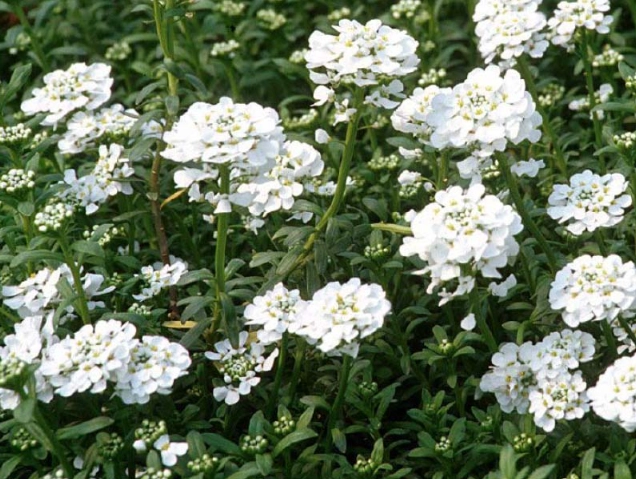
Why Choose Perennial Candytuft? The Honest Pros and Cons
The Good Stuff (And It's Mostly Good)
It's ridiculously tough once established. I'm talking drought-tolerant, deer-resistant, rabbit-resistant, and generally pest-free. In my experience, slugs and snails leave it alone, which is a miracle in my damp spring garden. Once its roots are settled, it can handle some serious neglect. Forget to water during a dry spell? It'll likely shrug it off.
It solves problems. Got a hot, dry, sunny slope where the soil washes away? Perennial candytuft is your hero. Its mat-forming roots hold the soil in place beautifully. Need something for a rock garden or a tricky spot between paving stones? Its toughness makes it ideal.
It gives you massive impact for minimal effort. That spring bloom is transformative. It lights up the garden. And because it's evergreen, it provides structure and a neat, green carpet even in the dead of winter when everything else has died back. It's a four-season player in its own quiet way.
It plays well with others. The white flowers are like a neutral palette in the garden. They make the colors of spring bulbs pop – think purple tulips, blue grape hyacinths, or yellow daffodils. Later, it's a calm green foil for summer perennials.
The Not-So-Good Stuff (Let's Be Fair)
It can get a bit leggy. After a few years, the center of the mat might start to look woody and open up. This isn't a disaster, it's just a sign it needs a haircut (more on that later). But if you want a plant that stays perfectly mound-shaped forever with zero input, this isn't it.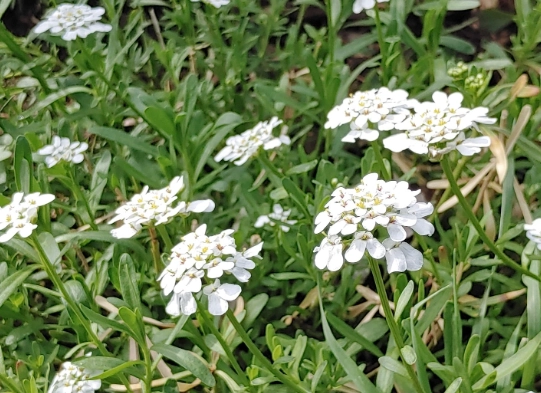
The bloom period, while stunning, is finite. You get that incredible few weeks in spring, and then it's back to being a green leafy mat. Some varieties rebloom, but it's never as heavy. If you want flowers all summer long, you'll need to pair it with other plants.
It's not a fan of deep shade. It might survive, but it will get lanky, flower poorly, and be more prone to disease. Full sun is where it's truly happy.
So, is perennial candytuft right for you? If you have a sunny, well-drained spot and want a low-maintenance, evergreen plant with a knockout spring show, then yes, a thousand times yes. If your garden is a shady, boggy wetland, look elsewhere.
Planting Perennial Candytuft: Getting It Right From the Start
This is the most important part. Do this right, and you're setting yourself up for years of success. Mess it up, and you'll be wondering why your plant is struggling.
Step 1: The All-Important Location
Sun: Think full sun. At least 6 hours of direct sunlight. More is better. This is non-negotiable for good flowering and compact growth.
Soil: This is the critical one. The phrase "well-drained soil" is on every plant tag, but for perennial candytuft, it's a life-or-death requirement. It thrives in average to poor soil, even sandy or rocky soil. What it cannot abide is heavy, compacted clay that holds water.
If you have clay soil, don't despair. You just need to work a bit harder. Dig a hole twice as wide as the root ball, but no deeper. Mix the native clay soil with a generous amount of coarse sand, fine gravel, or pea gravel (about 30-50% by volume) and some compost. This creates a gritty, fast-draining environment right where the roots are. You can also simply plant it in a raised bed filled with a gritty soil mix.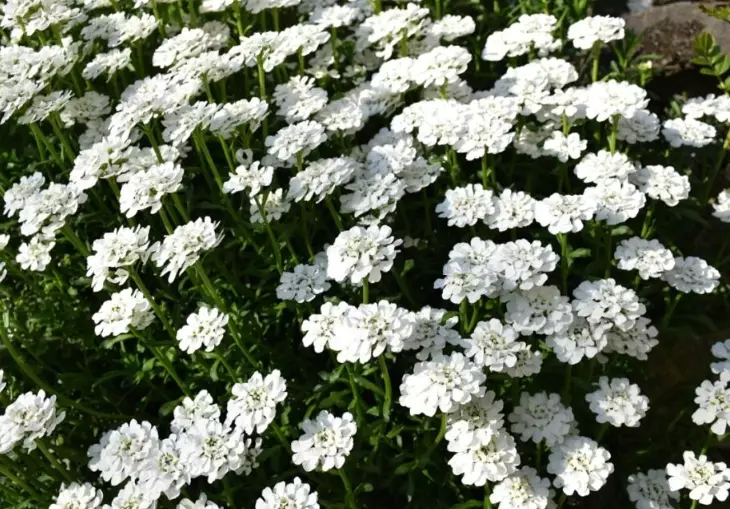
Step 2: The Planting Process
Spring or early fall are the best times. Avoid the heat of midsummer.
- Dig your hole, amend the soil if needed.
- Gently tease out the roots if they're pot-bound.
- Place the plant in the hole so the top of the root ball is level with the surrounding soil. Don't bury it deeper.
- Backfill with your soil mix, firming gently.
- Water it in thoroughly to settle the soil.
Spacing: For a ground cover effect, space plants about 12 to 18 inches apart. They'll grow together within a couple of years. For individual specimens, give them 18-24 inches.
Caring for Your Perennial Candytuft: The Minimalist Routine
Here's where the "low-maintenance" promise comes true. Once happy, it asks for very little.
Watering
During the first growing season, water regularly to help the roots establish. After that, it's remarkably drought-tolerant. I rarely water my established plants, even in dry summers. They get what nature provides. The key sign of thirst is the foliage losing its luster and looking a bit dull. If you must water, do it deeply and infrequently, letting the soil dry out in between. Overwatering is the #1 killer.
Feeding
Don't overfeed it. Rich soil can make it grow too lush and floppy, reducing flowers. A light application of a balanced, slow-release fertilizer or a top-dressing of compost in early spring is plenty. Sometimes, I skip it altogether, especially if the soil is decent.
The Secret to Longevity: Pruning
This is the one task that makes a huge difference. Right after the main spring bloom fades, get your shears out.
Why? This does three things: 1) It prevents the plant from putting energy into making seeds. 2) It encourages fresh, new, compact growth from the base, preventing that ugly woody center. 3) It often prompts a lighter second flush of flowers later in the season.
I just use hedge shears and give the whole clump a buzz cut. It looks drastic for a week, but then it greens up beautifully, looking neat and dense for the rest of the year. If you don't do this, your perennial candytuft will slowly become more open and less attractive.
Winter Care
In zones 3-7, a light mulch of evergreen boughs or shredded leaves after the ground freezes can help prevent frost heaving and protect the evergreen foliage from winter burn. In warmer zones, no protection is needed. The main winter enemy is, again, wet soil.
Design Ideas: Making Perennial Candytuft Shine in Your Garden
It's not just about sticking it in the ground. How you use it changes the whole feel of your garden.
Classic Uses That Never Fail
- The Wall Spiller: This is my favorite. Plant it at the top of a retaining wall or stone wall. Let it cascade over the edge. In spring, it looks like a waterfall of white flowers. Stunning.
- Rock Garden Royalty: Its love for sharp drainage and sun makes it a perfect candidate. It tucks between rocks, softening hard edges and adding spring color.
- Border Edging: Use a compact variety like 'Purity' to create a crisp, white-blooming edge along a garden path or flower bed. It defines the space beautifully.
- Slope Stabilizer: On a sunny bank, plant a bunch 18 inches apart. Their roots will knit together, holding the soil and preventing erosion, all while looking fantastic.
Companion Planting – What to Grow With It
The white flowers are a fantastic mixer. Here are some combinations I've loved or seen work brilliantly:
Spring Symphony: Pair it with spring bulbs. The white candytuft carpet with purple Pasque flowers (Pulsatilla), deep blue squill (Scilla), or rich yellow dwarf daffodils is a classic, eye-catching combo.
Cottage Garden Charm: Let it sprawl at the feet of later-blooming perennials. It looks great with the silvery foliage of lamb's ear (Stachys), the spiky blue flowers of catmint (Nepeta), or the soft mounds of pinks (Dianthus). The Royal Horticultural Society has a great resource on creating cottage garden planting schemes that often feature plants like candytuft.
Hot & Dry Bed Partners: In a xeric or Mediterranean-style garden, combine it with other sun and drought lovers: lavender, sedum, Russian sage (Perovskia), and ornamental grasses. The Missouri Botanical Garden's plant finder is an excellent tool for finding other plants with similar cultural needs (sun, well-drained soil).
Solving Problems: What's Wrong With My Candytuft?
Even tough plants can have issues. Here are the common ones.
Yellowing, Wilting, Dying Patches: Almost always a sign of poor drainage and root rot. Check the soil. If it's soggy, you might need to dig it up, improve the drainage in that spot, and replant, or move it to a better location.
Leggy, Open Growth with Few Flowers: Usually means not enough sun. It can also mean the plant is old and needs a hard prune, or it's been over-fertilized. Move it to a sunnier spot or give it that post-bloom shear.
Powdery White Coating on Leaves: This is powdery mildew. It can happen in humid conditions with poor air circulation. Avoid overhead watering. Improve air flow around the plant. If it's bad, you can use an organic fungicide, but often just trimming nearby plants to improve circulation solves it. The University of California Statewide IPM Program has a good fact sheet on managing powdery mildew on ornamentals.
It's Just Not Spreading: Be patient. It establishes its root system first. Growth might seem slow for the first year or two, then it takes off. Also, ensure it's getting enough sun and isn't in competition with tree roots.
Frequently Asked Questions (The Stuff You Actually Search For)
Look, perennial candytuft might not be the most glamorous plant on the shelf. But in my book, it's one of the most valuable. It asks for so little – just a sunny spot and soil that doesn't drown it – and gives back so much: evergreen structure, a breathtaking spring display, and years of trouble-free service. It's the backbone plant that lets the divas in your garden shine. Find that sunny, well-drained spot, plant it, give it a haircut after it flowers, and then just enjoy it. You won't regret it.