Quick Navigation
- What Exactly Is a Primrose? Clearing Up the Confusion
- The Non-Negotiable Needs for a Happy Perennial Primrose
- Step-by-Step: Planting and Caring for Your Perennial Primrose
- Propagation: Making More of Your Favorite Primrose Perennial
- Answering Your Burning Primrose Questions
- The Final Word: Is Primrose a Perennial For You?
Let's cut right to the chase. You're probably here because you saw those cheerful little pots of primroses at the garden center, brought one home, and now you're wondering... will it come back? Is primrose a perennial plant, or did I just buy a one-season wonder?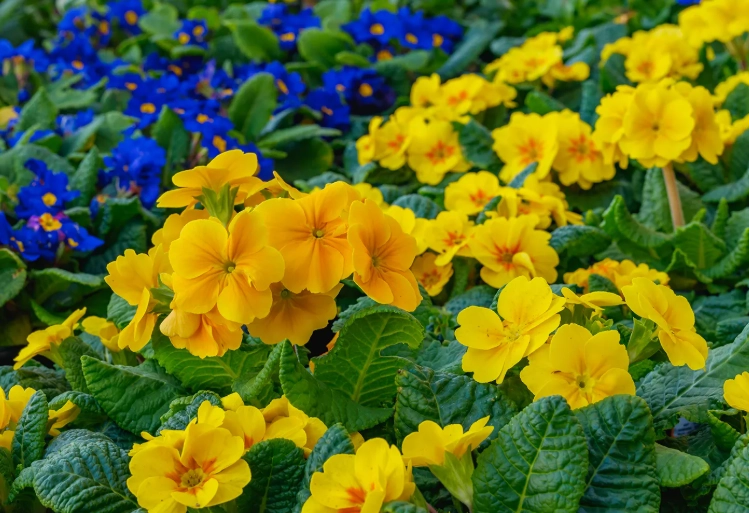
I've been there. I remember planting my first few, thinking they'd be temporary color, only to be surprised when they poked their leaves up again the next spring. That's the thing about gardening – sometimes the simple questions don't have simple answers. But for the most common primroses gardeners buy, the short answer is a resounding yes. Primrose is a perennial flower in many climates and situations.
But it's not always that straightforward.
The world of primroses is bigger than those grocery store polyanthus types. And whether your specific primrose a perennial success story depends on a few key things we're going to dig into. We'll talk about the different types (some are definitely more reliable perennials than others), exactly what they need to stick around, and how to avoid the common pitfalls that turn a perennial promise into an annual disappointment.
The Core Answer: Most primroses sold as garden plants are herbaceous perennials. This means the top part dies back in winter, but the root system (the crown) survives underground to send up new leaves and flowers the following growing season. Their ability to return reliably year after year depends heavily on your climate zone, the specific species or hybrid, and the growing conditions you provide.
What Exactly Is a Primrose? Clearing Up the Confusion
The name "primrose" gets thrown around a lot. It can refer to a huge genus called Primula, which contains over 400 species. When we talk about primrose a perennial plant for the garden, we're usually talking about a handful of these species and the countless hybrids breeders have created from them.
Think of it like apples. There are wild crabapples and there are the cultivated 'Honeycrisp' and 'Gala' varieties you buy at the store. Both are apples, but they're very different. It's the same with primroses. The delicate English primrose (Primula vulgaris) growing in a woodland is a true perennial, and so is the flashy, large-flowered 'Pacific Giant' hybrid you get in a six-pack. But their needs and hardiness can vary.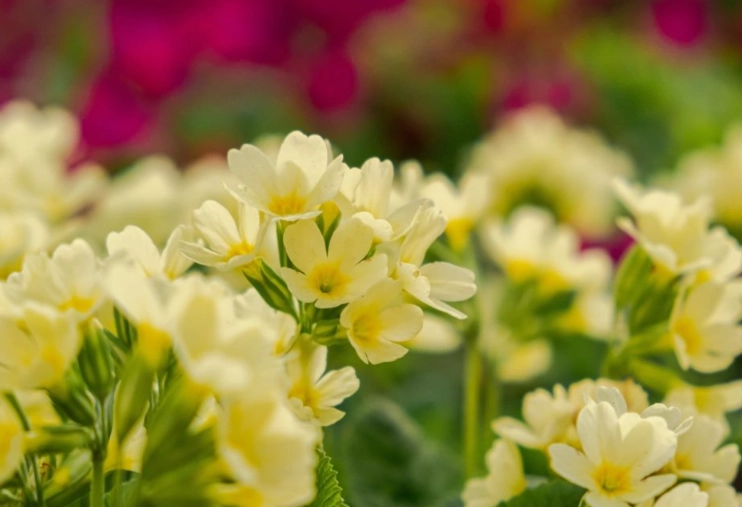
Here’s a quick breakdown of the main players you'll encounter, especially when you're trying to figure out if that primrose is a perennial for your garden.
| Common Name & Species | Typical Appearance | Perennial Status & Hardiness | Best For |
|---|---|---|---|
| English Primrose (Primula vulgaris) | Pale yellow, single flowers on short stalks amid wrinkled leaves. Simple and charming. | Excellent perennial. Very hardy (Zones 4-8). Long-lived if happy. | Naturalizing in dappled shade, woodland edges, cottage gardens. |
| Polyanthus Primrose (Complex hybrids, often P. vulgaris x P. veris) | The classic "pot primrose." Clusters of flowers in many colors on a central stem above a leaf rosette. | Usually perennial. Hardy (Zones 5-8). Some modern strains are bred for color, not longevity. | Early spring container color, border edging, mass planting. |
| Candelabra Primrose (Primula beesiana, P. bulleyana, etc.) | Tall flower stalks with tiers of blooms in shades of orange, pink, purple. Looks exotic. | Strong perennial. Prefers cool, moist sites (Zones 5-7). Can self-seed. | Bog gardens, stream sides, moist perennial borders. |
| Drumstick Primrose (Primula denticulata) | Perfect globe-shaped flower heads on sturdy stems in early spring. Purple, white, or red. | Reliable perennial. Very hardy (Zones 2-8). One of the first to bloom. | Rock gardens, front of borders, naturalizing in grass. |
| Primrose sold as "Annual" (Often Primula malacoides or P. obconica) | Delicate, tiered flowers (Fairy Primrose) or large clusters (German Primrose). Sold in florist shops. | Tender perennial or annual. Not frost-hardy. Often grown indoors or as seasonal annuals. | Winter/spring indoor pots, sheltered patios in mild climates. |
See what I mean? That table shows why the question "is primrose a perennial" needs context. If you bought a Fairy Primrose for your coffee table, it's not going to survive a winter outside in Chicago. But if you planted a Drumstick Primrose, it might outlive your garden bench.
I made the mistake once of treating a beautiful, hot-pink polyanthus primrose like a royal guest – rich soil, full sun, the works. It bloomed its head off that first spring and then completely vanished. No trace. I learned later that particular hybrid was a bit of a diva and hated soggy winter feet (my rich soil held too much water). Meanwhile, the plain yellow English primroses I almost overlooked have been steadily multiplying in a shady, mediocre-soil spot for five years now. Sometimes the fanciest one isn't the toughest perennial.
The Non-Negotiable Needs for a Happy Perennial Primrose
So you want your primrose a perennial to actually behave like one. To come back, year after year. It's not magic, it's just meeting their basic needs. Forget one of these, and you're rolling the dice.
Soil: It's All About the "Feet"
This is the biggest make-or-break factor, in my experience. Primroses have shallow root systems that rot easily if they're waterlogged, especially in winter. But they also hate drying out completely in summer.
The golden rule? Well-draining soil that stays consistently moist. It sounds like a contradiction, but it's not. It means soil that lets excess rainwater drain away quickly, but has enough organic matter (like compost or leaf mold) to hold onto moisture like a sponge for the plant's roots to drink from later.
Heavy clay soil is a death sentence unless you amend it hugely. Sandy soil drains too fast. The sweet spot is loam. If you're not sure what you have, a simple test is to dig a hole, fill it with water, and see how long it takes to drain. If it's gone in an hour, too sandy. If it's still there the next day, too clayey. You're aiming for a few hours.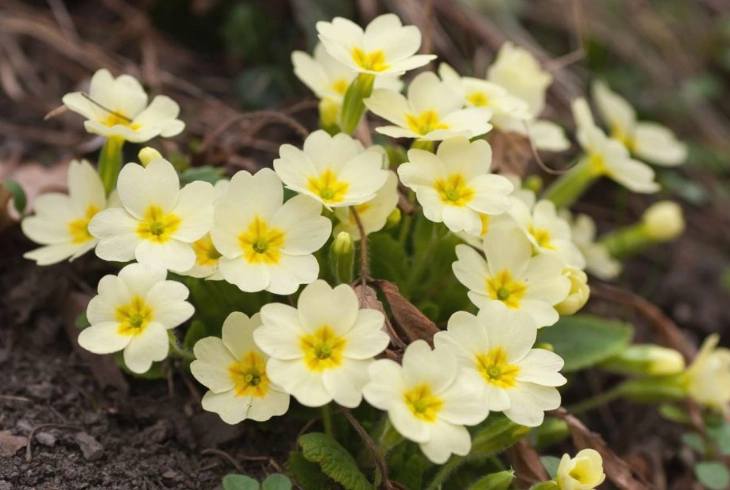
Quick Fix for Bad Soil: Don't dig a tiny hole and just replace the dirt in it. That creates a "bathtub" effect where water pools. Instead, work a 3-4 inch layer of compost or well-rotted manure into the entire planting area. For heavy clay, add coarse sand or fine grit. Raising the planting bed by even a few inches improves drainage dramatically.
Light: The Shade Myth
"Part shade" is the mantra for primroses, and it's mostly right. But "part shade" doesn't mean deep, dark gloom under a pine tree. Most primroses need good, dappled light or morning sun with afternoon shade.
Why? They need light to produce flowers and strong growth. In full, hot afternoon sun, especially in warmer zones (7+), the leaves scorch, the soil dries out too fast, and the plant exhausts itself. It might bloom one year and then give up.
In cooler climates (Zones 4-6), some primroses can handle more sun if the soil moisture is perfect. But as a general rule, a spot that gets sun from sunrise until about 1 pm, then shade, is ideal. Under a deciduous tree is perfect—sun in early spring when they bloom, shade when the heat arrives.
Climate and Hardiness Zones
This is the official guide to whether a primrose a perennial can survive your winters. The USDA Plant Hardiness Zone Map is your best friend here. Check the tag on the plant or the seed packet.
Most garden primroses are happy in Zones 5-7. Some, like the tough Primula denticulata, can handle the bitter cold of Zone 3. Others, mainly the tender types sold as houseplants, are only for Zones 9-11 outdoors.
The problem zone is often the warmer end. Primroses are cool-season plants. They thrive in the mild, damp springs of the Pacific Northwest or the UK. In the hot, humid summers of the American South (Zone 8 and above), they struggle. They often go dormant or die outright from the heat, even if they survived the winter. In these areas, they're often treated as winter annuals, planted in fall for spring bloom, then replaced.
You can find resources on the official USDA website to pinpoint your zone.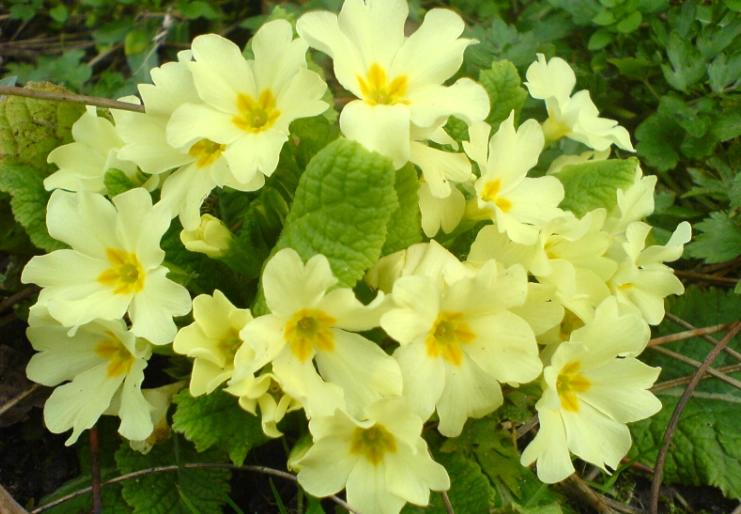
Step-by-Step: Planting and Caring for Your Perennial Primrose
Alright, theory is over. Let's get your hands dirty. Here’s how to give a primrose its best shot at a long perennial life.
Planting Time and Method
The absolute best time to plant primroses is in early fall or early spring. Cool, moist weather lets them establish roots without the stress of heat.
- Dig a hole twice as wide as the pot but no deeper. You want the crown (where the stems meet the roots) to be right at soil level, not buried. Burying it invites rot.
- Tease the roots gently if they're pot-bound. Don't be afraid to loosen them up so they grow outward.
- Place it in the hole, backfill with your improved soil, and firm it gently.
- Water deeply right after planting. This settles the soil and eliminates air pockets.
- Add a 1-2 inch layer of mulch (shredded leaves, compost, or bark chips) around the plant, but keep it away from the crown. Mulch is a lifesaver—it keeps roots cool, conserves moisture, and suppresses weeds.
Simple, right? The planting isn't the hard part.
The Year-Round Care Routine
Watering: Consistency is key. Water deeply when the top inch of soil feels dry. In spring and fall, rainfall might do the job. In summer, you'll likely need to water once or twice a week, especially if it's dry. A soaker hose is fantastic for this.
Feeding: Primroses aren't heavy feeders. A single application of a balanced, slow-release organic fertilizer in early spring as they start growing is plenty. Or, top-dress with compost. More is not better—excess fertilizer leads to soft, weak growth that pests love.
Deadheading: This is the secret to keeping some primroses looking tidy and encouraging a bit more bloom. Snip off the faded flower stalks at the base. For polyanthus types, you can often snap off the whole cluster with your fingers. For English primroses, just pick the individual dead flowers. But here's a tip: if you want them to self-seed, leave a few flower heads on at the end of the season to ripen.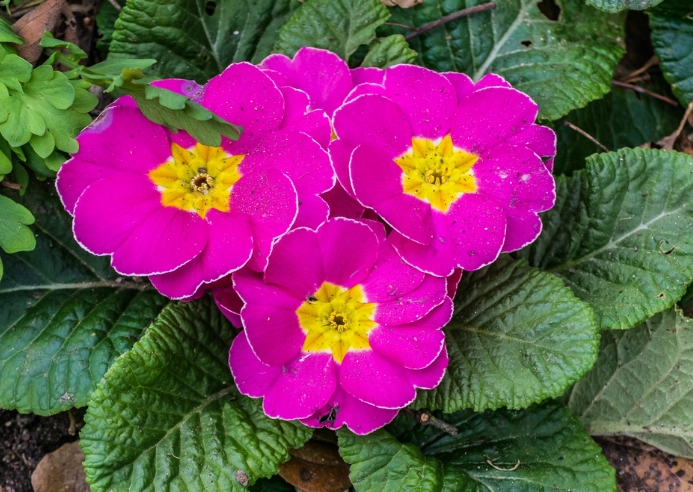
Winter Care: In fall, after the first hard frost, you can cut back the old, tatty leaves. Or, you can leave them as a natural mulch and clean up in early spring. The evergreen rosette of leaves on many primroses is actually providing protection to the crown. If you have harsh winters with no snow cover, a light covering of evergreen boughs or extra leaves after the ground freezes can help. The main winter enemy is not cold, but wet. Ensure the site is well-drained!
Watch Out For: Slugs and snails think primrose leaves are a gourmet salad. In damp weather, check for them at night or use pet-safe slug bait. Aphids can sometimes cluster on new flower stems. A strong blast of water usually dislodges them. The worst disease is crown rot, caused by poor drainage. If the plant suddenly wilts and the crown is mushy, it's usually fatal. Prevention (good drainage) is the only cure.
Propagation: Making More of Your Favorite Primrose Perennial
Once you have a happy, healthy clump, you can make more! This is how you spread that primrose a perennial joy around your garden for free. The two easiest methods are division and seed.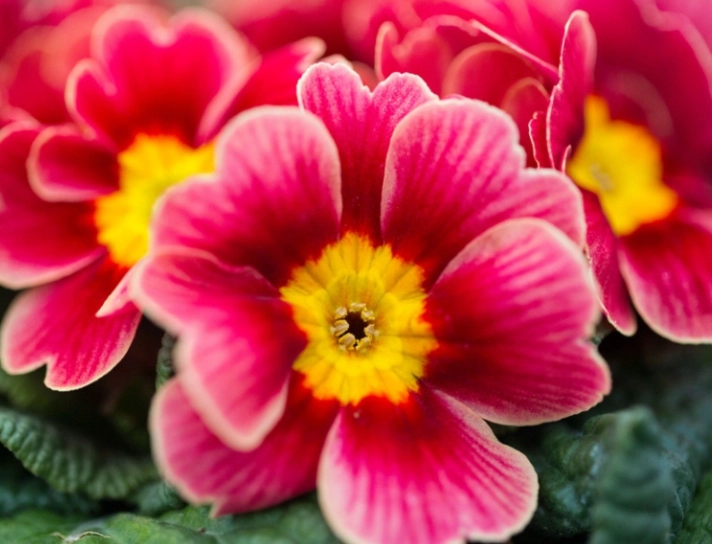
Division: This is the quickest way to get identical new plants. Do it right after flowering finishes in late spring or in early fall.
- Water the plant well the day before.
- Dig up the entire clump carefully.
- Gently pull or cut the clump apart into smaller sections, each with some roots and several growing points (crowns). You might need two garden forks back-to-back to pry apart a tough clump.
- Replant the divisions immediately at the same depth they were growing, water well, and keep them shaded for a week or two while they recover.
Growing from Seed: This is fun, but slower, and hybrid plants won't come true from seed (the offspring will be variable). Collect seed from dried seed heads in summer. Sow them on the surface of a moist seed-starting mix in a pot. Primrose seeds often need light to germinate, so don't bury them. They also benefit from a period of cold stratification. An easy method is to sow the pot in fall, leave it outdoors over winter (protected from critters), and let them germinate naturally in spring. The Royal Horticultural Society (RHS) has an excellent, detailed guide to seed propagation that covers these techniques well.
Answering Your Burning Primrose Questions
The Final Word: Is Primrose a Perennial For You?
So, after all this, let's circle back. Is primrose a perennial? For most gardeners, with the right plant in the right place, absolutely yes. It's a plant that rewards a little understanding with years of early-season color.
The key is to stop thinking of them as disposable pops of color and start thinking of them as small, permanent woodland plants. Match the type to your climate. Give them that holy grail of well-drained but moisture-retentive soil in part shade. Protect them from summer drought and winter sogginess.
If you do that, you won't just be buying a plant for one spring. You'll be planting a perennial friend that greets you earlier than almost anything else each year, a sure sign that winter is finally, truly over. And that's a feeling that comes back, year after year, just like a good primrose should.
Now go check your garden's drainage. Your future perennial primroses will thank you for it.