Explore This Guide
Let's talk about the Grand Fir. You've probably seen one, even if you didn't know its name. Maybe you smelled it first—that sharp, citrusy, almost tangerine-like scent that cuts through the damp air of a Pacific Northwest forest. That's the calling card of Abies grandis, the grand fir. It's not always the flashiest tree in the woods, but it's one of the most interesting, useful, and frankly, underrated conifers out there.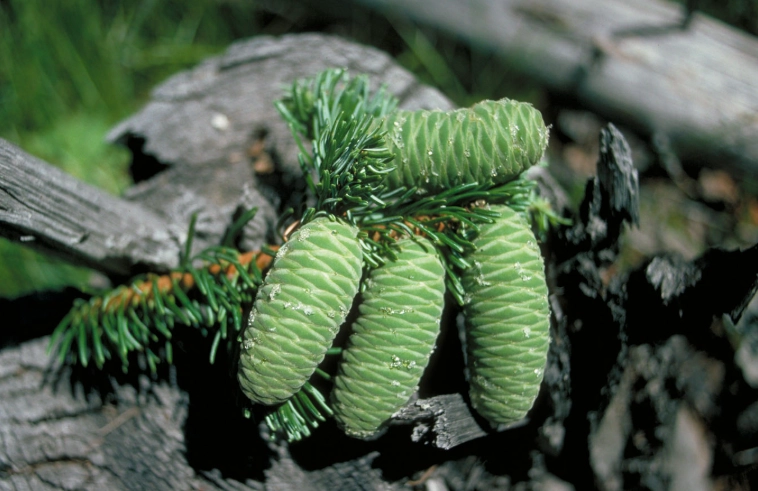
I remember the first time I positively identified one. I was on a hike, convinced every tall fir was a Douglas fir. Then I got up close, crushed a needle, and took a whiff. Bingo. It was like someone peeled an orange in the middle of the forest. That moment of connection, of moving from a generic "evergreen" to knowing its specific name and story, changed how I saw the whole landscape. That's what I want for you with this guide. We're going to move past the generic and get to know this specific tree, inside and out.
What Exactly Is a Grand Fir? Let's Get the Basics Down
The grand fir, scientifically known as Abies grandis, is a true fir native to the Pacific Northwest of North America. Its range is impressive, stretching from coastal British Columbia down through western Washington and Oregon, and into isolated pockets in Northern California and the inland mountains of Idaho and Montana. It's a tree of contradictions: it can be a towering giant in the moist coastal lowlands, reaching over 200 feet, or a more modest, scrappier survivor in drier, interior sites.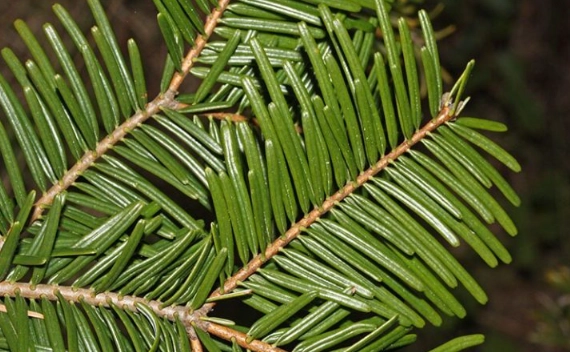
What defines it? For foresters and ecologists, it's a key species in many mid-elevation, mixed-conifer forests. For gardeners, it's a potential majestic specimen (if you have the space). For anyone who celebrates Christmas, it might be the perfect tree waiting to be discovered. But before we get to uses, you need to be able to spot one. And with firs, spruces, and pines all looking vaguely similar to the untrained eye, identification is where most people get stuck.
How to Spot a Grand Fir: A Simple Identification Key
Forget complicated botanical keys for a minute. Here’s the practical, in-the-field method I use.
First, the needles.
This is your best clue. Grand fir needles are flat, not square or round. They have two distinct white-ish stripes (stomatal bands) on the underside, and they're usually arranged in a sort of flattened, two-ranked spray on the twig, like a comb. But here’s the real trick: length variation on the same twig. Look closely. You'll see shorter needles (maybe half an inch) on the top of the twig and much longer ones (often 1.5 to 2 inches) growing out the sides and bottom. No other fir in its range does this quite so dramatically. It's a dead giveaway.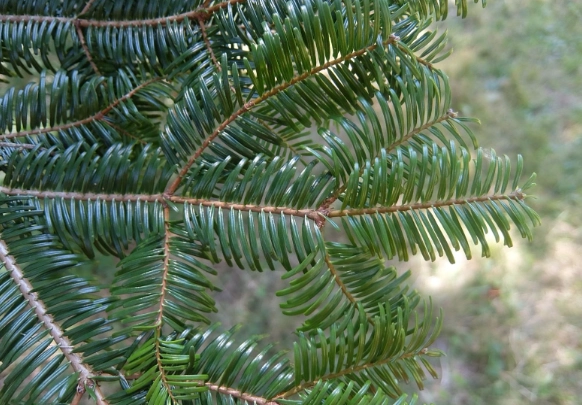
Second, the bark.
Young grand fir bark is smooth, gray, and covered in resin blisters (don't pop them—the resin is sticky!). As it ages, it becomes thick, corky, and deeply furrowed, turning a reddish-brown. It never gets the super thick, fire-resistant plates of a Ponderosa Pine, but it's not the papery, flaky stuff of a Madrone either.
Third, the cones and the smell.
Like all true firs, grand firs hold their cones upright on the top branches, like purple-green candles. They disintegrate on the tree, so you rarely find intact cones on the ground—you'll just see the central "spike" (the rachis) and scales littering the forest floor beneath a mature tree. And the smell? Crush a needle. If you get a powerful citrus-orange aroma, you've almost certainly got a grand fir. Douglas fir smells more resinous and piney. This scent test is surprisingly reliable.
Quick ID Checklist: Flat needles with white lines underneath? Check. Short needles on top of twig, long ones underneath? Check. Smooth, blistered gray bark (young) or thick, corky brown bark (old)? Check. Citrus smell from crushed needles? Grand Slam. You've found your Abies grandis.
Grand Fir vs. The Imposters: A Handy Comparison
It's easy to mix it up with its neighbors. Here’s a quick breakdown to end the confusion.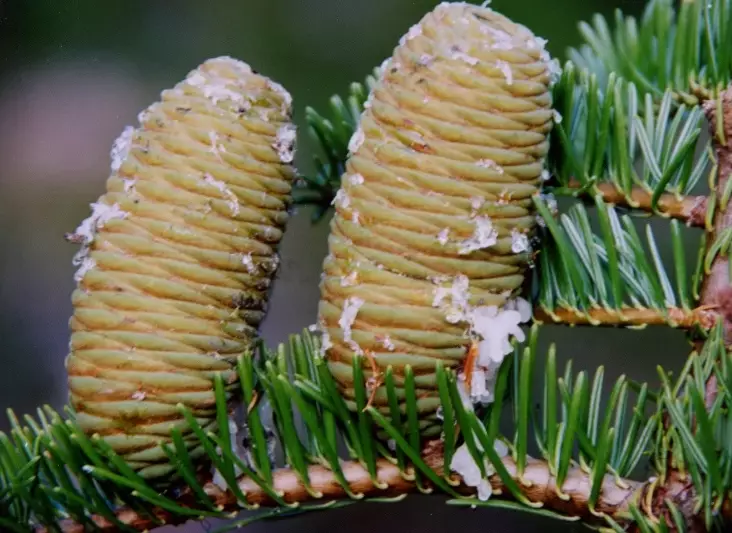
| Tree | Needles | Bark (Mature) | Cones | Key Differentiator |
|---|---|---|---|---|
| Grand Fir (Abies grandis) | Flat, 2-ranked, varying length, strong citrus scent. | Thick, corky, furrowed, reddish-brown. | Upright, high in tree, disintegrate. | The citrus smell and two-toned needle length. |
| Douglas Fir (Pseudotsuga menziesii) | Soft, flat, single needle length, sweet/resinous scent. | Very thick, corky, deeply furrowed, dark brown. | Hang down, have distinctive "mouse tail" bracts. | Hanging cones with "3-pointed bracts." No citrus smell. |
| White Fir (Abies concolor) | Long, curved, often uniform blue-green/silvery color. | Thick, ashy-gray, furrowed into long ridges. | Upright, disintegrate. | Needles are all the same long, curved shape. Lemon scent is milder. |
| Subalpine Fir (Abies lasiocarpa) | Short, uniform length, crowded upward on twig. | Thin, smoothish with resin blisters, gray. | Upright, dark purple, high in tree. | Grows at much higher elevations. Neat, brush-like needle arrangement. |
See? Once you know what to look for, it's not so hard. The grand fir carves out its own identity.
Why Should You Care? The Many Hats of the Grand Fir
Okay, so you can identify it. Big deal. Why does this tree matter? It turns out, Abies grandis grand fir wears a lot of hats in the human and natural world. Some of these might surprise you.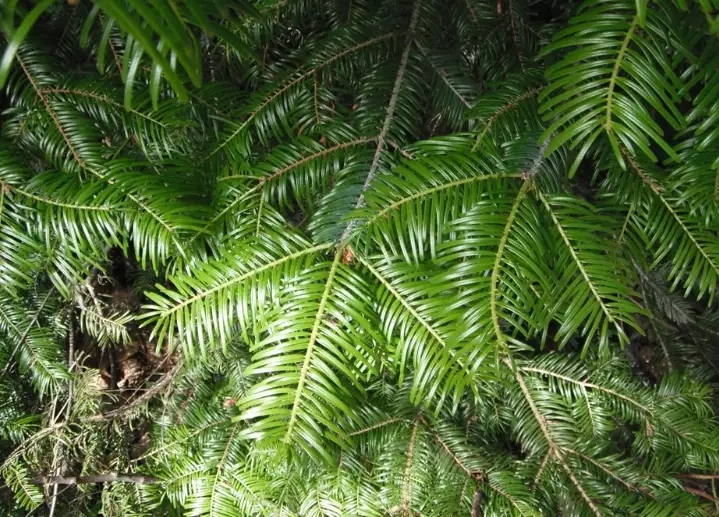
The Surprising Christmas Tree Contender
Forget the sparse, needle-dropping stereotype of some firs. The grand fir is a fantastic Christmas tree, and it's gaining popularity for good reason. Its needles are soft to the touch (no prickly horrors here), they have excellent retention if kept watered, and that legendary fragrance will fill your entire house. It's not the perfect symmetry of a Fraser Fir, but it has a full, natural, slightly wild look that many people prefer. The branches are strong enough for moderate ornaments. If you're in the Pacific Northwest and looking for a local, fragrant option, a grand fir Christmas tree should be at the top of your list. Just be prepared for the scent to be stronger than any tree you've likely had before.
More Than Just a Pretty Smell: Timber and Practical Uses
This is where the grand fir gets practical. Its wood is light, pale, relatively soft, and not particularly strong. That might sound like a bad review, but it makes it ideal for specific things: pulp for paper, light construction framing, and especially for plywood core stock and millwork. It's easy to work with—saws cleanly, nails without splitting too badly, and takes paint well. You won't build a barn out of it, but it's a workhorse for indoor applications. Historically, indigenous peoples used the bark for baskets and the pitch for medicinal purposes. The U.S. Forest Service's Fire Effects Information System (FEIS) has a deep dive on its ecological role and traditional uses, confirming its importance beyond just timber.
I have a friend who's a carpenter, and he has a love-hate relationship with grand fir lumber. He loves how easy it is to mill and work with for interior trim, but he grumbles about its lack of hardness—it dents if you look at it sideways. Still, for the right job, he always keeps some on hand.
The Unsung Ecological Hero
In the forest, the grand fir is a team player. It's moderately shade-tolerant, which means it can grow in the understory and patiently wait for a gap in the canopy. This makes it a crucial "successional" species, helping to fill in forests after a disturbance like fire or wind. Its seeds are a food source for squirrels, birds like crossbills, and other small mammals. Its dense foliage provides cover. But here's a less glamorous truth: in some fire-suppressed forests, grand fir has proliferated where it historically wouldn't have, creating dense, fuel-heavy understories. It's not as fire-resistant as a Ponderosa or Larch. So in ecology, it's a bit of a mixed bag—a vital native species that can also indicate an out-of-balance forest system. The Gymnosperm Database entry on Abies grandis provides excellent scientific detail on its habitat and ecology for those who want to dig deeper.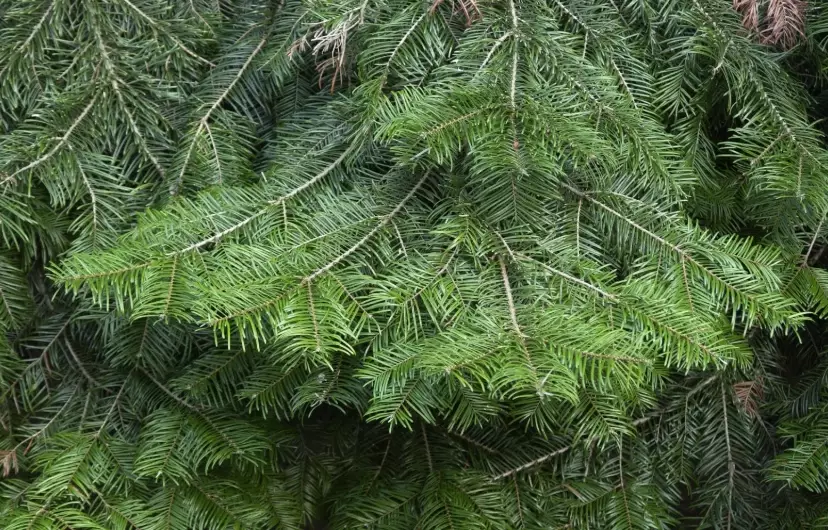
Thinking of Planting a Grand Fir? Read This First.
Maybe you've fallen in love with the idea of a grand fir in your backyard. I get it. The scent, the majesty, the wildlife appeal. But hold on. This isn't a decision to make lightly. Planting an Abies grandis grand fir is a commitment measured in decades, not years.
Do you have the space? I mean, really have the space? This tree can easily hit 70-100 feet tall and 20-30 feet wide in a landscape setting. It's not for a small urban lot. Planting it too close to a house, driveway, or power line is a recipe for expensive tree removal later.
What's your climate? Grand fir thrives in cool, moist climates with well-drained soil. It loves the Pacific Northwest fog belt. If you're in a hot, dry summer area, it will struggle, require constant watering, and be prone to pests and disease. It's hardy to USDA zone 6, but the summer humidity of the East Coast can also cause issues like fungal diseases. Check the USDA Plants Database profile for Abies grandis to see its native range—that's your best clue for where it will be happy.
A Step-by-Step Guide to Planting and Early Care
If you've passed the space and climate test, here's how to give your tree the best start.
- Source a healthy sapling. Buy from a reputable native plant nursery. Look for a container-grown or balled-and-burlapped tree with vibrant green needles, no signs of insect damage, and a good root system (not circling densely around the pot).
- Pick the perfect spot. Full sun to partial shade. Well-drained soil is non-negotiable. They hate "wet feet." Think about the future canopy—far from structures.
- Plant it right. Dig a hole twice as wide as the root ball but no deeper. The root flare (where the trunk widens at the base) must be level with or slightly above the soil grade. Planting too deep is a major killer. Backfill with the native soil, don't amend it heavily. Water deeply to settle.
- Mulch and water. Apply a 3-4 inch ring of wood chip mulch around the tree (keep it away from the trunk!). Water regularly for the first two years, especially during dry spells. The goal is deep, infrequent watering to encourage deep roots.
- Hold the fertilizer. Seriously, don't. Young firs are sensitive to fertilizer burn. If your soil is decent, they don't need it.
The reality check.
They can be slow starters. Don't expect explosive growth in the first five years. They're putting energy into their root system. Be patient. And watch for pests like aphids or woolly adelgids, which show up as white, cottony fluff on the bark. A strong blast of water from a hose can often handle minor infestations.
Common Questions About Grand Fir (Abies Grandis)
The Final Word: Is the Grand Fir Right for You?
The grand fir, Abies grandis, is a fascinating tree. It's a cornerstone of its native ecosystem, a surprisingly good Christmas tree, and a useful, if not glamorous, timber tree. Its defining characteristic—that vibrant citrus scent—is a gift to anyone who encounters it.
But I'll be honest: it's not a tree for everyone. As a landscape specimen, it demands space, the right climate, and patience. If you can meet those needs, you'll be rewarded with a majestic, fragrant, and wildlife-friendly giant that will grace your property for generations. If you can't, that's okay. Just learn to identify it on your next walk in the woods. Crush a needle, take in that incredible aroma, and appreciate this grand member of the fir family for what it is—a true Pacific Northwest original.
So next time you're tree shopping or hiking through a mixed conifer forest, look for those two-toned, flat needles. Give them a squeeze. If you get a burst of orange peel, smile. You've just met the grand fir.