Let's talk about a plant that seems to laugh in the face of neglect. You might know it as hens and chicks, houseleek, or by its proper Latin name, the sempervivum plant. I remember the first one I ever got was a tiny, forgotten thing in a cracked plastic pot at a garage sale. I paid a quarter for it, stuck it on a sunny windowsill, and basically forgot about it for weeks. When I finally remembered, expecting the worst, it wasn't just alive—it was thriving, and it had produced three little baby plants huddled around it.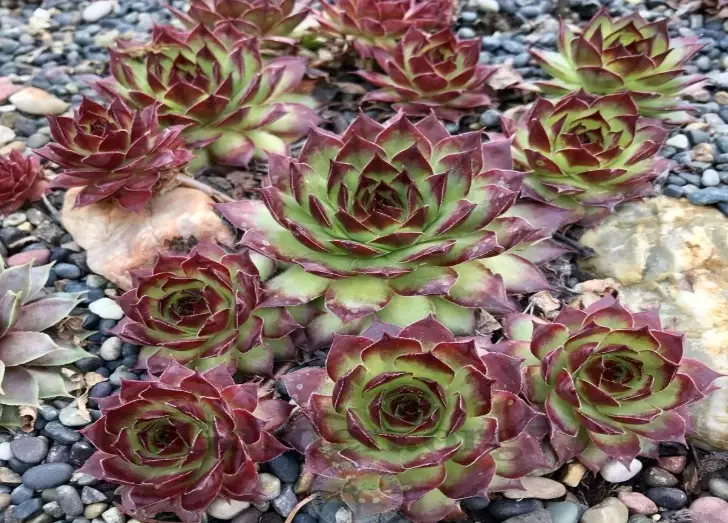
What's Inside This Guide
Why Choose a Sempervivum Plant?
Before we dive into the how-to, let's talk about the why. Why has this succulent been a staple in European rock gardens and on thatched roofs for centuries?
First off, the name says it all. Sempervivum translates from Latin to "always living" or "live forever." It's a bold claim, but one they often live up to. Their growth habit is what gives them the common name "hens and chicks." The main plant (the hen) sends out horizontal stems called stolons, on which miniature copies of itself (the chicks) form. The hen will eventually flower, a spectacular and often surprising event, and then die, leaving the chicks to carry on. It's a cycle of constant renewal.
Hardiness and Resilience
Most sempervivum varieties are shockingly cold-hardy. Many can survive temperatures down to -30°F (-34°C) when planted in the ground, as noted in plant hardiness resources from institutions like the USDA. This makes them perfect for gardeners in cold climates who crave year-round structure in their gardens. Seeing a sempervivum dusted with snow, its colors intensified by the frost, is a winter gardening joy.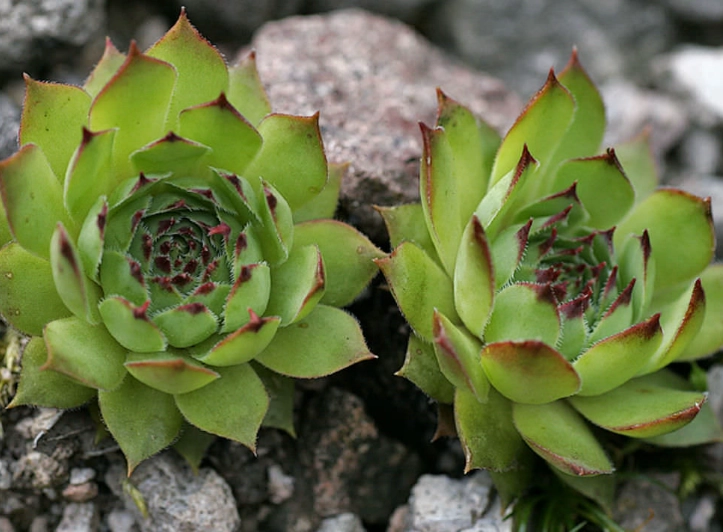
Drought Tolerance Champion
Their succulent leaves store water, making them exceptionally drought-tolerant once established. In an era of water-conscious gardening, a sempervivum plant is a responsible and beautiful choice. They're ideal for xeriscaping, green roofs, and those hot, dry spots in your yard where nothing else seems to want to grow.
Low Maintenance, High Reward
We're all busy. The appeal of a plant that doesn't need constant coddling is huge. No need for daily watering, intricate pruning schedules, or frequent fertilizing. They ask for so little but give back so much in terms of form and color.
Getting Started: Planting Your Sempervivum
Okay, you're sold. You've brought home your first sempervivum. Now what? The setup is crucial, but it's not complicated. Get this part right, and you've won 90% of the battle.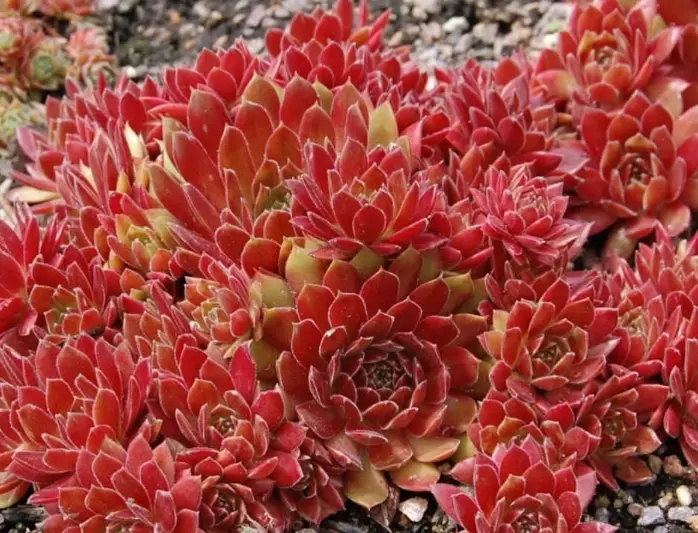
The Non-Negotiable: Drainage
This is the single most important factor. Sempervivum plants despise "wet feet." Their roots will rot quickly if left sitting in soggy soil. Whether you're planting in a pot or the ground, ensure water can escape freely.
- For Pots: Always use a container with a drainage hole. No exceptions. I've tried the "layer of rocks at the bottom" trick, and it's not a reliable substitute for a proper hole.
- For Garden Beds: If you have heavy, clay-based soil, you'll need to amend it. Raised beds or mounds are excellent solutions for improving drainage.
Choosing the Right Soil
They need a gritty, lean, fast-draining mix. Regular potting soil is too moisture-retentive. You have a few great options:
- Pre-mixed Cactus & Succulent Soil: A convenient and reliable choice available at any garden center.
- The DIY Mix: For ultimate control, mix 2 parts regular potting soil with 1 part coarse sand or poultry grit and 1 part perlite or pumice. This creates the perfect airy, fast-draining environment.
Sunlight: Where Color Comes From
While sempervivums can tolerate partial shade, they truly shine in full sun. Six or more hours of direct sunlight is ideal. Sunlight is what brings out the incredible reds, purples, blues, and bronzes in their foliage. A sempervivum in deep shade will often be a uniform green and can become stretched or "leggy" as it reaches for light.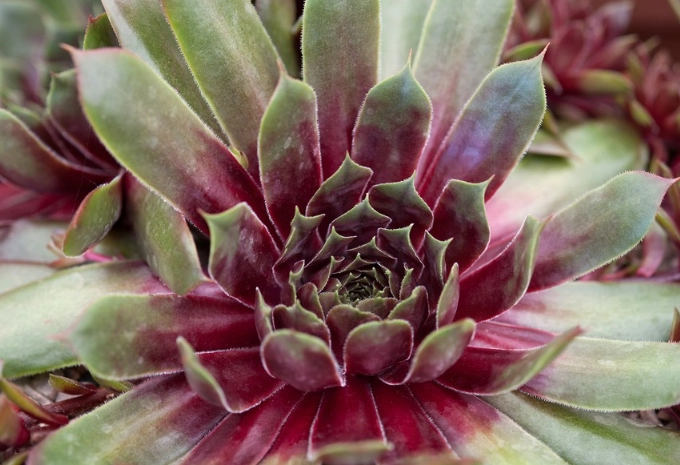
Acclimate new plants gradually if they've come from a greenhouse or indoor setting to prevent sunburn.
The Simple Care Routine (There's Not Much!)
Here's where the "low maintenance" promise is kept. Your care calendar for a sempervivum plant is refreshingly empty.
Watering: The Golden Rule
The mantra for watering sempervivums is "Soak and Dry."
- Wait until the soil is completely dry all the way through. You can stick your finger in the soil, or for potted plants, feel the weight—it will be very light when dry.
- When you water, do so thoroughly. Pour water until it runs freely out of the drainage holes. This ensures the entire root ball gets moisture.
- Walk away. Do not water again until the soil is bone dry once more.
In the ground, established plants may rarely need supplemental water except in prolonged, severe droughts. In pots, you'll water more frequently, perhaps every 1-2 weeks in summer and every 3-4 weeks or less in winter.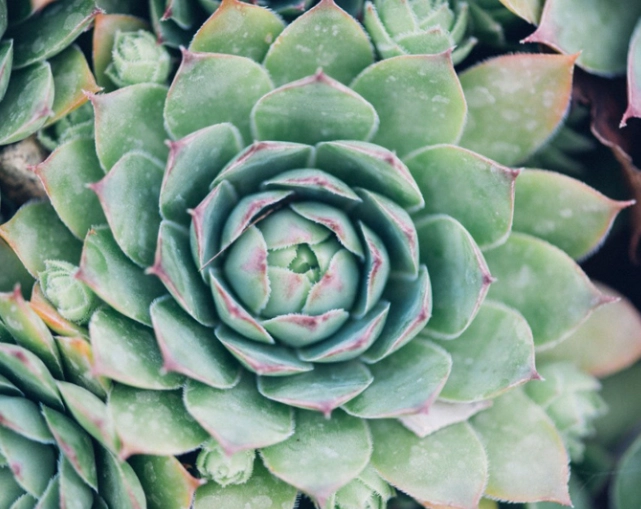
Fertilizer: Less is More
You really don't need to fertilize your sempervivum. At all. They are adapted to poor, rocky soils. If you feel you must, a single, very diluted dose of a balanced, water-soluble fertilizer (at 1/4 strength) in early spring as they break dormancy is more than enough. Over-fertilizing leads to excessive, weak growth and dull colors.
Winter Care Indoors vs. Outdoors
This is a key point of confusion. Sempervivums need a cold dormancy period to thrive long-term. They are not ideal as permanent houseplants in warm, consistent indoor conditions.
| Condition | Outdoor/Ground Planted | Potted & Brought Indoors |
|---|---|---|
| Best For | Their natural life cycle, best color, flowering. | Overwintering in extremely cold climates (below -30°F), or for temporary display. |
| Care | Simply stop watering in fall. Protect from excess winter wetness with a pane of glass or move pots to a covered area. Snow is a great insulator! | Place in the brightest, coolest spot you have (a cold garage window, unheated sunroom). Water very sparingly, only once a month or less. |
| Potential Issues | Rot from cold, wet soil (not cold air). | Etiolation (stretching), loss of color, pest infestations (mealybugs), and general decline if kept too warm for multiple seasons. |
My personal take? Unless you're in the Arctic, try to let them experience winter outdoors. Their transformation in cold weather is part of their charm.
Troubleshooting Common Sempervivum Problems
Even the tough guys can have issues. Let's diagnose the most common complaints.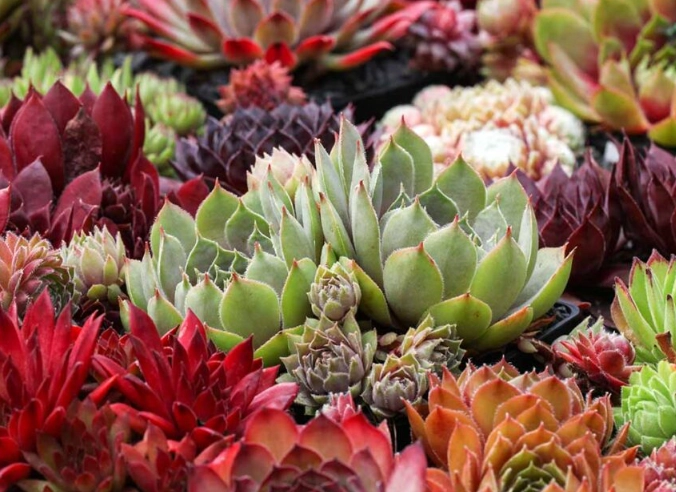
The Big One: Overwatering and Rot
Symptoms: Lower leaves turn mushy, translucent, and brown or black. The center of the plant (the growth point) may collapse. The plant feels soggy.
Cause: Soil staying wet for too long, poor drainage, or watering too frequently.
Solution: This is often fatal. If caught early, unpot the plant, remove all mushy leaves and roots with a sterile knife, let it callous over for a few days, and replant in fresh, dry, gritty mix. Do not water for a week. Prevention is key—master the "soak and dry" method.
Pests: The Usual Suspects
Sempervivums are largely pest-resistant, but no plant is immune.
- Aphids: Sometimes attracted to the flower stalks. A strong blast of water or insecticidal soap takes care of them.
- Mealybugs: More common on indoor plants. They look like tiny bits of white cotton in the leaf axils. Dab with a cotton swab dipped in rubbing alcohol.
- Birds & Squirrels: Surprisingly, these can be a nuisance! They sometimes uproot young chicks, possibly looking for grit or water. A light layer of sharp gravel on the soil surface can deter them.
Etiolation (Stretching)
Symptoms: The plant becomes tall and leggy, with large gaps between leaves. It loses its tight rosette shape.
Cause: Insufficient sunlight.
Solution: Move the plant to a much sunnier location. You can't reverse the stretch, but new growth will be compact. You can also behead the plant—cut off the compact top, let it callous, and replant it. The stretched stem will often produce new chicks.
Top Sempervivum Varieties to Fall in Love With
The genus Sempervivum boasts hundreds of cultivars, each with unique colors and forms. Here are a few standout types that showcase the range. The Royal Horticultural Society's plant database is a fantastic resource for exploring even more.
Sempervivum arachnoideum (Cobweb Houseleek)
The classic. Tiny rosettes covered in fine, white, hair-like threads that look like a cobweb stretched across the plant. It's magical when backlit by the sun. Super cold-hardy and perfect for fairy gardens.
Sempervivum tectorum (Common Houseleek)
The original roof-dweller. Larger rosettes with green leaves tipped in maroon. This is the workhorse, historically planted on roofs in Europe to ward off fire and lightning (according to folklore).
Sempervivum 'Pacific Blue Ice'
A personal favorite. This one has large, open rosettes in a stunning, frosted blue-green. The leaf tips blush a soft pink in full sun and cold weather. It's a vigorous grower and makes a bold statement.
Sempervivum 'Oddity'
Truly unique. Its leaves are rolled into tight tubes, making the rosette look like a cluster of little green claws or worms. A fantastic conversation starter that proves how weird and wonderful succulents can be.
Sempervivum 'Ruby Heart'
As the name suggests, the center of this rosette is a deep, glossy ruby red, fading to green at the leaf tips. The color is intense and holds well throughout the seasons.
My advice? Start with a mixed collection. It's the best way to learn which colors and forms you're drawn to, and they look spectacular planted together.
Creative Uses for Sempervivum
These aren't just plants for a terracotta pot on the patio. Their versatility is astounding.
Living Roofs and Green Walls
Their shallow root systems, drought tolerance, and hardiness make sempervivums one of the best plants for extensive green roofs. They can handle the thin soil, wind, and temperature extremes of a rooftop. Organizations promoting sustainable architecture, like Living Roofs, often highlight succulents like sempervivum for these applications.
Fairy Gardens and Terrariums (Open Ones!)
Their miniature scale is perfect for whimsical gardens. Crucial note: Never put a sempervivum in a closed terrarium. The trapped humidity will spell a quick, mushy death. Use open dishes, shallow pots, or frames.
Container Gardens with Character
Plant them in strawberry pots, old boots, hypertufa troughs, or between the cracks of a stone wall. They pair beautifully with other drought-tolerant plants like sedums, small ornamental grasses, or creeping thyme.
Rock Gardens and Dry Borders
This is their natural habitat. Tuck them between rocks where their geometric forms can contrast with the natural stone. They'll slowly spread to fill the space, creating a living mosaic.
Frequently Asked Questions (FAQs)
So, there you have it. The complete, no-fluff guide to the wonderful world of sempervivum plants. They ask for little—a sunny spot, gritty soil, and a good soak only when they're parched. In return, they offer architectural beauty, a kaleidoscope of colors, and the quiet satisfaction of growing something truly resilient. Whether you're creating a sprawling rock garden or just need a bit of life on a sunny kitchen windowsill, there's a sempervivum out there for you. Give them a try. They might just become the most reliable, and most beautiful, plants in your care.