Quick Navigation
- Is That a Pacific Dogwood? How to Properly Identify Cornus Nuttallii
- Where Does Cornus Nuttallii Want to Live? Nailing the Location
- Getting Your Hands Dirty: The Planting Process
- Keeping It Happy: Ongoing Care for Your Pacific Dogwood
- What's Wrong With My Tree? Common Problems and Solutions
- Beyond the Basic Tree: Landscape Uses and Design Ideas
- Frequently Asked Questions About Pacific Dogwood
Let's talk about one of the most stunning native trees you can add to a garden in the Pacific Northwest, and honestly, one that deserves more attention elsewhere if you can give it what it needs. I'm talking about the Pacific Dogwood, or Cornus nuttallii if you want to get botanical about it. You've probably seen its famous white "flowers" (they're actually bracts, but we'll get to that) lighting up the understory of a coastal forest in spring. It's the kind of tree that makes you stop and stare. But can you bring that magic into your own yard? Absolutely. Is it easy? Well... let's just say it has opinions.
I remember the first time I planted one. I was so captivated by a specimen I saw on a hike near Mount Rainier that I rushed to the nursery, bought a small potted tree, and plopped it into a sunny spot in my clay-heavy soil, dreaming of future springs. It sulked for two years, barely grew, and then got hit with a nasty case of powdery mildew. Not the glorious vision I had. That experience taught me that Cornus nuttallii isn't just another landscape tree. It's a creature of specific habitats, and if you listen to what it wants, it rewards you like nothing else. If you ignore its needs, it'll let you know. This guide is everything I wish I'd known back then.
Is That a Pacific Dogwood? How to Properly Identify Cornus Nuttallii
Before you even think about planting, let's make sure we're all picturing the same tree. Misidentification happens, especially with the similar-looking Flowering Dogwood (Cornus florida) from the eastern US. Here’s how to be sure.
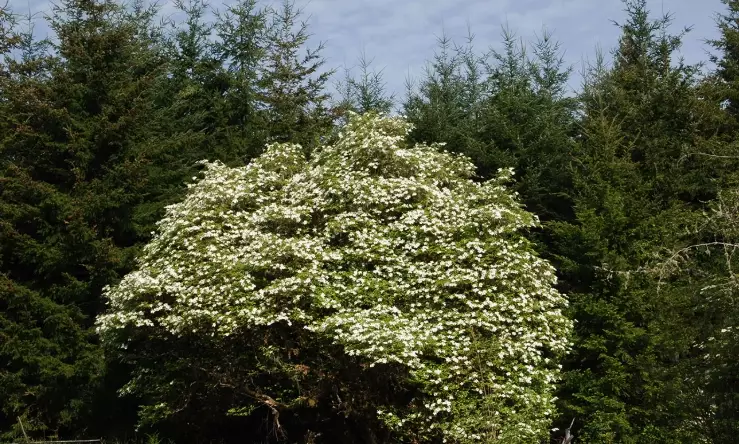
The most famous feature is the spring show. In mid to late spring, Cornus nuttallii produces what look like huge, four to six-inch wide white flowers. Here's the first botany lesson: those aren't petals. They're modified leaves called bracts. The actual flowers are the small, greenish-yellow, somewhat inconspicuous cluster in the center. The tree produces these bracts in profusion, often with six (sometimes four or eight) surrounding each flower cluster, creating a layered, elegant look. A mature tree in full bloom is a cloud of white.
Now, look at the leaves. They're simple, opposite (meaning they grow in pairs directly across from each other on the stem), and have an oval shape with pointed tips and smooth or slightly wavy edges. The veins curve gracefully along the leaf's shape. In fall, they turn spectacular shades of scarlet, orange, and crimson—a second, fiery act of beauty.
The bark is another giveaway. On younger trees and branches, it's smooth and grayish-brown. As the tree ages, the bark breaks into small, scaly, rectangular blocks that have a sort of alligator-hide appearance. It's quite attractive in winter.
Then come the fruits. By late summer, those central flower clusters develop into compound, bumpy-looking red berries that are a crucial food source for birds like band-tailed pigeons and grosbeaks. They're not considered edible for humans (and I wouldn't try them).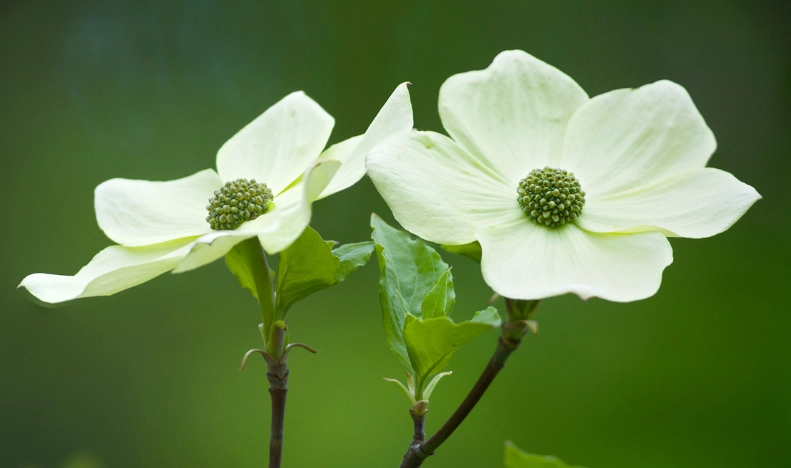
Where Does Cornus Nuttallii Want to Live? Nailing the Location
This is the single most important section. Get the location wrong, and nothing else you do will matter much. In the wild, Cornus nuttallii is an understory tree. It thrives in the dappled light beneath taller conifers like Douglas firs and hemlocks. This tells you everything about its preferences.
Light: The Goldilocks Zone
Full, blazing, all-day sun? That's a hard no, especially in hotter inland areas. The leaves will scorch, the tree will be stressed, and it becomes a magnet for problems. Deep, full shade? It might survive but will become leggy and produce very few of those famous bracts.
What it craves is partial shade. Think morning sun with afternoon shade, or bright, filtered light all day (the "forest canopy" effect). In the cool, foggy coastal belt, it can tolerate more sun. In hotter, drier interior valleys, it needs more protection. I made the sun mistake with my first one. My current one gets sun until about 1 PM, then it's sheltered by a tall maple. The difference in health is night and day.
Soil: It's All About the Feet
If you have heavy, slow-draining clay that turns into a sticky pond after rain, you have a challenge. Cornus nuttallii roots demand well-drained, acidic, humus-rich soil. They like it moist but never waterlogged. They absolutely despise "wet feet," which leads to root rot.
The ideal is something like the forest floor: spongy, full of decaying leaves (humus), and draining quickly. If your soil is clay, you must amend it heavily at planting time and consider planting on a slight mound to improve drainage. Sandy soil that drains too fast? You'll need to add lots of organic matter to help it retain moisture. A soil pH on the acidic side (5.5 to 6.5) is perfect. You can get a simple test kit to check.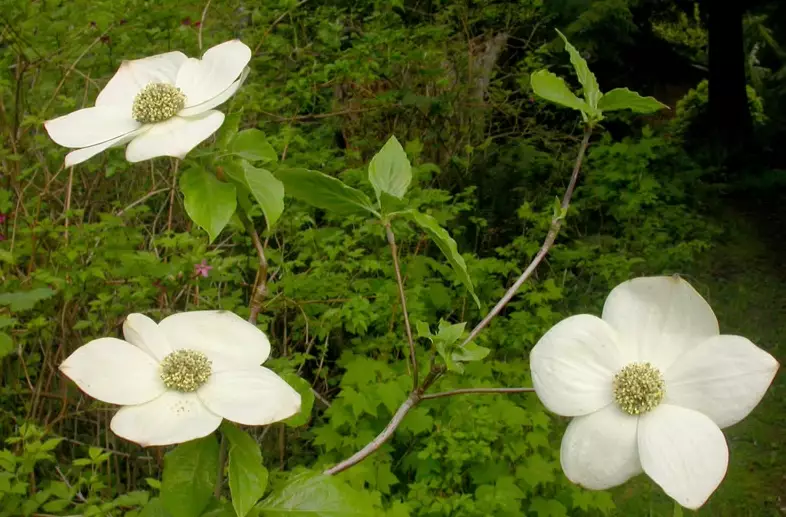
Getting Your Hands Dirty: The Planting Process
Okay, you've found the perfect spot with the right light and you've checked your soil. Now for the fun part. The best time to plant is in the fall or early spring when the weather is cool and rainy, giving the roots time to establish without the stress of summer heat.
- Dig a Wide, Shallow Hole: This is crucial. Don't dig a deep, narrow hole. The roots spread outward more than downward. Make the hole at least two to three times wider than the root ball, but only as deep as the root ball itself. Planting too deep is a common killer.
- Amend the Soil: Mix the native soil you removed with a generous amount of compost, well-rotted leaf mold, or peat moss (for acidity). A 50/50 mix is a good rule of thumb. This improves drainage, fertility, and structure.
- Handle with Care: Gently remove the tree from its container. Tease out any roots that are circling tightly around the root ball. If they're seriously pot-bound, you can make a few vertical slices with a clean knife to encourage outward growth.
- Plant and Backfill: Place the tree in the hole so the top of the root ball is level with or slightly above the surrounding ground. Backfill with your soil-amendment mix, firming it gently as you go to remove air pockets. Don't stomp it down hard.
- Water and Mulch Deeply: Create a shallow basin around the tree and water it slowly and thoroughly until the ground is saturated. Then, apply a 2-4 inch layer of organic mulch (wood chips, shredded bark, pine needles) in a wide circle around the tree. Keep the mulch a few inches away from the trunk itself to prevent rot. This mulch is a game-changer—it keeps roots cool, retains moisture, and slowly breaks down to feed the soil.
Keeping It Happy: Ongoing Care for Your Pacific Dogwood
Once established in a good spot, Cornus nuttallii isn't a high-maintenance diva, but it does need consistent attention, especially when young.
Watering: Consistency is Key
This is non-negotiable for the first 2-3 years. The soil should be kept evenly moist, not soggy. During dry spells in summer, deep watering once a week is much better than frequent shallow sprinkles. Deep watering encourages roots to grow down, making the tree more drought-tolerant later. A soaker hose left on for an hour is perfect. Once mature, it becomes more resilient but will still appreciate water during extended droughts, which are becoming more common.
Fertilizing: Less is More
You don't need to pump it full of fertilizer. In fact, too much, especially high-nitrogen fertilizer, can promote weak, sappy growth that's susceptible to disease. If you've planted it in good, amended soil and maintain a mulch layer, that might be enough. If you feel you must feed, use a balanced, slow-release, organic fertilizer formulated for acid-loving plants (like one you'd use for rhododendrons) in early spring. Apply it according to the label and water it in.
Pruning: A Light Touch
Prune as little as possible. The best time is immediately after the bracts fade in late spring/early summer. This gives the tree time to set next year's flower buds on the new growth it produces over the summer. Why prune at all? Only to:
- Remove dead, diseased, or damaged branches.
- Remove any crossing or rubbing branches.
- Do very light shaping if necessary, always cutting back to a side branch or bud.
Avoid heavy pruning or "topping" the tree. It ruins its beautiful natural form, which is broadly pyramidal when young, becoming more rounded with age.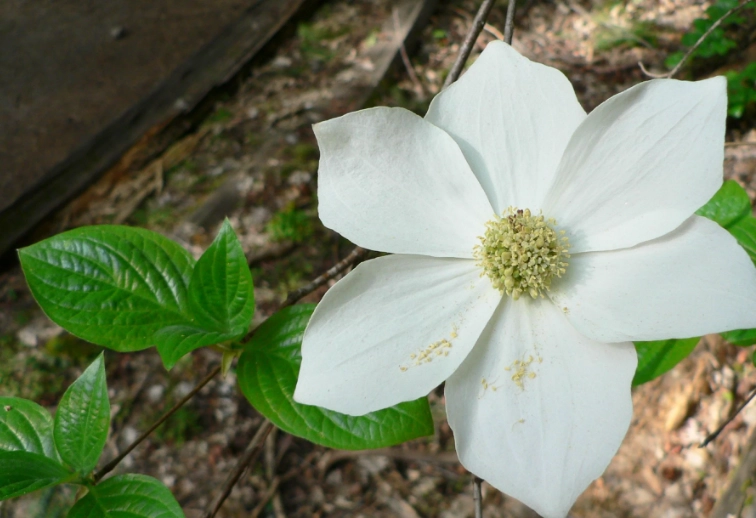
What's Wrong With My Tree? Common Problems and Solutions
Even with perfect care, Cornus nuttallii can run into issues. Knowing what to look for is half the battle.
| Problem | Symptoms | Likely Cause & Solution |
|---|---|---|
| Powdery Mildew | White, powdery coating on leaves, often starting in late summer. Leaves may curl or distort. | A fungal disease favored by warm days, cool nights, and poor air circulation. Solution: Improve air flow via light pruning. Avoid overhead watering. Rake and destroy fallen leaves. Fungicides are a last resort; look for ones containing potassium bicarbonate. |
| Dogwood Anthracnose | Tan or brown spots with purple borders on leaves or bracts. Dieback of twigs and branches. Can be severe. | A serious fungal disease. Solution: Prune out and destroy infected branches well below the canker. Ensure perfect growing conditions (right light, good drainage) to boost tree health. Water at the base, not on leaves. Fungicide sprays may be necessary in high-risk areas; consult a local arborist. |
| Leaf Scorch | Brown, crispy edges on leaves, especially on the side facing the sun. | Too much sun, heat, or wind, often combined with inadequate water. Solution: Provide more afternoon shade if possible. Ensure deep, consistent watering during hot periods. A thick mulch layer helps keep roots cool. |
| Lack of Flowering | Tree looks healthy but produces few or no bracts. | Usually due to too much shade, excessive nitrogen fertilizer, or pruning at the wrong time (late summer/winter, which removes flower buds). Solution: Evaluate light levels, ease up on fertilizer, and only prune right after spring flowering. |
For accurate diagnosis of diseases, I always recommend checking with your local university extension service. For example, the PNW Plant Disease Handbook is an invaluable, science-based resource for Pacific Northwest gardeners. It's my first stop when I see something strange.
Beyond the Basic Tree: Landscape Uses and Design Ideas
So what do you do with a Cornus nuttallii? It's not just a standalone specimen (though it's glorious as one).
Think of it as a layering plant. In a woodland garden, it's the perfect middle layer. Tall conifers or deciduous trees form the canopy. Your Pacific Dogwood sits beneath them, enjoying the filtered light. Below it, you can plant shade-loving shrubs and perennials that thrive in the conditions it creates—slightly acidic soil, dappled light, and consistent moisture.
Great companion plants include:
- Rhododendrons & Azaleas: They share the love for acidic, well-drained soil.
- Ferns: Sword ferns, deer ferns—they add wonderful texture at the base.
- Shade Perennials: Hostas, hellebores, trilliums, and Vancouveria.
- Groundcovers: Wild ginger (Asarum), bunchberry (Cornus canadensis—a cousin!), or mosses.
It also works beautifully as a focal point in a shady courtyard or at the edge of a property where it gets morning light. The fall color makes it a fantastic seasonal anchor. Just remember to give it space—a mature Cornus nuttallii can reach 20-40 feet tall with a similar spread, though it's often slower-growing in cultivation.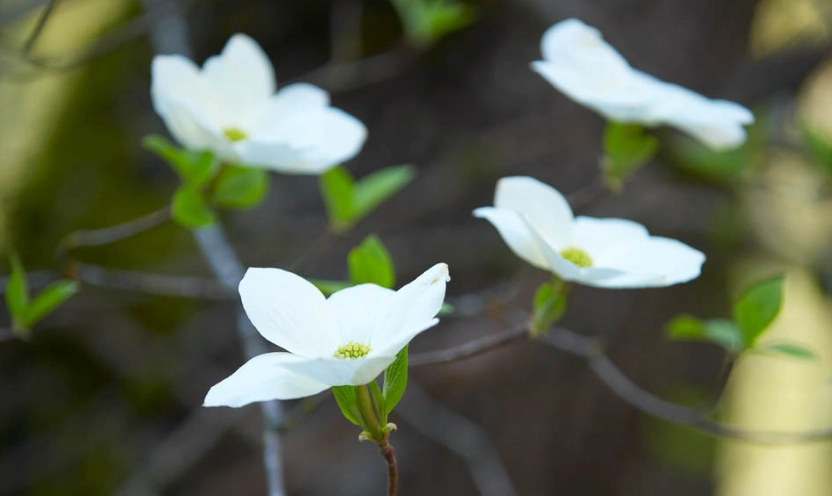
Frequently Asked Questions About Pacific Dogwood
How fast does Cornus nuttallii grow?
Don't expect a skyrocket. In ideal conditions, you might see 1-2 feet of growth per year when young. It's a moderate to slow grower. This is actually a benefit in many gardens—you don't have to constantly worry about it outgrowing its space. The slow growth also contributes to its strong wood.
Is it susceptible to the same anthracnose as Eastern Dogwood?
Yes and no. There's a specific fungus (Discula destructiva) that causes Dogwood Anthracnose, and it can infect Cornus nuttallii. It's a serious disease that has devastated native stands in some areas, particularly where trees are stressed (e.g., by drought, poor location). The good news is that a healthy, well-sited tree is far more resistant. Proper care is your best defense. The USDA Forest Service's Fire Effects Information System (FEIS) has detailed ecological information, including disease pressures, which underscores the importance of optimal siting.
Can I grow it from seed or should I buy a tree?
You can grow from seed, but it's a marathon, not a sprint. The seeds have complex dormancy and require a long period of cold stratification (a simulated winter). It can take years to get a sizable sapling. For most gardeners, buying a young tree from a reputable native plant nursery is the way to go. You get a head start of several years. Look for healthy plants with no signs of disease on the leaves or cankers on the stems.
Are there any recommended cultivars?
There aren't as many as for the Eastern Dogwood, but a few stand out. 'Colrigo Giant' is known for its exceptionally large bracts. Some hybrids between Cornus nuttallii and Cornus florida (like the Eddie's White Wonder dogwood) were bred to combine the large bracts of the Pacific with better anthracnose resistance from the Eastern species. These can be excellent choices, especially in regions where disease pressure is high. Always ask your nursery for their experience with different varieties in your local area.
Look, Cornus nuttallii might not be the easiest tree in the catalog. It's fussy about where it lives. It can get sick if it's unhappy. But when you see it in its element—the sun filtering through those pristine white bracts in spring, or setting the garden ablaze in red each fall—you understand why it's worth the effort. It's not just a plant; it's a piece of the Pacific Northwest forest you can bring home. Do your homework on the front end, give it the conditions it evolved for, and you'll have a loyal, stunning companion for a lifetime. My second tree, the one I planted after learning from all my early mistakes, is now about ten years old. Every spring, when it unfolds that cloud of white, I forget all the previous trouble. It just feels right.
Reader Comments