Your Gardenia Journey at a Glance
- So, What Exactly Are White Gardenias?
- Choosing Your White Gardenia: It's Not Just One Plant
- The Non-Negotiables: How to Keep Your White Gardenia Alive and Thriving
- Solving the Most Frustrating White Gardenia Problems
- Pruning, Feeding, and Long-Term Care
- Beyond the Garden: White Gardenias Indoors and as Cut Flowers
- Final Thoughts: Is a White Gardenia Right for You?
Let's talk about white gardenias. You know, those plants with the impossibly creamy white flowers and a scent that can stop you in your tracks. I remember the first time I smelled one. It was at my grandmother's house, this huge, sprawling bush by the porch. The fragrance hit me before I even saw the flowers—sweet, heavy, almost like jasmine but richer, more complex. I was hooked. I wanted that in my own garden.
But then I tried to grow one. And let me tell you, it wasn't the smooth, romantic journey I'd pictured. Leaves turned yellow. Buds dropped before they opened. It felt like the plant was giving me the silent treatment. I almost gave up.
I didn't, though. I got stubborn. I read, I experimented, I killed a couple more plants (sorry, little guys), and finally figured it out. Now I have several white gardenias thriving, and their blooming season is the highlight of my gardening year. This guide is everything I wish I'd known back then, served straight up, no fluff.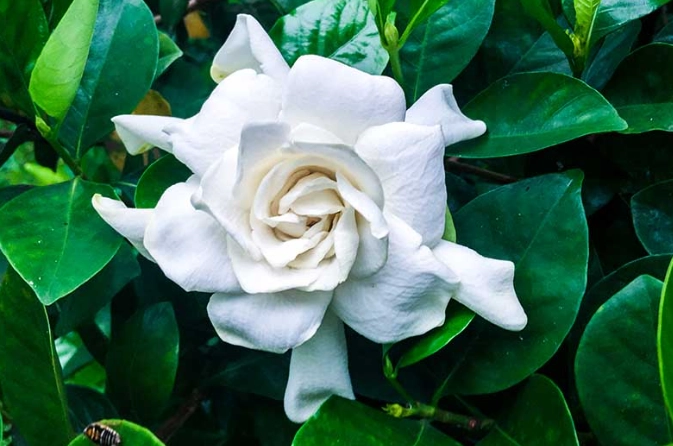
The Core Truth: White gardenias (Gardenia jasminoides, primarily) aren't necessarily "hard" plants. They're just plants with very specific, non-negotiable needs. Meet those, and they're surprisingly cooperative. Guess at them, and they'll sulk. Think of them as the divas of the shrub world—high maintenance, but worth every second of effort when they perform.
So, What Exactly Are White Gardenias?
Before we dive into the dirt, let's get our terms straight. When people say "white gardenias," they're almost always talking about cultivars of Gardenia jasminoides, also called Cape Jasmine. This is the classic. The one with the glossy, dark green leaves and the iconic, pinwheel-shaped, double white flowers.
But here's a thing many beginners miss: not all gardenias are created equal. There are over 200 species in the Gardenia genus, but only a handful are common in cultivation. The obsession is really with G. jasminoides and its many, many varieties. The "white" part is almost redundant—gardenia flowers are famously, predominantly white, though they can yellow with age. The focus is on that pristine, initial bloom.
Why the obsession? It's a triple threat: breathtaking visual beauty, an unforgettable fragrance, and that luxurious, velvety texture of the petals. A single bloom can perfume an entire room. It's no wonder they've been prized for centuries in perfumery and as a symbol of purity and secret love.
A quick personal aside: I made the mistake early on of buying a gardenia based solely on the picture of the flower. Big mistake. The variety was 'Veitchii', which is lovely, but it's a slower, more compact grower. I had a giant, empty spot in my garden plan where I wanted a large shrub. Know the mature size of the variety you're buying! It saves a lot of replanting hassle.
Choosing Your White Gardenia: It's Not Just One Plant
This is probably the most critical step, and where a lot of online guides are too vague. Picking the right variety for your space and climate is 80% of the battle. Putting a heat-loving, sun-craving variety in a chilly, shady spot is a recipe for disappointment.
Here’s a breakdown of the most common and reliable white gardenia varieties you'll find, based on what you might be looking for.
| Variety Name | Key Features & Best For | Mature Size | Cold Hardiness (USDA Zone) | Bloom Time & Notes |
|---|---|---|---|---|
| 'August Beauty' | Long blooming season, large 3-inch flowers. A great all-rounder. | 4-6 ft tall & wide | 8-11 | Late spring through fall. My personal favorite for continuous color. |
| 'Mystery' | Very large, double flowers (4-5 inches!). The classic corsage gardenia. | 4-6 ft tall, 3-4 ft wide | 8-11 | Mid-spring to summer. Stunning, but can be a bit more finicky. |
| 'Kleim's Hardy' | As the name says, more cold-tolerant. Single or semi-double flowers. | 2-3 ft tall & wide | 7-10 | Spring to summer. Perfect for smaller gardens or containers. |
| 'Radicans' (Dwarf) | Low-growing, ground-cover or container habit. Tiny leaves & flowers. | 1-2 ft tall, 2-3 ft wide | 7-10 | Spring to summer. Fragrance is lighter. Great for edges. |
| 'Veitchii' | Compact, prolific bloomer with smaller, double flowers. An old heirloom. | 3-4 ft tall & wide | 8-11 | Late spring, often repeats in fall. Reliable and bushy. |
See how different they are? 'Kleim's Hardy' is a lifesaver if you're in a borderline zone like 7b, where a typical Gardenia jasminoides might struggle with winter. 'Radicans' is nothing like the others—it's a totally different look. Do your homework here.
Where to Buy and What to Look For
Skip the big-box store impulse buy. Seriously. Their plants are often stressed, root-bound, and not labeled with the specific variety. Find a good local nursery or a reputable online specialty grower. Look for a plant with deep green, glossy leaves (no yellowing), no visible pests (check under the leaves!), and a balanced shape. Avoid any with buds that are already brown or mushy.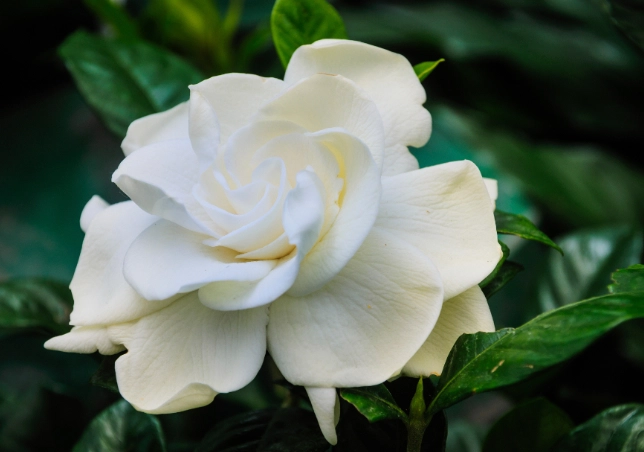
The Non-Negotiables: How to Keep Your White Gardenia Alive and Thriving
Okay, you've got your plant. Now, the real work begins. Gardenias have a reputation for being difficult, but I find it's more that they're misunderstood. They're from parts of Asia with acidic, well-drained, organically rich soil. They're not adapting to you; you're recreating a slice of their home.
1. Light: The Goldilocks Zone
This is the first big trip-up. Full sun? Partial shade? The answer is: bright, filtered light. Think morning sun with afternoon shade, especially in hotter climates (Zones 8-10). In cooler zones, they can handle more direct sun. The leaves tell you everything. Scorched, bleached, crispy leaves? Too much sun. Sparse growth, leggy stems, and few flowers? Too much shade.
My plants get about 4-5 hours of direct morning sun, and then dappled shade for the rest of the day. It's their sweet spot.
2. Soil and pH: The Biggest Secret
If you remember one thing, remember this: white gardenias need acidic soil. Not slightly acidic. Acidic. A pH between 5.0 and 6.0 is ideal. At a higher (more alkaline) pH, the plant cannot access iron from the soil, leading to iron chlorosis—those telltale yellow leaves with green veins.
How do you deal with this?
- Test Your Soil: Don't guess. Buy a cheap pH test kit. It's the best $10 you'll spend.
- Amend at Planting: Dig a hole twice as wide as the root ball, but no deeper. Mix the native soil with a lot of peat moss and composted pine bark (like a 50/50 mix). Peat is naturally acidic.
- Mulch: Use an acidic mulch like pine needles or shredded pine bark. It breaks down and helps maintain the low pH.
- Feed with Acid-Loving Plant Food: Use a fertilizer formulated for azaleas, camellias, and rhododendrons. These have the right nutrient balance and often include soil acidifiers. The Royal Horticultural Society (RHS) has excellent, science-backed resources on soil pH management.
Watch Out: Avoid planting near concrete foundations or walkways. Concrete leaches lime, which raises soil pH (makes it alkaline). I learned this the hard way with a plant that was perpetually yellow until I moved it.
3. Watering: Consistent Moisture, Not Sogginess
Gardenias hate wet feet. Root rot is a silent killer. But they also hate drying out completely, which causes bud drop (more on that nightmare later).
The goal is evenly moist, well-drained soil. Stick your finger in the soil up to the second knuckle. If it feels dry, water deeply. If it's damp, wait. A soaker hose or drip irrigation is fantastic for providing consistent, deep moisture without wetting the leaves (which can encourage fungal diseases).
4. Temperature and Humidity: The Comfort Factors
This is where climate matters. White gardenias love warmth and humidity. Night temperatures between 60-65°F (15-18°C) are ideal for bud set. A sudden cold snap or a hot, dry wind can cause buds to abort.
If you live in a dry climate, you'll need to boost humidity. Grouping plants together, using a pebble tray with water, or a gentle misting in the morning can help. Don't mist in the evening, as this promotes fungal issues.
Solving the Most Frustrating White Gardenia Problems
This is the section I needed most when I started. Let's diagnose the common headaches.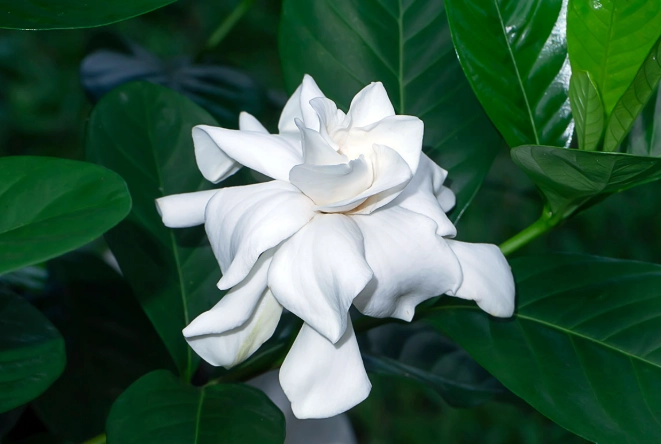
This is the #1 question. The answer depends on the pattern of yellowing.
- Yellow leaves with dark green veins: Classic iron chlorosis. Your soil pH is too high. Apply a chelated iron supplement (follow label instructions) and work on lowering pH long-term with soil amendments.
- Uniform yellowing of older leaves: Could be a nitrogen deficiency or simply natural aging. A balanced, acidic fertilizer should help.
- Yellowing and dropping suddenly: Often a watering issue—either too much (root rot) or too little. Check soil moisture.
This is heart-breaking. The main culprits are:
- Inconsistent Watering: Letting the plant dry out or keeping it waterlogged during bud formation.
- Sudden Temperature Swings: A late frost or a blast of hot, dry air.
- Low Humidity: Especially for indoor or patio plants.
- Insect Damage: Thrips or aphids can attack buds. Inspect them closely.
The key is stability. Once buds form, try not to change the plant's location or routine.
You've got pests, likely aphids, whiteflies, or scale insects. They secrete a sticky substance called honeydew, which then grows a black, sooty mold. The mold itself doesn't hurt the plant much, but the pests do. Blast them off with a strong spray of water or use insecticidal soap or horticultural oil (like neem oil). Always test on a few leaves first. The USDA's Animal and Plant Health Inspection Service (APHIS) site has guidelines for safe and effective pest management.
My own battle was with spider mites during a particularly hot, dry summer. The leaves got stippled and dull. I didn't see webbing until it was bad. A weekly spray-down with the hose (focusing on the undersides of leaves) and an application of neem oil finally got them under control. Vigilance is key.
Pruning, Feeding, and Long-Term Care
You don't need to prune white gardenias heavily, but a little shaping after the main bloom flush in early summer is good. It encourages bushier growth. Never prune in late summer or fall—you'll cut off next year's flower buds, which form on old wood.
Feeding is simple: use an acid-loving plant fertilizer in early spring as new growth starts, and again in mid-summer. Avoid high-nitrogen fertilizers late in the season, as this promotes tender new growth that can be damaged by frost.
For winter care in marginal zones (7-8), mulch heavily around the base after the ground cools to protect the roots. An anti-desiccant spray can help protect leaves from drying winds. Potted white gardenias should be brought into a cool, bright garage or indoors if temperatures will dip below their hardiness.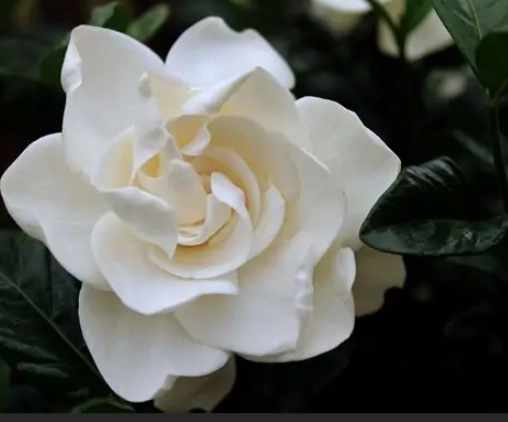
Beyond the Garden: White Gardenias Indoors and as Cut Flowers
Can you grow them indoors? Yes, but it's a challenge. They need a very bright spot (a south-facing window is best), high humidity (a humidifier is almost essential), and cool night temperatures. They are prone to all the indoor pest problems—spider mites, mealybugs. It's a commitment.
As cut flowers, they are sublime but fleeting. Cut stems in the morning when buds are just beginning to open. Sear the cut end for 10 seconds with a flame (this seals in the sap) or crush it with a hammer, then place immediately in warm water. Change the water daily. Don't expect them to last more than 2-4 days, but oh, what a glorious few days.
Final Thoughts: Is a White Gardenia Right for You?
Look, I won't sugarcoat it. White gardenias are not a "plant it and forget it" shrub. They demand attention to detail. If you're a gardener who loves a challenge, who gets satisfaction from creating the perfect conditions, who values fragrance and beauty above all else, then yes, they are absolutely for you.
If you want zero-fuss landscaping, there are better choices (maybe a sweet viburnum or some varieties of daphne).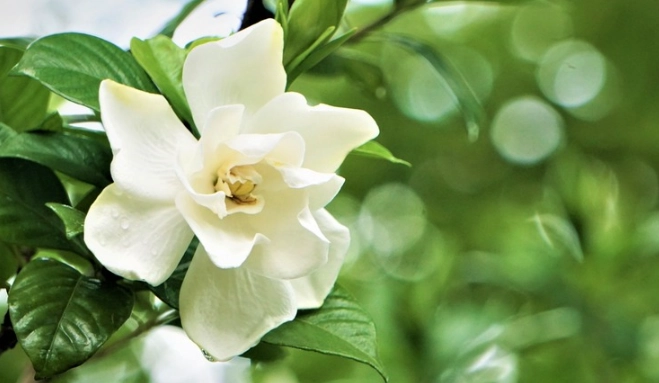
But if you're willing to put in the work—to test your soil, to water conscientiously, to fend off the occasional pest—the reward is unparalleled. There is no substitute. The sight of those pristine white flowers against the dark foliage, and that wave of perfume on a warm evening, makes every bit of effort worthwhile.
Start with a hardy variety like 'Kleim's Hardy' if you're unsure. Get the soil right from the beginning. Pay attention. Your gardenia will tell you what it needs. Listen to it, and you'll be rewarded with one of the most beautiful and fragrant experiences a garden can offer.
Reader Comments