Quick Navigation
Let's talk about the current bush. You've probably seen them at the garden center, maybe you've tasted the tart berries, or perhaps you're just curious about growing your own fruit. I was in your shoes once, staring at a bare patch of soil and wondering if I could actually pull this off. I'm here to tell you, you absolutely can. Growing a current bush is one of the most rewarding things you can do in a garden, and it's surprisingly straightforward once you get past a few key hurdles.
I remember my first bush. I planted it in the wrong spot, pruned it at the wrong time, and ended up with a sad-looking plant and about five berries. Not exactly the bountiful harvest I'd imagined. But that's the beauty of gardening—you learn. Now, years later, my current bushes are the stars of my edible landscape. They're resilient, productive, and honestly, kind of low-maintenance once you understand their rhythm.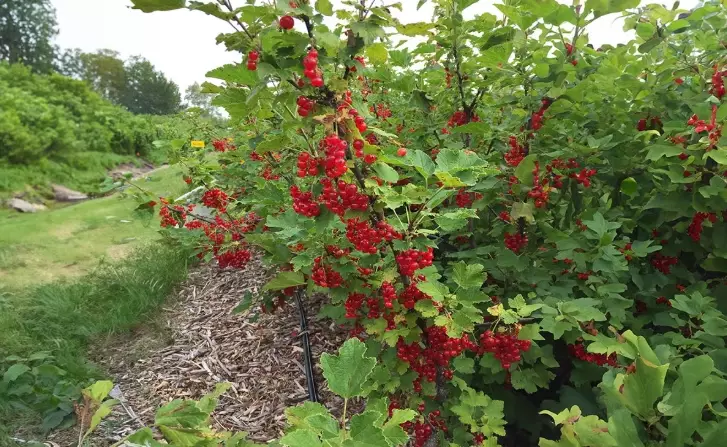
So what exactly is a current bush? It's a hardy, deciduous shrub in the Ribes genus, grown primarily for its clusters of small, edible berries. They come in three main colors: red, white, and black. Each has its own flavor profile and growing quirks. They're not the same as gooseberries (though they're close cousins), and they're definitely not the dried "currants" you buy in stores—those are usually made from a type of grape.
This guide is everything I wish I'd known when I started. We'll dig into the dirt, so to speak, covering how to choose a variety, plant it, care for it, and finally, enjoy the fruits of your labor. No fluff, just practical steps from someone who's been in the trenches (sometimes literally).
Choosing the Right Current Bush for Your Garden
This is where most people, myself included, go wrong initially. You walk into a nursery, see a healthy-looking plant, and buy it on impulse. But not all current bushes are created equal. The right choice depends on your climate, your soil, and frankly, what you want to do with the berries.
Red and white currents are often grouped together. They're tangy, bright, and perfect for jellies, sauces, or baking. The bushes tend to be a bit more upright. Black currents have a deeper, more musky flavor that people either love or... well, let's just say it's an acquired taste. They're fantastic for cordials, syrups, and some of the best jam you'll ever taste. The bushes are a little more vigorous and spreading.
My personal favorite? 'Ben Sarek' black current. It's a compact variety, perfect for smaller gardens, and it's incredibly productive. The flavor is intense, straight off the bush, but it mellows beautifully when cooked with a bit of sugar. I tried a more common variety first ('Ben Lomond') and found it took up too much space for my modest backyard.
Here’s a quick breakdown of some top-performing varieties to help you decide. This isn't just a list from a catalog; these are varieties I've either grown myself or have seen thriving in gardens across different regions.
| Variety Name | Type | Key Characteristics | Best For |
|---|---|---|---|
| 'Red Lake' | Red Current | Classic, reliable, heavy yields of large, bright red berries. Excellent disease resistance. | Beginners, consistent harvests, fresh eating & jellies. |
| 'Blanka' | White Current | Produces long clusters of translucent, sweet-tart berries. Very productive and showy. | Gardens where birds are a problem (they ignore white berries!), eating fresh. |
| 'Ben Sarek' | Black Current | Compact growth (only about 3-4 ft tall), frost-tolerant, high yields of aromatic fruit. | Small spaces, colder climates, containers. |
| 'Jonkheer van Tets' | Red Current | Early ripening, vigorous grower with long strigs (clusters) of fruit. Good flavor. | Getting an early summer harvest, larger gardens. |
| 'Titania' | Black Current | Strong resistance to mildew and leaf spot. Large, easy-to-pick berries. | Humid climates where disease is a concern, low-maintenance gardens. |
See, choosing a current bush isn't just about color. You need to think about size, ripening time, and how much fuss you're willing to put up with. A variety with good disease resistance, like 'Titania', can save you a lot of worry later on.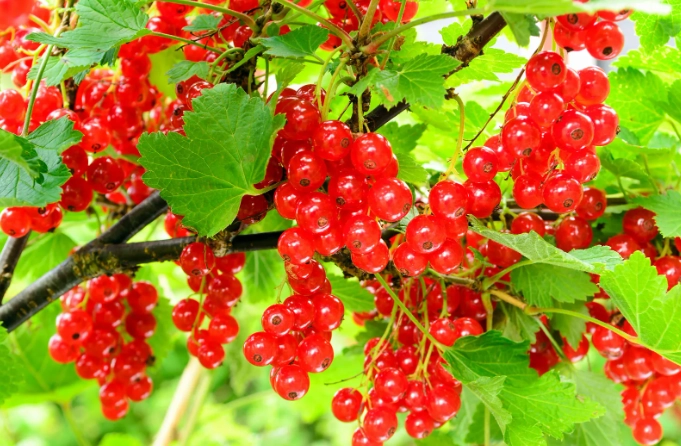
Planting Your Current Bush: The Foundation for Success
Planting is the single most important thing you'll do. Get this right, and your current bush will forgive a lot of your future mistakes. Get it wrong, and you'll be fighting an uphill battle.
When to Plant
Bare-root bushes are best planted in late fall or early spring, while they're dormant. It gives the roots time to settle in before the big energy push of spring growth. Container-grown plants are more flexible; you can plant them from early spring to early fall, but avoid the hottest, driest weeks of summer. I made the mistake of planting a container current bush in July once. I spent the whole season watering it like crazy just to keep it alive. Spring planting is much less stressful for you and the plant.
Where to Plant (Sun, Soil, and Space)
Sunlight is non-negotiable. A current bush needs full sun to produce a good crop. That means at least 6-8 hours of direct sunlight. More is better. A bit of afternoon shade in very hot climates is okay, but don't tuck it into a shady corner.
Soil Tip: Currents hate "wet feet." They need well-drained soil above all else. If your soil is heavy clay, you must improve it. Dig a wider hole, not just a deeper one, and mix in plenty of compost or well-rotted manure. Raising the planting area into a slight mound or planting in a raised bed can be a game-changer for poor drainage.
Soil pH is important too. They prefer a slightly acidic to neutral pH (around 6.0 to 6.5). A simple soil test kit from your local extension office is a great investment. The Royal Horticultural Society (RHS) has excellent, detailed resources on soil preparation that go beyond the basics.
Spacing depends on the variety. Generally, allow 4-5 feet between bushes and 6-8 feet between rows. This gives them room for air circulation (which prevents disease) and makes pruning and picking much easier. Don't cram them in. I know it's tempting when they're small, but they will grow.
The Planting Process, Step-by-Step
- Dig a Hole: Make it twice as wide as the root ball and just as deep. Loosen the soil at the bottom and sides.
- Prep the Plant: For bare-root plants, soak the roots in water for a few hours before planting. For container plants, gently tease out any roots circling the pot.
- Position: Place the bush in the hole. The soil mark on the stem should be level with the surrounding ground. For grafted plants (less common with currents), ensure the graft union is above soil.
- Backfill: Mix the excavated soil with a bucket of compost. Fill the hole halfway, firm it gently with your foot, then water to settle. Fill the rest, firm again, and water thoroughly.
- Mulch: Apply a 2-3 inch layer of organic mulch (wood chips, straw) around the base, keeping it away from the stem. This is crucial for moisture retention and weed suppression.
And that's it. Water it deeply once a week if there's no rain for the first growing season.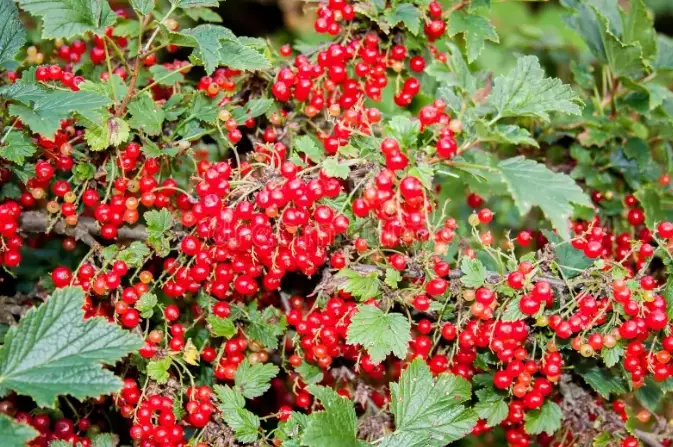
Caring for Your Current Bush Through the Seasons
Once planted, a current bush isn't demanding, but it does appreciate some attention. Think of it like a pet that doesn't need walking but does need an annual haircut.
Watering and Feeding
Consistent moisture is key, especially when the fruit is swelling (late spring/early summer). A deep soak once a week is better than daily sprinkles. Drip irrigation or a soaker hose is ideal. In terms of food, they're not heavy feeders. An annual application of a balanced organic fertilizer or a top-dressing of compost in early spring is usually sufficient. Over-fertilizing, especially with high-nitrogen feeds, can lead to lots of leaves and few berries.
The Art (and Necessity) of Pruning
This is the part that intimidates people. Don't let it. Pruning a current bush is simple logic, not abstract art. You do it to remove old, unproductive wood and to let light and air into the center of the bush. This boosts fruit production and keeps diseases at bay.
Critical Timing: Prune when the plant is dormant. Late winter is perfect—you can see the structure clearly, and the plant is ready to put its energy into new growth come spring. Avoid fall pruning, as it can stimulate tender growth that will be killed by frost.
For red and white currents, the best fruit is produced on wood that is 2-3 years old. Your goal is to maintain a framework of main branches and encourage new growth from the base each year. Here's my simple annual routine:
- Remove any dead, damaged, or diseased wood.
- Cut out any branches that are crossing or rubbing.
- Remove about a third of the oldest, darkest branches right down to the ground. This stimulates new shoots.
- Tip back the remaining leading shoots by about a quarter to encourage branching.
For black currents, it's even easier. They fruit best on one-year-old wood. So each year, cut out about a third of the oldest branches (again, the thick, dark ones) to ground level. That's it. The new shoots that come up will bear next year's fruit.
The University of Minnesota Extension has fantastic, clear diagrams on pruning that can help visualize this process.
Pests and Problems (And How to Deal With Them Naturally)
No plant is completely trouble-free. The most common issue is aphids. A strong blast of water from the hose is often enough to dislodge them. Encourage ladybugs and lacewings—they're aphid assassins.
Birds love red currents. Netting is the only truly effective solution. Use a proper fruit cage or drape netting over the bush just as the berries start to color. White currents, as I mentioned, are often ignored by birds, which is a huge plus.
Powdery mildew can be a problem in humid, still conditions. Good spacing, annual pruning for airflow, and choosing resistant varieties are your best defenses. If it appears, a spray of diluted milk (1 part milk to 9 parts water) or a baking soda solution can help.
I've found that a healthy, well-sited current bush is remarkably resilient. Most problems stem from stress—poor soil, not enough sun, or overcrowding.
Harvesting and Using Your Current Bounty
This is the payoff. Harvest time depends on the variety and your climate, but generally, red and white currents ripen in mid-summer, with black currents following a week or two later.
Don't pick them too early. They won't sweeten up off the bush. The berries on a single cluster (called a "strig") will ripen unevenly. For red and white currents, you can pick the whole strig once most berries are colored. Snip it off with scissors or small pruners. For black currents, pick individual berries when they are fully black, plump, and come off easily.
Now, what to do with them all? Fresh red and white currents are a lovely, tart addition to fruit salads or as a garnish. But let's be real, most people aren't going to sit and eat bowls of them fresh. They are cooking fruits.
My absolute favorite use is current jelly. It's a weekend project, but the result is pure, jewel-toned sunshine in a jar. The natural pectin in the seeds means it sets beautifully without additives. I also freeze them in a single layer on a baking sheet, then bag them up. They're perfect for throwing into muffins, crumbles, or smoothies all winter long.
Black currents are the king of flavor. They make incredible cordial (just dilute with sparkling water), rich sauces for game or lamb, and the most intensely flavored jam you'll ever taste. The National Center for Home Food Preservation, hosted by government websites, is an essential, safe resource for tested canning and preserving recipes.
Common Questions About Growing Current Bush (Answered)
Growing a current bush is a long-term relationship. You're not just getting a season's worth of fruit; you're investing in a plant that can be productive for 10-15 years or more with good care. It adds structure to the garden, provides food for pollinators in spring, and gives you the incredible satisfaction of growing something delicious from scratch.
Start with one bush. See how it goes.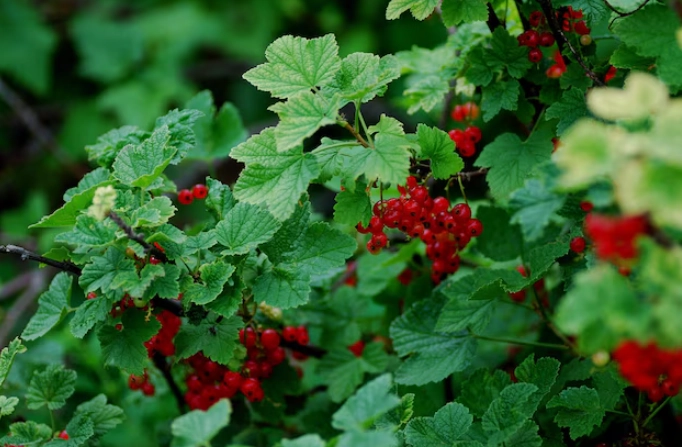
You'll learn its personality—when it leafs out, how it responds to rain, when the first berries start to blush. That connection is worth more than any berry. And when you finally taste that first pie or spread that first jar of homemade jelly, you'll understand why so many gardeners are passionate about their humble, wonderful current bush.
Reader Comments