Quick Navigation
Let's talk about the Acer Red Maple. You've probably seen it. I mean, who hasn't? It's that tree that absolutely steals the show every single autumn, turning entire streets and parks into a blazing canvas of crimson, scarlet, and orange. It's not just a tree; it's a seasonal event. But here's the thing I learned the hard way – there's a lot of confusion out there. People say "red maple," and they might be talking about a few different things. Sometimes they mean the straight species, Acer rubrum. Other times, they've got their eye on a specific cultivated variety, like 'Red Sunset' or 'October Glory'. And let's not even get started on the mix-up with Japanese maples (those are Acer palmatum, a whole different ball game).
I remember browsing a nursery years ago, dead set on getting "a red maple." I pointed at a gorgeous one with deep red leaves. The guy looked at me and said, "That's a 'Crimson King' Norway maple." Wrong family entirely, and a tree with a whole bunch of its own issues. That was my wake-up call. If you're thinking about planting one of these beauties, you need to know exactly what you're getting into. Is it the right tree for your space? Will it give you that iconic fall color you're dreaming of? How much work is it really?
This guide is what I wish I'd had back then.
We're going to cut through the noise. We'll talk about what truly defines an Acer Red Maple, how to pick the perfect one from the crowd of cultivars, and walk you through the planting and care steps that actually matter. Forget the generic advice. We're getting into the nitty-gritty – soil pH, sun requirements, common problems (and how to avoid them), and yes, the secret to those unbelievable fall colors. By the end, you'll know if this classic North American native is the right centerpiece for your garden.
What Exactly Is an Acer Red Maple? Let's Clear Up the Confusion
First, the science bit, but I'll keep it painless. When most gardeners and landscapers say "Acer Red Maple," the star of the show is usually Acer rubrum. That's its official botanical name. It's a native tree here in eastern North America, and it's ridiculously adaptable, growing from Florida all the way up to Canada. This adaptability is a huge part of its popularity.
Now, the "red" in its name is a bit of a preview. It's not just for fall. In early spring, before the leaves even unfurl, this tree produces clusters of tiny, delicate red flowers. They're easy to miss, but they're a charming early sign of life. Then come the seeds, the familiar "helicopters" or samaras, which start off red too. The new leaf stems (petioles) are often red. So, it's a tree that flirts with red throughout its growing season before going all-in with a spectacular finale in autumn.
But – and this is a big but – when you go to buy one, you're rarely buying the straight wild type. You're buying a cultivar. Nurseries have spent decades selecting and breeding specific Acer Red Maple trees that outperform others in certain traits. Maybe it's a more consistent, vibrant red fall color. Maybe it's a tighter, more oval shape that fits better in a residential yard. Maybe it's better resistance to pests.
This is where knowing the cultivar name becomes super important. Planting an 'Autumn Blaze' (which is actually a hybrid, Acer x freemanii, but often grouped here) is a different experience from planting a 'Red Sunset'. They have different habits, different strengths.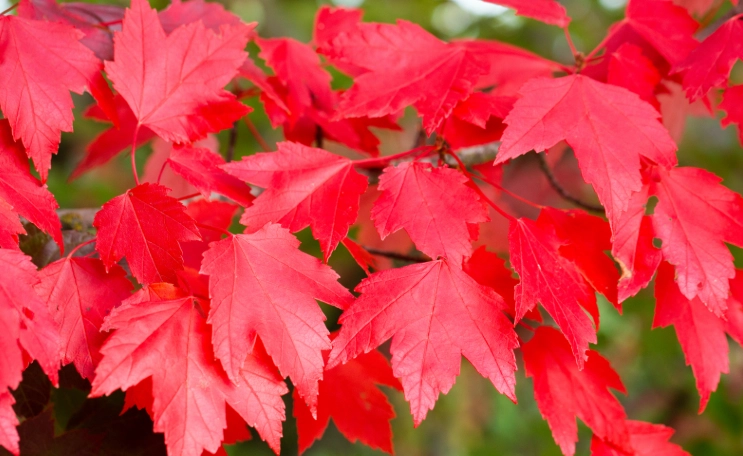
Top Acer Red Maple Cultivars You'll Actually Find at Nurseries
Let's break down the most common ones. I've seen all of these in person, and some have clear pros and cons.
| Cultivar Name | Key Features | Mature Size (H x W) | My Personal Take |
|---|---|---|---|
| 'October Glory' | Fantastic, long-lasting scarlet-red fall color that comes on later in the season. Glossy green summer leaves. | 40-50' x 30-35' | The name doesn't lie. The color is spectacular and holds for weeks. A solid, predictable choice. |
| 'Red Sunset' | One of the best for early, brilliant orange-red fall color. Pyramidal shape when young, rounding with age. | 45-50' x 35-40' | This one is a showstopper. The color develops early and is intensely vibrant. A bit larger, so needs space. |
| 'Autumn Blaze' | Fast-growing hybrid. Very reliable bright red fall color. Tolerates poor soil and drought better than most. | 40-55' x 30-40' | Grows like a weed, which can be good or bad. Color is great, but its weak wood structure is a legitimate criticism. Prone to breakage in ice storms. |
| 'Brandywine' | Male cultivar (no messy seeds). Fall color is a unique deep, reddish-purple. More upright, oval form. | 25-30' x 15-20' | Love the seedless feature. The purple-red color is distinct and beautiful. A better fit for smaller spaces. |
| 'Northwood' | Selected for extreme cold hardiness. Good orange-red fall color. Rounded, broad shape. | 40-50' x 40' | If you live in a really cold zone, this is your friend. The form is very full and spreading, so give it room. |
See what I mean? Picking the right cultivar is half the battle. That 'Autumn Blaze' might be tempting because it's cheap and fast, but if you live in an area with heavy, wet snow or ice, you might be signing up for future headaches. A 'Brandywine' might be perfect for a suburban lot where you don't want helicopters all over the lawn.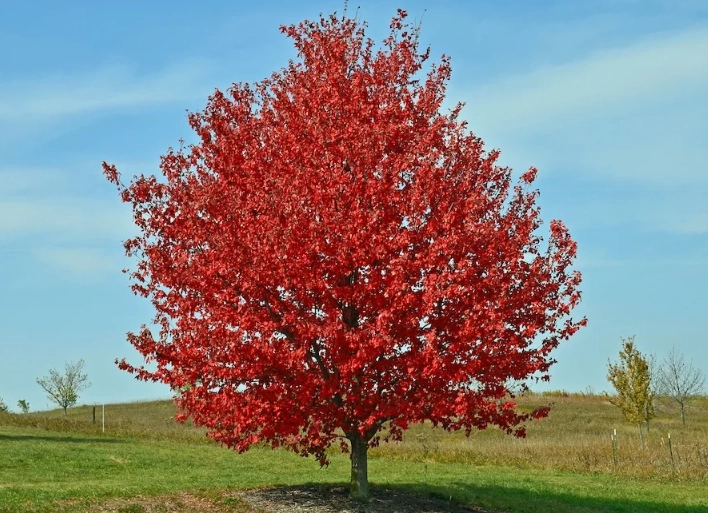
Planting Your Acer Red Maple: Do This, Not That
Okay, you've picked your tree. Now, don't ruin it in the first hour. Planting a tree seems simple – dig a hole, plop it in – but getting it wrong can haunt you for years. The goal is to get it established so it spends its energy growing up and out, not just struggling to survive.
Location, Location, Location: This is non-negotiable. An Acer Red Maple needs sun. Full sun is best for the densest growth and most intense fall color. It can handle some light afternoon shade, especially in hotter climates, but too much shade and it'll get leggy, and the fall display will be a disappointing, muted affair. Also, think big. Look at that mature width in the table. Is there enough space away from your house, power lines, other trees, and the driveway? Its roots spread wide and can be surface-level, so planting it right on top of a sewer line or a patio is asking for trouble.
The Soil Situation: Here's where the Acer Red Maple really shines in adaptability. It tolerates a wider range of soil conditions than many trees. It handles wet soils better than most maples (it's often found in swampy areas in the wild), but it also does fine in average, well-drained garden soil. The ideal is moist, slightly acidic, well-drained soil. The one thing it truly dislikes is highly alkaline, compacted clay. If your soil is like concrete, you need to amend a much wider area than just the planting hole.
The Planting Process, Simplified:
- Dig a wide, shallow hole. Make it 2-3 times wider than the root ball, but only as deep as the root ball is tall. You want the root flare (where the trunk starts to widen at the base) to be slightly above the surrounding soil level after settling.
- Check the roots. If it's pot-bound, gently tease out the outer roots. Don't be afraid to cut any that are circling tightly.
- Backfill with native soil. Don't create a rich "potting soil" pocket. Mix in some compost if your soil is poor, but use mostly what you dug out. This encourages roots to spread.
- Water deeply. After planting, create a low soil berm around the edge of the hole to form a watering basin. Soak it thoroughly. A deep watering is worth ten shallow sprinkles.
- Mulch, but don't volcano. Apply 2-3 inches of organic mulch (shredded bark, wood chips) in a wide circle around the tree. Keep it a few inches away from the trunk itself. No mulch mountains!
That's it. No fancy fertilizers at planting time. Just good soil contact and water.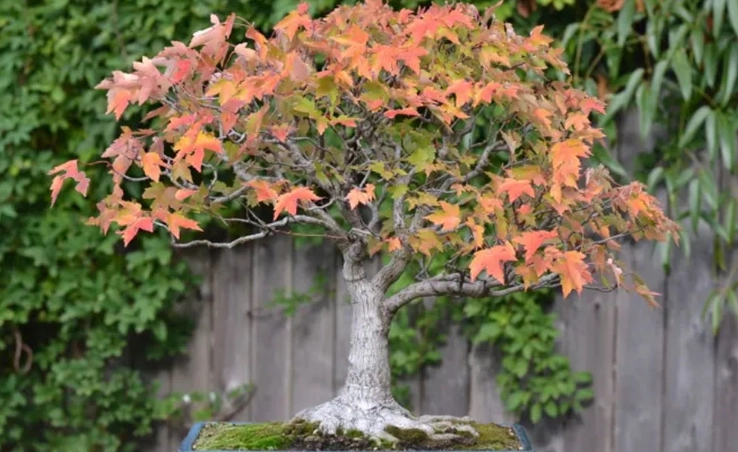
The Real Deal on Year-Round Care and Maintenance
Once established, an Acer Red Maple is surprisingly low-maintenance. But "established" is the key word. That first year or two, it needs your attention.
Watering: The First-Year Lifeline
Think of the root ball as a small sponge sitting in a big hole. It can dry out fast. For the first growing season, water deeply once a week if there's no good rainfall. Stick your finger in the soil near the roots. If it's dry a couple of inches down, it's time to water. The goal is to encourage deep root growth. After the first year or two, a well-sited Acer Red Maple is quite drought-tolerant, but it will always look better and color better with consistent moisture, especially in late summer.
To Feed or Not to Feed?
This is a common question. In decent garden soil, your maple might not need any fertilizer at all. Over-fertilizing, especially with high-nitrogen lawn fertilizer, can cause weak, fast growth that's susceptible to pests and diseases. If your tree seems pale or growth is stunted, a soil test is your best first move. If you do fertilize, use a slow-release, balanced fertilizer in early spring, and keep it away from the trunk.
Pruning: Less is Often More
Acer Red Maple trees have a naturally pleasing shape. You don't need to prune them into meatballs. The main goals for pruning are:
- Remove dead, damaged, or diseased branches. Anytime you see them.
- Correct structural issues early. On a young tree, you might remove a branch that is crossing another or forming a weak, narrow "V" crotch.
- Maintain clearance. Raising the lower canopy for walking underneath or away from structures.
The best time to prune is in late winter when the tree is dormant. Sap flows heavily in late winter/early spring (that's how we get maple syrup from sugar maples!), but pruning during dormancy is still recommended. The sap flow might look alarming, but it won't harm the tree. Avoid heavy pruning in the fall.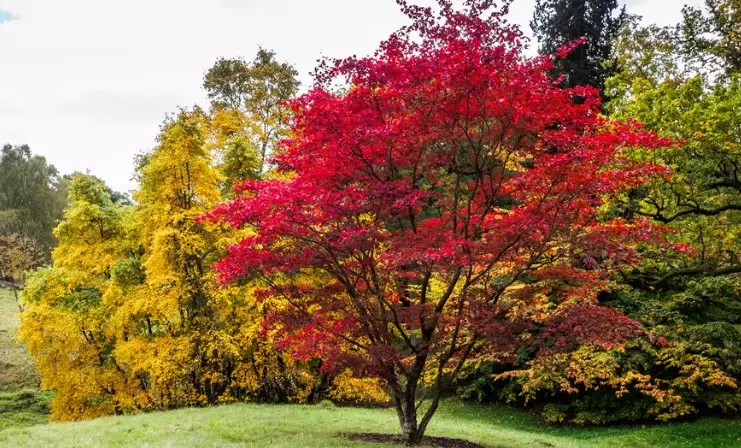
Potential Problems (And How to Sidestep Them)
No tree is bulletproof. Being aware of potential issues lets you spot them early or, better yet, prevent them.
Leaf Scorch: This is probably the most common issue people see. The edges of the leaves turn brown and crispy in mid-to-late summer. It's not a disease; it's a physiological reaction. The tree is losing water through its leaves faster than the roots can pull it up. Causes can be drought, hot drying winds, or, ironically, waterlogged roots that can't function. The solution is consistent, deep watering during dry spells and good mulch to conserve soil moisture.
Pests: Aphids might show up, leaving a sticky residue (honeydew) on leaves and anything underneath. They're usually not a major threat to a healthy tree. A strong blast of water from a hose can knock them off. Scales are another sap-sucking insect. More serious are borers, which attack stressed trees. The best defense against borers is keeping your tree healthy and unstressed with proper watering and care. The University of Maryland Extension has a great, detailed resource on managing scale insects on trees, which applies well to maples.
Diseases: Tar spot (fungal black spots on leaves) looks awful but rarely harms the tree. Raking and destroying fallen leaves in autumn can reduce spores for next year. Verticillium wilt is a more serious soil-borne fungus that can cause branch dieback. There's no cure, but keeping the tree healthy can help it resist. Choosing a resistant cultivar is your best bet if this disease is known in your area.
Honestly, in my experience, 90% of problems with Acer Red Maple trees stem from planting in the wrong spot (too shady, too cramped) or improper watering (too much or too little). Get those two things right, and the tree is remarkably tough.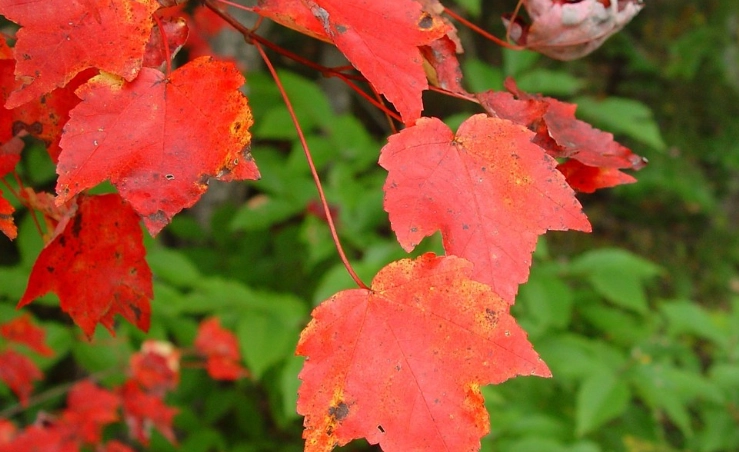
Designing With an Acer Red Maple
This isn't just a tree you stick in the middle of the lawn (though you can). It's a four-season design element.
As a Focal Point: Its magnificent fall color makes it a natural solo specimen. Plant it where you can view it from a favorite window.
For Shade: Its broad, dense canopy creates wonderful, dappled shade for a patio, deck, or swing set. Just remember to plant it far enough away that roots don't interfere with foundations.
In a Naturalized Setting: Since it's a native, it fits perfectly into woodland-edge gardens or larger natural landscapes. Pair it with other native understory plants like serviceberry, redbud, or oakleaf hydrangea.
Street Tree: Many cultivars, like 'Autumn Blaze' and 'Red Sunset', are commonly used as street trees due to their tolerance of urban conditions (though watch out for salt spray from roads). The Arbor Day Foundation's Tree Guide is a fantastic tool for checking size and suitability for different locations.
Think about what's underneath. The surface roots and dense shade can make growing a perfect lawn underneath a challenge. Consider a shade-tolerant groundcover like vinca, pachysandra, or a simple bed of mulch with shade-loving perennials like hostas or ferns around the outer drip line.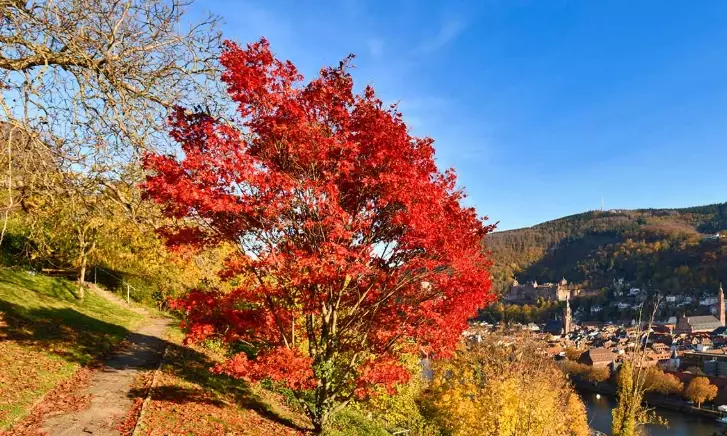
Your Acer Red Maple Questions, Answered
The Final Word
The Acer Red Maple is a classic for a reason. It offers stunning multi-season interest, rugged adaptability, and a majestic presence. Is it the perfect tree for every single situation? No. It gets big, it can be messy with seeds, and it wants its space. But if you have a sunny spot with enough room for it to stretch out, and you commit to watering it well for the first few years, it will reward you for decades. It becomes more than a tree; it becomes a marker of the seasons in your garden. You'll watch for its red flowers in spring, enjoy its deep shade in summer, and await its breathtaking performance every autumn. Just do your homework first—pick the right cultivar for your space, plant it properly, and give it a good start. Then, get ready to enjoy one of gardening's greatest shows.
I hope this deep dive helps. I've made my share of mistakes with these trees, but seeing a mature Acer Red Maple in its full autumn glory makes it all worth it. It's a connection to the native landscape that's both wild and perfectly at home in our gardens.
Reader Comments