Explore the Guide
Let's talk about a plant that doesn't get nearly enough attention in my opinion. You're scrolling through plant catalogs or wandering the nursery, and you see these familiar names: lavender, rosemary, sage. Solid choices, sure. But there's another contender that brings a whole different set of tricks to the garden party. I'm talking about the giant hyssop plant, known to botanists as Agastache foeniculum (though you might hear it called anise hyssop or blue giant hyssop).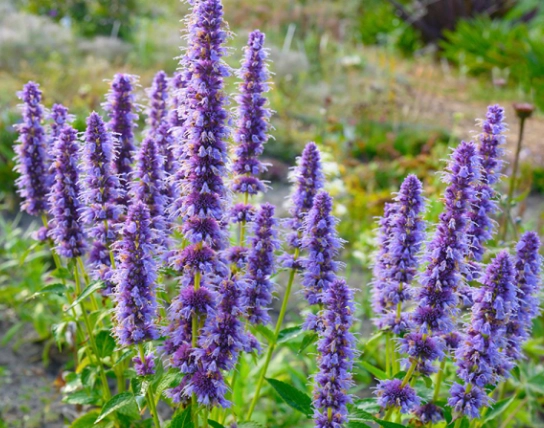
I first stumbled upon it years ago at a friend's farm. They had this tall, spiky plant covered in bees and hummingbirds, with a scent that was like licorice and mint had a wonderful, fragrant baby. I was hooked. Since then, I've grown several varieties, killed a few (more on that later), and come to see it as one of the most versatile and low-maintenance perennials you can add to your space. But it's not without its quirks.
So, what exactly is this plant? Is it just a pretty face for pollinators, or can you actually use it? How hard is it to grow? I'll walk you through everything I've learned, the good and the slightly frustrating, so you can decide if a giant hyssop plant deserves a spot in your garden.
What Is Giant Hyssop? Clearing Up the Confusion
The name "hyssop" causes a lot of mix-ups. True hyssop (Hyssopus officinalis) is a different plant from Europe, with a more medicinal, bitter scent. Our star, the giant hyssop plant, belongs to the mint family (Lamiaceae) but, thankfully, it's not a runner like its invasive mint cousins. It forms a well-behaved clump.
The "giant" part is relative. It typically grows 2 to 4 feet tall, sometimes even taller in perfect conditions. The square stems (a classic mint family trait) hold opposing pairs of leaves that are green on top and a soft, almost silvery white underneath. Crush one. Go ahead, imagine it. That burst of sweet anise scent is its calling card.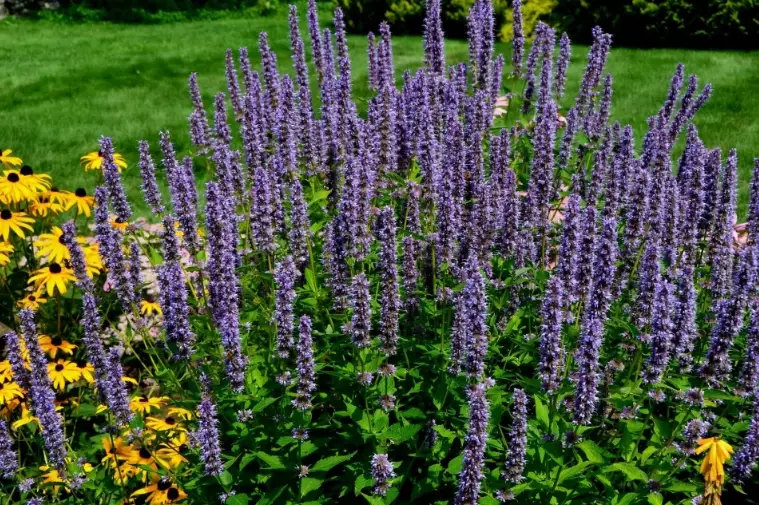
From mid-summer right into fall, it sends up these gorgeous flower spikes. They're not just one solid color. They're usually a whorl of tiny, tubular flowers in shades of lavender, violet, or blue, packed tightly together. This structure is a pollinator magnet—it's like a busy airport lounge for bees, butterflies, and hummingbirds. The Royal Horticultural Society, a pretty authoritative source on garden plants, even gives several Agastache cultivars their prestigious Award of Garden Merit, which tells you they're not just a passing fad.
You can find solid information on its botanical background and native range from the Lady Bird Johnson Wildflower Center database. It's a trustworthy resource for native plant info.
Popular Varieties: It's Not Just One Plant
Thinking of getting a giant hyssop plant? You've got options. Breeders have been busy, and now there are cultivars with different colors, sizes, and even slightly different scents. Here’s a rundown of some of the most popular ones you're likely to find.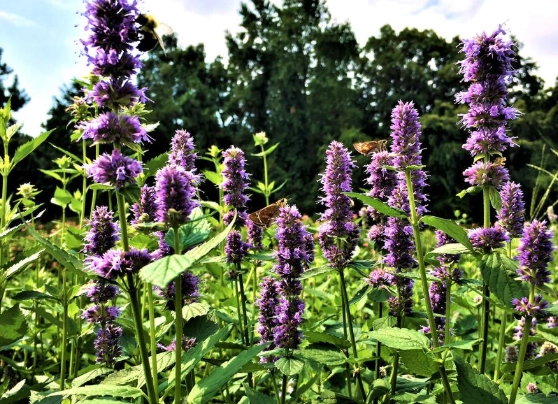
| Variety Name | Key Features | Best For | My Personal Note |
|---|---|---|---|
| Agastache foeniculum (The Straight Species) | Classic lavender-blue flowers, 2-3 ft tall, strongest anise scent. | Purists, native plant gardens, herb use. | The original and still fantastic. The scent is unbeatable for tea. |
| 'Blue Fortune' | Sterile hybrid, powder blue flowers, 2-3 ft, very long bloom time. | Continuous color, low maintenance, doesn't self-seed. | My top pick for sheer reliability. Blooms forever and the bees adore it. |
| 'Black Adder' | Darker, violet-blue flowers on nearly black calyxes, 2-2.5 ft. | Adding dramatic color contrast. | The dark buds are stunning against the blue flowers. A real looker. |
| 'Golden Jubilee' | Bright golden-yellow leaves in spring, fading to lime green, blue flowers. | Foliage interest in spring/early summer. | The chartreuse foliage is brilliant early on, but can look a bit tired in peak heat. |
| 'Apricot Sunrise' / 'Peach Cobbler' | Peach, orange, or apricot-colored flowers! 1.5-2 ft. | Breaking the blue-purple monotony. | That last one, the apricot-colored types, are real conversation starters. They don't always have the classic anise scent—sometimes it's fruitier—and honestly, in my experience, they can be a tad less hardy in very wet winters. Still gorgeous though. |
The Complete Giant Hyssop Plant Care Guide
Okay, so you want to grow one. Here's the real-world, dirt-under-the-fingernails guide to keeping it happy. I've learned some of this the hard way.
Sun, Soil, and the All-Important Drainage
This is the golden rule for giant hyssop: give it sun and don't let its feet stay wet. It thrives in full sun—at least 6 hours, but more is better. In partial shade, it gets leggy and floppy, and the flowering won't be as impressive.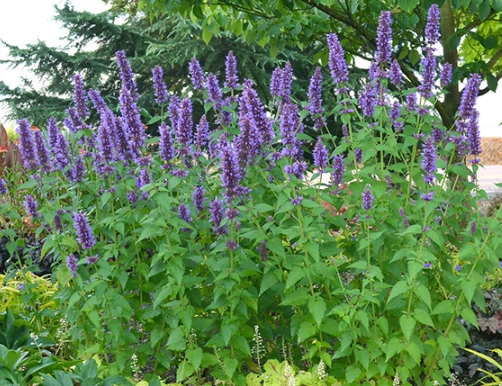
Soil is where I've seen most people fail. This plant hails from prairies and open woodlands. It wants well-drained soil, period. Heavy, soggy clay is its worst enemy, especially in winter. Wet soil + freezing temperatures = dead Agastache. If you have clay soil, you must amend it. Raised beds are a fantastic solution.
Watering: Less is More
Once established, giant hyssop is remarkably drought-tolerant. The first season is critical. Water it regularly to help its root system spread out. After that, it largely fends for itself. I only water mine during prolonged, bone-dry summer spells. Overwatering is a surefire way to promote root rot and a short-lived plant.
It's a perfect candidate for xeriscaping or low-water gardens. That's a huge user benefit right now with shifting climate patterns and water restrictions.
Feeding and Pruning
It's not a heavy feeder. In fact, rich soil can make it grow too lush and flop over. A light application of a balanced, organic fertilizer in early spring is plenty. Or just top-dress with compost.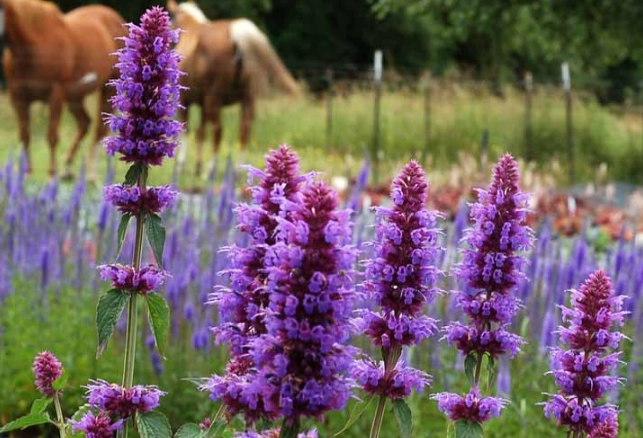
Pruning is simple but makes a big difference. Here’s your annual schedule:
Early Summer (Pinching): When the plant is about a foot tall, pinch off the top few inches. This encourages bushier growth and more flower spikes. It prevents a single, lanky stem.
Midsummer (Deadheading): As flower spikes fade, cut them back to a set of leaves. This often prompts a second, smaller flush of blooms.
Late Fall / Early Spring (Clean-up): Leave the spent stems standing over winter. They provide some structure and habitat for insects. In early spring, before new growth starts, cut the entire plant back to about 4-6 inches from the ground.
Pests and Problems
Honestly, this is a major plus. Deer and rabbits usually leave it alone because of the fragrant oils in the leaves. You might see some powdery mildew late in the season if air circulation is poor, but it's rarely serious. Japanese beetles might nibble. That's about it. Its pest resistance is a massive selling point for organic gardeners.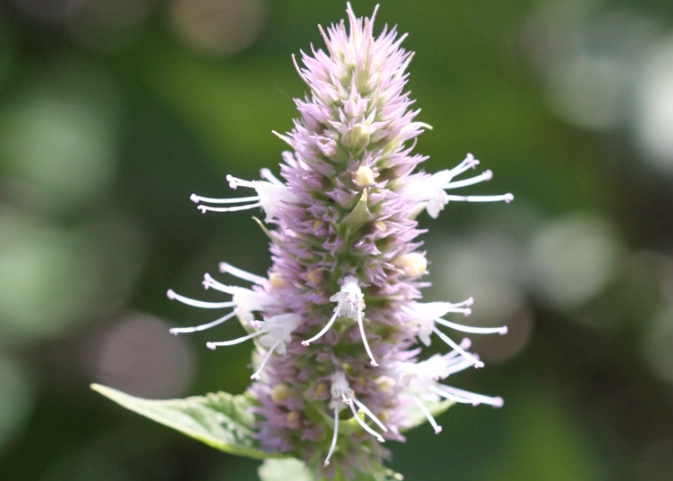
Beyond the Garden: How to Use Giant Hyssop
This is where the giant hyssop plant goes from "nice ornamental" to "must-have multi-tasker."
For the Pollinators: An Ecological Powerhouse
If you do nothing else with it, grow it for the bees. During its long bloom period, the flower spikes are constantly buzzing. It's a superior nectar source. Research from institutions like the Xerces Society for Invertebrate Conservation highlights the importance of long-blooming, nectar-rich native plants like Agastache for supporting pollinator populations. Planting one is a direct action you can take to help.
In the Kitchen: A Surprising Culinary Herb
The leaves are edible! That sweet, licorice-mint flavor is wonderful.
- Tea: This is the classic use. Fresh or dried leaves make a calming, caffeine-free herbal tea. Steep a handful of fresh leaves in hot water for 5-7 minutes. It's soothing.
- Salads & Desserts: Finely chop a few fresh leaves and sprinkle them over fruit salads, green salads, or even mix into cookie or shortbread dough for a subtle, surprising flavor.
- Simple Syrup: Steep leaves in a 1:1 sugar-water syrup. Strain and use it to flavor lemonade, cocktails, or drizzle over pancakes.
A word of caution: The flavor is potent. Start with a small amount. It can overpower a dish if you're not careful.
Medicinal and Traditional Uses
Historically, various Native American tribes used Agastache foeniculum for medicinal purposes, such as making cough syrups or poultices. It's important to approach this with respect and modern sensibility.
Today, it's primarily valued in herbalism as a calming digestive tea and a mild expectorant. The leaves contain volatile oils that are thought to have relaxing properties.
Propagating Your Giant Hyssop Plant
Want more? They're easy to multiply.
Seed: You can collect seeds from the spent flower heads in fall. They need a period of cold stratification (a fancy term for simulating winter) to germinate well. Sow them outdoors in fall or put seeds in a damp paper towel in the fridge for 4-6 weeks before spring sowing. The species will come true from seed, but hybrids like 'Blue Fortune' won't.
Division: In early spring, as new growth emerges, you can dig up the clump and carefully split it with a sharp shovel or knife. Replant the divisions immediately. This is the best way to get clones of your favorite plant.
Softwood Cuttings: In late spring, take 4-6 inch cuttings from non-flowering stems, strip the lower leaves, dip in rooting hormone, and stick them in a pot of moist potting mix. Keep them humid (a plastic bag over the pot works) until they root. This is my preferred method for saving a favorite plant that might not survive the winter.
Answering Your Giant Hyssop Questions (FAQ)
Final Thoughts: Is It Worth It?
Look, no plant is perfect. The giant hyssop plant can be a bit fussy about winter wetness, and some of the fancier hybrids lack the hardiness of the straight species. It's not a "plant it and forget it for 20 years" shrub.
But.
The benefits far outweigh the quirks for me. For the sheer amount of pollinator activity it brings, for the months of color, for that delightful fragrance on a warm summer evening, and for the bonus of having your own herbal tea plant, it's a superstar. It asks for so little—just a sunny spot with decent drainage—and gives back so much.
If you're looking to add movement, life, and fragrance to your garden, and you want a plant that works hard from summer through fall, give the giant hyssop a try. Start with a tough variety like 'Blue Fortune' or the straight Agastache foeniculum. Get the drainage right, and I think you'll find yourself, like me, wondering why you didn't plant more of them sooner.
It's more than just another pretty flower. It's a hub of garden life, a useful herb, and a testament to the beauty of resilient native plants. That's a combination that's hard to beat.