Quick Guide
- Why Bother? The Undeniable Case for Growing Mint
- Getting Started: How to Actually Mint a Herb Garden the Right Way
- Keeping It Alive: The Real Deal on Mint Plant Care
- Solving the Inevitable Problems
- Harvesting and Using Your Mint: The Payoff
- Beyond the Kitchen: Why Mint is a Multi-Tasker
- Honest Answers to Common Mint Questions
- The Bottom Line on Your Mint Ambitions
Look, we've all been there. You see those lush, vibrant mint plants at the garden center or in a fancy cooking show, and you think, "How hard can it be?" You bring one home, stick it in a pot, and dream of fresh mojitos and garnished desserts. Fast forward a few weeks, and it's either dead or trying to stage a hostile takeover of your entire yard. Mint has a reputation, and it's not entirely undeserved.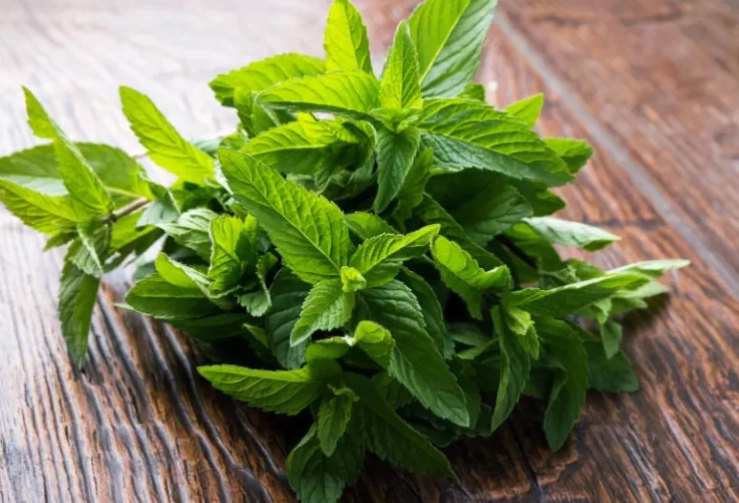
But here's the thing – learning how to properly mint a herb patch (or pot) is one of the most rewarding things you can do as a beginner gardener. It's forgiving in some ways, brutally honest in others. This isn't just about sticking a plant in dirt. It's about understanding a living thing that wants to thrive, sometimes a little too much. I've killed my share of mint plants before I figured it out, and I've also had to ruthlessly tear out patches that got too ambitious. Let's walk through the whole journey, from that first seedling to a harvest that actually makes you feel like a capable human being.
Why Bother? The Undeniable Case for Growing Mint
Before we get our hands dirty, let's be clear on why mint a herb garden is worth the occasional headache. It's not just about saving a couple bucks at the grocery store.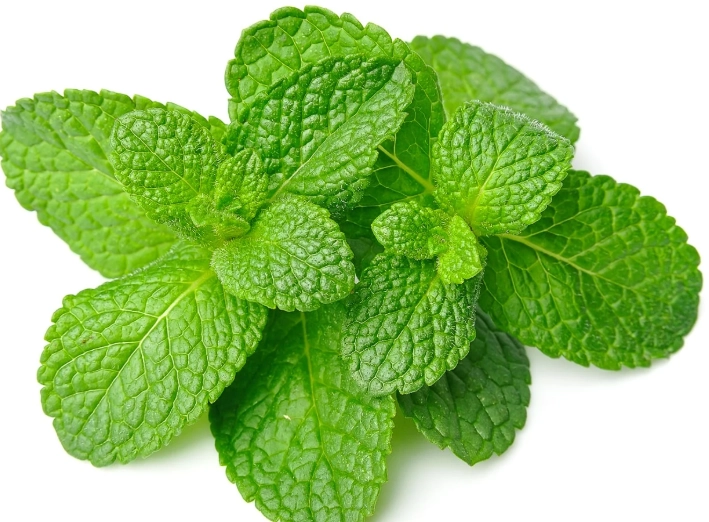
First, the flavor. There is no comparison between a limp sprig of store-bought mint that's been traveling for weeks and a leaf you snap off and crush between your fingers moments before using. The aroma is explosive, the taste is brighter and more complex. It makes your kitchen feel like a professional one.
Then there's the sheer variety. The mint family is huge. You're not just getting "mint." You're getting a palette of flavors:
- Spearmint: The classic. Sweet, mild, perfect for drinks, jellies, and Middle Eastern cuisine.
- Peppermint: The bold one. High in menthol, that strong, cooling punch is ideal for teas, desserts, and remedies.
- Chocolate Mint: Yes, it really does smell like a York Peppermint Pattie. Amazing in desserts.
- Pineapple Mint: Variegated leaves with a fruity twist. Great for fruit salads and garnishes.
- Apple Mint: Fuzzy leaves, subtle apple scent. Lovely in iced tea.
You also get control. No pesticides, no unknown origins. You know exactly what's going into your food and your body. And let's be honest, there's a simple, primal satisfaction in growing something you can eat. It's a small win in a complicated world.
Getting Started: How to Actually Mint a Herb Garden the Right Way
This is where most people go wrong. They treat mint like any other herb. It's not. Mint is a survivor, a colonizer. Your job is to provide a good life while firmly setting boundaries.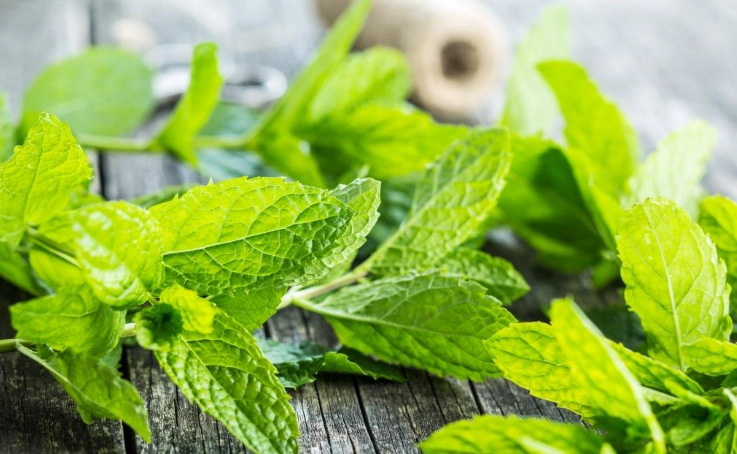
The Great Debate: Ground vs. Container
Let's settle this. Unless you have a dedicated, isolated patch of land you don't mind becoming Mint Territory, always start with a container. I cannot stress this enough. Planting mint directly in your garden bed is like inviting a very friendly, very prolific relative to stay for a weekend who then moves in permanently and redecorates.
Containers give you control. A decent-sized pot (at least 12 inches deep and wide) with good drainage holes is the perfect home. You can use plastic, ceramic, or clay. Clay pots dry out faster, which can be good to prevent overwatering but means you'll need to water more often.
If you are determined to plant in the ground, you need a strategy. Sink a large, bottomless pot or a specific root barrier (available at garden centers) at least 12-18 inches deep into the soil to create a physical wall the roots can't easily penetrate.
Dirt Matters: The Best Soil for Your Mint
Mint isn't super fussy, but it has preferences. It likes rich, moist, well-draining soil. A good quality potting mix is fine. You can mix in some compost for extra nutrients. The key term is "well-draining" – mint hates having wet feet. Soggy soil leads to root rot, which is a fast ticket to a dead plant.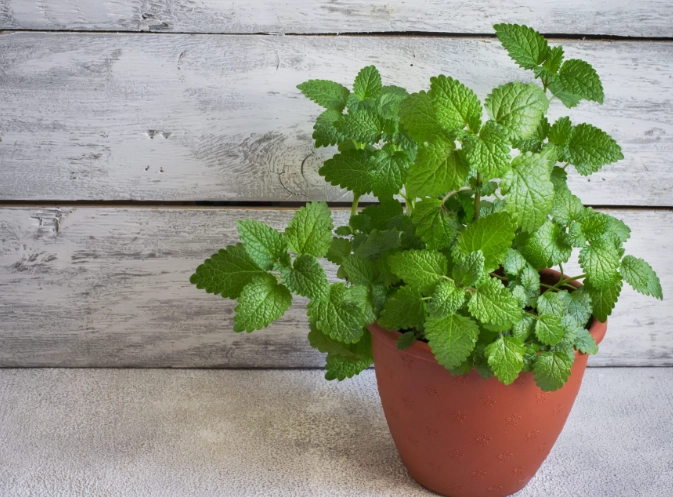
The ideal soil pH is slightly acidic to neutral (6.0 to 7.0). Most bagged potting mixes fall in this range. If you're using garden soil, it might be worth testing it. Places like your local university extension service (like the University of Minnesota Extension) often have great resources on soil testing.
Sunlight: How Much is Just Right?
Here's a common misconception: mint loves full, blazing sun all day. Not quite. It tolerates it, but it truly thrives in partial sun to light shade. Think 4-6 hours of sunlight. In hot climates, afternoon shade can prevent the leaves from scorching and the plant from drying out too quickly.
Indoors, a bright east or west-facing window is perfect. A south-facing window might be too intense unless you filter the light. If your mint starts getting leggy (long stems with few leaves), it's begging for more light.
Let's compare the main ways to start your mint journey. Buying a plant is almost always the easiest win for beginners.
| Method | How To | Pros | Cons | Best For |
|---|---|---|---|---|
| Starter Plant | Buy a small pot from a nursery. Gently loosen roots, plant in container. | Instant plant. Established, less risk. You can see the variety. | Slightly more expensive. May come with pests. | Everyone, especially beginners. The fastest way to mint a herb garden. |
| Cuttings | Snip a 4-6" stem, remove lower leaves, place in water until roots form. | Free if you have a friend with mint. Fun process. | Can fail. Takes a few weeks to get a plantable seedling. | Gardeners on a budget, those who like propagating. |
| Seeds | Sow seeds on moist soil surface, barely cover. Keep warm & moist. | Cheap. Many seeds in a packet. Specific varieties. | Slow. Germination can be tricky. Some mint hybrids don't grow true from seed. | Patient gardeners, those wanting rare varieties. |
Keeping It Alive: The Real Deal on Mint Plant Care
You've planted it. Now the real relationship begins. Mint care is simple but non-negotiable.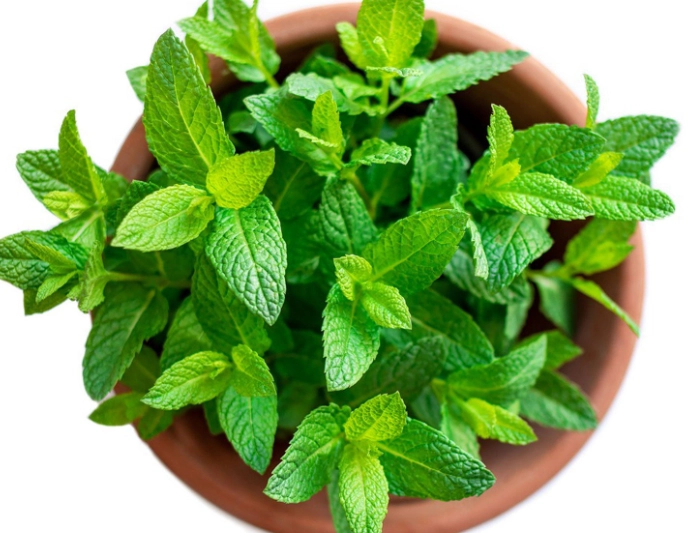
Watering: The Number One Killer
Overwatering kills more mint plants than anything else. Underwatering stresses them. The goal is consistently moist, not soggy, not bone-dry.
The finger test is your best friend. Stick your finger into the soil up to the first knuckle. If it feels dry, water thoroughly until water runs out the drainage holes. If it feels damp, wait. In hot summer weather, this might be every day. In cooler weather, it might be every 3-4 days.
Water the soil, not the leaves. Wet leaves can encourage fungal diseases like powdery mildew.
To Feed or Not to Feed?
Mint isn't a heavy feeder, but it appreciates a little snack during the growing season (spring to early fall). A half-strength dose of a balanced, all-purpose liquid fertilizer once a month is plenty. More is not better. Over-fertilizing leads to lots of weak, leggy growth with less flavor.
In winter, or if your plant is indoors year-round and not growing much, stop fertilizing.
Pruning and Pinching: This is Non-Negotiable
If you do nothing else, do this. Regularly pinching off the top sets of leaves encourages the plant to become bushy, not tall and spindly. Just use your fingers or clean scissors to snip right above a set of leaves.
More importantly, never let it flower. I know, the flowers are pretty and the bees love them. But once mint starts flowering, it signals the plant to slow down leaf production and put energy into seeds. The leaves can also become tougher and less flavorful.
As soon as you see flower buds forming, cut that stem back by about one-third. It might seem harsh, but the plant will respond by sending out fresh, tasty new growth from lower down. This is the single best trick to keep your mint productive for years.
Solving the Inevitable Problems
Even with perfect care, things happen. Here's a quick trouble-shooter.
- Yellowing leaves at the bottom? Probably normal aging. Pluck them off. If it's widespread, could be overwatering.
- Leggy, stretched-out stems? Not enough light. Move it to a brighter spot and give it a good haircut.
- White powder on leaves? Powdery mildew. Improve air circulation, avoid wetting leaves, and remove affected parts. A spray of 1 tsp baking soda in 1 quart of water can help.
- Tiny webs and speckled leaves? Spider mites. They love dry, indoor air. Spray the plant down in the shower or sink to dislodge them. Increase humidity.
- The whole plant is wilting, even with wet soil? Root rot from overwatering. It's often fatal. You can try to take healthy cuttings from the very tips and start over.
For authoritative information on diagnosing plant diseases, the Royal Horticultural Society (RHS) website is an incredible, science-backed resource I use all the time.
Harvesting and Using Your Mint: The Payoff
This is the fun part. You can start harvesting once the plant is about 6-8 inches tall. Never take more than one-third of the plant at once.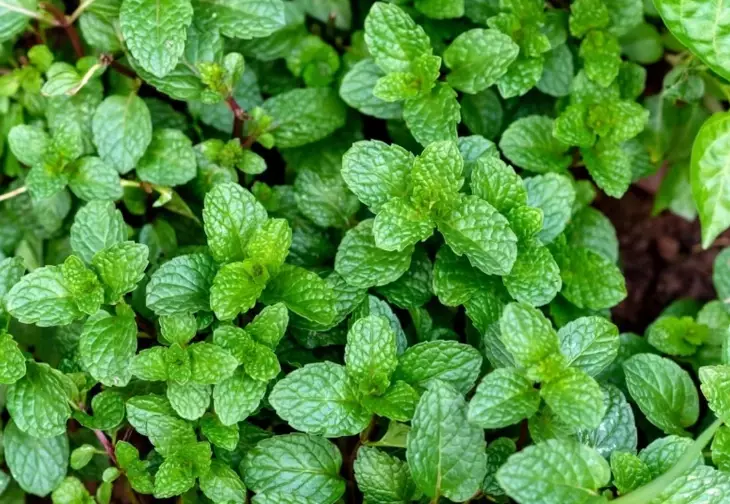
How to harvest: Use clean scissors. Cut stems just above a set of leaves. This encourages new branches to grow from that point. Rinse gently and pat dry.
Using it fresh: This is best. Add to drinks, chop into salads, blend into sauces like chimichurri, or make a simple syrup (equal parts sugar and water, simmered with a handful of mint leaves, then strained).
Preserving it:
- Freezing: Chop mint and freeze in ice cube trays with a little water or stock. Or freeze whole leaves on a tray before bagging.
- Drying: Tie stems in small bundles and hang upside-down in a warm, dark, well-ventilated place. Once crisp, strip leaves and store in an airtight jar. Dried mint is great for tea but loses its fresh punch for other uses.
Beyond the Kitchen: Why Mint is a Multi-Tasker
Growing mint isn't just culinary. It's a useful household plant.
It's a natural insect repellent. Rubbing fresh leaves on your skin can deter mosquitoes (though the effect is short-lived). Planting it near doorways may help keep ants away. The strong scent confuses pests.
It has a long history in traditional medicine for soothing upset stomachs and aiding digestion. A simple peppermint tea after a heavy meal is a classic for a reason. (Note: I'm not a doctor. For health information, consult reputable sources like the National Institutes of Health (NIH) PubMed database for scientific studies).
It just smells good. A pot of mint on your patio or windowsill releases its scent when brushed against, acting as natural air freshener.
Honest Answers to Common Mint Questions
The Bottom Line on Your Mint Ambitions
Learning to mint a herb garden successfully boils down to a few key mindsets: respect its vigor, master the watering can, and be ruthless with the pruning shears. It's a plant that teaches you about growth, resilience, and sometimes, necessary boundaries.
Start simple. Get a healthy spearmint plant from a local nursery, plant it in a generous pot with good dirt, and put it where it gets some sun and some shade. Water when the top inch of soil is dry. Pinch it back every couple of weeks. That's it. You don't need a green thumb, just a bit of consistent attention.
Before you know it, you'll have more mint than you know what to do with. And that's a fantastic problem to have. You'll be making your own tea, garnishing your own cocktails, and maybe even giving bundles away to neighbors. You'll have moved from someone who kills plants to someone who understands them. And it all starts with deciding to mint a herb.
So go on. Give it a shot. Get a plant this weekend. The worst that can happen is you learn something. The best that can happen is you gain a delicious, fragrant, generous friend for your home.
Reader Comments