Quick Navigation
- What Exactly Is An Ice Plant? Identification & Key Varieties
- How to Grow Ice Plant Successfully: A No-Nonsense Guide
- The Double-Edged Sword: Benefits and Serious Drawbacks
- From Garden to Table: How to Eat Common Ice Plant
- Frequently Asked Questions About Ice Plant
- Making the Right Choice for Your Garden
Let's set the record straight right from the start. When you hear "ice plant," what pops into your head? For a lot of folks, it's that shimmering, low-growing carpet of green you see smothering coastal hillsides or spilling over rock walls. You know, the stuff that looks like it's covered in a million tiny ice crystals, especially in the morning light. It's stunning, no doubt about it.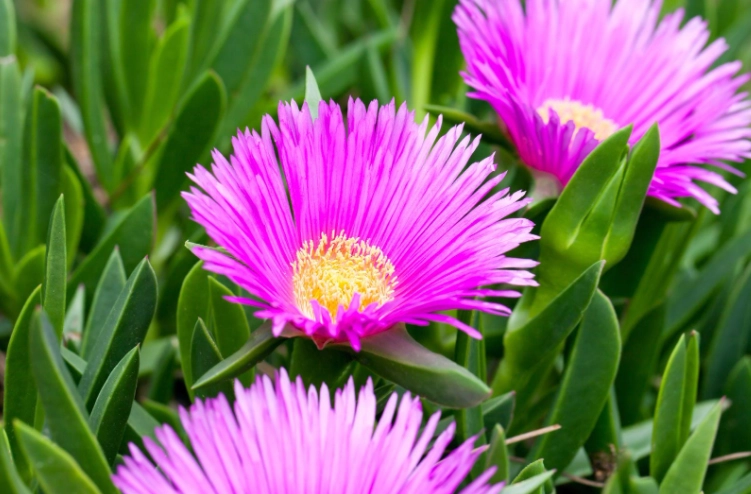
But here's where things get interesting, and honestly, a bit confusing. That common groundcover? It's just one face of the ice plant family. The name "ice plant" isn't for a single plant but a whole gang of succulents, mostly from South Africa, that share that glittery, water-filled look. The botanical name for the big group is Aizoaceae, but the superstar you see everywhere is usually Carpobrotus edulis, the Hottentot fig or highway ice plant. It's tough, it spreads like crazy, and it's got a bit of a bad reputation in some places. More on that later.
Then there's the other side of the coin—the Mesembryanthemum crystallinum, also called the common ice plant or crystalline iceplant. This one's a bit more of an annual, and guess what? It's not just pretty; it's edible. Seriously, you can eat the thing. Leaves, stems, the works. It has a salty, crisp, slightly sour taste that chefs are starting to get really excited about.
So, if you're thinking about adding an ice plant to your garden, or you're curious about the one taking over the empty lot down the street, you've got to know which one you're dealing with. This guide is here to cut through the noise. We'll talk about how to tell them apart, how to grow them (or stop them), and even how to put them on your plate. I've grown both types in my own garden, with mixed results, so I'll share what worked, what was a disaster, and what surprised me.
What Exactly Is An Ice Plant? Identification & Key Varieties
Okay, let's get our hands dirty with some plant detective work. The main thing that ties all ice plants together is those specialized bladder cells on their leaves and stems. They look like tiny, glistening beads or crystals. That's where the "ice" name comes from—it's not cold, it just looks frosty. These cells help the plant store water and reflect harsh sunlight, which is why they're champions of dry, sunny spots.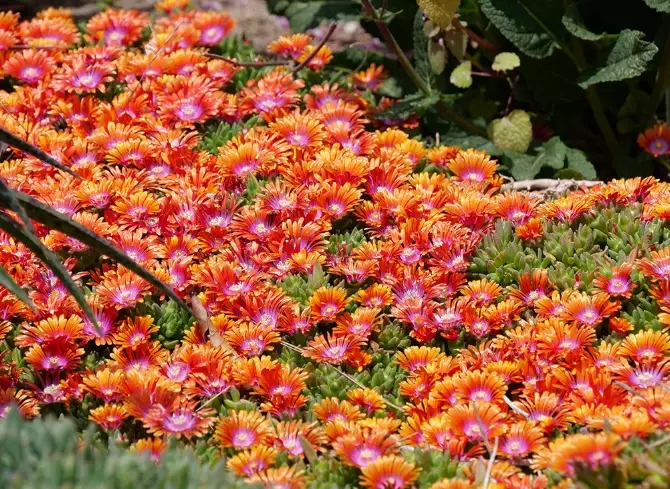
Here’s a breakdown of the main characters in the ice plant story. I find a table is the easiest way to keep them straight, especially when you're at the nursery trying to figure out what you're buying.
| Common Name & Botanical Name | Key Identifying Features | Typical Use & Behavior | My Personal Take |
|---|---|---|---|
| Highway Ice Plant / Hottentot Fig (Carpobrotus edulis) |
Thick, three-sided, fleshy leaves. Large, bright pink or yellow daisy-like flowers. Forms dense, matted groundcover. Fruit is fig-like and edible. | Erosion control, groundcover. Highly invasive in coastal areas (e.g., California, Mediterranean). | It's a brute. Great for a slope you never want to touch again, but it will swallow everything in its path. I regret planting it near my other succulents. |
| Common Ice Plant / Crystalline Iceplant (Mesembryanthemum crystallinum) |
Flat, spoon-shaped leaves densely covered in crystal-like papillae. Smaller white or pink flowers. More upright or sprawling habit, not a tight mat. | Edible garden, seasonal interest, container plant. Can self-seed but is generally annual or short-lived perennial. | This is the fun one. The leaves really do sparkle. It's easier to manage than its cousin, and the edible factor is a huge bonus. |
| Livingstone Daisy / Dorotheanthus (Various Mesemb. spp.) |
Small, cylindrical leaves. Prolific, vibrantly colored flowers (pink, orange, magenta, white) that close at night and on cloudy days. | Annual bedding plant, rock gardens, containers for explosive seasonal color. | Pure joy in a packet of seeds. They bloom their heads off with zero fuss. A perfect beginner's plant. |
| Hardy Ice Plant (Delosperma spp.) |
Small, needle-like leaves. Masses of small, shimmering flowers in many colors. Extremely cold-tolerant for a succulent. | Perennial groundcover in colder climates (down to USDA zone 4). Excellent for xeriscaping. | A lifesaver for cold-climate gardeners who crave succulent texture. The 'Fire Spinner' variety with orange and purple flowers is stunning. |
See what I mean? They're all related, but they have totally different personalities. The ice plant causing ecological headaches on the coast is almost always the Carpobrotus. The one popping up on fancy restaurant menus is the Mesembryanthemum crystallinum. For reliable, colorful ground cover that won't take over the planet, you look at Delosperma.
A quick tip: When in doubt, look at the leaf shape and flower size. Big flowers and chunky three-cornered leaves? That's the potentially invasive one.
How to Grow Ice Plant Successfully: A No-Nonsense Guide
So you've decided you want to grow some form of ice plant. Good choice, but you can't just stick it in the ground and hope for the best. Well, actually, with some of them you almost can—which is the problem. Here’s the real-world, from-experience guide to getting it right.
The Non-Negotiables: Sun, Soil, and Water
Think of where these plants come from: sunny, dry, often poor-soil environments. That's your blueprint.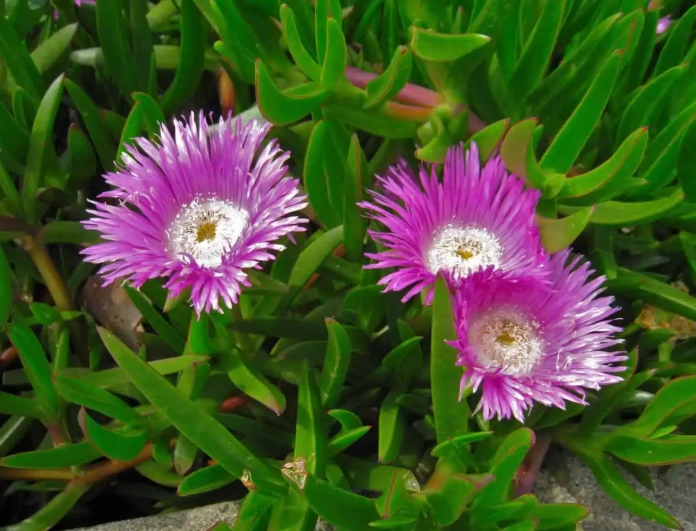
- Sun: Full, blazing sun. At least 6-8 hours direct light. Less sun means weak, leggy growth and few to no flowers. They'll literally stretch out looking for light.
- Soil: This is critical. Fast-draining soil is non-negotiable. Sandy, gritty, rocky—perfect. Heavy clay soil is a death sentence through root rot. If your soil is clay, plant in a raised bed or a container. I mix potting soil with a hefty amount of perlite and coarse sand (like a 2:1:1 ratio).
- Water: The "soak and dry" method is king. Water deeply, then let the soil dry out completely before watering again. In the ground and established, many ice plants need little to no supplemental water. Overwatering is the #1 killer. In winter, cut back water significantly.
Planting and Ongoing Care
Planting is straightforward. Do it in spring or early summer so they establish before cooler weather. Dig a hole as deep as the root ball and twice as wide. Gently tease the roots if they're pot-bound, place it in, and backfill with your gritty mix. Water it in to settle the soil.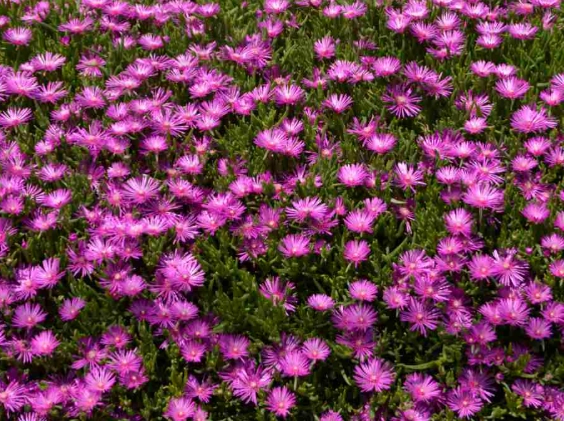
Fertilizer? Honestly, skip it. Or if you must, use a diluted, balanced fertilizer once at the start of the growing season. They thrive on neglect, and too much food makes for soft, weak growth.
Pruning isn't usually needed for shape, but you can pinch back tips to encourage bushiness in the upright types like the common ice plant. For groundcovers like Carpobrotus or Delosperma, you might need to trim the edges to keep them from invading walkways or other plantings. Do this after the main flowering flush.
Winter Care and Hardiness
This totally depends on the type. Delosperma (hardy ice plant) can handle serious cold, especially if the soil is dry. Mesembryanthemum crystallinum is often grown as an annual but can act as a short-lived perennial in frost-free zones. Carpobrotus is tender to frost.
The key for all of them in cold, wet winters is dry roots. Wet soil plus freezing temps is a recipe for dead plants. If you get cold, wet winters, consider growing them in containers you can move to a sheltered spot, or ensure the in-ground planting site has impeccable drainage.
The Double-Edged Sword: Benefits and Serious Drawbacks
Let's have an honest chat about the pros and cons. Ice plants aren't a perfect fairy tale.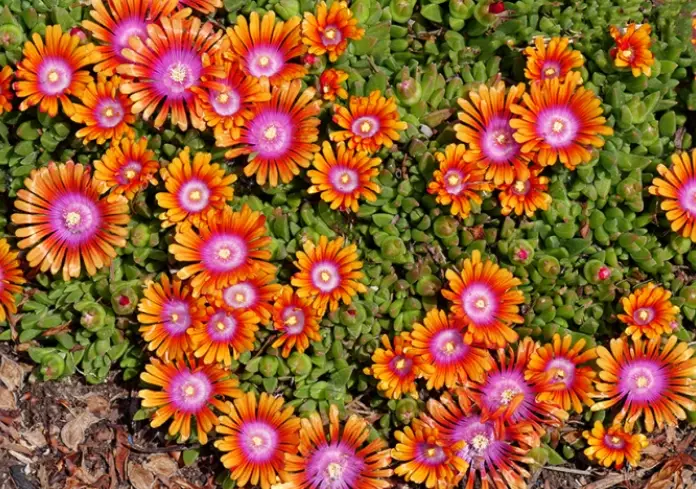
The Good Stuff (And It's Really Good)
- Drought Champion: Once established, they need minimal water. This is their superpower, making them ideal for xeriscaping and water-wise gardens. You're saving money and a precious resource.
- Erosion Control: Their dense, mat-forming roots are fantastic at holding soil on slopes. This is why they were originally planted along highways and coasts.
- Low Maintenance: No mowing, little watering, no staking. They're the definition of "plant it and mostly forget it."
- Pollinator Friendly: Those bright flowers are magnets for bees, butterflies, and other beneficial insects.
- Edibility: Specifically for Mesembryanthemum crystallinum, you get a unique, crunchy, salty green. It's a conversation starter in the garden and the kitchen.
The Bad and the Ugly (You Need to Know This)
This is where we talk about the elephant in the room. The Carpobrotus edulis ice plant is listed as a highly invasive species in many coastal regions worldwide, including California, parts of Australia, and the Mediterranean.
How did it happen? Well, it was introduced with good intentions for erosion control. But its aggressive growth, dense mats, and ability to propagate from tiny stem fragments let it escape cultivation. It outcompetes and smothers native plants that local wildlife depends on. It changes the soil chemistry and can even increase fire risk in some areas by creating dense, dry fuel.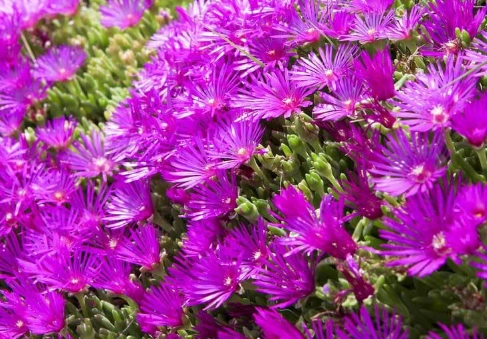
Organizations like the California Invasive Plant Council (Cal-IPC) classify it as a major threat. In Australia, resources from the Department of Climate Change, Energy, the Environment and Water detail its impact. Before you plant any Carpobrotus, check with your local extension service or native plant society. In many areas, planting it is irresponsible, and removal is encouraged.
So, the benefit of erosion control comes with a massive ecological cost in the wrong place.
From Garden to Table: How to Eat Common Ice Plant
This is the exciting part for me. Growing food that looks this cool? Sign me up. The common ice plant (Mesembryanthemum crystallinum) is the edible star. Those sparkling leaves aren't just for show.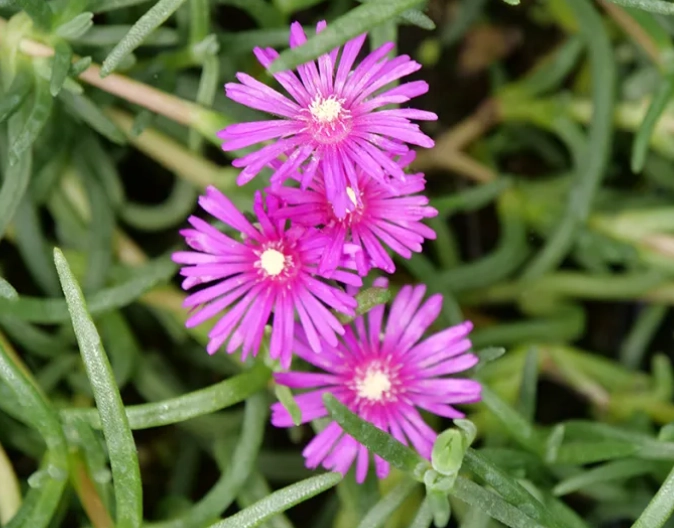
Flavor Profile: Think of a crisp, juicy texture like a thick-skinned grape. The taste is mildly salty (it absorbs salt from the soil), slightly sour like sorrel or lemony spinach, and with a fresh, green finish. The saltiness is its signature.
How to Harvest: Simply snip off young leaves and tender stem tips. The younger leaves are more tender and less fibrous. You can harvest throughout the growing season. Give them a good rinse to remove any grit from those crystalline cells.
How to Use It: Don't cook it for long—the unique texture is part of the appeal.
- Fresh in Salads: This is the best use. Toss whole leaves or tear them into a green salad for a burst of salinity and crunch. It can literally replace your salt shaker.
- Garnish: It's a stunning garnish for seafood, grilled meats, or summer cocktails. The sparkle is real.
- Quick Pickle: Lightly pickle the stems in rice vinegar and a touch of sugar for a fantastic condiment.
- Blitz into Pesto: Blend with nuts, garlic, olive oil, and a touch of lemon for a uniquely salty-sour pesto.
- Sautéed or Wilted: Toss into a hot pan for just 30-60 seconds at the very end of cooking, like you would with spinach. It wilts quickly but loses its crunch.
Frequently Asked Questions About Ice Plant
Is ice plant poisonous to dogs or cats?
Good news here. According to resources like the ASPCA, the common ice plants (Mesembryanthemum and Carpobrotus genera) are not listed as toxic to dogs, cats, or horses. However, any plant material can cause mild stomach upset if ingested in large quantities. The bigger risk with the groundcover types is that their dense mats can attract snakes or rodents seeking cover, which could pose an indirect risk to pets.
Why is my ice plant not flowering?
Three main culprits: 1. Not enough sun. This is 90% of the problem. Move it. 2. Too much fertilizer or water. You're making it lazy and leafy. Stop feeding it and let the soil dry out more. 3. It's too young or it's the wrong season. Most ice plants flower in late spring through summer. Be patient with new plants.
How do I get rid of invasive ice plant?
This is hard work, I won't sugarcoat it. For Carpobrotus edulis:
- Manual Removal: For small patches, dig it out, ensuring you get ALL the roots and stem fragments. Any piece left behind can re-root. Bag all plant material and dispose of it in the trash, not compost.
- Smothering: Cover the area with heavy-duty black plastic or cardboard for a full growing season to solarize and kill it.
- Professional Help: For large infestations, consult local environmental agencies. Sometimes controlled grazing by goats or specific herbicides (applied carefully by professionals) are used in restoration projects. The National Invasive Species Information Center is a good starting point for management protocols.
Can I grow ice plant indoors?
You can try, but it's a challenge. They need several hours of direct sunlight indoors, which usually means a south-facing window. Even then, they often become etiolated (stretched). They're much happier outdoors. If you must, treat them like any succulent indoors: maximum light, minimal water, and excellent drainage.
What's the difference between ice plant and sea asparagus or samphire?
Great question, as they share a salty flavor. They're completely different plants. Sea asparagus (Salicornia) is a succulent that grows in salt marshes, has jointed, leafless stems, and a stronger, brinier taste. Ice plant has distinct leaves and grows in drier, sandy soils. Both are edible, but they're not substitutes.
Making the Right Choice for Your Garden
So, after all this, is an ice plant right for you? Let's break it down simply.
Choose the Hardy Ice Plant (Delosperma) if: You want a reliable, colorful, non-invasive perennial groundcover for a sunny, dry spot, especially in a colder climate. It's the safest, most garden-friendly choice.
Choose the Common Ice Plant (Mesembryanthemum crystallinum) if: You're a gardener who loves edible oddities, have a hot sunny spot with great drainage, and want a fascinating annual plant. It's a wonderful experiment.
Avoid the Highway Ice Plant (Carpobrotus edulis) if: You live anywhere near natural coastal areas, value native plants, or don't want a garden tyrant. The ecological risk is too high. There are better, native alternatives for erosion control.
At the end of the day, the "ice plant" is a lesson in looking beyond the common name. It's a label that covers a spectrum from ecological menace to culinary treasure to garden rockstar. Do your homework, pick the right one for your place and purpose, and you'll have a sparkling, resilient plant that asks for little and gives a lot. Just please, know what you're planting.
I started with the invasive one and learned my lesson. Now I stick with Delosperma for color and the common ice plant for fun in my vegetable patch. It's a balance that works, and my garden—and the local ecosystem—are better for it.
Reader Comments