In This Guide
- The Big Question: Can Crape Myrtle Survive Oregon Winters?
- The Golden Rule: Picking the Right Crape Myrtle for Oregon
- How to Plant and Care for Your Oregon Crape Myrtle
- The Winter Question: To Protect or Not to Protect?
- Common Problems (& Solutions) for Crape Myrtle in Oregon
- Frequently Asked Questions About Crape Myrtle in Oregon
- Final Thoughts: Is a Crape Myrtle Right for Your Oregon Garden?
Let's be honest, when you think of crape myrtle, you probably picture the sunny streets of the South, draped in those vibrant pink and purple blooms all summer long. But here in Oregon? That's a different story. I've had more than a few fellow gardeners give me a skeptical look when I mention my crape myrtles. "Those won't survive our winters," they say. Or, "They need more heat than we get." For a long time, I thought they were right.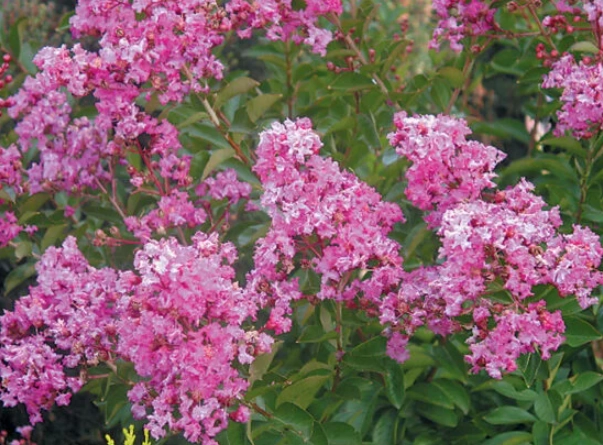
Then I saw one. A real, live, blooming crape myrtle in a neighborhood in Portland. It wasn't huge, but it was healthy, covered in flowers, and clearly surviving just fine. That was the moment I got obsessed. Could we actually grow these stunning trees in Oregon? The short answer is yes, absolutely. But—and it's a big but—you can't just plant any crape myrtle you find at a big-box store and hope for the best. Success with crape myrtle in Oregon requires a bit of strategy, some specific knowledge, and most importantly, choosing the right variety.
This guide is everything I wish I'd known when I started. It's born from trial and error, conversations with local nurseries, and a fair bit of research. We're going to cut through the myths and get real about what it takes to grow a beautiful crape myrtle tree right here in the Pacific Northwest.
So, what's the real challenge? It boils down to two things: cold and damp. Oregon winters, especially in the Willamette Valley and westward, are mild but wet. We don't get the deep, prolonged freezes of the Midwest, but we get consistent moisture and chilly temperatures that some plants just hate. Crape myrtles are native to parts of Asia and thrive in hot, sunny summers. Our cooler, maritime-influenced summers can sometimes leave them wanting more.
The Big Question: Can Crape Myrtle Survive Oregon Winters?
This is the first hurdle. The USDA Plant Hardiness Zone map is your starting point. Most of western Oregon (Portland, Salem, Eugene, the Willamette Valley) falls into Zones 8a or 8b. The coast is often Zone 9a. Eastern Oregon is a different beast, with colder zones.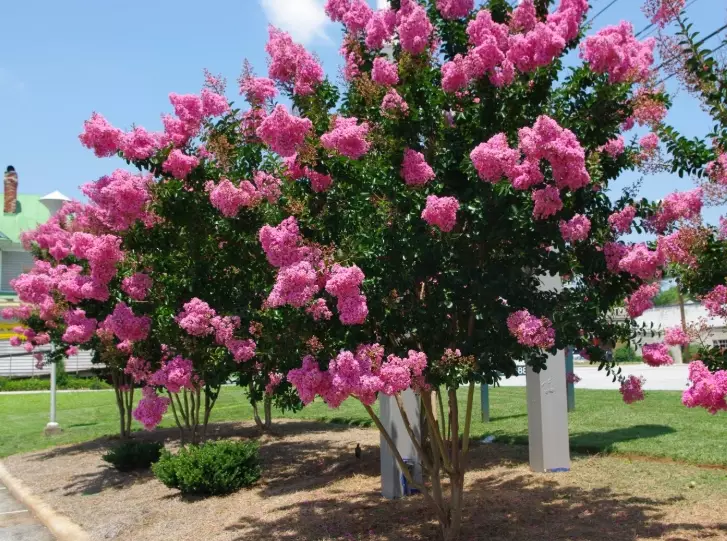
Traditional, old-fashioned crape myrtle varieties are often only hardy to Zone 7. That's a problem. A Zone 7 plant might survive a typical Zone 8 winter, but a sudden Arctic blast that dips into the low teens can kill it to the ground, or worse. The key is to look for varieties specifically bred or known for superior cold hardiness—think Zone 6 or even Zone 5. These are your champions for Oregon.
I learned this the hard way. My first attempt was with a common, gorgeous lavender variety whose tag said "Zones 7-9." I planted it in a sheltered spot, crossed my fingers, and that first winter... it died back to a stump. It resprouted in spring, but it was set back years. It was a lesson in reading tags carefully.
Pro Tip: Don't just trust the zone on the tag from a national chain store. Cross-reference the variety name with university extension resources or specialty nursery websites. The USDA Plant Hardiness Zone Map is an essential tool to confirm your exact location's zone.
The Golden Rule: Picking the Right Crape Myrtle for Oregon
This is 90% of the battle. If you get the variety right, everything else becomes much easier. You're looking for three things: proven cold hardiness, disease resistance (especially to powdery mildew, which loves our cool, damp springs), and a size that fits your space.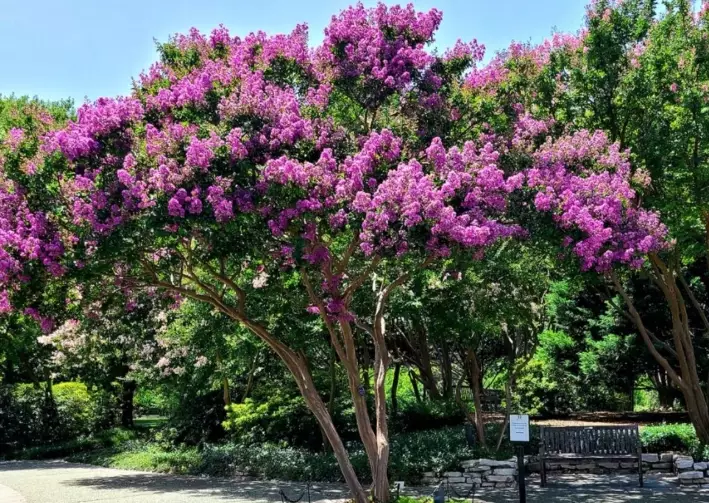
Over the years, through my own experience and scouring forums and talking to experts at places like the Oregon State University Extension Service, a clear list of reliable performers has emerged. These aren't just theoretically hardy; these are varieties people are actually growing with success in Oregon.
Top-Tier Crape Myrtle Varieties for Oregon Gardens
Here’s the lineup. These are the workhorses, the ones that have shown they can handle our climate quirks. I've ranked them not just on hardiness, but on overall performance—flowering reliability, form, and foliage.
| Variety Name | Flower Color | Mature Size | Key Strength for Oregon | Notes & Personal Experience |
|---|---|---|---|---|
| Natchez | Pure White | Large (20-30 ft) | Exceptional cold hardiness (Zone 6), exfoliating cinnamon bark, excellent mildew resistance. | The gold standard. My personal favorite. It grows vigorously here, flowers like crazy in late July/August, and its multi-trunk structure is stunning in winter. A truly reliable choice for a statement tree. |
| Tuscarora | Coral Pink | Medium-Large (15-25 ft) | Very hardy (Zone 6), vibrant color, good disease resistance. | The color is incredible—a deep, warm pink. It seems to bloom a bit later than others, which can be good to extend the season. Needs full, all-day sun to color up best. |
| Sioux | Bright Pink | Medium (10-20 ft) | Great for smaller spaces, hardy to Zone 6, reliable bloomer even in cooler summers. | A fantastic mid-sized option. I've seen this one thrive in a Portland garden with only 6 hours of sun. The blooms are a clear, vibrant pink that really pop. |
| Tonto | Fuchsia Red | Semi-Dwarf (8-12 ft) | Perfect for small gardens or large containers, Zone 6 hardy, dark green foliage contrasts beautifully with flowers. | If you're worried about space, start here. I have one in a half-wine barrel on a sunny patio. It blooms prolifically and is easy to manage. A great intro to crape myrtle in Oregon. |
| Acoma | White | Semi-Dwarf, Weeping (6-10 ft) | Unique weeping form, very high mildew resistance, Zone 7 but performs well in protected Zone 8 spots. | This one is architectural. Its graceful, cascading form is different from the typical upright shape. Plant it where you can appreciate its structure year-round. Might need a bit more winter protection in a cold pocket. |
| Dynamite | True Red | Medium (15-20 ft) | Stunning, non-fading red color, good cold tolerance (Zone 6b), fast grower. | The name doesn't lie. The red is brilliant and holds its color well. It's a vigorous grower, so give it room. I've heard mixed reports on its mildew resistance in very damp springs, so air circulation is key. |
You'll notice a trend—many of the top performers are from the U.S. National Arboretum breeding program (like Natchez, Tuscarora, Sioux, Tonto, Acoma). They were bred for disease resistance and improved hardiness, which is exactly what we need. Finding a crape myrtle in Oregon often means seeking out these specific varieties at a quality local nursery, not just picking up whatever's available.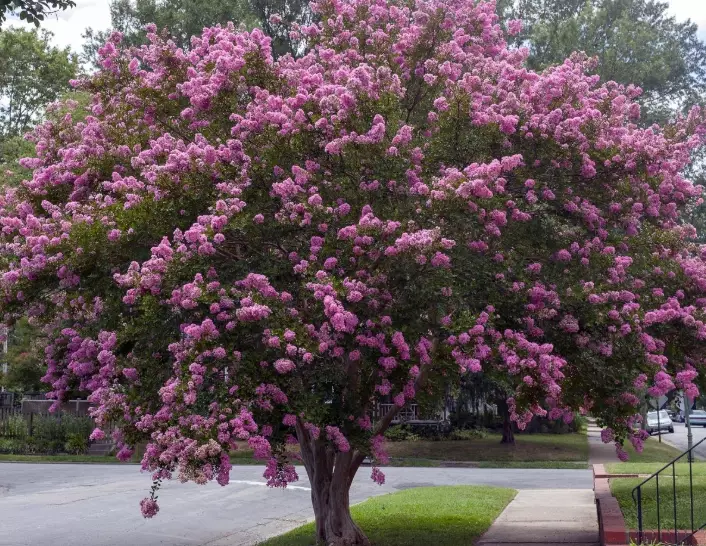
A quick aside: I made the mistake of buying a cheap, no-name pink crape myrtle online once. It was a disaster—weak, mildew-prone, and it just sulked. Investing in a properly identified, grafted variety from a reputable source makes all the difference. It's worth the extra $20.
How to Plant and Care for Your Oregon Crape Myrtle
Okay, you've picked a tough variety. Now, let's set it up for success. Planting is critical.
Location, Location, Location
This is non-negotiable. Crape myrtles need full sun. I mean at least 6-8 hours of direct, unfiltered sunlight. More is better. This is the single biggest factor for good flowering and keeping mildew at bay. A south or west-facing spot is ideal. Don't try to tuck it into a shady corner; it will be leggy, weak, and won't bloom.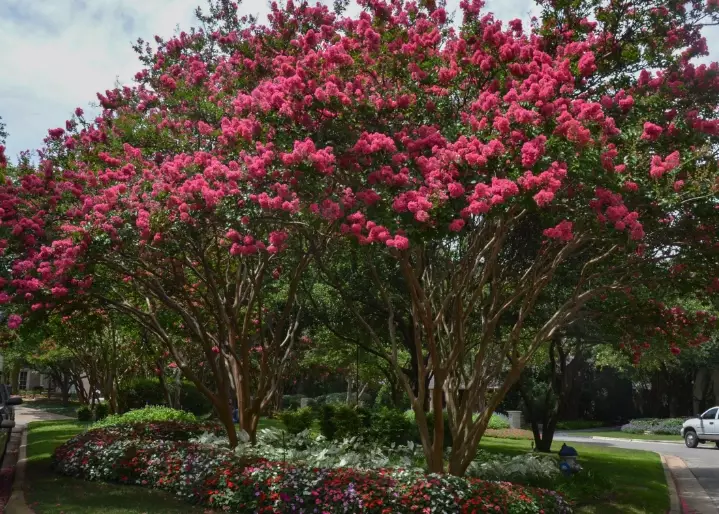
They also need good drainage. Our heavy clay soils can be a death sentence if you don't amend them. If you have clay, think about planting on a slight mound or in a raised bed. I dig a hole twice as wide as the root ball but no deeper (planting too deep is a common killer). I mix the native clay with a hefty amount of compost and some pumice or coarse sand to improve texture and drainage.
Think of it like giving your tree a well-drained pillow to sit on, rather than a wet, concrete bowl.
The Planting Process
- Timing: Spring is best. It gives the tree a full season to establish roots before its first winter. Early fall can work in milder areas, but spring is safer.
- The Hole: Wide, not deep. Loosen the soil in a wide area around the hole.
- Soil Amendment: Mix that native soil with compost. Don't create a "bathtub effect" with pure compost in a clay hole.
- Planting: Set the tree so the root flare (where the trunk widens at the base) is slightly above the surrounding soil level. Backfill, water deeply to settle, and create a slight watering basin.
- Mulch: Apply 2-3 inches of arborist chips or compost mulch around the base, keeping it a few inches away from the trunk. This is huge in Oregon—it conserves moisture in summer, moderates soil temperature, and suppresses weeds.
Ongoing Care: Water, Food, and the Dreaded Pruning
Watering: The first two years are critical for establishment. Water deeply once or twice a week during dry summer spells. The goal is deep, infrequent watering to encourage roots to go down. Once established, crape myrtles are surprisingly drought-tolerant, but they'll bloom better with occasional deep water during a dry August.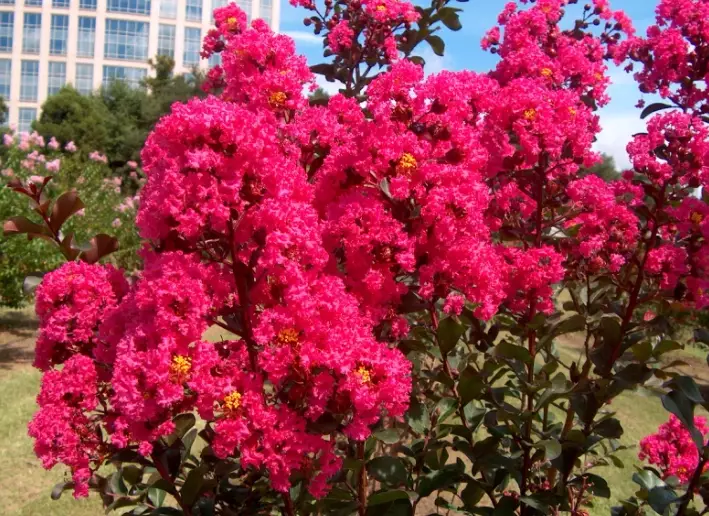
Fertilizing: Go easy. Too much nitrogen leads to lots of leafy growth at the expense of flowers and can make the plant more susceptible to winter cold. A light application of a balanced, slow-release fertilizer in early spring is plenty. I often just top-dress with compost in spring and call it good.
Pruning (The Right Way): Oh, the horror of "crape murder"—that brutal topping you see everywhere. Please, don't. It creates ugly knuckles, weak growth, and reduces flowering. For an Oregon crape myrtle, pruning is simple:
- Do it in late winter or early spring, before new growth starts.
- Remove any dead, damaged, or crossing branches.
- Thin out small, twiggy growth from the center to improve air flow.
- If you want a tree form, choose 3-5 main trunks and remove lower side branches gradually over the years.
- That's it. No topping. Let it find its natural shape.
Biggest Mistake I See: People panic-prune in fall after the leaves drop. This removes the tree's natural winter protection (the old seed heads and branch structure) and can stimulate tender new growth just before frost. Always wait until late winter.
The Winter Question: To Protect or Not to Protect?
Even with a hardy variety, a little TLC in winter doesn't hurt, especially for a young tree (first 3 years).
If you're in a cold pocket (like the Gorge or a low-lying frost-prone area in the Valley), or if a severe cold snap is forecast (teens or lower), a bit of protection can save you heartache. For small trees, I'll loosely wrap the trunk with burlap or commercial tree wrap. For the roots, a thick, fresh layer of mulch after the ground cools down in late fall is excellent insurance.
The main goal is to protect the graft union (if it's a grafted tree) and the roots. Even if the top dies back in a freak winter—which can happen with any plant—a protected root system will send up new shoots in spring. With the right variety, this is rare, but it's a good safety net.
The goal isn't to create a greenhouse, but to buffer against the worst of the cold and drying winds.
Common Problems (& Solutions) for Crape Myrtle in Oregon
No plant is perfect. Here’s what to watch for.
Powdery Mildew: The white, powdery coating on leaves and buds. It's common in our cool, humid springs. Solution: Prevention is key. Choose resistant varieties (like all the ones in the table above). Plant in full sun with good air circulation. If it appears, a spray of horticultural oil or a baking soda solution can help. I rarely have to spray my Natchez or Sioux.
Poor Flowering: If your tree is leafy but not blooming, it's usually one of three things: Not enough sun (the #1 cause), too much nitrogen fertilizer, or pruning at the wrong time (you cut off the flower buds).
Aphids: They sometimes show up, causing sticky honeydew. A strong blast of water from the hose usually takes care of them. Ladybugs love them.
Honestly, a well-sited, properly chosen crape myrtle in Oregon is remarkably trouble-free compared to many other landscape plants. It's not a fussy rose.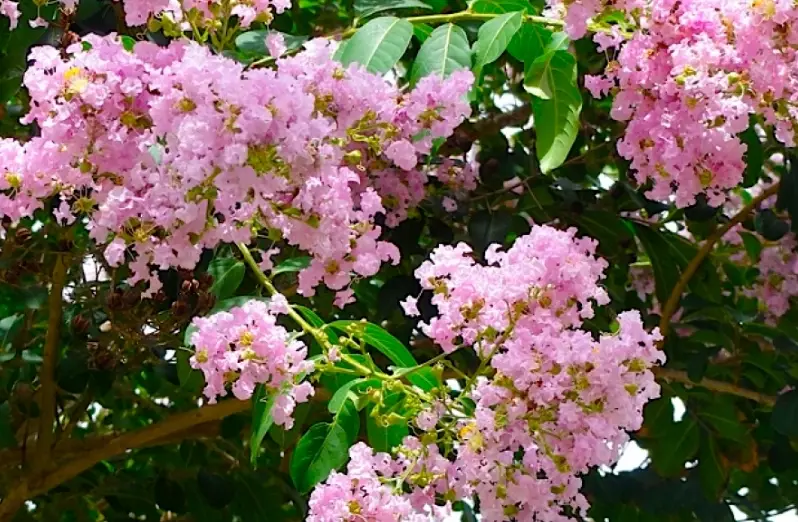
Frequently Asked Questions About Crape Myrtle in Oregon
These are the questions I get asked all the time, from neighbors and online gardening groups.
Final Thoughts: Is a Crape Myrtle Right for Your Oregon Garden?
If you have a sunny, well-drained spot and you're willing to invest in the right variety from the start, then I say go for it. The payoff is immense. For months of summer and fall color, for beautiful exfoliating bark that adds winter interest, and for a tree that asks for very little once it's settled in, it's hard to beat.
It's not the absolute easiest tree for our region—a vine maple or a dogwood might be simpler. But it's far from impossible. Growing a crape myrtle in Oregon is a satisfying reward. It's a touch of the unexpected, a splash of vibrant, long-lasting color that makes your garden stand out. It proves that with a bit of smart gardening, we can enjoy a wider palette of plants than we sometimes think.
Start with a 'Natchez' or a 'Sioux'. Plant it with care in that hot, sunny spot you've been saving. Protect it lightly for a couple of winters. Then sit back and enjoy the show. You might just start a trend on your block.
Reader Comments