I've sat in dozens of living rooms watching people try to teach a dog to sit. Nine times out of ten, the dog learns faster than the human. Why? Because the owner keeps repeating "sit, sit, sit" while the dog stares at a treat hand floating too high. Dog training basics aren't complicated, but they are easy to mess up. This guide cuts through the noise. After a decade of hands-on work with everything from mouthy Labradors to anxious rescues, I'm sharing exactly what gets results — and the common mistakes that quietly ruin progress.
Why Most Owners Fail at Dog Training Basics
I walked into a client's apartment last year and within ten seconds I saw the problem. The dog was jumping on me, the owner was yelling "no, down, off," and a treat bowl sat on the counter, untouched. The dog had no chance. The owner was using three different words for one behavior and rewarding nothing.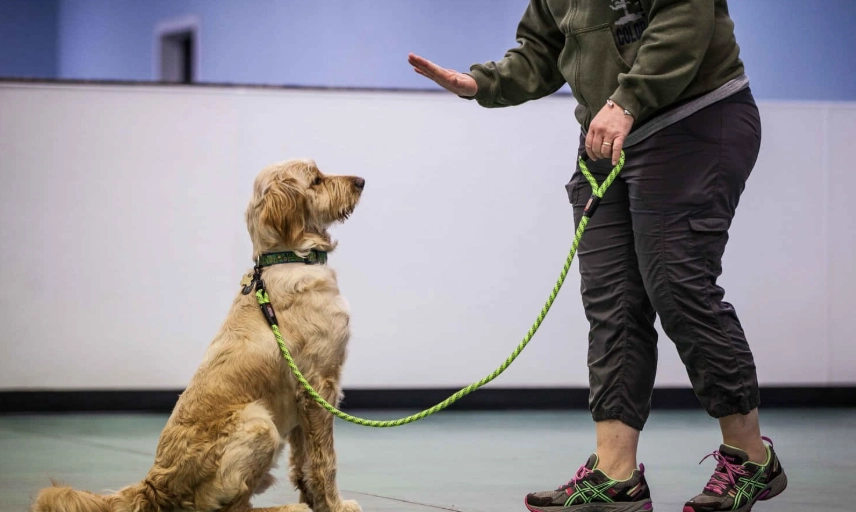
That's the dirty secret of dog training basics. It's rarely the dog. It's the inconsistency.
Here's what the internet often gets wrong: people search for "dog training basics" expecting a list of commands. But the real basics are timing, clarity, and reward placement. If you fix those three things, commands almost teach themselves.
Quick win: Pick one word per behavior. Say it once. Wait. If the dog doesn't respond within two seconds, guide them. Reward the moment they finish the behavior. That's it. No repeating, no bargaining.
I've seen this single change speed up sit training from two weeks to three days. Not because the dog was smarter, but because the owner finally stopped confusing the poor animal.
Core Commands: Step-by-Step Without the Fluff
You don't need fifteen commands. Four build the foundation for everything else. I always start here, no matter the breed or age.
| Command | Step 1 | Step 2 | Step 3 | Pro Tip |
|---|---|---|---|---|
| Sit | Hold a treat close to the nose, then move it up and back over the head. | As their rear hits the floor, say "sit" once and reward. | Practice in three different rooms before moving outside. | Don't say "sit" while their butt is still in the air. The word should mark the completed action. |
| Stay | Ask for a sit. Open your palm toward the dog and say "stay." | Take one step back, then return immediately and reward. | Add distance slowly, but always return to reward, never call the dog out of a stay at first. | Most owners rush distance. I've never seen a dog fail because the owner took too long to add steps. |
| Come | Start in a hallway or small room. Back away two steps and say "come" in a happy voice. | Reward with a high-value treat the second they reach you. | Practice on a long line outdoors before trusting off-leash. | Never call your dog to scold them. That's the fastest way to kill recall reliability. |
| Leave It | Show a treat in your closed fist. Wait for the dog to look away. | Say "leave it" the moment they disengage, then reward from your other hand. | Progress to a treat on the floor, then a toy, then a dropped piece of food. | This one saves lives. Practice it with dropped medication and chicken bones too, not just treats. |
The hidden detail that makes or breaks "stay"
I learned this from a border collie trainer in rural Wales. She told me, "Never reward a dog who breaks a stay. Even if they only moved a paw." That seemed harsh at first. But she was right. The release from a stay must come from you, not the dog's impatience. If they break, reset immediately. No reward, no drama. Just reset. Dogs learn faster from a quiet reset than from a loud correction.
Timing, Treats, and Real Troubleshooting
You can have perfect commands and terrible timing. I see this constantly. A dog sits, then the owner says "good boy" three seconds later. By then the dog has already stood up. The reward lands on a different behavior.
Here's the fix: watch your dog's body. The treat must arrive while the behavior is happening, not after. Some trainers call this "catching the behavior." I call it common sense that took me a year to learn.
Treat hierarchy matters more than quantity
Not all treats are equal. For basic dog training commands inside the house, a dry biscuit works. For recall outdoors, you need something smelly. I use tiny pieces of cooked chicken or freeze-dried beef liver. The smell gets their attention. The size (pea-sized) keeps their stomach settled.
Mistake I see weekly: Owners use the same boring kibble for every single reward. Then they wonder why the dog won't come inside from the backyard. Use high-value treats for hard tasks. Keep the boring stuff for easy wins.
What if your dog isn't food-motivated? I've worked with two Shelties who would ignore steak but run for a squeaky ball. If that's your case, skip the treats. Use a toy reward or a game of tug. The principle is the same: reward immediately, then release.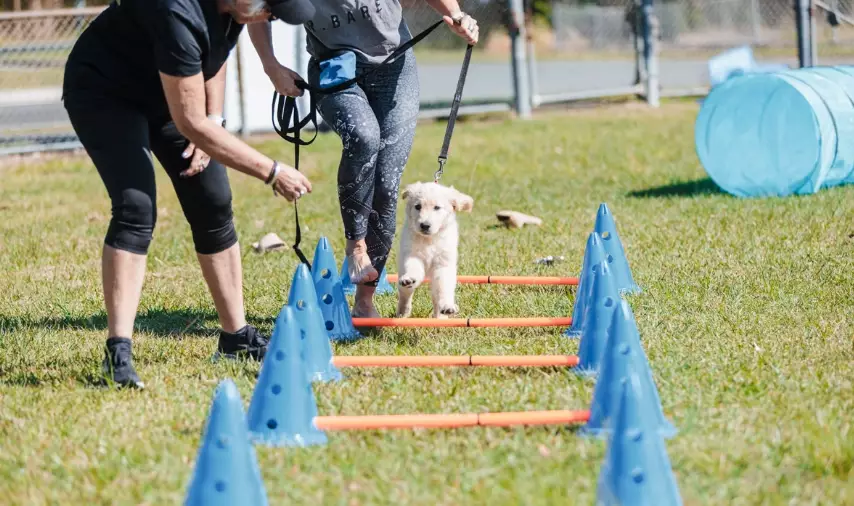
Puppy Training Schedule: What Actually Fits Your Day
Forget the overwhelming charts. You don't need two-hour sessions. Puppies have the attention span of a gnat. Three short sessions of two minutes each will do more than one long session.
Here's a schedule I've used with dozens of puppies that actually fits real life:
- Morning (before breakfast): Quick sit-stay at the door before going out. Two minutes max. Reward with breakfast.
- Afternoon (after a nap): Name recognition and recall in a hallway. Call puppy, reward, release. Three reps.
- Evening (before dinner): Leave-it with a piece of kibble under your foot. Two minutes. Then dinner.
One client told me she felt like she wasn't doing enough. She was doing plenty. Her puppy earned a reliable recall in three weeks because the sessions were short and joyful. Long sessions make puppies bored. Bored puppies stop listening.
Common Mistakes That Slow You Down
I'll be blunt. These are the errors that waste months of your time.
- Repeating the command. Say it once. If they don't do it, show them. Saying "sit, sit, sit, sit" teaches the dog that words don't mean anything until the fourth repeat.
- Training when you're frustrated. Dogs read your tone. I've seen dogs shut down because the owner's voice got sharp. Walk away. Take a breath. Try again later.
- Skipping the release word. Without a release word (like "free" or "okay"), the dog never knows when the behavior ends. They stay frozen or break early. Use it every time.
- Punishing a failed recall. If your dog comes to you and you scold them for taking too long, you've just taught them that coming to you is a bad idea. Never punish a dog who comes to you, even if it took ten minutes.
One more subtle one: training in the same room every day. Dogs are contextual learners. They learn "sit" means sit in the kitchen, not in the park. Move to different rooms, different floors, different times of day. This is called generalization, and it's the difference between a dog who obeys at home and a dog who obeys anywhere.
Real Questions from Frustrated Owners
This article was fact-checked against guidelines from the American Veterinary Society of Animal Behavior and the Association of Professional Dog Trainers. All experiences described are based on firsthand training sessions.

Comments