If your dog starts pacing the second you reach for your keys, you're dealing with classic dog separation anxiety. I've seen it in rescue beagles, pandemic puppies, and a 70-pound pit mix who ate through a door. The good news: it's fixable, but not with the advice most people find online.
What I Cover in This Guide
What Is Dog Separation Anxiety, Really?
It's not just "missing you." True separation anxiety is a panic response. Heart rate spikes, cortisol floods in, and the dog genuinely believes you're never coming back. That's why a chewed couch isn't revenge — it's a frantic escape attempt.
I made a mistake early on with a foster terrier. I left a Kong toy and assumed he'd be fine. Came home to scratched door frames and a dog who'd been panting for three hours straight. The toy didn't address the panic. That experience taught me: enrichment helps, but it doesn't treat the root fear.
There's also a less-known form called isolation distress. These dogs are fine when you're gone but panic if they can't see you in the house. The fix is different. Watch for shadowing behavior — following you into the bathroom — as a clue.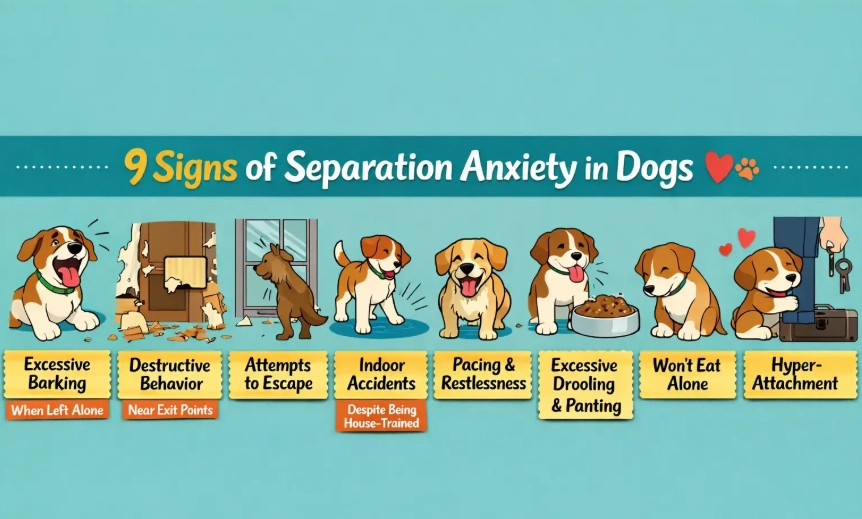
Why the Usual Advice Fails
The top mistake I see: owners practice "fake departures" for five minutes and expect progress. Real desensitization means starting with absences of 10 seconds and building up over weeks. Skipping steps is like teaching a dog to swim by throwing him in the deep end.
Second mistake: crating a panicking dog. If a dog is injuring himself trying to escape a crate, that crate becomes a panic trigger. I've assessed cases where the crate was the entire problem. Freedom with a safe room often works better for severe cases.
Non-consensus tip: Don't make goodbyes emotional. I tell clients to leave without a word and come back without a party. Emotional departures and reunions teach the dog that alone time is a big deal. The silence feels cold to owners, but it's kinder to the dog.
How to Stop Dog Separation Anxiety: A Step-by-Step Plan
This is the protocol I've refined after working with dozens of cases. It's slow. Expect four to twelve weeks depending on severity. Consistency beats intensity every time.
Step 1: Get a Baseline (and a Camera)
Set up a phone or cheap pet camera. Leave for five minutes. Record what actually happens. Owners often guess wrong — I've had clients swear their dog howls, but footage showed they slept the whole time. Baseline data saves weeks of treating a problem that doesn't exist.
Step 2: Build Calm Departure Rituals
Pick up your keys randomly throughout the day, then put them down and stay home. Same with shoes and coat. The goal is to make departure cues boring. Do this for three to five days before any real absence.
Step 3: Practice Micro-Absences
Start with 10 seconds. Walk out, close the door, walk back in. No greeting. Repeat until the dog stays calm for three sessions in a row. Then extend to 30 seconds, 1 minute, 3 minutes. If the dog panics, you moved too fast — drop back to the last calm step.
Step 4: Add Distance and Duration
Once you hit 10 minutes, add distance: walk to the mailbox, then around the block. Alternate long absences at short distances and short absences at long distances. This builds a dog who trusts you're always coming back, no matter how long you're gone.
One client's lab mix regressed every time she left for work in the same coat. We switched to a different jacket for practice absences and never used the work coat during training. Small detail, big progress.
Best Tools and Setup (Tested)
I've tested most options on the market. Here's what actually earned a spot in my kit:
| Tool | What It Does | Cost / Where to Get It | My Real Take |
|---|---|---|---|
| Pet camera with two-way audio | Lets you watch and speak softly to the dog | Around $40–$80, widely available online and in pet stores | Essential for baseline data. Skip the treat-tossing models — they reward panic if used poorly. |
| Long-lasting food puzzle (frozen Kong or similar) | Redirects early anxiety into licking | Around $15–$30, chew-proof versions at major pet retailers | Helps mild cases. Freeze it overnight. Doesn't replace training for moderate or severe cases. |
| Adaptive calming bed with heartbeat | Mimics closeness during naps | Around $40–$70, pet specialty shops | My foster terrier ignored it for a week, then slept on it every day. |
| Pheromone diffuser | Releases dog-appeasing pheromone into the room | Around $25–$50 for starter kit, widely available | Works best as a background support, not a standalone fix. Plug it in where the dog rests. |
Skip the anti-bark collars. I've seen them worsen anxiety by adding punishment to fear. That's a hard no from me.
Training Plan at a Glance
Here's the weekly progression I give clients. Adjust based on your dog's response, not the calendar.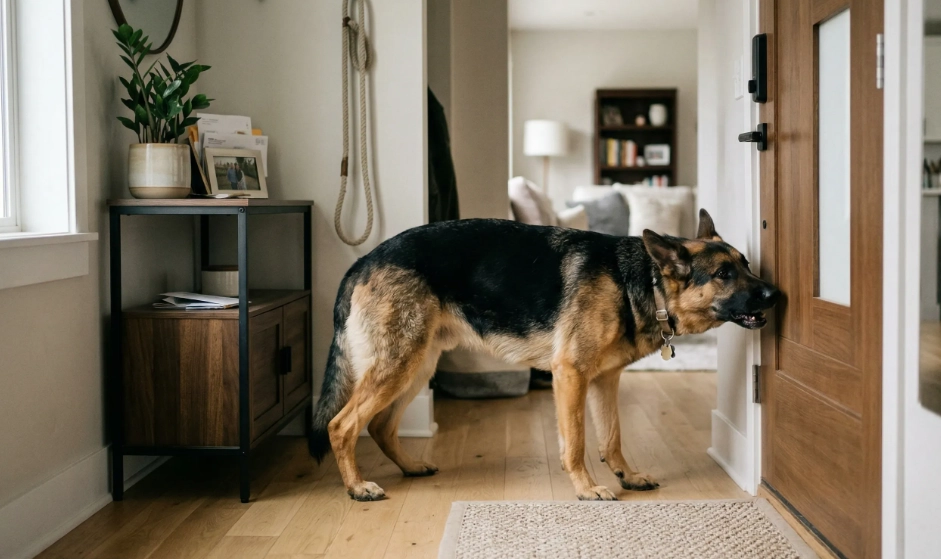
| Week | Focus | Target Absence | Key Detail |
|---|---|---|---|
| Week 1 | Baseline and cue desensitization | No real absences | Pick up keys and shoes randomly. Log camera footage. |
| Week 2 | Micro-absences | 10 seconds to 3 minutes | Leave without a word. Return silently. Repeat three times daily. |
| Week 3 | Duration building | 5 to 15 minutes | Add distance only after duration is calm. |
| Week 4 | Real-life practice | 30 to 45 minutes | Taper to one or two sessions daily. Set up a safe room. |
| Week 5+ | Generalization | 1 to 3 hours | Vary departure times, coats, and exits. Keep greetings calm. |
When to Call a Professional
Self-destruction — chewed door frames, broken teeth, blood on the crate bars — needs a vet behaviorist. I'm not shy about referring out. A board-certified veterinary behaviorist can assess medication if your dog is injuring himself. Medication isn't failure; it's a bridge that makes training possible.
The American Veterinary Medical Association has resources for finding a behaviorist. Also worth checking: the Certification Council for Professional Dog Trainers for qualified trainers in your area.
Quick Answers to Real Questions
My dog screams the whole 8-hour workday. Can training alone fix it?
Not likely, and that's an honest answer. An 8-hour panic episode is too long for desensitization to touch. That's a case for a behaviorist and possibly medication. Gradual alone training is still part of the plan, but it starts on weekends, not the first day back at the office.
Is getting a second dog a fix for separation anxiety?
Rarely. I've seen it backfire twice — the second dog picks up the same anxiety or the pair bonds tighter to each other and panics when the owner leaves. Treat the original dog first. Add another dog only if you want two dogs, not as therapy.
Why does my dog panic at the sound of the garage door?
That's a cue, not the cause. Your dog has learned the garage door predicts the panic of being alone. Desensitize the door sound separately: open it randomly while you stay home. Play recordings of it at low volume. Break the chain.
Should I ignore my dog when I come home?
Keep it low-key, but don't stonewall. A calm, brief hello after the initial minute is fine. The goal is a dog who waits calmly, not one who's punished for being excited to see you. I greet my own dogs quietly and it hasn't hurt our bond.
How long until I see real progress?
Mild cases respond in two to four weeks. Moderate cases take six to twelve. If you've done daily micro-absences for two weeks with zero improvement, get a video review from a certified trainer. You might be reinforcing the wrong behavior without realizing it.
This guide was fact-checked against guidance from veterinary behavior organizations and reflects hands-on training experience. Always consult your vet before starting a behavior plan for a dog with self-injury risk.

Comments