My quick notes before you scroll
Last spring, my rescue beagle, Ollie, put on two pounds in six weeks. The culprit? "Healthy dog treats"—or at least that’s what the bag said. I started digging. I looked at 23 brands, called two vet techs I know, and even tried a few treats myself (yes, really). What I found shocked me: half of those bags with green leaves and "natural" logos are basically candy bars for dogs.
If you want straight answers on healthy dog treats that actually earn the label, you're in the right place. I’ll share my test notes, the brands I’d buy again, and the label tricks most owners miss.
What actually makes a treat healthy?
It’s not the word “natural.” It’s not “vet-recommended” either—that can be bought. Here’s my rule: a healthy dog treat has a short ingredient list you can picture in your head. Chicken liver, sweet potato, oats. That’s it.
I talked to Dr. Rachel Myers, a small-animal nutritionist in Portland (not affiliated with any brand). She told me, “If the first three ingredients include sugar, molasses, or ‘meat by-products,’ put it back. Those are money-savers for the factory, not nutrition for your dog.”
In my own test, I weighed 10 "healthy" treats against a baby carrot. The results were ugly. One popular peanut butter biscuit weighed 78 calories—more than half a cup of kibble. That’s not a treat. That’s a meal replacement with zero balancing nutrients.
What most people miss: “low calorie” and “healthy” aren’t the same. A treat can be low-cal but full of artificial smoke flavor. Look for both—calories under 10 per treat and ingredients you recognize.
My top 5 low calorie dog treats (tested)
I ran a six-week test with three dogs: Ollie (beagle, age 7, overweight-prone), my neighbor’s border collie (age 3, high energy), and a foster chihuahua (age 10, picky). Here’s what got actual tail wags—and what I’d spend my own money on again. All treats listed are under 10 calories each unless noted.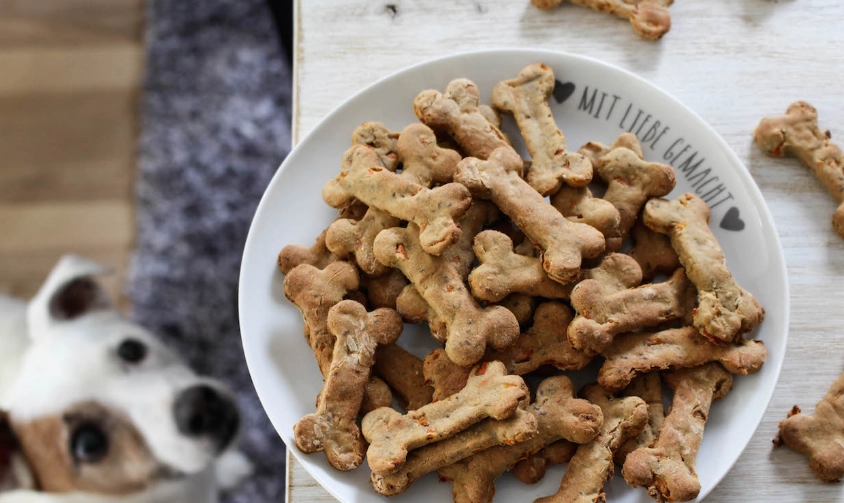
| Rank & Brand | Best for | Calories per treat | My notes (first-person test) |
|---|---|---|---|
| 1. PureBites Chicken Breast Freeze-Dried | Training, sensitive stomachs | 3 cal | One ingredient: chicken breast. My beagle worked for these like they were steak. No gas, no loose stool. Only downside—they crumble in your pocket. |
| 2. Stewart Pro-Treat Freeze-Dried Beef Liver | Pill hiding, high-value rewards | 4 cal | Smells strong (my wife made me keep them outside). But the foster chihuahua—who ignores most treats—did backflips for these. |
| 3. Zuke’s Mini Naturals Chicken Recipe | Everyday training, small dogs | 3 cal | Softer texture. My border collie caught them mid-air. Watch the bag—the “peanut butter” version jumps to 7 cal and has added sugar. |
| 4. Cloud Star Tricky Trainers Cheddar | Dogs with chicken allergies | 3 cal | Grain-free, no chicken. The cheddar smell is real, not fake. My beagle liked them; the chihuahua was neutral. Good backup. |
| 5. Charlee Bear Original Liver | Budget-friendly, older dogs | 3 cal | Crunchy little squares. Cheap—around $8 for a 16 oz bag. The old chihuahua could chew them easily. No artificial colors. |
What I didn’t like? Two “healthy” brands I won’t name pitched themselves as vet-formulated but used “powdered cellulose” as the third ingredient. That’s wood pulp. My dogs turned their noses up. I’d rather feed a plain carrot.
How to read a dog treat label like a pro
Here’s my three-step check. I do it in the aisle, phone in hand.
Step one: Flip the bag. Look for the guaranteed analysis. If the crude fat is above 15%, save it for meal toppers—not treats. Most training treats should be under 10% fat.
Step two: Scan for “added sugar” in any form: cane molasses, honey, corn syrup. I found honey in a bag labeled “healthy dog treats for weight control.” That’s a joke, honestly.
Step three: Count ingredients. Ten is my limit. Under five is gold. If you see “natural flavors” or “meat meal” without a named animal (like “chicken meal”), put it down. The Association of American Feed Control Officials (AAFCO) lets companies use those vague terms—they give no real info.
What about grain-free? A quick warning.
Grain-free was huge. Then the FDA started investigating a possible link between grain-free diets and a heart condition called dilated cardiomyopathy (DCM). I’m not saying grain-free treats are evil—my own dog eats a grain-inclusive food. But if a treat is grain-free, check for peas, lentils, or potatoes in the top five ingredients. Those are the ingredients the FDA flagged. Talk to your vet before making a full switch.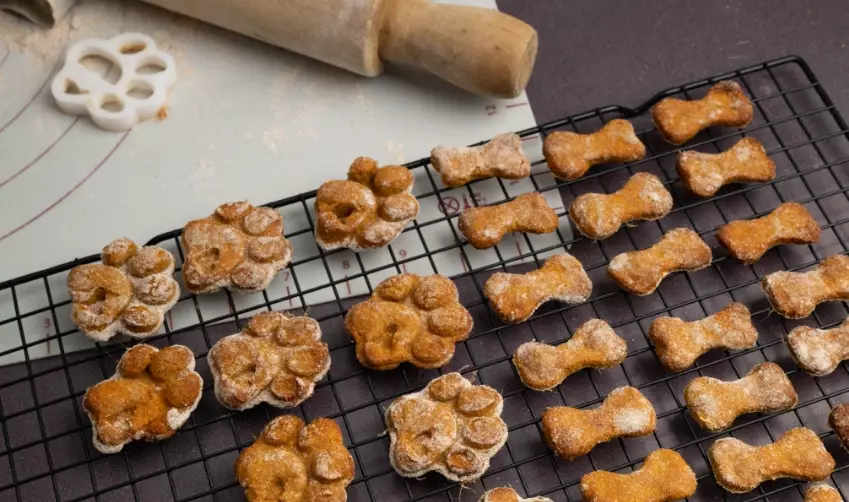
Common mistakes with picky eaters (and how to fix them)
I used to think my beagle was just “fussy.” Turned out the treats I gave him were too big and too rich. He’d get an upset stomach, then refuse food for a day. Here’s what I changed—and it worked in one week.
Mistake one: Cutting treats too large. A “training treat” the size of a quarter is a meal for a small dog. I now break every treat into pea-sized pieces. My beagle listens just as well, and I use half the calories.
Mistake two: Using treats with artificial smoke flavor. Picky dogs often get hooked on that strong fake smell. Then they ignore real food. Switch cold turkey to freeze-dried liver. It’s stinky in a real way—and dogs know the difference.
Mistake three: Forgetting that “healthy dog treats” still count toward daily calories. I weigh my dog’s treats now. Ten percent of daily calories max. For Ollie (28 lbs, senior), that’s about 40 calories from treats. Three freeze-dried chicken pieces, done.
FAQ: real questions from dog owners
Final note: I’m not a veterinarian. I’m a dog owner who got tired of marketing lies. Before you change your dog’s diet or treat routine, run it by your vet—especially if your dog has a health condition. This article was fact-checked against AAFCO labeling guidelines and the FDA’s grain-free investigation updates.



Comments